A more organized home is less about buying the “right” bins and more about eliminating the habits that quietly create chaos. When you understand what is actually standing between you and order, you can make smarter choices, including when you invest in highly rated organizers that professional experts recommend. Use these 14 common roadblocks as a checklist to reset your routines and create a home that is easier to maintain every day.
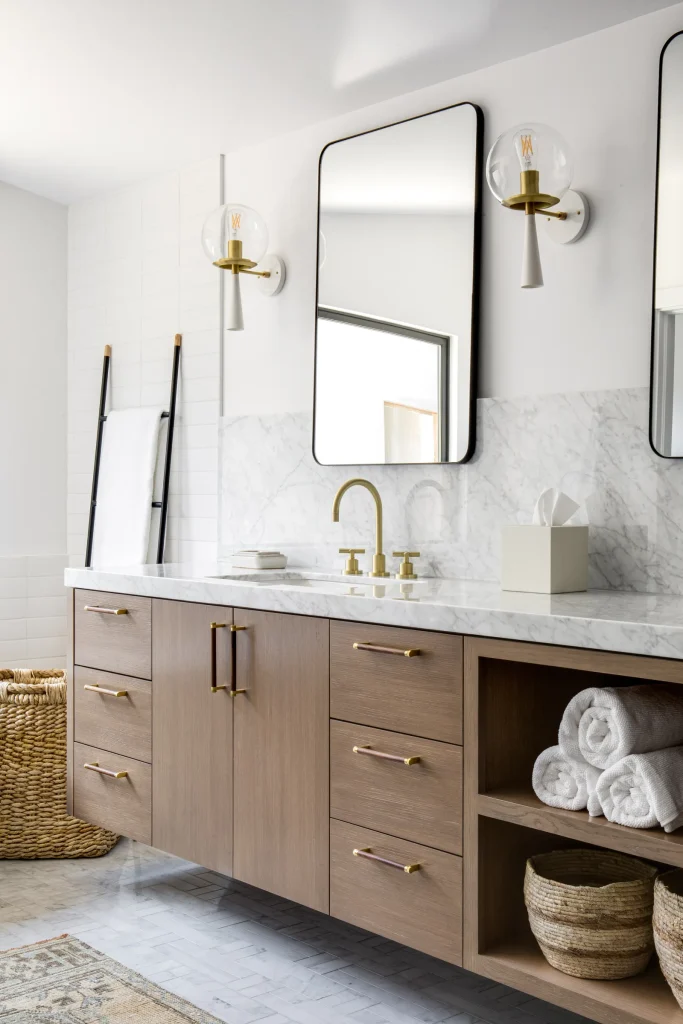
1) You Keep Buying Storage Without Decluttering First
Overbuying storage containers is one of the biggest reasons your home still feels cluttered. When you purchase bins, baskets, and drawer units before editing what you own, you end up organizing things you do not even want. Professional organizers consistently stress that decluttering must come first, because every extra item you keep needs space, time, and attention. If you skip that step, even the smartest products will only mask the volume problem and make closets and cabinets feel overstuffed.
Once you pare back, you can be strategic about what you bring in, focusing on containers that match your shelves, drawers, and daily habits. Curated roundups of expert-approved organizers show how pros choose pieces only after measuring and sorting. That approach keeps you from stockpiling random bins that never quite fit. The broader trend is clear: households that declutter first spend less, use what they buy more effectively, and maintain order longer.
2) You Do Not Assign a Clear Home for Everyday Items
Lack of designated “homes” for your belongings is a quiet but powerful source of mess. When keys, mail, backpacks, and chargers do not have a specific landing spot, they migrate to the nearest flat surface. Over time, that creates piles on counters, dining tables, and nightstands that feel impossible to tackle. Organizing experts often say that every item should have a clear, logical place to live, ideally as close as possible to where you actually use it.
Creating these homes does not require elaborate systems. A small tray by the door for keys, a single basket for incoming mail, and hooks at kid height for backpacks can transform daily drop zones. The stakes are practical: you waste less time hunting for essentials, you cut down on last-minute stress when leaving the house, and you make it easier for everyone in the household to put things away without asking where they go.
3) You Rely on Memory Instead of Simple Labels
Skipping labels is another subtle habit that keeps your home disorganized. You might remember where you put everything today, but other people in your household do not share that mental map, and you will not either after a busy week. Without labels, bins and baskets become black boxes that invite rummaging, which quickly destroys any order you created. Clear, consistent labeling turns your system into shared instructions instead of a private code only you understand.
Labels do not need to be fancy to work. Masking tape and a marker on pantry containers, printed tags on toy bins, or clip-on labels for closet baskets all signal what belongs where. This matters for long-term maintenance, because it shifts the burden from you constantly directing traffic to the system itself guiding behavior. Over time, labeled zones help kids build independence and reduce friction around chores, since expectations are literally written on the container.
4) You Ignore Vertical Space and Only Organize Horizontally
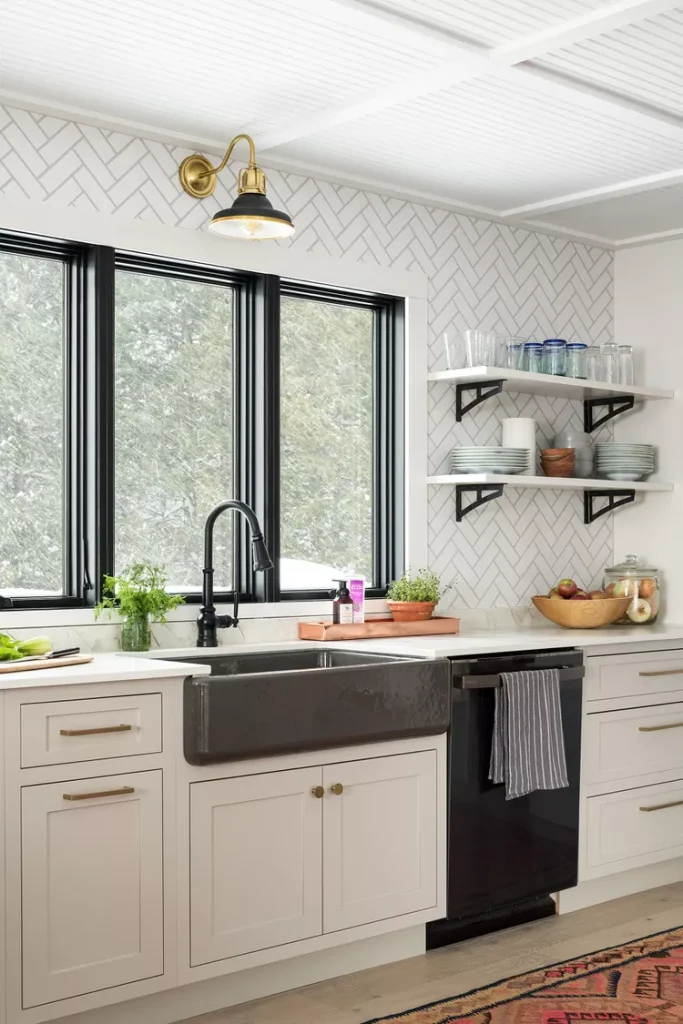
Underusing vertical space keeps many homes more cluttered than they need to be. When you only think in terms of shelves and floors, you miss the storage potential on walls, doors, and the full height of closets. That leads to crowded surfaces at eye level and wasted air above. Professional organizers often look up first, adding wall-mounted racks, over-the-door organizers, and tall shelving units to relieve pressure on countertops and the floor.
Making better use of vertical space can be as simple as adding hooks behind doors, stacking bins in closets, or installing a second hanging rod in a wardrobe. The impact is twofold: you gain square footage without moving, and you visually clear the areas you interact with most. For families in smaller homes or apartments, this shift is especially important, because it allows you to store seasonal or less-used items higher up while keeping daily essentials within easy reach.
5) You Treat Every Room as Separate Instead of Creating Housewide Rules
Organizing room by room without overarching rules can leave your home feeling inconsistent and hard to maintain. If each space has its own ad hoc system, you end up with different folding styles, mismatched containers, and conflicting expectations about what gets stored where. That patchwork approach makes it harder for everyone to help, because the “rules” change from room to room. A few simple housewide guidelines create cohesion and reduce decision fatigue.
Examples include setting a universal limit on how many duplicates you keep, choosing one style of hanger for all closets, or deciding that every drawer must close easily without forcing it. When these standards apply everywhere, you spend less time rethinking each organizing project from scratch. The broader effect is cultural: your household starts to see organization as a shared framework rather than a series of one-off cleanups, which makes new clutter less likely to creep back in.
6) You Store Items Where They Fit, Not Where You Use Them
Putting things wherever there is space, instead of where you actually use them, quietly sabotages organization. Stashing baking tools in a distant cabinet or keeping cleaning supplies in three different rooms forces you to zigzag around the house to complete simple tasks. That extra friction encourages you to leave items out “just for now,” which quickly becomes permanent clutter. Organizers often talk about “proximity” as a key principle: store items as close as possible to their point of use.
Reworking storage with this in mind can be surprisingly simple. Move everyday mugs near the coffee maker, keep gift wrap with tape and scissors in one portable caddy, and corral bathroom cleaning products under the bathroom sink instead of in a random closet. When your home supports your routines instead of fighting them, you are more likely to put things back immediately, and less likely to abandon half-finished tidying because it feels like too much work.
7) You Overfill Drawers, Bins, and Shelves to 100 Percent Capacity
Even well-sorted spaces become chaotic when they are packed to the brim. Filling drawers, bins, and shelves to 100 percent capacity leaves no room to slide items in and out, so you end up shoving, cramming, and eventually piling things on top. Many professionals recommend aiming for about 70 to 80 percent fullness, which gives your belongings “breathing room” and keeps systems flexible as your needs change. Overstuffed storage is a sign that you either own too much or need a different configuration.
Leaving a little empty space might feel inefficient at first, but it is what makes your organization usable in real life. You can see what you have at a glance, you are less likely to buy duplicates, and you can add a new item without reorganizing the entire shelf. That buffer also helps during busy seasons, when mail, school papers, or seasonal gear temporarily increase, because your home can absorb the influx without tipping into chaos.
8) You Skip Maintenance Sessions and Wait for Big Cleanups
Relying on occasional marathon cleanups instead of regular maintenance is a major barrier to a consistently organized home. When you wait until everything feels out of control, the task becomes overwhelming and easy to postpone. Short, scheduled resets keep systems functioning with far less effort. Many organizers suggest daily five- or ten-minute tidy sessions and a slightly longer weekly reset to return items to their homes and reassess what is not working.
These micro-sessions are not about deep cleaning, they are about protecting the structure you already built. A quick evening sweep of living areas, a weekly review of the entryway, or a monthly pass through the fridge prevents clutter from hardening into long-term mess. The stakes are emotional as much as practical: consistent maintenance reduces background stress, makes it easier to host guests on short notice, and helps you notice early when a system needs tweaking instead of a full overhaul.
9) You Keep “Someday” Items Without Setting Realistic Limits
Holding on to “someday” items, from hobby supplies to aspirational clothes, can quietly crowd out the life you are actually living. When closets and cabinets are filled with things you might use one day, there is less room for what you reach for now. Organizing professionals often encourage you to define clear boundaries for these categories, such as a single bin for craft experiments or one shelf for sentimental pieces, so they do not expand indefinitely.
Setting limits does not mean you have to become ruthless or discard everything with emotional weight. It means you choose the best and most meaningful items to keep, and let the rest go so your home can function. This shift has real stakes: a space dominated by “someday” can feel like a storage unit for past or imagined versions of yourself, while a home edited to reflect your current life is easier to navigate, enjoy, and maintain.
10) You Do Not Create Kid-Friendly Systems Children Can Use Alone
Expecting adult-level systems to work for children is another reason family homes stay disorganized. High closet rods, heavy lids, and tiny labels in cursive make it hard for kids to participate, so toys and clothes end up on the floor. Organizers who specialize in family spaces often recommend low, open bins, picture labels, and simple categories like “blocks,” “cars,” or “dress-up” so children can both find and put away their own things.
Designing kid-friendly systems is not just about neatness, it is about building skills and reducing daily conflict. When children can manage their belongings independently, morning routines run more smoothly, playtime cleanups are faster, and you spend less time nagging. Over time, kids learn that everything has a place and that putting items back is part of using them, which supports the overall organization of the home instead of working against it.
11) You Underestimate How Much Paper and Digital Clutter You Generate
Paper and digital clutter often undermine otherwise organized homes. Mail, school forms, receipts, and printed instructions pile up on counters, while email inboxes and phone photo libraries quietly swell in the background. Because these items are flat or invisible, it is easy to ignore them until they become unmanageable. Many organizing strategies now treat paper and digital files as their own categories, with dedicated routines for processing, storing, and discarding.
Simple systems, such as an “inbox” tray for all incoming paper and a weekly time block to sort, scan, or shred, keep piles from spreading. On the digital side, creating a few clear folders, unsubscribing from unwanted newsletters, and regularly deleting blurry photos can have the same calming effect as clearing a physical drawer. The stakes are high: unmanaged information clutter leads to missed deadlines, lost documents, and a constant sense of mental overload that spills into every room.
12) You Ignore Entryways and Drop Zones Until They Are Overwhelmed
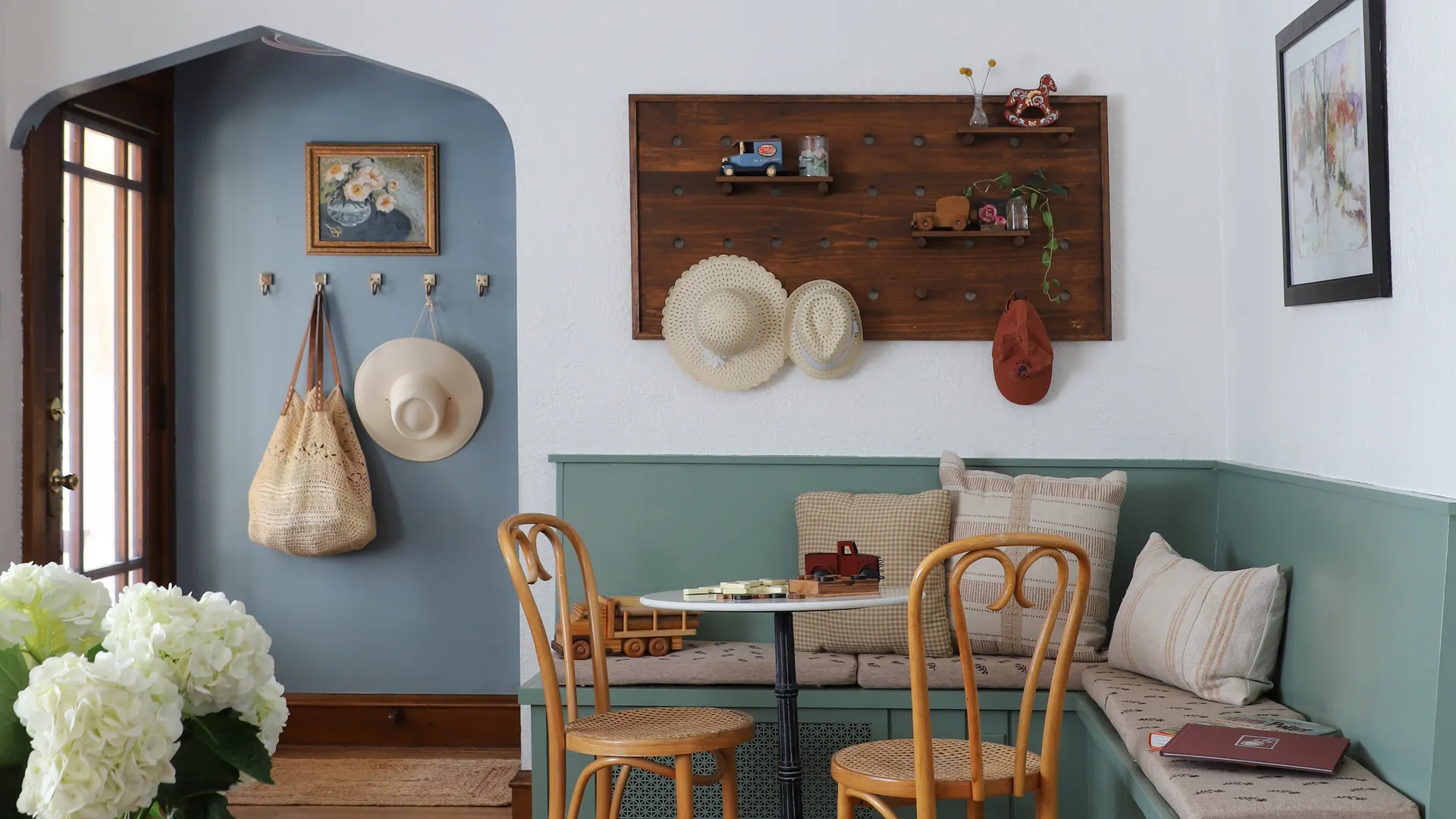
Neglecting entryways and drop zones is a fast way to make your whole home feel disorganized. These spaces absorb shoes, bags, outerwear, mail, and packages, often without any structure. When there are no hooks, trays, or shelves to catch the daily influx, items spread to nearby surfaces and floors. Organizing experts frequently start with these high-traffic areas, because small changes there have an outsized impact on how the entire home functions.
Adding a bench with storage, a row of sturdy hooks, and a single surface for keys and mail can transform a chaotic entry into a controlled landing pad. Clear limits, like one hook per person and a defined spot for returns or outgoing items, prevent buildup. Since every trip in and out of the house passes through this zone, improving it reduces tripping hazards, speeds up departures, and sets a visual tone of order the moment you walk through the door.
13) You Do Not Adjust Systems When Your Life or Household Changes
Clinging to old organizing systems after your life changes can quietly erode order. A setup that worked when you lived alone may fail once you have a partner, roommates, or children. Shifts in work schedules, health, or hobbies also change what you use most and how often you are home. When systems stay static, they stop matching your routines, and you naturally stop following them, which looks like “messiness” but is really a sign that the structure needs updating.
Regularly reviewing your spaces with fresh eyes helps you catch these mismatches early. You might need more pantry space for packed lunches, a dedicated home office zone, or fewer formal serving pieces if you entertain less. Treating organization as something that evolves with you keeps your home supportive instead of restrictive. The broader implication is that flexibility, not perfection, is what sustains a truly organized home over the long term.
14) You Aim for Pinterest Perfection Instead of Practical Progress
Chasing picture-perfect organization can paradoxically keep you from getting organized at all. When you feel that every drawer must look like a color-coordinated grid, it is easy to delay starting until you have the “right” products, time, or budget. Professionals often emphasize function first, aesthetics second, because a simple, slightly mismatched system you use daily is far more valuable than a beautiful setup you never finish or cannot maintain.
Reframing your goal as “better than before” rather than flawless opens the door to steady progress. You might begin with repurposed boxes, edit one shelf at a time, or focus on the most frustrating corner of a room instead of the entire space. Over time, you can upgrade containers or refine categories, but the core win is a home that works for your real life. That mindset shift reduces pressure, encourages experimentation, and makes organization feel achievable instead of all-or-nothing.
More from Decluttering Mom: