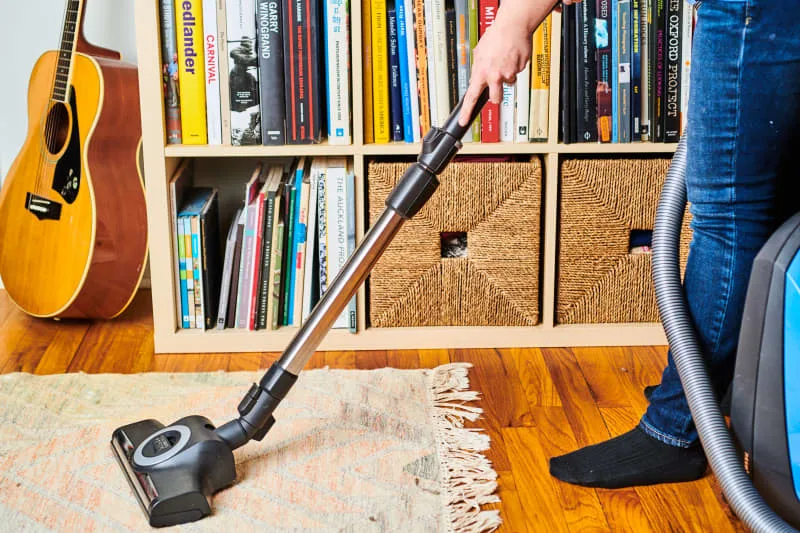
Keeping your home clean is not just about appearances, it is about controlling hidden germs and grime that quietly undo your hard work. Everyday habits and overlooked items can spread bacteria, dust and residue faster than you can wipe it away, making your space feel perpetually messy. By understanding the specific culprits that are dirtier than you think, you can adjust your routine and finally get ahead of the mess.
1) The TV Remote’s Hidden Germs
The TV remote is one of the most deceptively dirty objects in your home, and it can make your cleaning routine feel pointless. Researchers found that TV remotes harbored 290 CFU (colony-forming units) per square centimeter, while toilet seats had just 12.4 CFU, showing how much bacteria builds up on this tiny device. Because you touch it while eating, after coming home, and when you are sick, those germs easily transfer to sofa cushions, side tables and blankets.
When you skip disinfecting the remote, you keep reintroducing bacteria to freshly cleaned surfaces, which undermines your efforts to keep the living room sanitary. Regularly wiping remotes with an alcohol-based disinfectant and reminding family members to wash their hands before settling in can significantly cut down on this invisible contamination loop.
2) Tracking in Outdoor Dirt with Shoes
Leaving your shoes on indoors is a habit that quietly spreads dirt and germs across every room. Professional cleaners cited in habits that make homes dirtier warn that soles pick up soil, street grime and bacteria outside, then grind them into carpets and hard floors. Once that debris is inside, it does not just sit at the entryway, it gets tracked into bedrooms, hallways and even onto rugs where children play.
This constant influx of outdoor contamination means you have to vacuum and mop more often just to maintain the same level of cleanliness. Setting up a shoe rack by the door, offering slippers to guests and enforcing a no-shoes rule can dramatically reduce how much dirt enters, making every subsequent cleaning session more effective and less time consuming.
3) Subpar Hard Floor Cleaning Tools
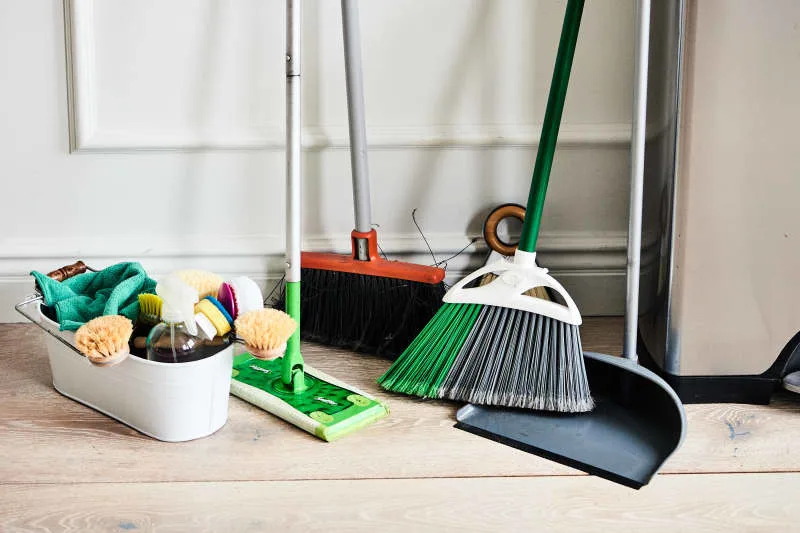
Using basic or outdated hard floor cleaning tools can leave a stubborn film that makes your home look dull even after you clean. Reviews of the best hard floor cleaners highlight how some models lift grime and dry quickly, while cheaper options simply push dirty water around. When your mop or cleaner cannot properly extract residue, it leaves behind streaks that attract more dust and pet hair.
Over time, this residue buildup makes floors feel sticky and look perpetually smudged, no matter how often you go over them. Investing in a well-designed hard floor cleaner that matches your surface type, whether sealed tile, vinyl or laminate, helps you remove dirt in one pass instead of layering grime, which keeps the rest of your cleaning routine from turning into a losing battle.
4) Kitchen Sponges as Bacteria Havens
Kitchen sponges are notorious for harboring more germs than many bathroom fixtures, including toilet seats. Reporting on household items dirtier than toilets notes that frequently used sponges stay damp and loaded with food particles, creating ideal conditions for bacteria to multiply. Every time you wipe a counter or rinse a dish with a contaminated sponge, you risk spreading microbes instead of removing them.
This constant cross-contamination makes it harder to keep kitchen surfaces genuinely clean, even if you wipe them several times a day. Rotating sponges frequently, microwaving or sanitizing them as directed, and switching to washable cloths or brushes that dry quickly can cut down on bacterial buildup and help your disinfectants actually do their job.
5) Ignoring Dust on Ceilings and Fans
Ceilings, fan blades and high shelves are easy to forget, but neglecting them lets dust and allergens rain down on the rest of your home. Professional cleaners in coverage of everyday items that get grimy emphasize that these elevated surfaces collect layers of particles that are disturbed every time a fan spins or a door slams. That fallout settles on furniture, bedding and floors you just cleaned.
When you only dust at eye level, you are constantly chasing the same particles as they recirculate, which can aggravate allergies and make rooms feel stuffy. Using an extendable duster on ceiling corners, vents and fan blades as part of your regular routine interrupts this cycle, so your weekly cleaning actually stays visible for more than a day.
6) Wrong Mop Choices for Tile or Laminate
Choosing the wrong mop or cleaning head for tile or laminate floors can leave behind streaks and a cloudy film that makes rooms look dirty even when they are freshly cleaned. Guidance on staying safe from germs stresses that the right tools help remove contaminants instead of smearing them around. String mops that stay overly wet, for example, can push dirty water into grout lines or laminate seams.
That residue not only dulls the finish but also traps more dust and pet dander, so floors seem to re-soil almost immediately. Switching to microfiber pads designed for your specific surface and wringing them thoroughly keeps moisture controlled, reduces streaking and prevents grime from becoming embedded, which makes every subsequent sweep and mop more efficient.
7) Smartphone Screens’ Constant Contamination
Your smartphone is one of the dirtiest items you touch all day, and it can quietly sabotage your cleaning efforts. Scientists at the University of Arizona found that cell phones carry 10 times more bacteria than most toilet seats, in part because Human skin constantly transfers microbes to the screen. You set that phone on kitchen counters, desks and nightstands, then touch those surfaces again while eating or tidying.
Without regular disinfection, the phone becomes a mobile contamination source that re-seeds freshly wiped areas with every tap and swipe. Using alcohol-based wipes approved for electronics and making a habit of cleaning your phone alongside high-touch surfaces helps break this cycle and keeps your home from being re-contaminated by your own tech.
8) Washing Too Many Clothes at Once
Overloading the washing machine might seem like a time saver, but it can leave clothes and linens less clean and spread lint and allergens around your home. Professional cleaners who flag household items that harbor bacteria note that cramped loads prevent detergent and water from circulating properly. Fabrics rub together without enough space, which can grind soil deeper into fibers instead of rinsing it away.
When items come out only partially cleaned, they can carry lingering odors and particles that transfer to closets, drawers and upholstery. Running smaller loads, following machine capacity guidelines and cleaning the washer drum and filter regularly helps ensure laundry actually emerges fresh, so it contributes to a cleaner home instead of reintroducing musty smells and dust.
9) Mismatched Cleaners for Wood Floors
Using generic or harsh cleaners on hardwood floors can damage the finish and leave behind grime that is harder to remove over time. Testing of how dirty surfaces can get underscores that the wrong products may strip protective coatings or leave sticky residues. When wood loses its sealed barrier, dirt and spills soak in more easily, making stains and dull patches a recurring problem.
This kind of damage means you have to work harder with each cleaning session, yet the floors never quite look polished. Choosing pH-balanced solutions specifically labeled for sealed hardwood and applying them with a lightly damp microfiber pad protects the finish, keeps soil on the surface where it can be lifted and preserves that just-cleaned look longer.
10) Keyboard Crumbs and Dust Buildup
Computer keyboards are another everyday item that can be dirtier than a toilet seat, and they constantly shed debris onto nearby surfaces. Coverage of everyday items in your home that are dirtier explains that crumbs, skin flakes and dust settle between keys, where they mix with bacteria from frequent hand contact. Each keystroke can dislodge particles that drift onto desks, mouse pads and even your lap.
That fallout makes workspaces feel grimy quickly, even if you wipe them down regularly. Turning the keyboard upside down to shake out debris, using compressed air and occasionally disinfecting the key surfaces helps control this micro-mess, so your home office does not constantly undermine your broader cleaning routine.
11) Letting Grout in Showers Discolor
Delaying grout cleaning in showers and bathroom floors allows mold and soap scum to take hold, which can make the entire room feel dirty. Professional cleaners who warn about how germs spread point out that porous grout lines trap moisture and residue, giving mildew a foothold. Once discoloration sets in, it often requires stronger products and more scrubbing to restore the original color.
That buildup also spreads visually, making even freshly scrubbed tiles look dingy by comparison. Addressing grout weekly with a mild cleaner and a small brush, and keeping the area as dry as possible between showers, prevents deep staining and keeps the rest of your bathroom cleaning from feeling like an endless, uphill battle.
12) Underpowered Vacuums for Floor Prep
Using an underpowered vacuum on hard floors leaves behind fine grit that scratches surfaces and makes mopping less effective. Reviews of filthy surfaces that spread germs highlight how inadequate suction fails to pull up embedded particles from cracks and along baseboards. When that debris remains, your mop simply drags it around, creating streaks and micro-scratches.
Over time, those tiny scratches trap even more dirt, so floors look dull and dirty shortly after cleaning. Choosing a vacuum with a hard-floor setting, strong suction and proper filtration, and using it before every wet clean, helps remove the grit that sabotages your efforts and keeps your flooring looking smoother and cleaner between deep cleans.
13) Bathroom Toothbrush Splash Zones
Toothbrushes stored in open holders near toilets can accumulate contamination levels that rival or exceed toilet seats, thanks to airborne particles. Reporting on items dirtier than a toilet seat notes that moisture and proximity to flushing create a perfect environment for germs to land on bristles and handles. Every time you pick up that brush, you transfer whatever settled there to your hands and sink area.
Those invisible splashes make it harder to keep vanities and faucets hygienic, even if you wipe them daily. Storing toothbrushes inside a cabinet, closing the lid before flushing and rinsing holders frequently reduces this contamination, helping your bathroom stay genuinely clean instead of just looking tidy on the surface.
14) Cooking Without Proper Exhaust
Skipping the range hood or failing to open a window while cooking lets grease, steam and odors linger, coating nearby surfaces with a sticky film. Experts who describe how germs thrive in kitchens point out that airborne particles from frying and simmering settle on cabinets, backsplashes and even ceilings. That residue traps dust and makes every wipe-down feel like a heavy-duty degreasing job.
When ventilation is poor, you also end up with lingering smells that signal just how much buildup is clinging to surfaces. Using the exhaust fan every time you cook, cleaning or replacing filters regularly and cracking a window when possible helps vent moisture and grease, so routine cleaning becomes quicker and your kitchen stays fresher between deep scrubs.
More from Decluttering Mom: