Most homes are packed with items that are technically useful but practically just sitting in bins, drawers, and storage units. When you look closely, a surprising share of what you keep is less about daily life and more about managing piles of “just in case” stuff. The real shift comes when you stop asking how to store it all and start asking which things are more storage project than genuine necessity.
Viewed through that lens, certain categories jump out as prime candidates for a reset, from duplicate gadgets and hobby supplies to decorative organizers and off-site storage itself. Once you see how these things quietly consume space, time, and money, it becomes easier to decide what earns a place in your home and what is simply clutter with better branding.
1. Duplicate “Backup” Items You Never Actually Use
One of the fastest ways to fill closets is to keep multiples of the same item “just in case,” even though you consistently reach for the same favorite version. Extra spatulas, spare sets of sheets, backup handbags, and three nearly identical black coats all feel rational in the moment, but they function more as insurance policies than daily tools. Decluttering experts routinely flag Duplicate items as low risk to let go of, because you rarely miss the third or fourth copy of something you already own.
When you keep every extra, you are not organizing your life, you are organizing your indecision. Lists of Things To Declutter And Let Go Of This Year often start with duplicates, anything with tags still hanging, and Clothes that do not fit, precisely because they occupy prime space without adding function. Before you buy another storage bin, line up your multiples and choose the one or two you actually use. The rest are not backups, they are space takers.
2. Organizing Gear That Exists Only To Hold More Stuff
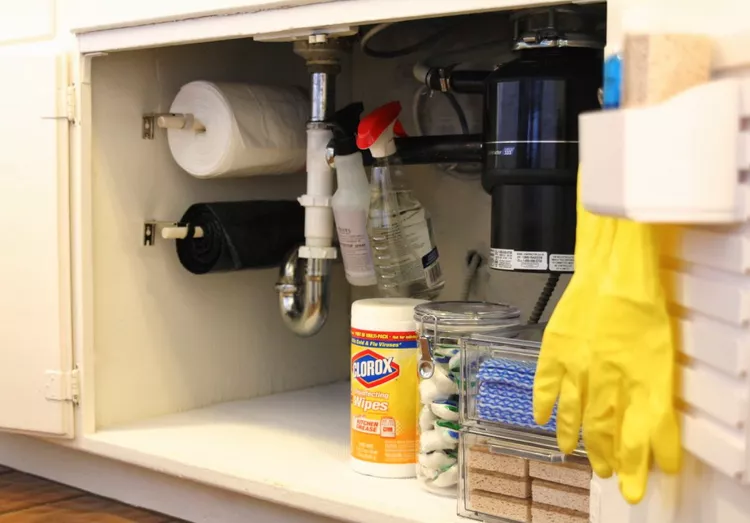
It is easy to believe that the right basket, bin, or drawer system will finally solve clutter, but many organizing products simply give your excess a more polished parking spot. Professional organizers like Jan warn that you cannot containerize your way out of owning too much, and that buying more boxes often delays the harder decision of what to release. When every shelf is lined with labeled tubs, you are curating a storage museum, not simplifying your home.
Some of the trendiest “solutions” are especially guilty of this. Decorative crates, tiered racks, and specialty holders are marketed as efficient but quickly become visual and physical clutter. One breakdown of supposedly clever household buys points out how a distressed wine crate or similar “multiuse” piece can feel charming at first, then turn cumbersome and stressful very quickly once it is just another thing to dust and work around. If a container’s main job is to justify keeping more, it is not a necessity, it is a prop.
3. Hobby Supplies For Projects You Rarely Start
Few categories balloon faster than aspirational hobbies. You might own bins of yarn, stacks of scrapbooking paper, or drawers of specialty tools because you like the idea of being a person who crafts, repairs, or builds. A widely shared decluttering thread calls out Hobby stuff like glue, fabric, glitter, wood objects, paint, yarn, unused tools, and anything “waiting to be fixed or polished” as some of the most common hidden clutter.
These items are not useless, but if months pass without you touching them, they are functioning as storage projects, not active parts of your life. The emotional hook is strong, because letting go can feel like giving up on a version of yourself. That is where the question raised in one Comments Section becomes clarifying: what do you value more, the space or the item. If the supplies are costing you a clear work surface, a calmer closet, or the ability to find what you need, the space may be the better investment.
4. Paper Piles And “Important” Documents You Never Revisit
Paper clutter has a way of feeling essential, even when most of it is outdated or duplicated digitally. Bills you have already paid, expired warranties, old school notices, and thick folders of printed bank statements can stack up for years. Home organization guides note that so much household clutter is Documents, and that once it accumulates it becomes hard to sort, even though you do not need to keep most of it.
When every flat surface doubles as an inbox, you are not protecting your records, you are burying them. A more selective approach, keeping only what you legally or practically need and scanning the rest, turns paper from a storage burden into a manageable file. Decluttering checklists that cover how to Reduce Bulk with Books, Media, and Decor often include paper as a category to aggressively thin out, because the value of a clear desk or dining table usually outweighs the comfort of keeping every sheet.
5. Outdated Technology And Old Media
Electronics are another category where “might need it someday” quietly turns into boxes of dead weight. Old smartphones, tangled chargers, retired laptops, and that unused fax machine in the corner all feel too valuable to toss, yet they rarely serve a real purpose once you have upgraded. Lists of space wasters highlight Outdated Technology like cordless phones and obsolete office gear as prime examples of items that linger long after their usefulness.
The same pattern shows up with physical media. Shelves of DVDs, CDs, and video games that you now stream or download are essentially a personal archive, not a daily resource. Pre-move guides that explain How to trim Reduce Bulk with entertainment collections often recommend keeping only favorites and donating or selling the rest. Once your photos, music, and documents are backed up elsewhere, the physical devices and discs are mostly taking up shelves and mental bandwidth.
6. Decorative Storage That Pretends To Be Furniture
Some of the most seductive clutter comes disguised as decor. Trunks at the foot of the bed, oversized ottomans with hidden compartments, and stacked vintage suitcases promise both style and storage. In practice, they often become catchalls for things you do not want to sort. A breakdown of household buys that were supposed to be efficient points to items like a vintage wine crate that seemed versatile at first but quickly turned into something that was simply cumbersome and stressful very quickly.
There is nothing wrong with attractive storage, but when a piece exists mainly to justify keeping more, it stops being furniture and starts being a very large box. Minimalist decluttering lists that run through Anything that no longer serves you often include decorative extras that looked clever in a catalog but rarely earn their footprint. Before you bring home another storage ottoman, ask whether you are solving a real problem or just creating a prettier place to hide things you already know you could release.
7. “Someday” Household Items And Party Supplies
Another quiet category of more-storage-than-necessity is the stash of items you keep for hypothetical future events. Extra sets of paper plates, themed napkins, novelty glasses, and backup serving dishes can easily fill a pantry or cabinet, even if you host only a few times a year. One decluttering guide on owning too much points out that you probably have far more of these than you need and suggests you Repurpose usable plastic containers to store small items instead of buying more, while also questioning how many Paper and plastic dishes you actually need on hand.
These “someday” items feel practical, but they often reflect a fear of being unprepared more than a realistic assessment of your hosting habits. Broader downsizing advice aimed at families and older adults starts from the blunt reality that Let’s face it, most of us have too much “stuff,” and that is obvious when you Just look in closets and garages. If a shelf of party gear has not been touched in years, it is functioning as a storage shrine to hypothetical gatherings, not as a real asset to your daily life.
8. Off-Site Storage Units That Prolong Decisions
Self storage can be a useful short term tool during a move or renovation, but for many households it quietly becomes a long term holding pen for postponed choices. Industry guides are upfront that a unit can hold a wide range of Household Items such as Furniture, appliances, home decor, electronics, instruments, and moving boxes, and that you CAN store almost anything that is not perishable or hazardous. That flexibility is exactly why it is so easy to keep paying for space filled with things you rarely see.
Advocates for using storage units emphasize that they free up space at home and help you stay more organized, noting that a unit Not only clears rooms but can keep your home tidier and reduce clutter. The tradeoff is that if you never revisit what you stored, you are essentially paying rent for indecision. Before signing another yearlong contract, it is worth asking how much of what sits in that unit is truly essential and how much is there because it was easier to move the problem than to solve it.
9. When Storage Becomes A Lifestyle Instead Of A Tool
At a certain point, the pattern becomes clear: you are not short on space because you lack clever hacks, you are short on space because you are curating more possessions than your home can comfortably hold. Decluttering coaches often recommend starting with easy wins, such as the 12 Items that are simple to part with and instantly open up your home, or the 75 categories of things that can go this year. Others, like Jan, stress that organizing alone will not fix a clutter problem if you never reduce what you own.
Smart storage absolutely has a place, especially in small homes. Thoughtful ideas like adding shelves for books, decor, or even a mini library can keep essentials within reach without crowding your floors. The key is to treat those solutions as support for a life built around what you truly use and love, not as infrastructure for an ever growing archive. When you start evaluating each category through the lens of whether it serves your current daily reality, the line between necessary storage and stored clutter becomes much easier to see.
More from Decluttering Mom: