Your home can feel cozy and personal while still looking current, but certain choices instantly age a space in photos and in person. Designers point to specific habits, from clinging to sentimental clutter to stripping away original character, that quietly make rooms look stuck in the past. Use these 14 common missteps as a checklist to edit what you own, update what matters, and protect the details that keep your home feeling timeless instead of tired.
1) Clinging to Sentimental Collectibles
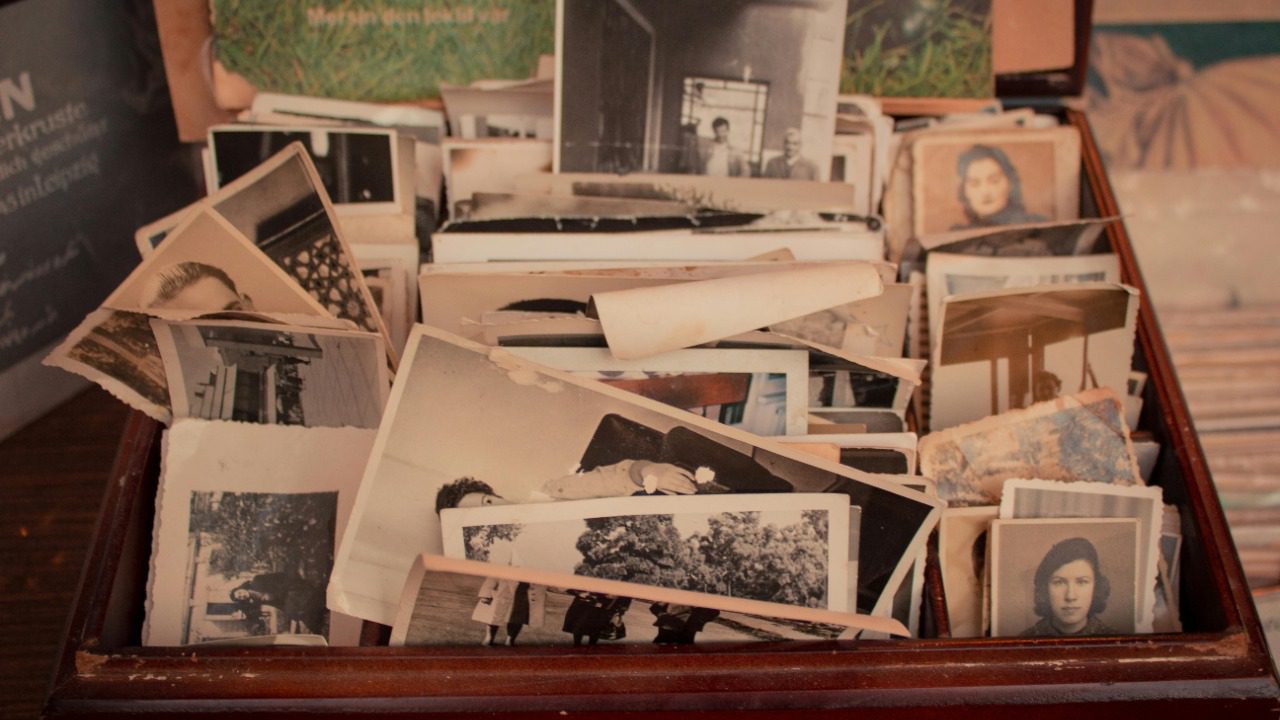
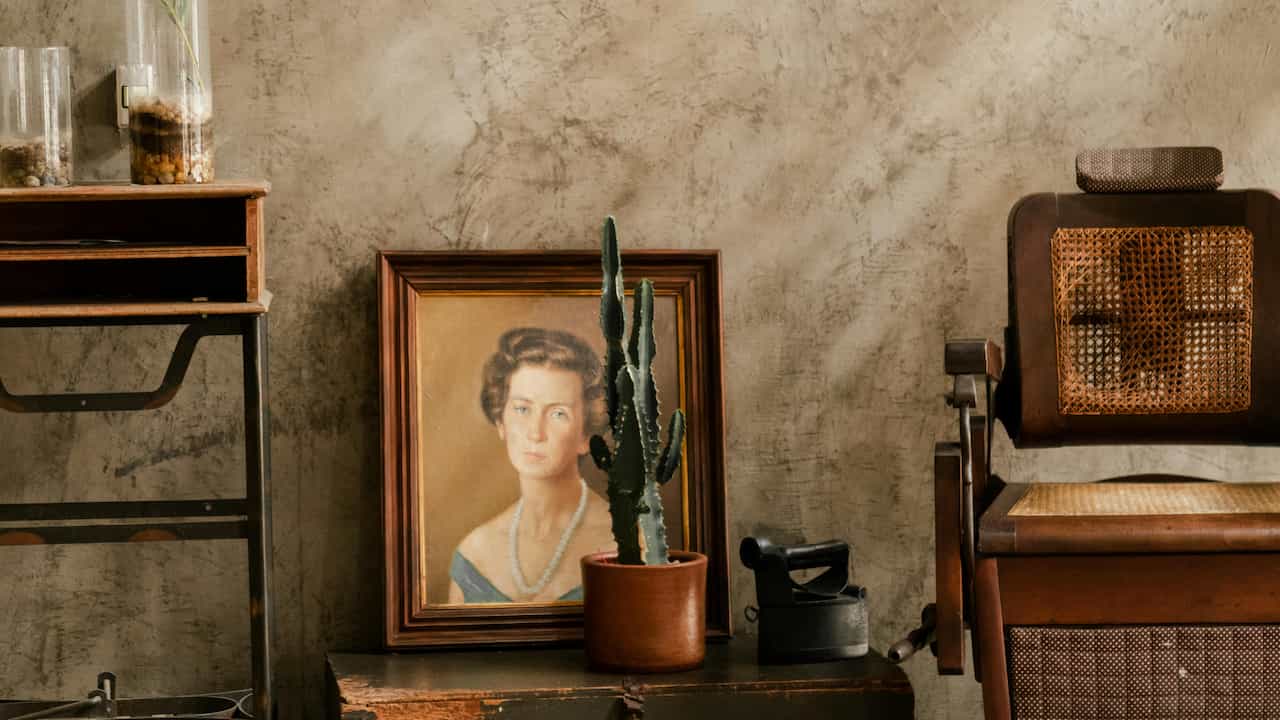
Clinging to sentimental collectibles is one of the fastest ways to make your home look outdated, even if you keep everything spotless. Designers warn that when every surface is covered in framed snapshots, inherited figurines, or childhood trophies, the overall effect reads more like a time capsule than a lived-in home. Reporting on sentimental clutter stresses that the issue is not the memories themselves but how many items you display at once.
Editing these pieces is a visual reset that immediately modernizes a room. You might keep one shelf of your grandmother’s teacups instead of an entire china cabinet, or curate a single gallery wall instead of scattering photos in mismatched frames. When you pare back, the sentimental items you do keep feel intentional and special, and buyers or guests can appreciate your architecture and furnishings instead of being overwhelmed by personal history.
2) Overloading with Nostalgic Keepsakes
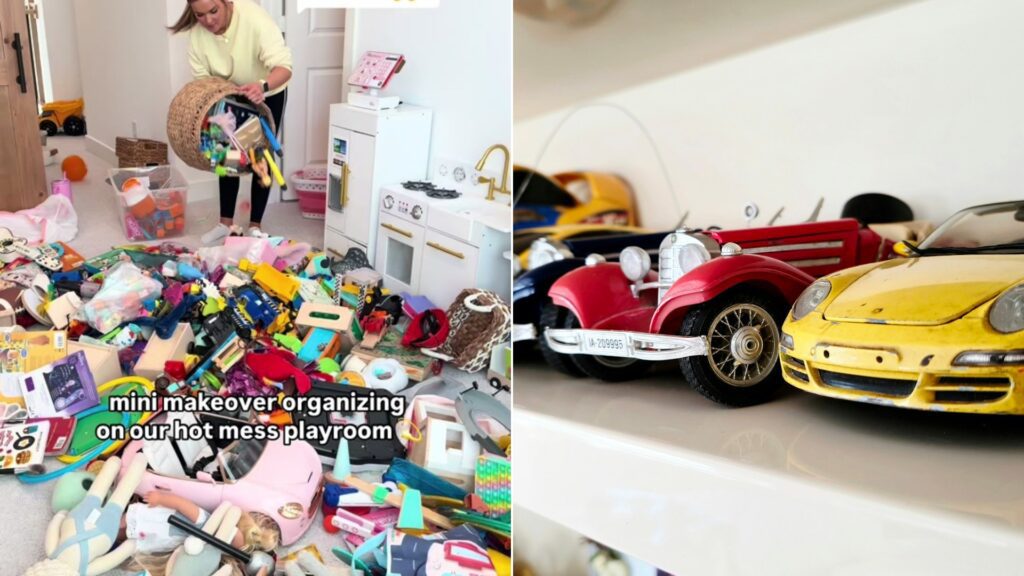
Overloading with nostalgic keepsakes takes that same sentimental impulse and spreads it into every corner, from closets to coffee tables. The guidance on sentimental items to toss before they age your home emphasizes that boxes of old party favors, stacks of unused greeting cards, and decades of kids’ artwork can quietly crowd out functional storage. When every drawer is jammed with mementos, you are more likely to leave everyday items in view, which compounds visual clutter.
To keep your home from looking frozen in an earlier chapter of your life, treat nostalgia like a curated collection instead of an archive. Photograph bulky items, keep a slim file of truly meaningful paper keepsakes, and rotate a few favorite pieces into frames or shadow boxes. This approach respects your memories while freeing up space for streamlined furniture, updated lighting, and clear surfaces that signal a fresher, more current interior.
3) Sticking with Faded Bathroom Fixtures
Sticking with faded bathroom fixtures is another subtle way your home can look older than it is. Reporting on bathroom decor that will look severely outdated in 2025 highlights how tired finishes, discolored grout, and worn hardware instantly date a space, even if the layout is functional. Yellowed plastic towel bars, builder-grade light strips, and cloudy glass shower doors all signal that a bathroom has not been touched in years.
Refreshing these elements does not always require a full renovation. Swapping in new metal hardware, replacing a pitted faucet, or upgrading to a simple framed mirror can align your bathroom with more timeless choices that design experts recommend in videos like Timeless bathroom trends. Because bathrooms are high-impact rooms for resale, ignoring these fixtures can hurt both perceived cleanliness and property value.
4) Ignoring Modern Bathroom Trends
Ignoring modern bathroom trends, especially the ones designers flag as aging interiors in 2025, can leave your space feeling stuck in a specific decade. Coverage of bathroom decor that dates quickly points to overly themed spaces, busy accent tiles, and trend-heavy colors that lose appeal fast. When you cling to vessel sinks, ornate vanities, or heavy faux finishes, the room can feel more like a set from an older TV show than a current home.
Designers increasingly favor calm, simple palettes and clean-lined fixtures that will not look tired in a few years, a shift echoed in broader rundowns of outdated bathroom decor. If you are planning updates, focus on neutral tile, classic shapes, and quality materials, then layer personality with art, towels, and accessories that are easy to swap. This strategy keeps your bathroom feeling fresh without locking you into a short-lived look.
5) Retaining Over-50 Clutter Traps
Retaining over-50 clutter traps is a specific concern designers raise for homeowners who have simply accumulated more stuff over time. Reporting on outdated things people over 50 should never have in their homes notes that bulky entertainment centers, sagging recliners, and overstuffed matching furniture sets can make rooms feel heavy and dated. These pieces often dominate floor plans, limit natural light, and leave little room for flexible seating or modern storage.
As you edit, pay attention to items that no longer fit how you live now, such as formal dining sets used once a year or large collections of DVDs that have been replaced by streaming. Designers advising on decor to ditch after 50 suggest prioritizing comfort and accessibility without sacrificing style. Lighter silhouettes, mixed materials, and updated textiles can make your home feel both age-appropriate and visually current.
6) Hoarding Age-Inappropriate Decor
Hoarding age-inappropriate decor is slightly different from clutter traps, because the issue is not just quantity but message. Pieces that felt fun in your twenties, like novelty bar signs, inflatable furniture, or dorm-style string lights, can undermine a sophisticated envelope once you are decades past that stage. Designers caution that when these items linger, they clash with more grown-up investments like quality sofas, rugs, and art.
Guidance on what to let go after 50 stresses that your home should reflect who you are now, not who you were in a first apartment. Replacing kitschy accessories with framed photography, real lamps, and substantial side tables instantly elevates a room. The shift also affects how others perceive your space, signaling that you take both comfort and design seriously rather than treating your home like a temporary stopover.
7) Falling for 2025 Design Icks
Falling for 2025 design “icks” is a risk even if you follow trends closely, because some popular looks are already being flagged as aging interiors. Designers interviewed about what is making homes look dated in 2025 point to overused motifs, such as overly coordinated furniture sets, generic wall art, and one-note color schemes that flatten a room. When every space in your home leans on the same safe gray or the same mass-market decor, it can feel lifeless and behind the curve.
Instead, experts recommend layering texture, mixing old and new pieces, and personalizing rooms with meaningful objects rather than defaulting to whatever is trending on social media. Coverage of design icks emphasizes that timeless style usually involves a mix of materials and eras. By resisting short-lived fads, you reduce the risk that your home will look instantly timestamped a year or two from now.
8) Overlooking Aging Interior Elements
Overlooking aging interior elements, such as worn flooring, yellowed trim paint, or dated light fixtures, can quietly drag down every room. Designers discussing what is aging interiors in 2025 note that even if you buy new furniture, old finishes will still broadcast the home’s age. Fluorescent box lights in kitchens, orange-toned woodwork, and builder-basic flush mounts are all small details that collectively make spaces feel tired.
Addressing these elements does not always require a full gut renovation. Painting trim a crisp neutral, replacing a few key light fixtures, or refinishing a scratched floor can dramatically shift the overall impression. When you prioritize these background updates, your newer pieces have a chance to shine, and the home reads as cared for rather than neglected, which matters for both daily enjoyment and eventual resale.
9) Skipping High-ROI Kitchen Refresh
Skipping a high-ROI kitchen refresh can leave one of your most important rooms looking dated and hurt your bottom line. Reporting on top home updates that pay off in 2024 highlights how strategic kitchen improvements, such as updated countertops, refreshed cabinets, and modern appliances, deliver strong returns. If you ignore these areas, you are effectively choosing the opposite, keeping laminate counters, worn doors, and aging ranges that signal an outdated home.
Even modest changes, like painting cabinets, swapping hardware, or installing a new backsplash, can align your kitchen with the kind of value-boosting updates buyers expect. Because kitchens are central to how people live and entertain, a dated one can overshadow improvements elsewhere. Investing here helps your home feel current, functional, and competitive in a crowded market.
10) Neglecting Curb Appeal Boosts
Neglecting curb appeal boosts has a similar aging effect on the exterior of your home. The same reporting on high-impact updates underscores that fresh paint, updated front doors, and improved landscaping are among the projects that pay off. When you skip these, you are left with peeling trim, faded siding, and overgrown shrubs that make the property look older and less cared for than it is.
Simple upgrades, such as modern house numbers, new exterior lighting, and a clean walkway, can dramatically change first impressions. Because curb appeal sets expectations before anyone steps inside, an outdated exterior can color how people view every interior room. Treating the front of your home as part of your overall design strategy keeps the entire property from feeling stuck in a previous decade.
11) Holding Onto Pre-2026 Relics
Holding onto pre-2026 relics, especially decor items already being flagged as on their way out, can quickly date your rooms. Reporting on outdated home decor to replace before 2026 calls out pieces like overly distressed furniture, word art signs, and certain mass-produced farmhouse accessories that have saturated the market. When these items dominate your shelves and walls, they tie your home to a specific trend cycle that is already fading.
Replacing them with more classic alternatives, such as solid wood tables, original artwork, or simple ceramics, helps your space age more gracefully. The goal is not to chase every new look but to phase out items that feel more like clichés than personal style. As you do, your rooms start to reflect your taste rather than a moment in retail history, which keeps them feeling fresher for longer.
12) Clinging to Fading Wall Treatments
Clinging to fading wall treatments is another way your home can lag behind current standards. Coverage of decor to replace before 2026 notes that certain wall choices, such as heavy faux finishes, dark accent walls in every room, or dated wallpaper patterns, are losing favor. When these treatments show wear, like peeling seams or scuffed paint, the effect is even more pronounced, making spaces feel smaller and older.
Updating walls is one of the most cost-effective ways to modernize a home. Opting for lighter, more versatile colors or subtle, high-quality wallpaper can brighten rooms and provide a clean backdrop for furniture and art. Designers advising on outdated decor consistently point to walls as a smart starting point, because the change is visible in every photo and walkthrough.
13) Modernizing Historic Architectural Details
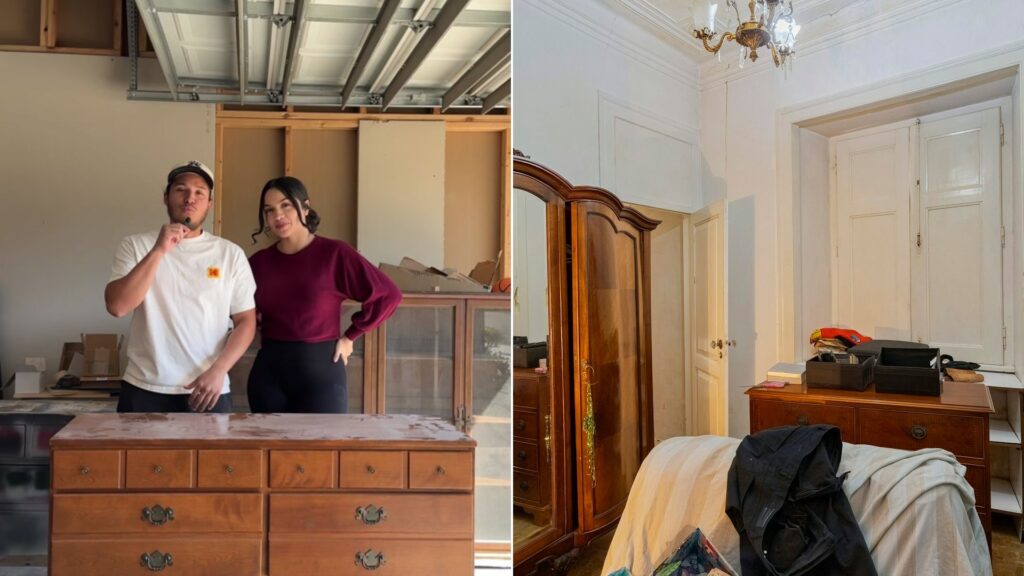
Modernizing historic architectural details can ironically make an older home look more dated, not less. Designers who focus on preserving character stress that original moldings, plasterwork, and millwork are assets you should always try to save. Reporting on elements to preserve in an old home notes that ripping out these features in favor of generic replacements erases the very charm that makes the property special.
Instead of flattening everything into a bland, contemporary shell, experts recommend repairing and highlighting details like paneled doors, built-in cabinetry, and period trim. When you pair these with updated lighting and furnishings, the contrast feels intentional and timeless. Stripping them away, on the other hand, often results in a space that looks like a dated renovation rather than a thoughtfully maintained home with history.
14) Altering Original Period Fixtures
Altering original period fixtures, such as vintage light fittings, hardware, and fireplaces, can have a similar aging effect. Designers interviewed about what to preserve in old homes argue that these pieces anchor a property in its era and provide a richness that is hard to replicate. When you replace a classic pendant with a generic flush mount or cover a brick fireplace with trendy tile, the result can feel both off-balance and quickly outdated.
Thoughtful updates, like rewiring old fixtures for safety or adding efficient inserts to historic fireplaces, allow you to keep the character while meeting modern needs. Guidance on preserving original elements emphasizes that these details are often what buyers remember most. Protecting them, rather than swapping them for short-lived trends, helps your home feel enduring instead of perpetually mid-renovation.