Parenthood brings a steady stream of stuff into your home, and without a plan, even the most organized space can tip into chaos. The key is to declutter aggressively where items are replaceable while still protecting the sentimental and potential financial value that thoughtful experts urge you to preserve in a parents’ house. These 14 categories show you what to clear out now so your home stays livable, while still honoring the belongings that truly matter.
1) Outgrown Baby Clothes
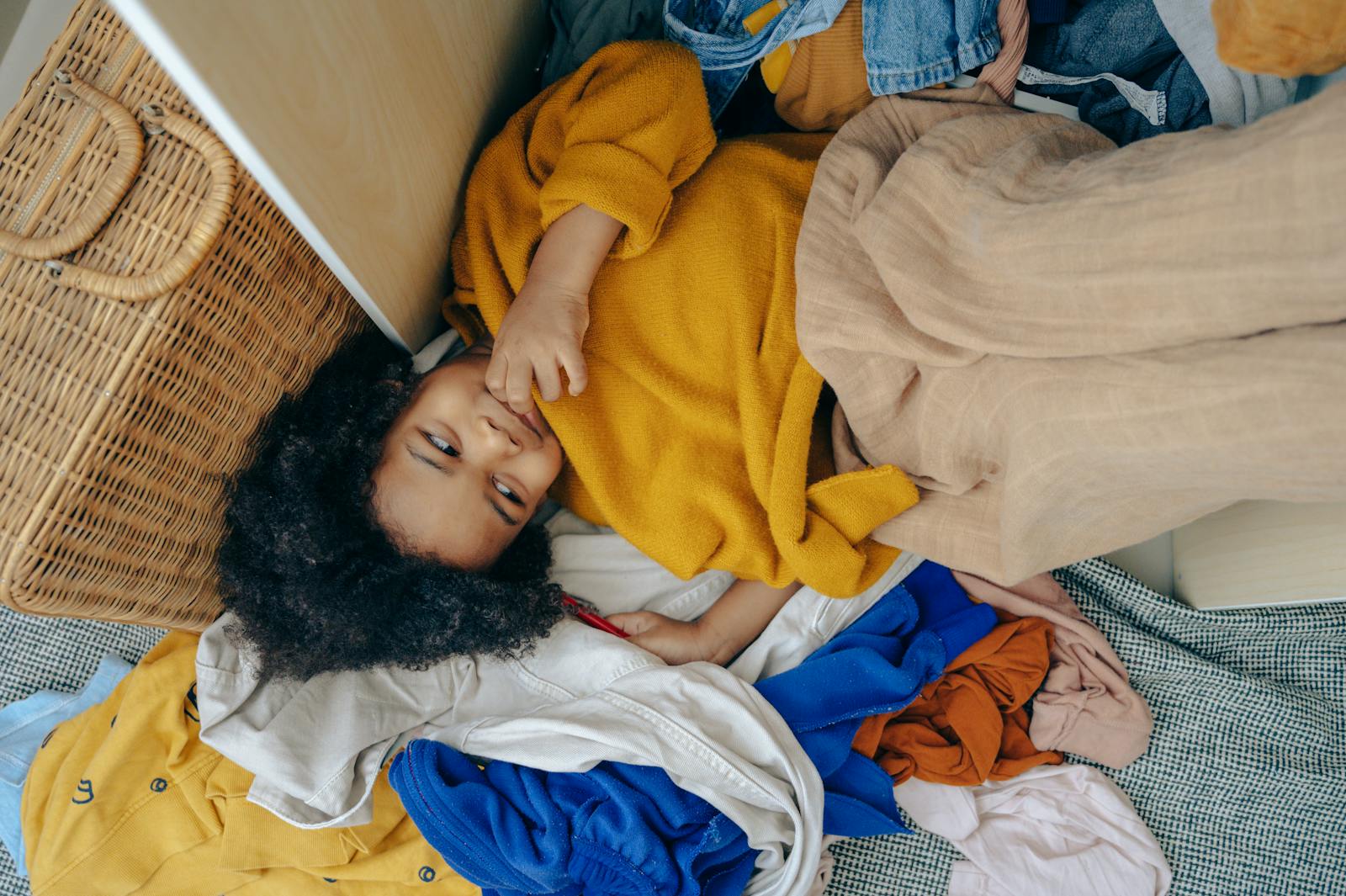
Outgrown baby clothes are one of the fastest ways a family home becomes overwhelmed, because tiny outfits multiply quickly and linger long after your child has sized up. Guidance on what to keep in a parents’ house stresses that you should protect items with real sentimental or financial value, not every duplicate onesie that ever crossed the nursery. When you apply that same selective lens to your own closets, it becomes clear that only a small fraction of baby clothes deserve long-term storage.
A practical approach is to save a curated handful of milestone pieces, such as a first holiday outfit, and donate the rest so they can be used again instead of clogging bins. That mirrors the idea that you should be careful about what you discard from a parents’ home, but also realistic about what is truly irreplaceable. By letting go of non-sentimental duplicates, you free up space for items that actually support daily family life, rather than boxes of fabric you never open.
2) Excess Toys
Excess toys creep into every corner of a family house, from living room baskets to bedroom floors, and they can quickly overshadow the items that hold real meaning. Advice on what not to discard from a parents’ house highlights how easy it is to underestimate sentimental and potential financial value, which is exactly why you should separate a few cherished toys from the avalanche of plastic. When every stuffed animal and action figure is treated as equally important, your home fills up and your child’s favorites get lost in the noise.
Start by identifying toys that are genuinely irreplaceable to your child or that might one day carry the same weight as the carefully preserved items in a parents’ attic. Everything else, especially broken or ignored pieces, can be donated or recycled without guilt. This kind of mindful curation keeps playtime manageable and teaches kids that not every object is meant to be kept forever, a lesson that protects your space and their future relationship with clutter.
3) Duplicate Kitchen Utensils
Duplicate kitchen utensils are a classic source of hidden clutter, filling drawers and countertops with tools you rarely touch. Guidance on preserving items in a parents’ house emphasizes keeping essential household tools that are durable and useful, which implies that redundant gadgets do not deserve the same protection. When you open a drawer and see three identical spatulas or multiple garlic presses, you are looking at space that could be reclaimed without sacrificing function.
A simple audit, keeping only the best version of each tool, aligns with the idea that some household items are irreplaceable while others are easily swapped or re-bought if needed. This distinction matters for parents who cook daily and need clear, accessible workspaces rather than cluttered counters. By streamlining utensils to a core set that truly earns its place, you mirror the selective preservation recommended for older family homes and prevent your kitchen from becoming a storage unit for duplicates.
4) Old School Papers
Old school papers, artwork, and worksheets can quietly overrun a home office or hallway cabinet, especially when you feel guilty discarding anything your child created. Yet the same logic that encourages you to protect only the most meaningful items from a parents’ house applies here, because not every spelling test or finger painting carries long-term value. If you keep every piece, the sheer volume buries the few artifacts that might actually matter decades from now.
A balanced strategy is to select standout projects and awards to preserve physically, then digitize a broader sample so you can revisit memories without storing boxes of paper. This approach respects the sentimental weight of childhood milestones while acknowledging that paper is fragile and space is finite. By curating schoolwork instead of hoarding it, you prevent your home from feeling like an archive and keep surfaces clear for the work and creativity happening now.
5) Unused Sports Gear
Unused sports gear often lingers in garages and closets long after a child has switched interests or outgrown a league. Guidance on what to keep from a parents’ house underscores the importance of distinguishing between practical keepsakes and items that simply take up room, and forgotten equipment clearly falls into the latter category. When bats, pads, and helmets sit untouched season after season, they function more as clutter than as meaningful reminders of childhood.
Donating or selling gear that is still in good condition lets other families benefit while you reclaim storage space for items you actually use. This mirrors the idea that some belongings, like heirlooms or historically significant pieces, deserve careful preservation, while others are meant to circulate. Clearing out unused equipment also makes it easier to see what your family currently needs, preventing duplicate purchases and keeping your home from becoming a graveyard of past hobbies.
6) Baby Gear No Longer Needed
Baby gear like strollers, swings, and cribs is bulky, and once your child has moved past that stage, it can dominate basements and garages. Advice on handling items in a parents’ house warns against hasty disposal of things with lasting value, but it also implies that not every large object qualifies as a long-term keeper. When gear is purely functional and no longer needed, its main impact is on your square footage rather than your family history.
Passing along safe, usable items to friends, relatives, or community groups keeps them in circulation without overwhelming your own home. This approach respects the idea that some belongings should be preserved for future generations while recognizing that mass-produced baby equipment is usually replaceable. By letting go of these space-hungry pieces once they have served their purpose, you create room for the next phase of family life instead of living in a permanent nursery.
7) Expired Pantry Staples
Expired pantry staples are one of the easiest categories to declutter, yet they often linger because they are tucked behind newer items and forgotten. Guidance on what not to discard from a parents’ house focuses on sentimental and potential financial value, which expired food clearly lacks. In fact, outdated cans and boxes can create health risks and visual clutter, making it harder to see what you actually have and leading to unnecessary repeat purchases.
Regularly checking dates and clearing shelves of anything past its prime keeps your kitchen functional and safe, the opposite of a dusty storage space. Treating food as a rotating inventory rather than a permanent collection aligns with the idea that only certain household items deserve long-term preservation. By discarding expired staples, you protect your family’s well-being and free up room for fresh ingredients that support daily routines instead of silently overwhelming your cupboards.
8) Old Magazines and Catalogs
Old magazines and catalogs stack up quickly, often justified as “reference” material that you rarely, if ever, consult. When experts caution that people underestimate the sentimental and financial value of certain items in a parents’ house, they are not talking about months-old mailers. These paper piles usually have no lasting worth, yet they occupy shelves, coffee tables, and nightstands, visually crowding every room they touch.
Recycling back issues and outdated catalogs while keeping only a few truly meaningful issues mirrors the selective approach recommended for older family homes. It also aligns with advice on overlooked clutter, which notes that getting rid of things you will not miss can free up both space and mental bandwidth. By clearing these stacks, you reveal surfaces, reduce dust, and make room for items that genuinely support your current life instead of advertising past seasons.
9) Unused Craft Supplies
Unused craft supplies, from half-empty paint sets to abandoned yarn projects, can quietly take over closets and dining room corners. Guidance on preserving items in a parents’ house encourages mindful curation of unique family mementos, which suggests that generic, unfinished projects do not merit indefinite storage. When bins of materials sit untouched for years, they represent stalled intentions rather than meaningful creativity.
Sorting supplies into “active,” “someday,” and “never” categories helps you see which items still inspire you and which are simply clutter. Donating the latter to schools or community groups gives them a second life while preventing your home from becoming a warehouse of unrealized plans. This kind of editing protects space for the projects you and your children actually enjoy, reinforcing the idea that your home should showcase lived experiences, not stockpiles of unused stuff.
10) Duplicate Books
Duplicate books and volumes you know you will never read can quietly overwhelm shelves, making it hard to find the titles that truly matter. Advice on what to keep from a parents’ house highlights the importance of recognizing items with sentimental or financial value, such as unique editions or beloved family reads. Extra copies of the same paperback or long-ignored titles rarely meet that standard, yet they occupy the same premium space.
By keeping only the most meaningful or useful books and donating the rest, you treat your shelves more like a curated collection than a storage unit. This approach echoes the idea that some household items deserve careful preservation while others can move on without loss. A streamlined library also makes it easier for children to discover reading as a pleasure, not as a chore of sifting through cluttered rows of spines they will never open.
11) Seasonal Decorations
Seasonal decorations can be a joyful part of family traditions, but when every holiday bin is packed with duplicates and broken pieces, storage spaces quickly overflow. Guidance on preserving items in a parents’ house points to the value of historical and sentimental belongings, which suggests that a few meaningful decorations deserve protection while the rest can be edited. When you keep everything, from tangled lights to chipped figurines, the sentimental items are buried under volume.
Reviewing decorations once a year and keeping only those that are functional, safe, and truly loved aligns with the idea of mindful curation. This also reflects advice that some household items are worth saving while others simply consume space you could use more effectively. Thinning out seasonal decor reduces the stress of setup and takedown, making celebrations feel lighter and more intentional instead of like a logistical burden.
12) Worn-Out Linens
Worn-out linens, including frayed towels and threadbare sheets, often linger in closets long after they have stopped serving your family well. Guidance on what not to discard from a parents’ house notes that certain textiles can carry sentimental or financial value, but everyday linens rarely fall into that category once they are past their prime. Keeping them “just in case” usually means sacrificing shelf space that could hold fresh, functional sets.
Retiring damaged linens, perhaps repurposing a few as cleaning rags, respects the difference between special textiles and replaceable basics. This distinction mirrors the broader advice to protect unique family items while letting go of what no longer works. A streamlined linen closet makes laundry simpler, guest hosting easier, and daily routines smoother, all without compromising the preservation of truly meaningful fabric pieces you may have inherited or plan to pass down.
13) Accumulated Junk Mail
Accumulated junk mail, from unsolicited catalogs to outdated bills, is a prime candidate for the 27 decluttering hack because it piles up quickly and offers easy wins. When one homeowner applied this method to their chaotic space, they focused on categories like paper clutter to reclaim surfaces that had disappeared under envelopes and flyers. Treating junk mail as a daily or weekly target keeps it from turning into a mountain that blocks counters and entry tables.
Shredding or recycling mail as part of a set-number routine fits with advice that removing things you will not miss can free up space and mental bandwidth. It also reflects the broader principle that only certain documents and mementos deserve long-term preservation, similar to the selective approach recommended for a parents’ house. By staying on top of incoming paper, you protect your home from slow, creeping clutter that can otherwise feel unmanageable.
14) Forgotten Electronics
Forgotten electronics, such as old phones, chargers, and obsolete gadgets, often end up in drawers and boxes “just in case,” where they quietly accumulate. The same 27 decluttering hack that helped one person turn a disaster house into an organized space can be applied to these tech graveyards, targeting a specific number of items for recycling or donation. When you systematically clear out devices you no longer use, you free up storage and reduce the risk of losing track of important current gear.
This strategy aligns with guidance that only certain belongings, like historically significant or sentimental items, warrant long-term storage in a parents’ house. Most outdated electronics do not meet that bar, especially when they no longer function or are incompatible with modern systems. Responsibly disposing of them not only declutters your home but also supports better environmental practices, reinforcing the idea that thoughtful editing benefits both your family and the wider world.
More from Decluttering Mom: