Your weekend can feel lighter long before Monday if you clear out the quiet clutter weighing on your home and schedule. From expired pantry staples to stagnant plans, a focused sweep now can reclaim space, reduce stress, and even protect your plumbing. Use this checklist of 14 things to throw away before the weekend is over so you head into next week with clearer counters, closets, and calendar.
1) Expired Pantry Staples

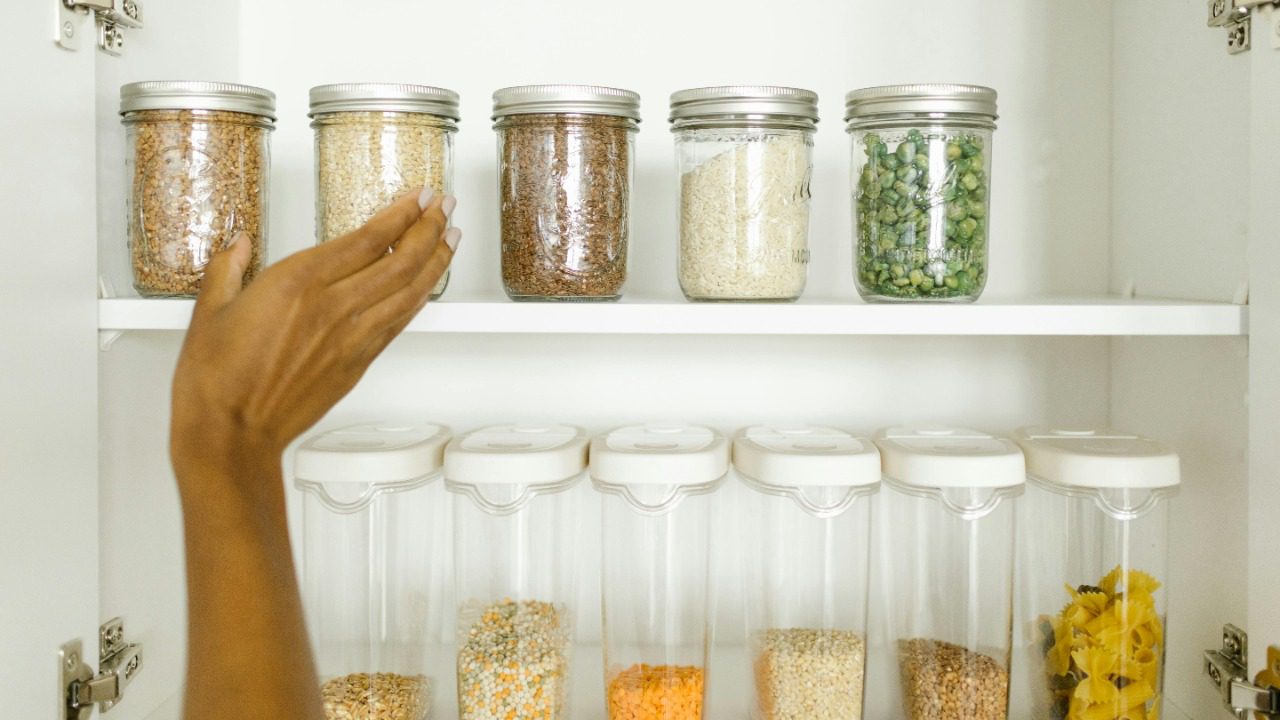
Expired pantry staples, including outdated spices, flour, vegetable oil, canned goods, and baking powder, sit on shelves long after they stop performing well. Reporting on kitchen clutter highlights how these forgotten items quietly hog space and can even pose food safety risks. Separate anything labeled “Best by” or “Use by” that is clearly past its date, and pay special attention to Common Pantry Staples That May Be Expired Without You Knowing such as Flour, Spices, Vegetable Oil, Canned Goods, and Baking Powder and.
Experts in Common Pantry Staples That May Be Expired Without You Knowing warn that quality drops long before obvious spoilage, so you may be baking with flat leaveners or flavorless herbs. Earlier guidance on 9 Things Experts Say You Should Toss From Your Pantry notes that “Yes, they are technically shelf-stable—but they don’t last forever,” as Hise explains about canned goods. Clearing these items protects your health, sharpens your cooking, and opens room for ingredients you will actually use this month.
2) Duplicate Measuring Tools
Duplicate measuring tools, from extra sets of cups to multiple identical spoons, quietly jam drawers without improving your cooking. The same review of things in your kitchen you should throw away now notes that items you never reach for simply create clutter. If you always grab the same stainless-steel set, the chipped plastic backups are just in the way. Lay everything out on the counter and compare: keep the most accurate, legible, and comfortable set, then let the rest go.
Organizing pros emphasize that Tossing duplicates is not wasteful when they are never used, because they block access to tools that actually matter. You can donate intact extras instead of binning them, following the reminder in Remember that Old items like magazines and newspapers can often be passed on. The same principle applies to kitchen tools. Streamlining to one or two reliable sets speeds up cooking, makes drawers easier to clean, and supports a calmer, more functional kitchen before the weekend rush.
3) Old Dish Towels
Old dish towels, especially those that are stained, frayed, or permanently damp-smelling, are more than an eyesore. A segment from The Doctors discusses research showing that kitchen dish towels often contain the most germs out of any item in your house. When fabric loses absorbency, you scrub harder, spread moisture around, and potentially transfer bacteria from raw meat or unwashed produce to clean dishes and hands. That is a hygiene problem hiding in plain sight on your oven handle.
Guides to 9 Things Experts Say You Should Toss From Your Pantry focus on food, but the same logic applies to textiles that touch it. If a towel is ripped, smells even after washing, or has been used for messy cleanups, retire it. Cut the best sections into cleaning rags and discard the rest. Replacing a stack of questionable towels with a smaller set of fresh, high-quality ones reduces germ hotspots and makes your kitchen feel instantly more orderly.
4) Unused Small Appliances
Unused small appliances, from single-purpose waffle makers to extra blenders, often sit on counters collecting dust and visual noise. Advice on kitchen items to throw away now stresses that if you are not going to use something, it just takes up space and creates clutter. That applies directly to gadgets you have not plugged in for months. Each one occupies prime real estate that could be clear or used for tools you reach for daily, like your main coffee maker.
To decide what to keep, look at the last time you used each appliance and whether another tool can do the same job. If your main oven handles frozen pizza, the novelty pizza oven can go. When you free cabinets and counters, you make cleaning easier and cooking less stressful. You also avoid the temptation to buy yet another device because you “cannot find room,” when in reality, the room is blocked by machines that no longer fit your lifestyle.
5) Seasonal Decor Past Its Prime
Seasonal decor past its prime, such as faded summer wreaths or broken holiday ornaments, lingers in closets long after it stops bringing joy. Professional organizers advising on August decluttering urge you to Throw Out ASAP anything that is damaged, irrelevant, or no longer fits your style. According to that guidance, August is a smart checkpoint for Things that only surface once a year, because you can assess them with fresh eyes instead of rushing during the holidays.
Letting go of decor that has clearly aged frees space for pieces you genuinely enjoy displaying. It also prevents you from hauling the same broken items out of storage every season and feeling disappointed. When you open your bins next year, you will see only items that still work, rather than a jumble of tangled lights and chipped figurines. That shift supports a calmer, more intentional approach to celebrations and keeps your home from feeling stuck in past seasons.
6) Outdated Magazines
Outdated magazines, whether they are recipe collections or lifestyle issues, tend to pile up on coffee tables and kitchen counters. Organizers who highlight Things to Throw Out ASAP in August, According to Professional Organizers, point to old paper clutter as a classic example of what you can release without losing anything important. Professional advice is clear: if you have not opened an issue in months, it is functioning as decor, not information.
One professional organizer notes in a separate reminder that Old magazines and newspapers are ideal candidates for donation or recycling, rather than permanent storage. Tear out only the few recipes or articles you truly plan to use, then let the rest go. Clearing these stacks instantly makes surfaces look cleaner and reduces dust. It also cuts down on the mental backlog of “things to read someday,” which can quietly add stress every time you walk past the pile.
7) Cooking Grease
Cooking grease, including bacon fat and used frying oil, should never be poured down the sink, and it should not linger in jars on your counter indefinitely either. Guidance on things you should never pour down the drain explains that grease solidifies in pipes, clings to the inside of plumbing, and can contribute to serious blockages. When you keep old jars of fat around without a clear plan to use them, you increase the odds that someone eventually dumps them into the drain in a hurry.
Instead, let grease cool, transfer it to a disposable container, and throw it in the trash once it is solid. If you genuinely cook with saved bacon fat, keep only a small, clearly labeled jar in the refrigerator and refresh it regularly. This approach protects your plumbing, reduces odors, and keeps your kitchen from becoming a storage site for questionable containers that no one wants to open.
8) Paint Residues
Paint residues, including leftover latex or oil-based paint and the rinse water from cleaning brushes, are another substance that should never go into your pipes. Experts warning about drain hazards note that paint can coat the inside of plumbing, damage septic systems, and introduce chemicals into wastewater. When half-used cans sit in your basement or under the sink for years, they become both a disposal problem and a clutter issue.
Before the weekend ends, check your storage areas for old cans that are clearly dried out or labeled with colors you no longer use. Many communities offer hazardous waste collection for paint, so you can dispose of it safely instead of washing residues down the drain. Clearing these heavy, bulky containers not only protects your plumbing and environment, it also opens up shelves for tools and supplies you actually need for current projects.
9) Non-Essential Gadgets
Non-essential gadgets, such as specialty avocado slicers, strawberry hullers, or tea infusers you never touch, crowd drawers that should hold your true workhorses. Food experts outlining 14 things you must have in your kitchen focus on core tools like sharp knives, sturdy pans, and reliable cutting boards. Anything beyond that list that you rarely use is a candidate for donation or the bin, because it complicates cooking instead of simplifying it.
When every drawer is packed with single-use tools, you waste time digging for the one spatula or whisk you actually need. Clearing out non-essentials makes it easier to see what you own and encourages you to master a few versatile techniques rather than relying on gimmicks. It also saves money in the long run, because you become more selective about bringing new gadgets home once you have experienced how quickly they can overrun your space.
10) Expired Bulk Buys
Expired bulk buys, like giant bags of nuts or rice from warehouse clubs, often hide at the back of pantries long after they are safe or tasty. Coverage of Costco grocery items facing price increases underscores how tempting it is to stock up when prices are low. Yet if you do not use those items before they expire, the savings vanish. Clearing out stale or rancid bulk goods now makes room for fresh stock you will actually consume before the next round of hikes.
Check dates on every large-format package and inspect for off smells or visible spoilage. Nuts and whole grains, in particular, can turn quickly if stored in warm or humid conditions. Toss anything questionable and consider decanting new purchases into airtight containers with labels. This habit protects your budget, prevents food waste, and keeps your pantry aligned with how your household really eats, rather than how you imagined you might cook when you saw a bargain.
11) Outdated Packaged Goods
Outdated packaged goods, including cheeses, baked items, and snacks bought in bulk, are another category that quietly overstays its welcome. The same analysis of items to stock up on before prices increase points out that many packaged foods are vulnerable to both rising costs and limited shelf life. If you stocked your freezer or pantry months ago in anticipation of hikes, some of those products may now be past their prime, especially anything with dairy or delicate textures.
Go through your fridge, freezer, and snack bins with a critical eye. Toss freezer-burned baked goods, cheese that has clearly aged beyond its intended date, and snacks that taste stale. This reset helps you see what your household actually finishes and what lingers untouched, guiding smarter bulk purchases in the future. It also ensures that when you reach for a convenience item on a busy weeknight, you are not met with disappointment or food that needs to be thrown out anyway.
12) Stagnant Routine Plans
Stagnant routine plans, like rigid weekend to-do lists that leave no room for spontaneity, can clutter your time as much as old gadgets clutter your drawers. A guide to 30 fantastic things to do this weekend in London (13-14 December) highlights how many energizing activities are available on 13-14 December, from cultural events to outdoor experiences. If your schedule is packed with chores you keep postponing and never finishing, those plans may be blocking you from enjoying similar opportunities in your own city.
Consider “throwing out” at least a few nonessential tasks on your list this weekend. Rescheduling or canceling outdated commitments creates breathing room for something restorative or fun, whether that is a local event, a long walk, or time with friends. The broader trend in expert advice is clear: decluttering is not just about objects, it is about aligning your time with what actually matters to you now, rather than obligations you accepted months ago.
13) Unused Event Tickets
Unused event tickets, especially for past dates like 13-14 December in London, linger in drawers, email folders, and bulletin boards as quiet reminders of missed experiences. The lineup of weekend events and activities in London shows how easy it is to overbook yourself with enticing options. When those plans fall through, the physical or digital tickets often remain, taking up space and adding a subtle layer of guilt every time you see them.
Before the weekend ends, gather old paper tickets, printouts, and confirmation emails for events that have already passed and delete or recycle them. This simple act helps you mentally reset and focus on what is ahead rather than what you missed. It can also prompt a more realistic approach to future planning, encouraging you to choose fewer events and fully enjoy them instead of scattering your attention across dates you may never keep.
14) Excess Linens
Excess linens, such as extra tablecloths, napkins, and seasonal bedding that no longer fits your post-summer routine, can overwhelm closets. Expert organizers explaining 9 Things to Declutter in August note that August is a great month to declutter your home and that Expert advice often starts with bulky categories like linens. Related guidance on 5 Things to Throw Out ASAP in August emphasizes that excess linens not needed post-summer are prime candidates for donation or disposal.
Sort your stacks by use: everyday, guest, and seasonal. Keep only what comfortably fits your storage without cramming and what you actually rotate through. Donate clean, gently used sets and discard anything stained or torn. Streamlining this category makes laundry easier, frees shelf space, and ensures that when guests arrive or holidays roll around, you can quickly find coordinated, presentable linens instead of wrestling with overstuffed cupboards.