As a homeowner, one of your main goals is to keep your home pest-free. But did you know that insects and other pests can find their way into your home through a variety of unlikely places? Even if you keep your space spotless, bugs are clever and resourceful. They can squeeze through tiny cracks, hitch a ride on items you bring inside, and take advantage of overlooked gaps around your home. Awareness is the first step to prevention.
From vents and air conditioning units to groceries and delivered packages, these pests are sneaky and will use any opportunity they find to invade your space. Once inside, they can multiply quickly and create bigger problems, turning what seemed like a harmless oversight into a full-blown infestation. It’s essential to be proactive and aware of these potential entry points to keep your living space secure and comfortable.
Here’s a list of 14 unlikely places insects can enter your home, some of which might surprise you — and tips for how to protect against them.
1. Through Vents and Air Conditioning Units
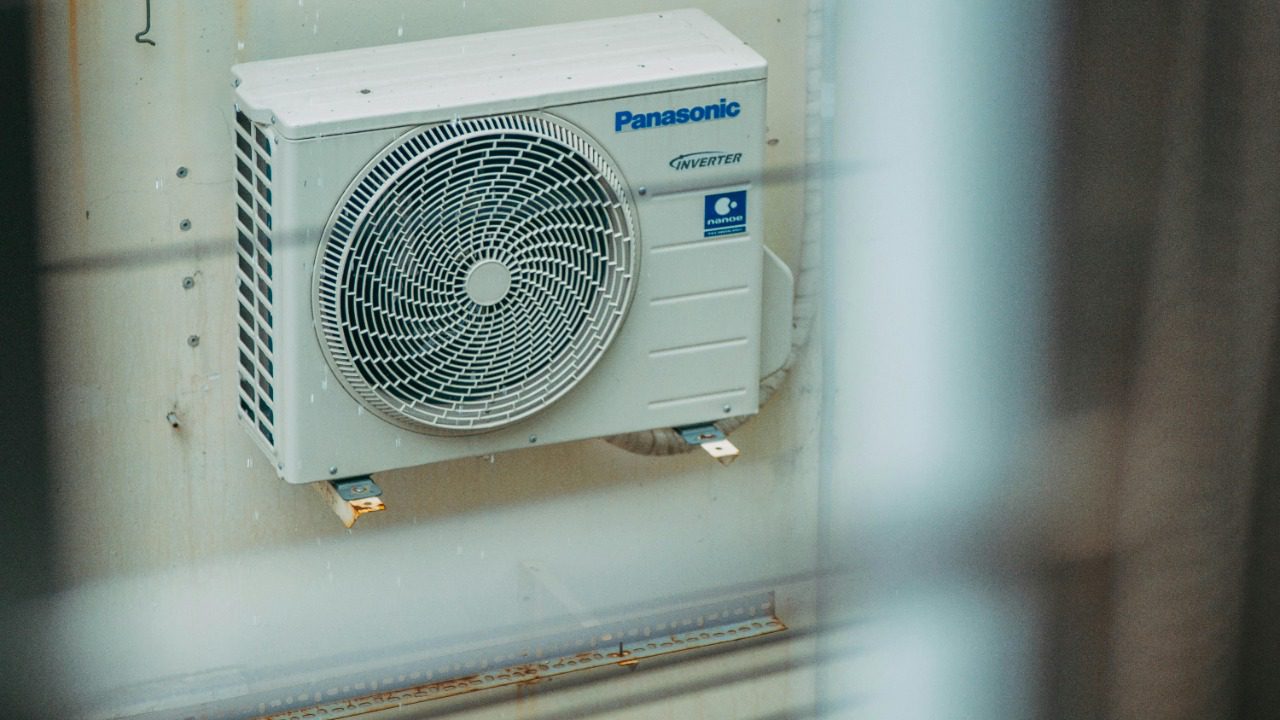
Insects are small enough to squeeze through the tiniest spaces, and that includes the vents in your home. Heating vents, air conditioning units, and exhaust fans all provide direct pathways from the outdoors to your living space.
Without proper maintenance, these systems can become prime entryways for ants, spiders, and even mosquitoes. Cleaning filters regularly, sealing gaps, and installing pest-proof screens can go a long way in keeping insects from riding the airflow straight into your home.
2. Via Cracks in Doors and Windows

Even the tiniest crack in a door or window can be an open invitation for insects. Ants, gnats, and other bugs can easily slip through these gaps, especially if they connect directly to the outdoors. Over time, weather and wear make these openings worse, giving pests more opportunities to sneak inside. Regularly check your doors and windows for cracks and seal them promptly. Adding weatherstripping or caulking is a quick, inexpensive fix that creates a tighter seal and better protection.
3. Inside Firewood and Outdoor Furniture
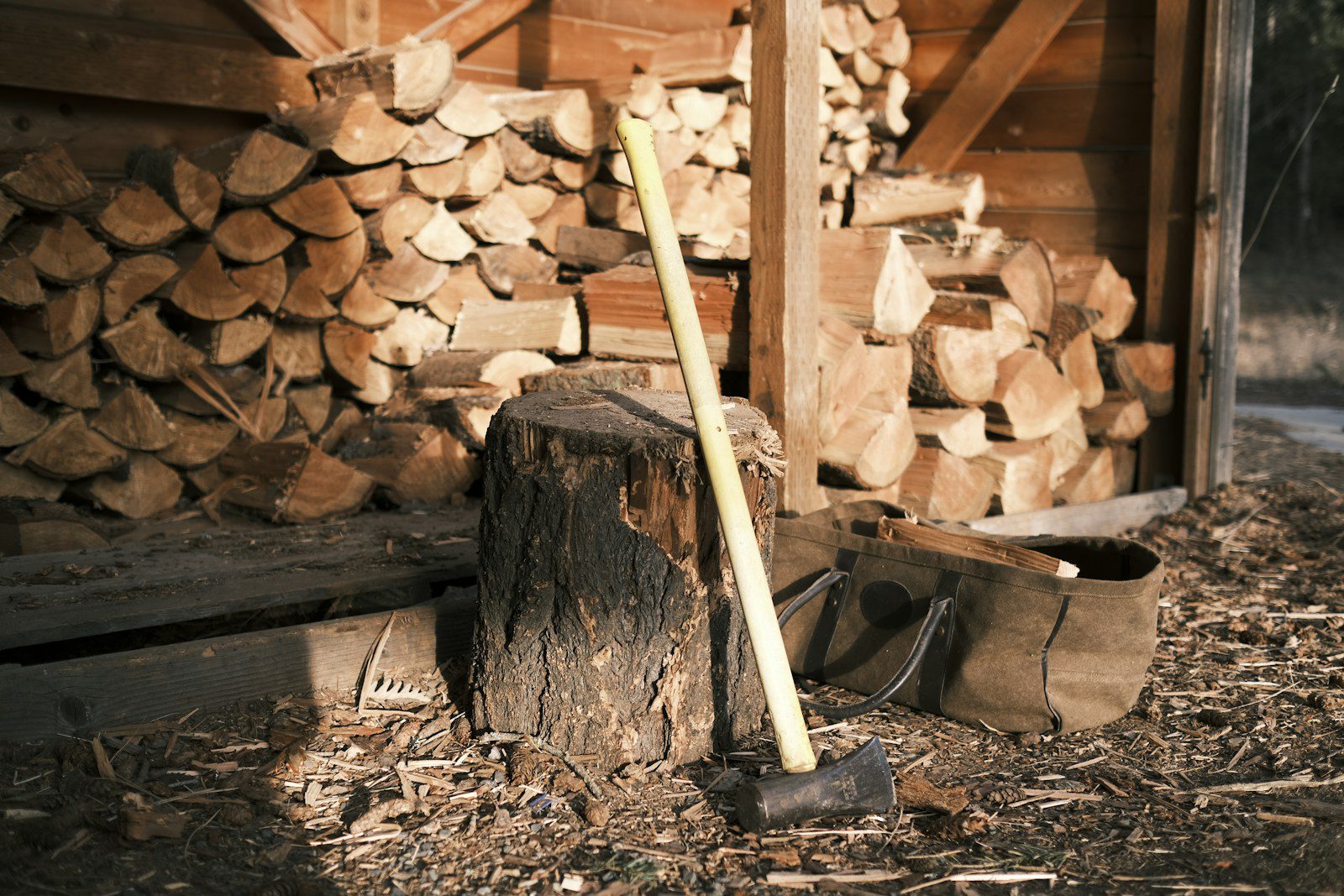
Firewood, patio cushions, and outdoor furniture stored outside can quickly become a breeding ground for pests. Termites, spiders, and beetles often nest in these items, and when you carry them indoors, you may be bringing their colonies with you.
Always inspect firewood before stacking it inside and give furniture a good shake or wipe down. For long-term prevention, keep firewood stacked off the ground and a few feet away from your home to minimize the risk of hidden infestations making their way inside.
4. Through Openings in Walls, Ceilings, and Floors
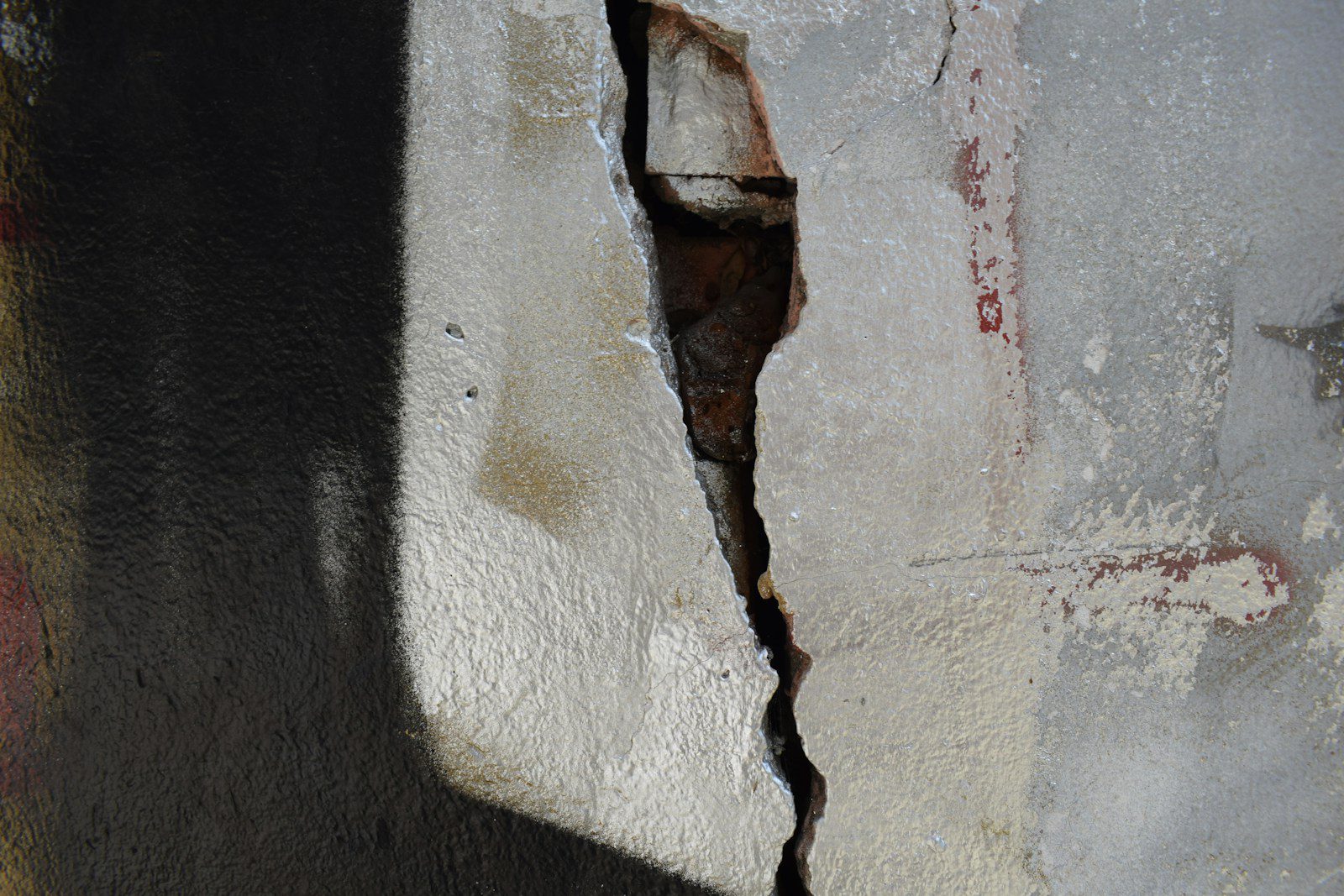
Openings in walls, ceilings, and floors are another common entry point for insects. These gaps often go unnoticed, especially in attics, basements, or less frequently used spaces.
Tiny holes left behind by wiring, plumbing, or settling cracks can be wide enough for insects to crawl through. Regularly inspecting your home for these weak spots and sealing them with caulk or expandable foam will not only keep pests out but also help with insulation and energy efficiency.
5. Through Pipes and Plumbing Fixtures
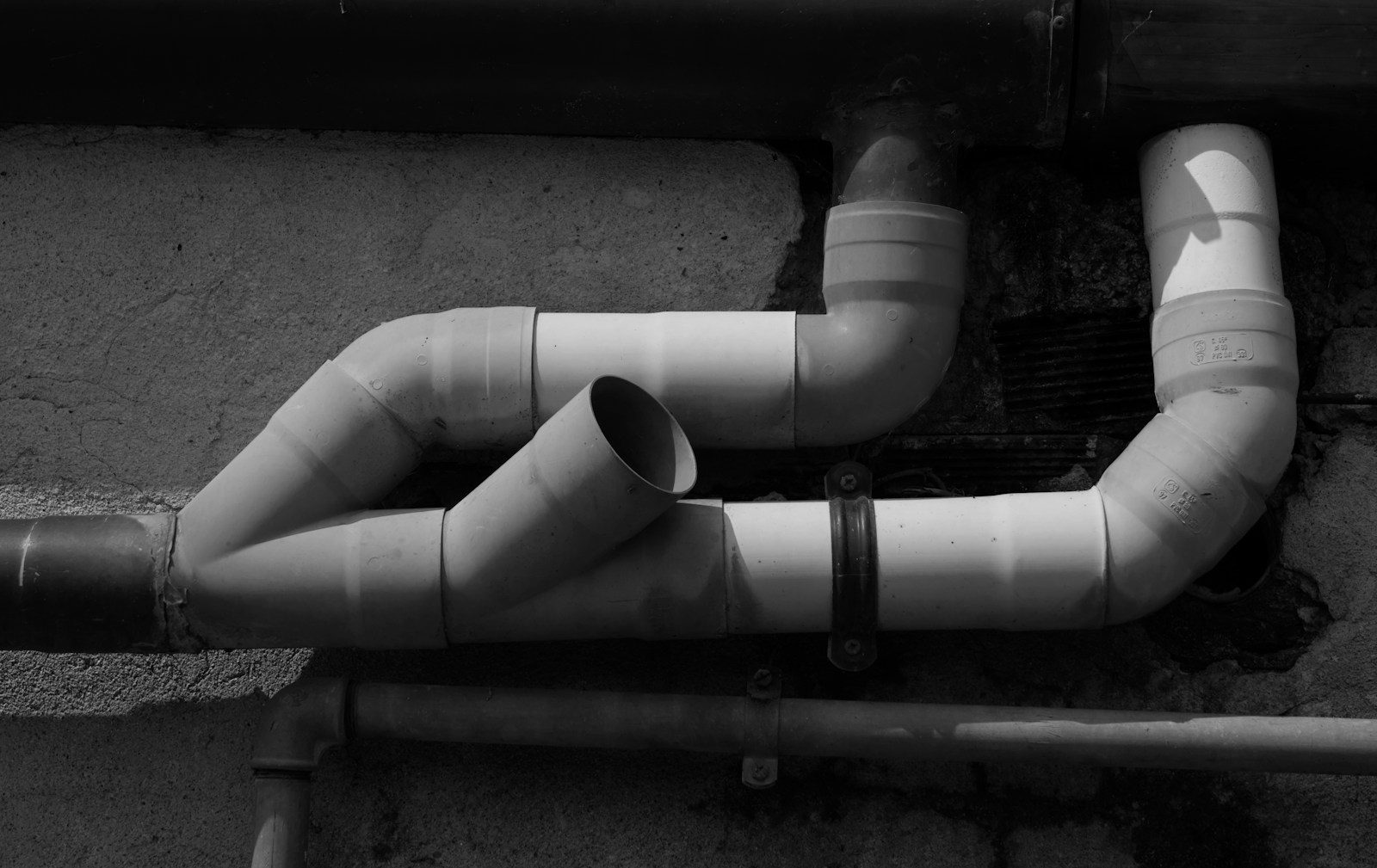
Pipes and plumbing fixtures, especially those connected to the outdoors, are an often-overlooked highway for pests. Cockroaches and silverfish are drawn to damp conditions, while ants use pipes as convenient travel routes. Regularly check for leaks, seal around pipe openings, and use mesh covers where possible to block pests. A little maintenance here can stop insects from using your plumbing as a back door into your home.
6. Via Holes in Window and Door Screens

Window and door screens are designed to keep bugs out, but if they’re torn or full of holes, they become an easy entry point. Mosquitoes and flies in particular only need the smallest tear to slip inside.
Inspect screens seasonally and repair or replace them when damage occurs. Even a small patch kit can make a big difference in keeping your home bug-free during warmer months when windows and doors are open more often.
7. In Plants and Flowers Brought Inside from Outdoors
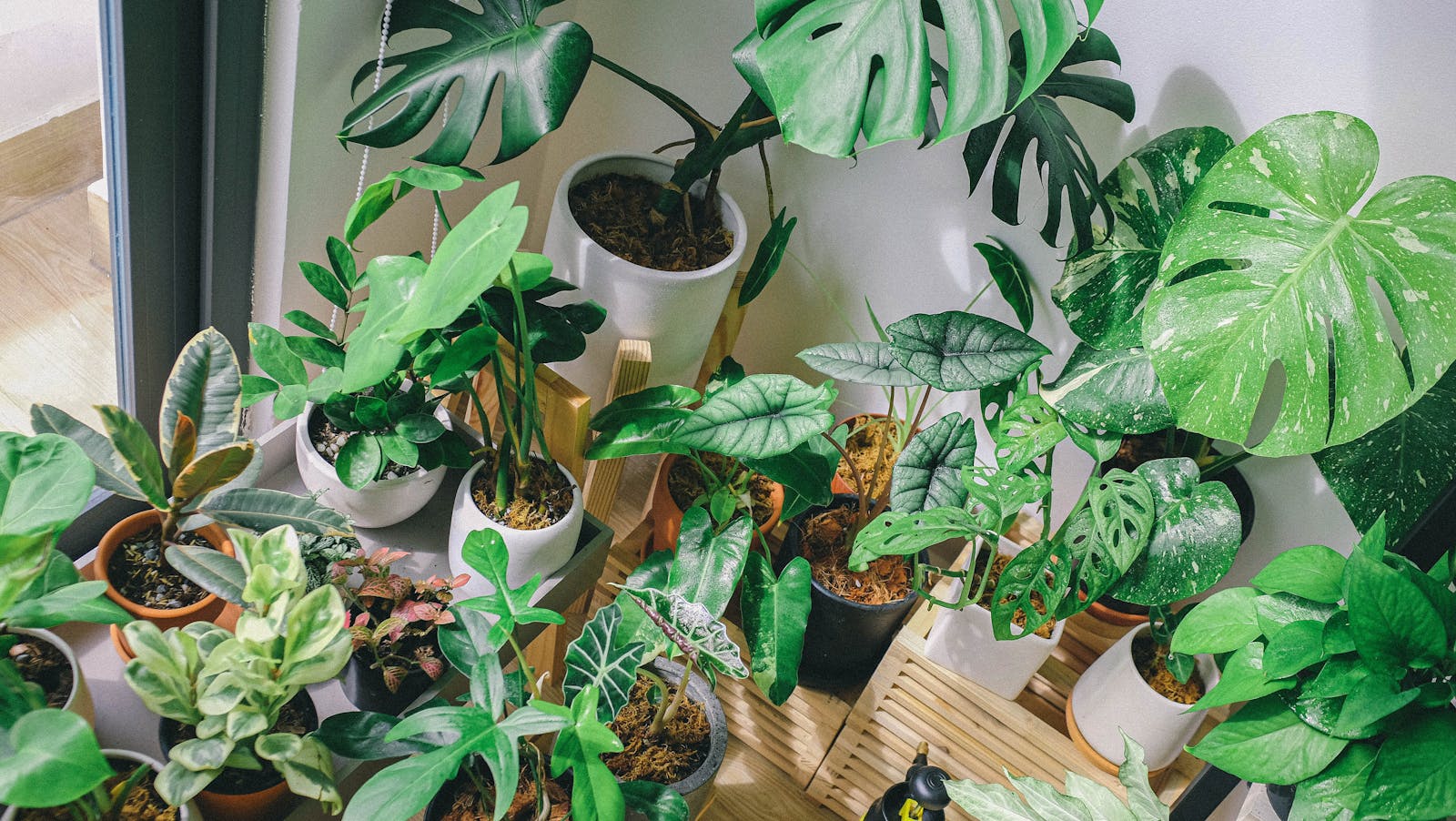
Plants and flowers add charm to your home, but they can also be carriers for pests. Aphids, mites, and small beetles often cling to leaves, stems, or soil. When you bring these items indoors, you may be introducing unwanted guests.
Always inspect plants carefully, rinse leaves with water if needed, and check soil for pests before bringing greenery inside. This is especially important with cut flowers, which can harbor tiny insects that scatter once they’re indoors.
8. In Groceries, Packages, and Other Delivered Items

Groceries and delivered packages are a modern convenience, but they can also be a Trojan horse for pests. Roaches, ants, and even pantry moths can hide inside cardboard boxes, grocery bags, or food packaging.
Once inside your home, they scatter quickly. Inspect bags and boxes when they arrive, dispose of packaging promptly, and don’t leave deliveries sitting unopened for too long. A little vigilance when unpacking can prevent a big headache later.
9. Through Gaps in Baseboards and Crown Molding
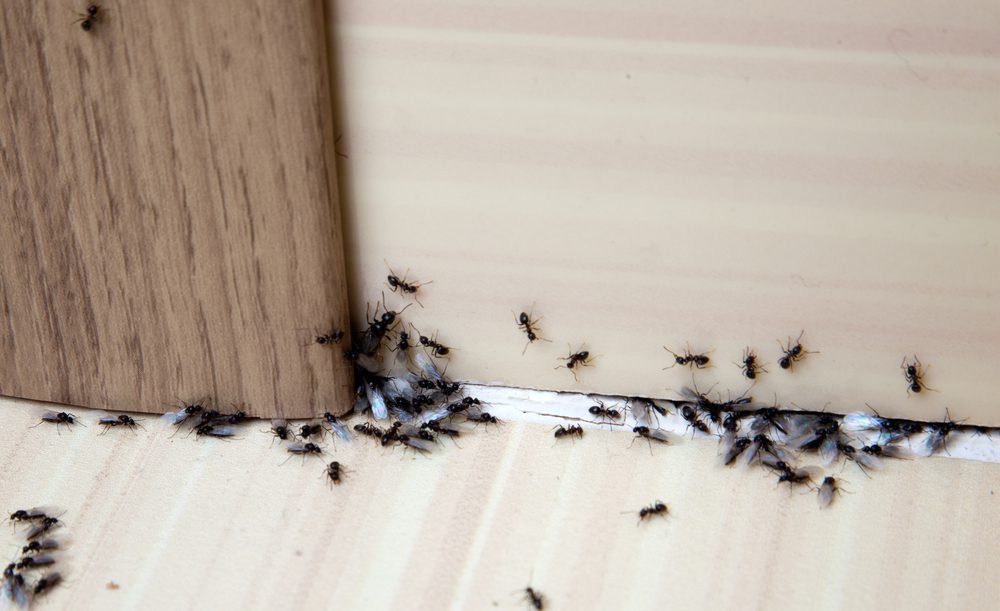
Baseboards and crown molding may look purely decorative, but any gaps or cracks between the wall and trim can become insect superhighways. Ants, roaches, and even spiders use these tiny gaps to travel unseen.
Inspect regularly and fill cracks with caulk or sealant. This not only blocks pests but also gives your trim a cleaner, more finished look.
10. Inside Used Furniture or Appliances

Used furniture and appliances are budget-friendly finds, but they can also come with unwanted guests. Bed bugs, roaches, and beetles often hide in cracks, upholstery, or mechanical parts.
Always inspect secondhand items carefully before bringing them indoors. Vacuuming, steaming, or treating them before use adds an extra layer of safety and helps prevent pests from sneaking into your home disguised as “great deals.”
11. Via Pet Doors and Other Pet Entries
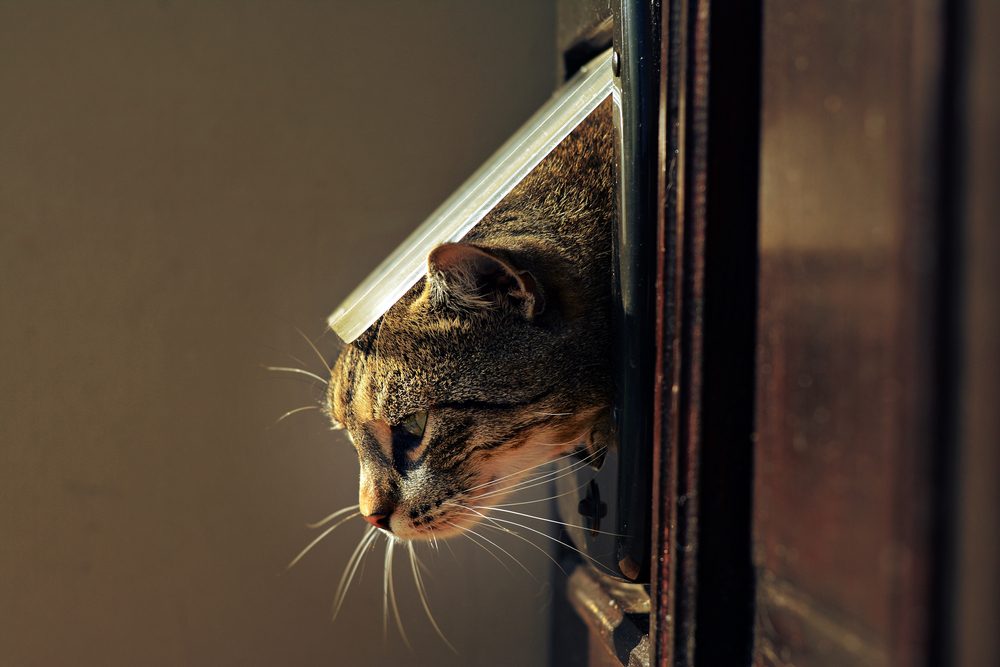
Pet doors make life easier for your furry friends, but they also provide pests with a direct route indoors. Ants, flies, and even rodents can slip through openings when the flap doesn’t close tightly.
If you rely on pet doors, look for designs that seal securely when not in use. Adding magnetic closures or upgraded weatherproofing helps protect your pets’ freedom while keeping bugs out.
12. In Clothing and Luggage Brought Back from Travel
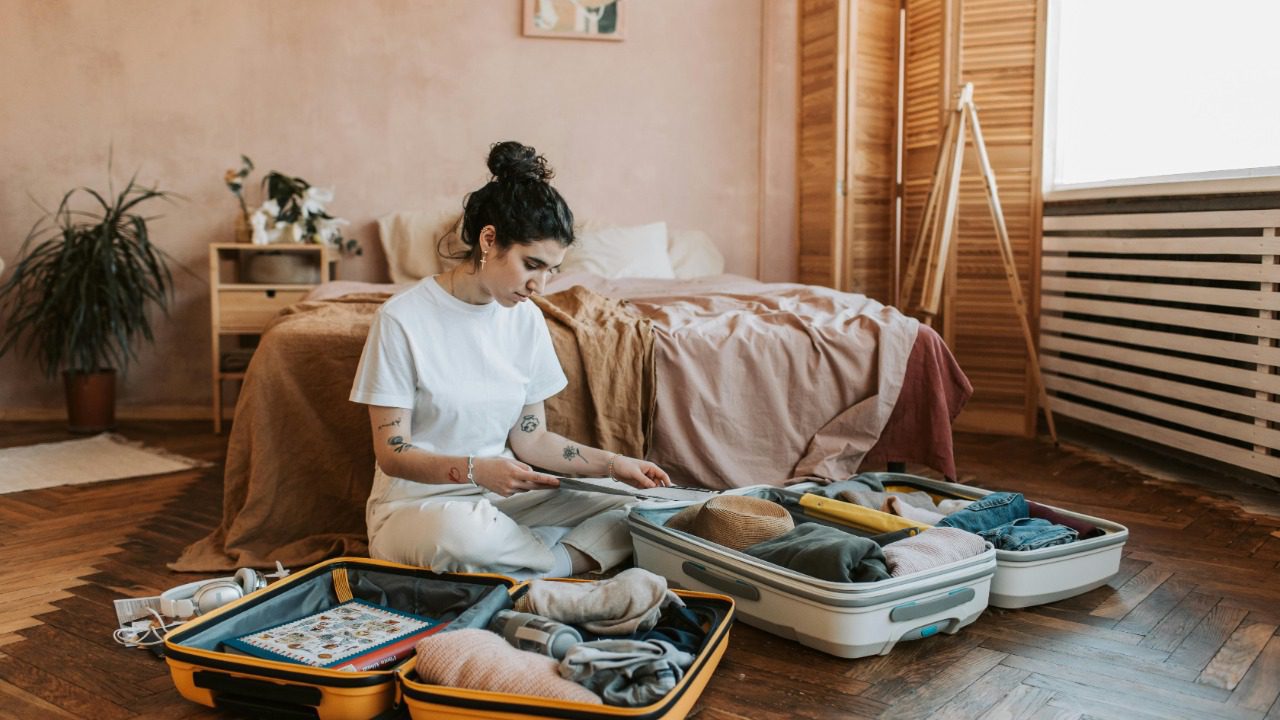
Clothing and luggage from travel can inadvertently introduce pests into your home. Bed bugs and cockroaches are notorious for hitching rides in suitcases.
Always inspect and shake out clothing before unpacking, and wash travel clothes in hot water right away. Consider vacuuming suitcases before storing them. These small steps can stop a pest problem before it even begins.
13. Through Chimneys and Other Roof Openings
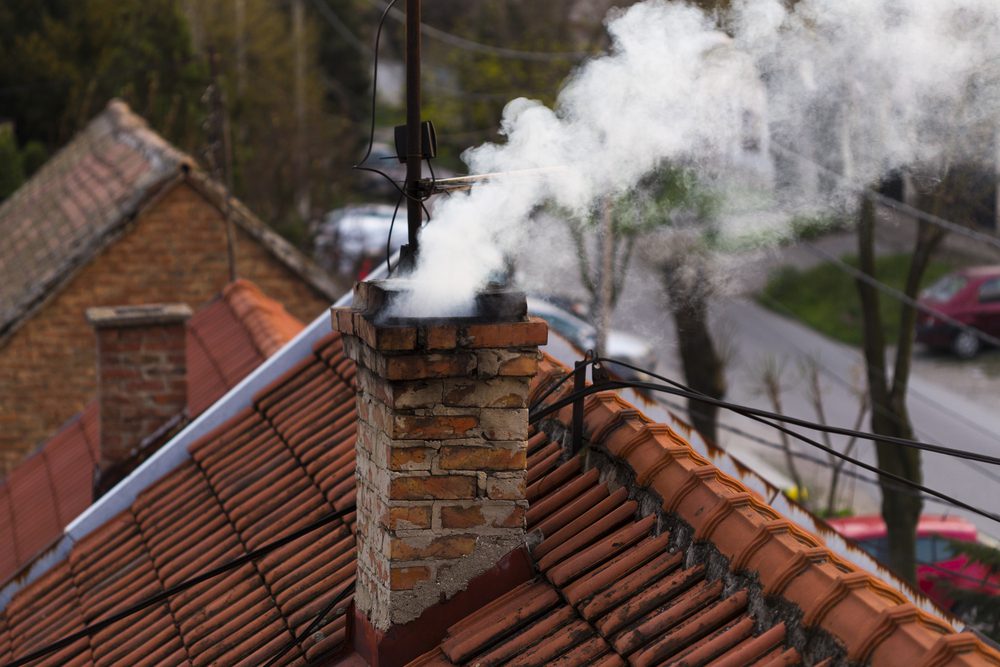
Chimneys and roof openings are often overlooked as pest entryways. Without a chimney cap or mesh cover, insects, birds, and even rodents can crawl right in.
Regular roof inspections, especially after storms, can help you catch vulnerabilities early. Installing proper covers and sealing gaps keeps pests where they belong — outside.
14. Via Unsealed Gaps Around Electrical Outlets and Switches
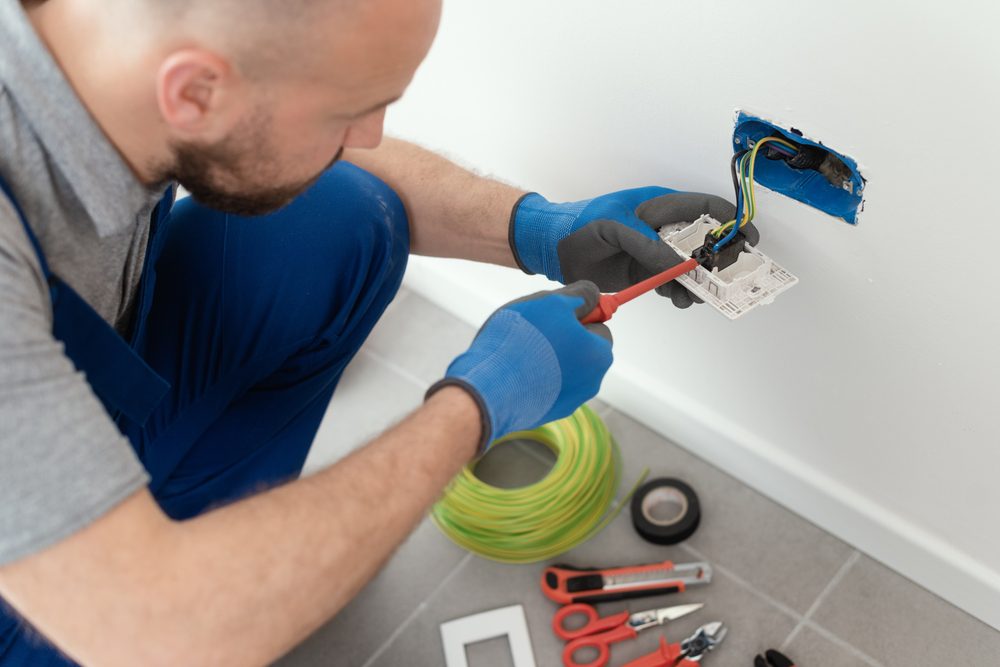
Unsealed gaps around electrical outlets and switches may look harmless, but they can provide pests with hidden passageways between walls and into your living space. Ants and roaches in particular love these dark, warm hiding spots. Outlet and switch plate sealers are inexpensive and easy to install, creating a simple barrier that helps keep bugs from creeping in unseen.
Keeping your home free of insects requires diligence and regular inspections of these potential entry points. By taking small, preventative measures now, you’ll save yourself from dealing with much bigger problems down the road.
Before you go — if this inspired you, check out these readers-loved favorites: