America is known for its festive spirit and diverse celebrations. However, some of these traditions are fading in popularity, largely due to cultural shifts, changing demographics, and evolving attitudes. Here, we explore 15 American celebrations that have seen a decline in recent years.
1. Columbus Day
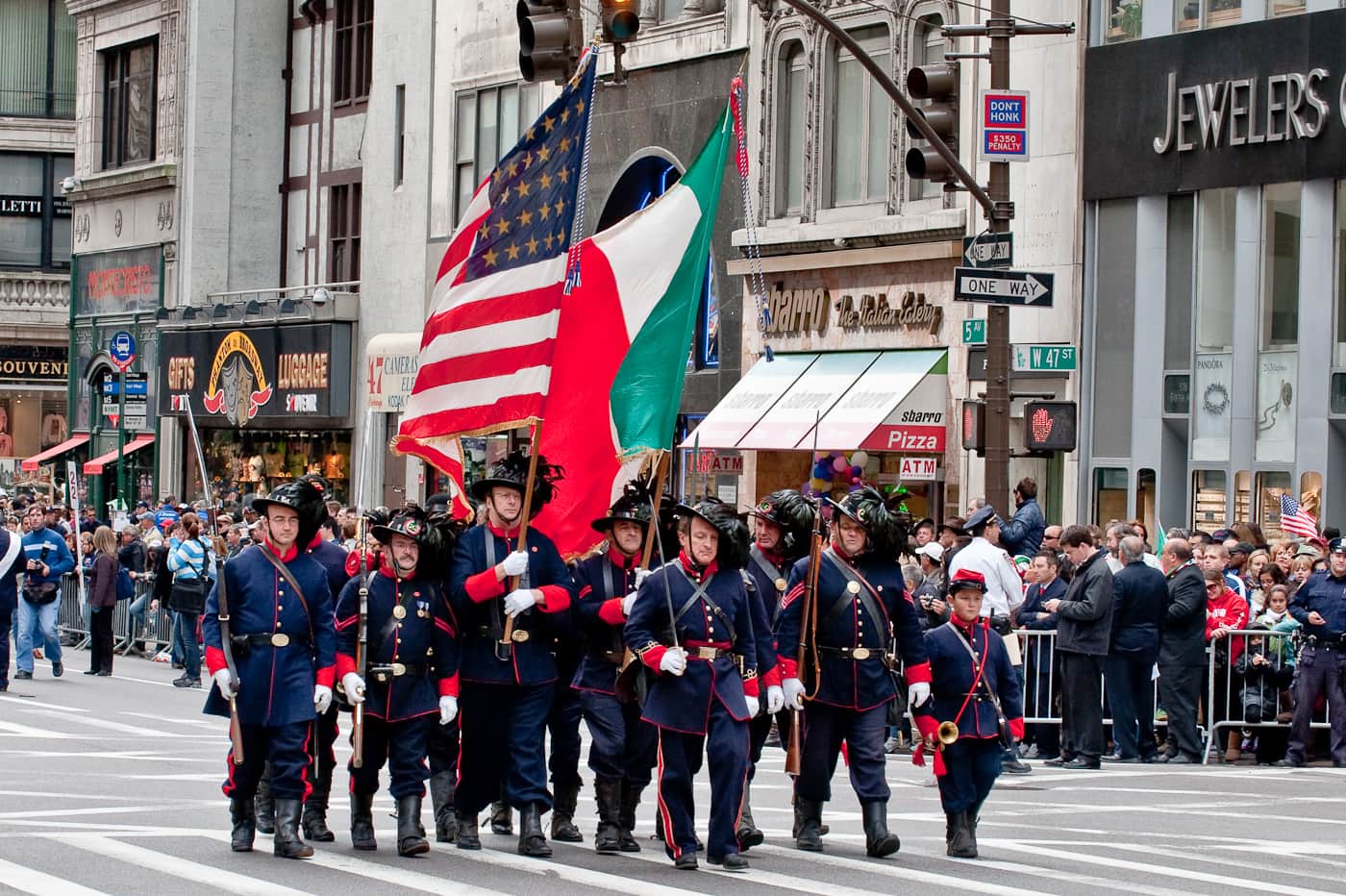
Once a federal holiday, Columbus Day commemorated the arrival of Christopher Columbus in the Americas. Public sentiment has shifted significantly in recent years, however, with many people calling for its replacement with Indigenous Peoples’ Day. This reflects a growing recognition of the negative impact Columbus’s arrival had on indigenous populations.
2. Saint Patrick’s Day Parades

While St. Patrick’s Day is still widely celebrated in the US, the popularity of its parades has waned. The reasons are multifaceted, ranging from the high cost of organizing such events to changing cultural attitudes that view the parades as overly commercialized or even exclusionary.
3. Arbor Day

Established in the late 19th century, Arbor Day was traditionally a day to plant and care for trees. Unfortunately, this environmentally focused celebration has lost steam, overshadowed by Earth Day and other more prominent environmental holidays.
4. Flag Day
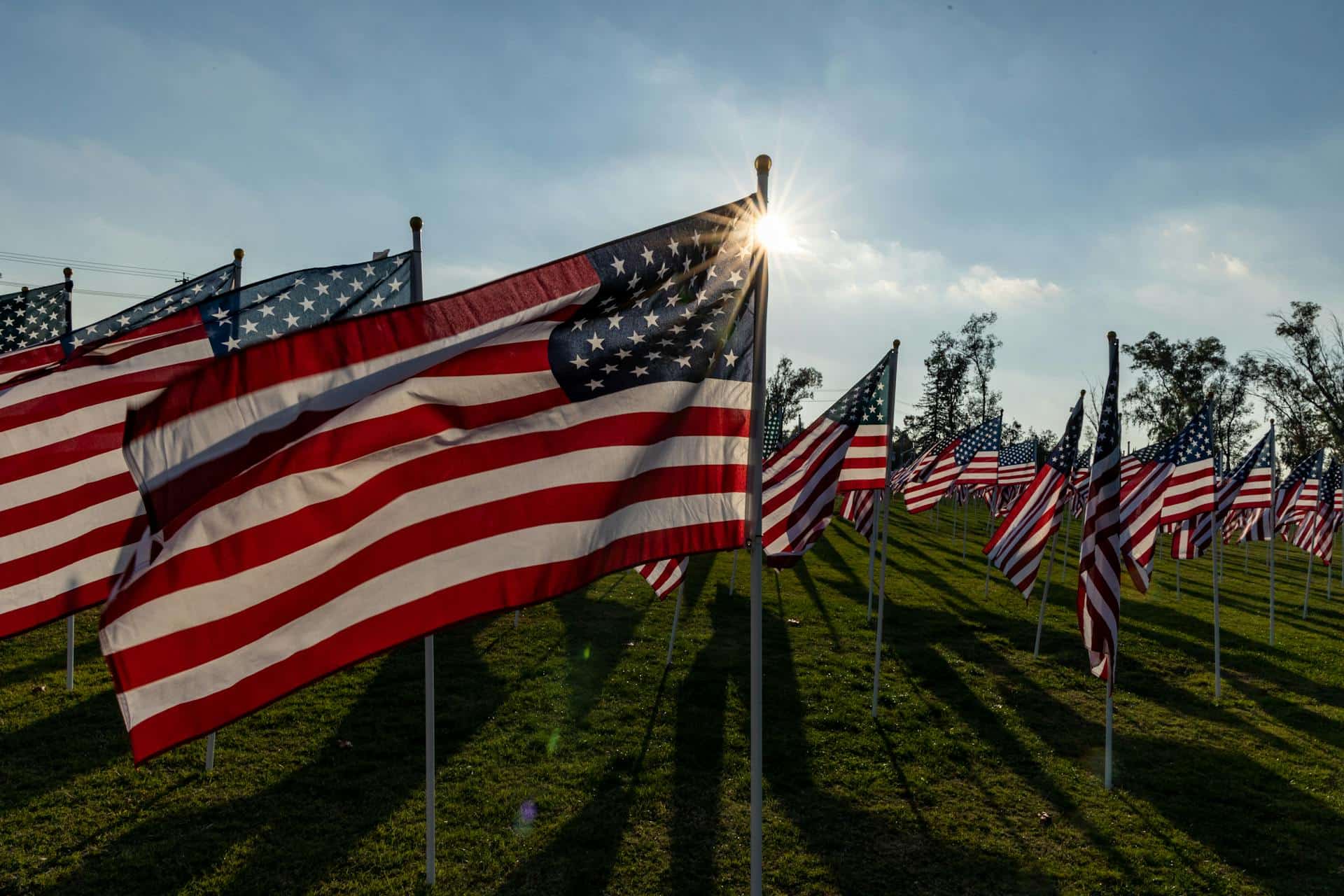
Flag Day, celebrated on June 14th, commemorates the adoption of the American flag. While it’s still recognized, it’s not a federal holiday and many people are unaware of its existence. The lack of a day off work means fewer people celebrate it.
5. May Day
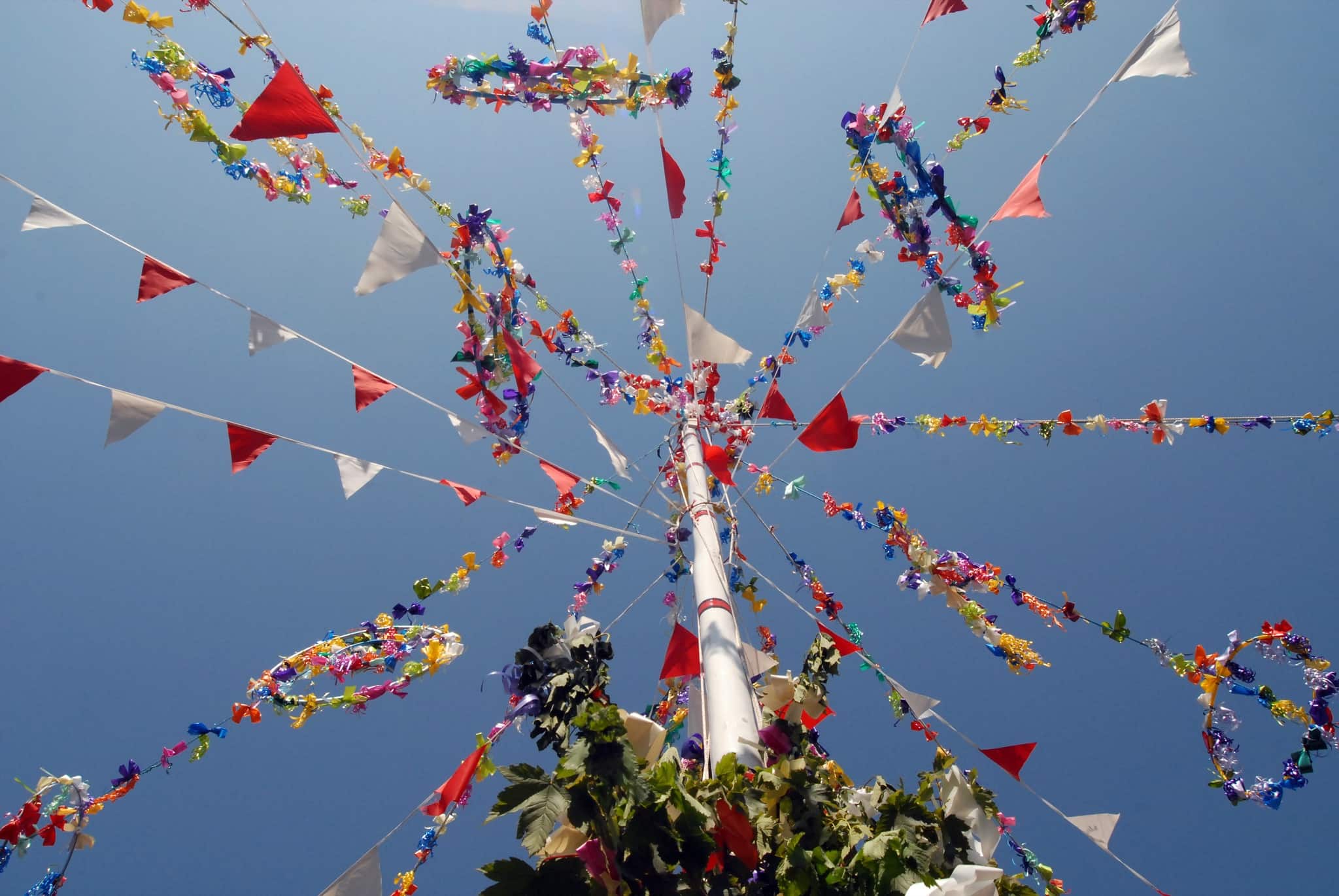
May Day, a celebration of spring, has roots in ancient European traditions. However, its popularity in America has dwindled over the years. Some attribute this to its association with International Workers’ Day and labor rights, a connection that can be politically polarizing.
6. Sweetest Day

Sweetest Day, a holiday primarily celebrated in the Midwest, was originally created by candy companies in the 1920s. Today, many view it as a commercialized holiday with little historical or cultural significance.
7. Constitution Day
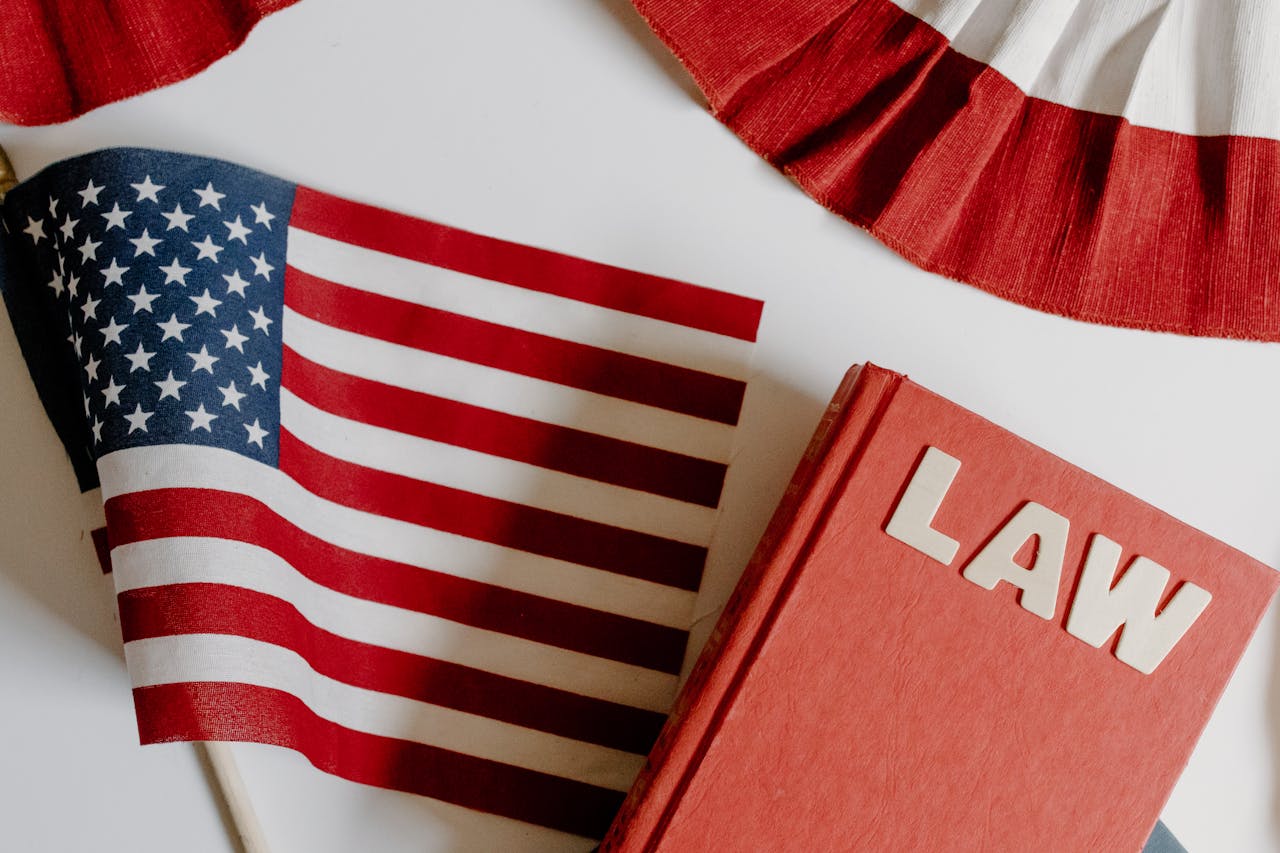
Constitution Day, which commemorates the signing of the U.S. Constitution, is often overlooked. While it’s an educational opportunity in schools, it doesn’t typically involve large scale celebrations or events, leading to its diminished popularity.
8. Pioneer Day
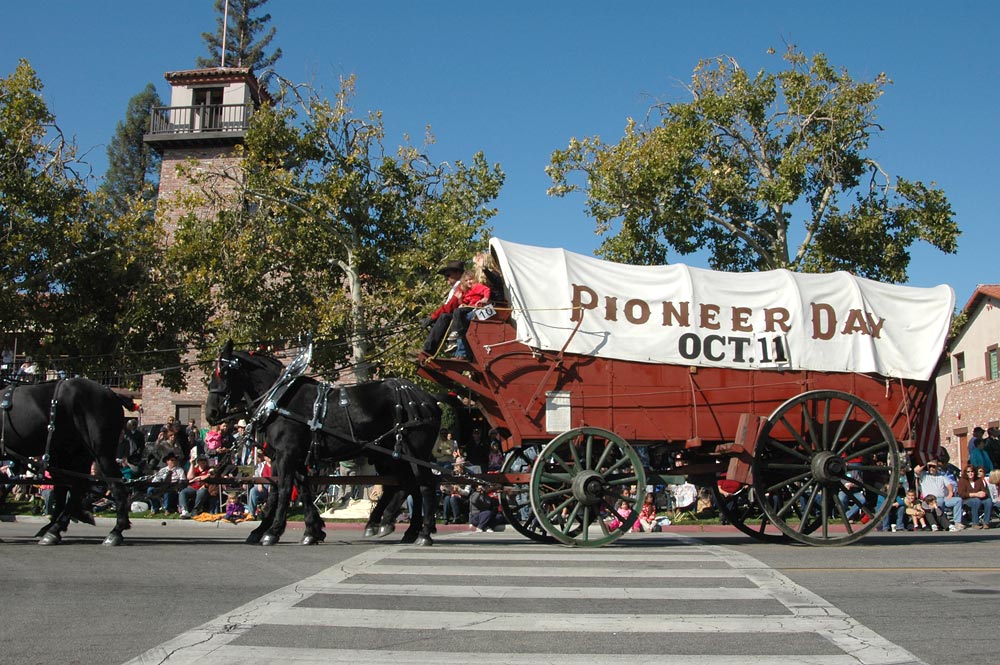
Celebrated primarily in Utah to commemorate the arrival of the Latter-Day Saints, Pioneer Day’s popularity is largely regional and, even there, is on the decline due to increasing secularization.
9. National Grandparents Day

While the sentiment behind National Grandparents Day is sweet, the celebration has never really caught on. It falls right after Labor Day and often gets overshadowed by the start of the school year.
10. Loyalty Day
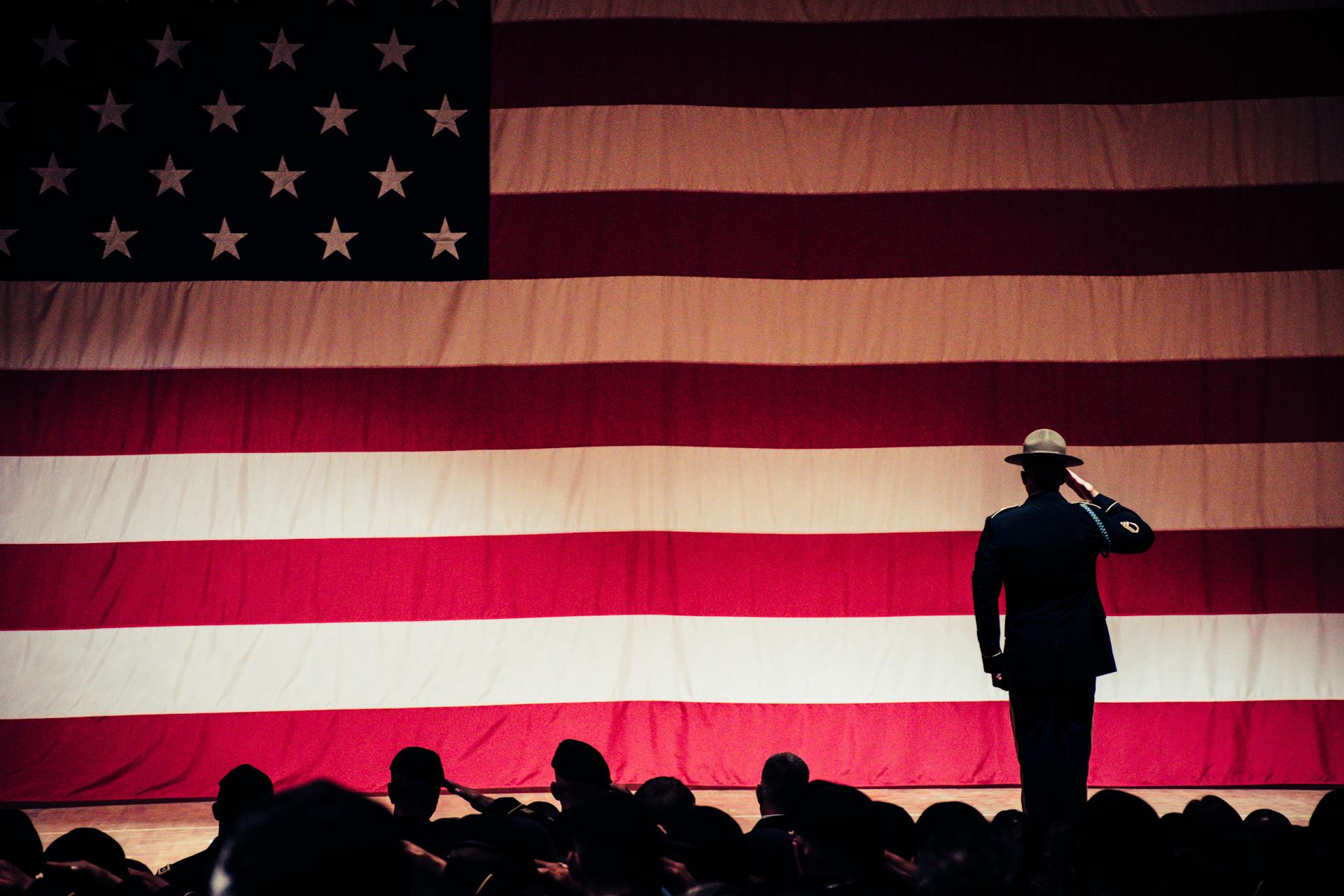
Loyalty Day, a day to express loyalty to the United States, has struggled to maintain relevance. It’s often overshadowed by May Day and lacks distinct traditions or celebrations to help it stand out.
11. Leif Erikson Day
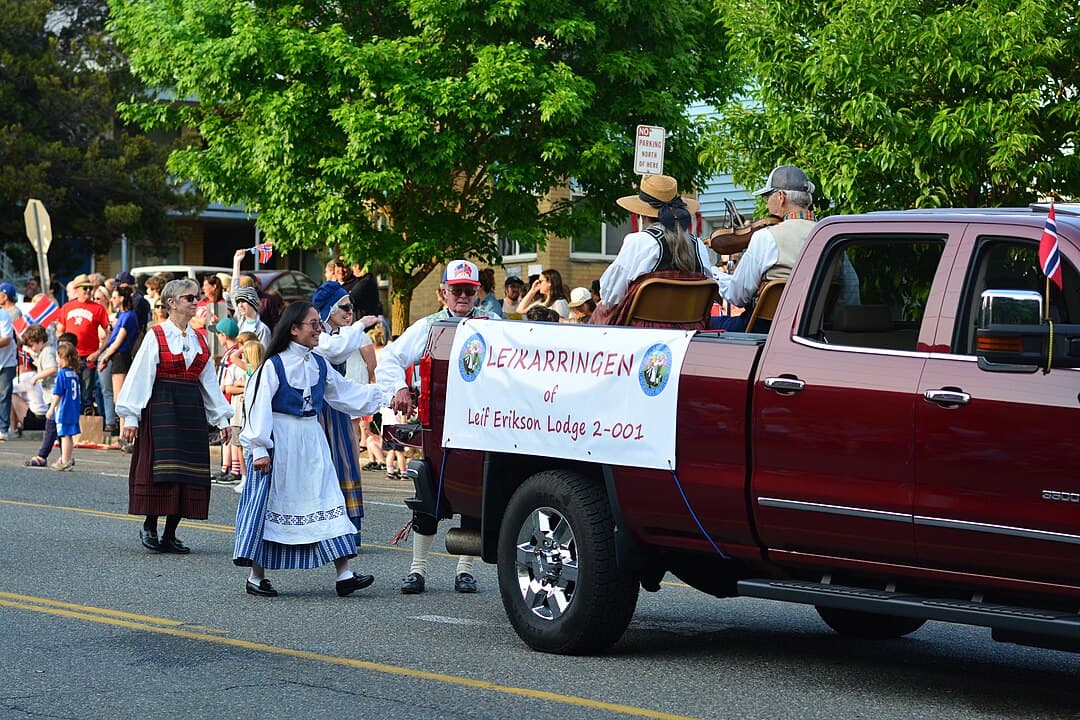
Leif Erikson Day is meant to honor the Norse explorer believed to have been the first European to arrive in North America. However, the day lacks the fanfare of Columbus Day and is largely forgotten.
12. Law Day

Law Day, which celebrates the American legal system, has a limited audience. It’s mainly observed by legal professionals, making it less popular among the general public.
13. Parents’ Day

Falling between Mother’s Day and Father’s Day, Parents’ Day often gets overlooked. With two other holidays celebrating parents, many feel the third is unnecessary.
14. National Freedom Day

National Freedom Day, commemorating the signing of the 13th Amendment, is a significant day in American history. However, it’s often overshadowed by the more widely recognized and celebrated Black History Month.
15. National Maritime Day
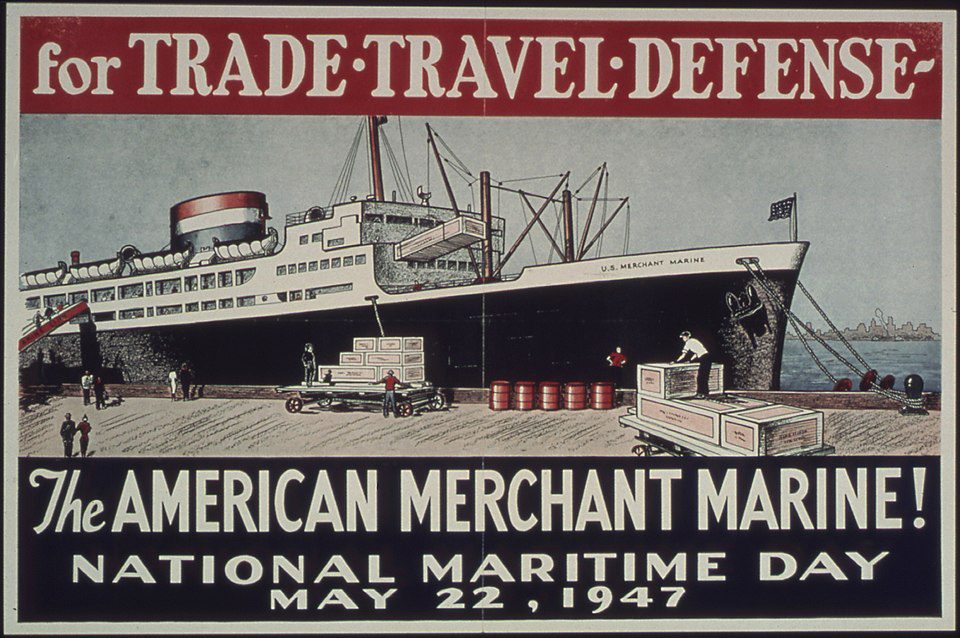
National Maritime Day, which honors the maritime industry, has a very specific audience. Unless you’re directly involved in the industry, it’s likely this day will pass unnoticed.