1. Bleach is the Ultimate Cleaner
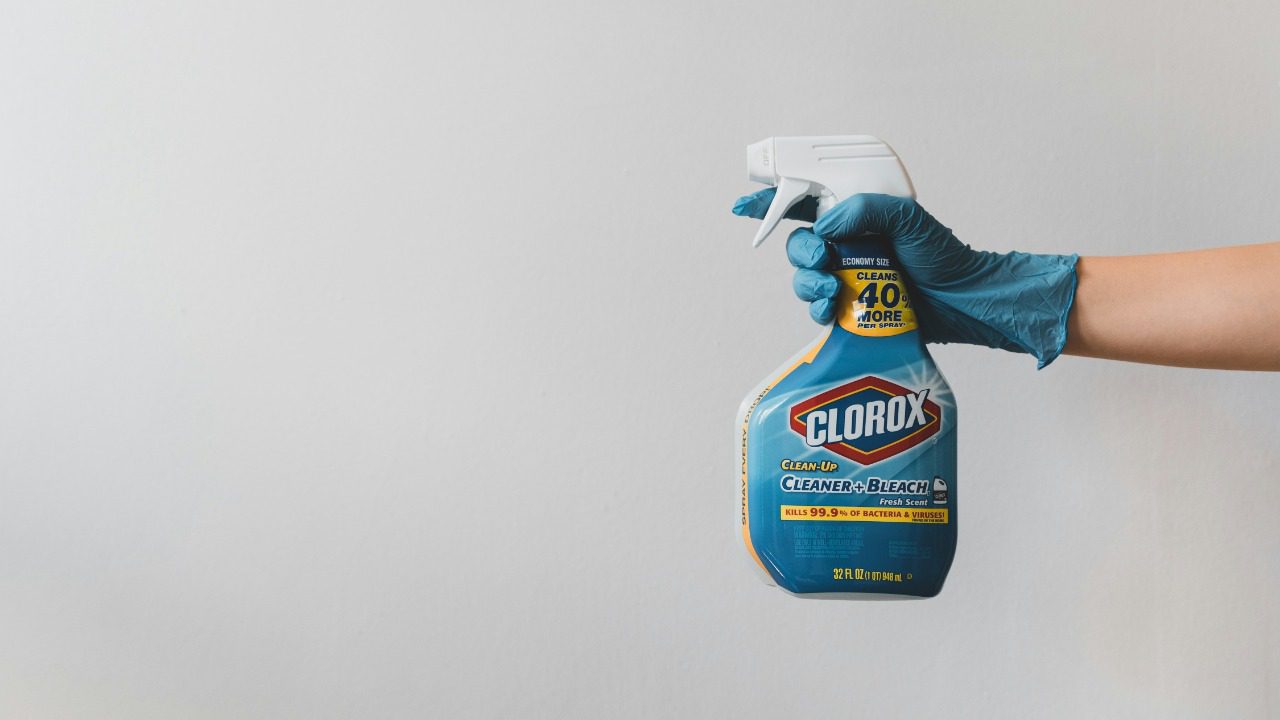
Bleach is often hailed as the ultimate cleaning solution. However, while bleach is effective at killing bacteria and whitening surfaces, it isn’t a universal cleaner. It can’t cut through grime or grease, making it unsuitable for cleaning dirty surfaces. Instead of reaching for the bleach, consider using a multi-purpose cleaner or a vinegar-water solution for general cleaning tasks.
Moreover, using bleach on certain materials, such as stainless steel and natural stone, can cause discoloration. It can also be harmful to your health if not used in a well-ventilated area. Don’t rely solely on bleach for your cleaning needs. Ensure you are using the right product for the right job and always handle cleaning products with care.
2. Vinegar Cleans Everything

Just like bleach, vinegar is also not a panacea for all cleaning tasks. While vinegar is a fantastic natural cleaner, it’s not suitable for everything. It’s acidic and can damage surfaces like natural stone, wood, and certain types of plastic. The acid can etch into these materials, leaving them permanently marred.
Instead, save your vinegar for tasks like descaling your kettle or cleaning your windows. Be sure to check if the surface you’re cleaning is safe to use with vinegar before you start. You can do this by doing a spot test on an inconspicuous area.
3. More Soap Equals More Clean
It’s easy to believe that the more soap you use, the cleaner your surfaces will be. However, this is not the case. Using too much soap can actually be counterproductive, as it can leave a sticky residue that attracts dirt and grime.
Instead, try using less soap than you think you need. It’s surprising how little you need to get things clean. And remember, thoroughly rinsing away any soap residue is just as important as the cleaning itself.
4. Feather Dusters are Effective
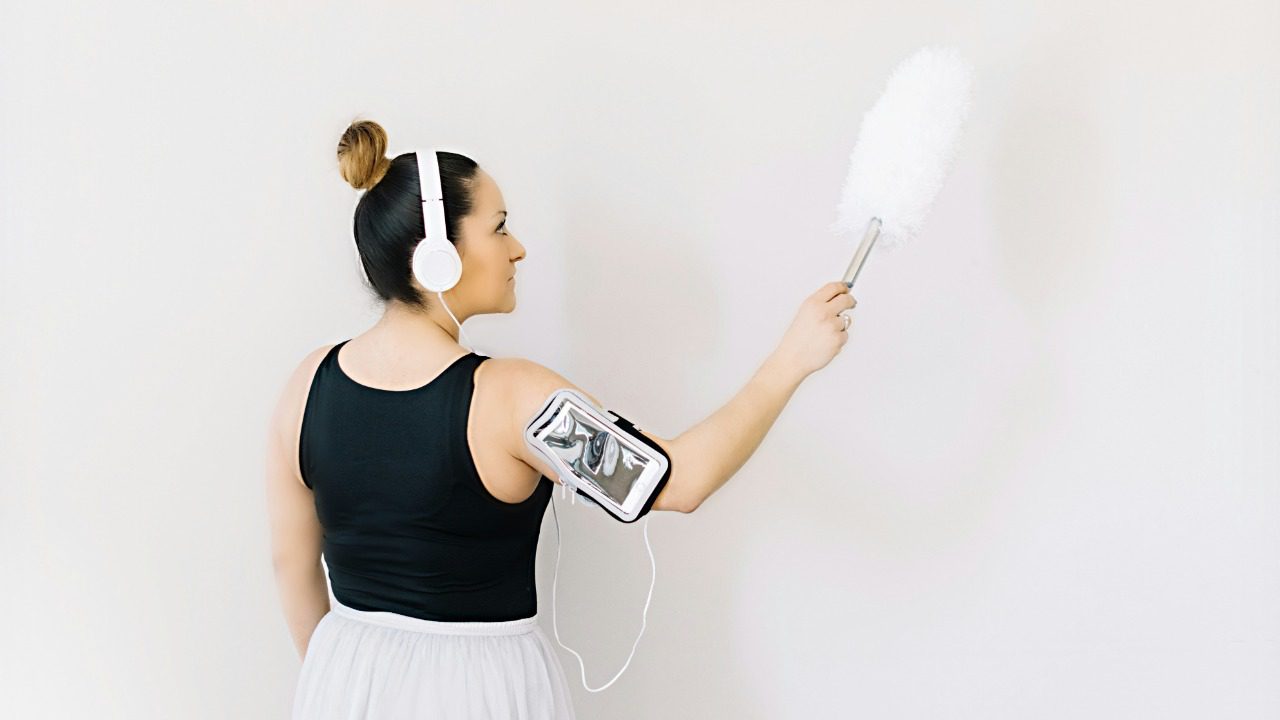
Feather dusters might look fancy and seem like they’re doing a great job, but they’re actually just moving the dust around instead of removing it. This can exacerbate allergies and make your home feel less clean in the long run.
Instead of using a feather duster, try using a damp cloth or a microfiber duster. These tools will trap and remove the dust, rather than just spreading it around. Remember to clean your dusters regularly to ensure they’re always ready for the next cleaning session.
5. Newspaper is the Best for Cleaning Windows

The idea that newspaper is the best material for cleaning windows has been around for generations. However, nowadays, newspapers are often printed with soy-based inks which can smear on your windows. Also, the rough texture of the paper can potentially scratch your windows.
Instead, consider using a microfiber cloth or a squeegee to clean your windows. These tools are designed to leave your windows streak-free and won’t risk damaging the glass. Pair them with a vinegar-water solution for a natural, effective window cleaner.
6. Coffee Grounds to Freshen Garbage Disposals

Coffee grounds seem to be a popular choice for freshening up garbage disposals, but they can actually cause more harm than good. Coffee grounds can get stuck in the drain and create a buildup over time, leading to clogs.
Instead, try freshening up your garbage disposal with a few slices of citrus fruit. The citrus will help eliminate any unpleasant odors, and the acid in the fruit can help break down any food residue that might be lingering in the disposal.
7. Polishing Silver with Toothpaste
Toothpaste is commonly believed to be a quick fix for tarnished silver. However, the abrasive particles in toothpaste can scratch your silver and cause permanent damage.
Instead, use a silver polish specifically designed for the job. These products are formulated to gently remove tarnish without scratching the silver. If you don’t have any silver polish on hand, try a baking soda and water paste. It’s a gentle and effective alternative.
8. Hair Spray Removes Ink Stains

This myth likely originated when hairsprays contained alcohol, which can help break down ink. However, most modern hairsprays don’t contain alcohol and are unlikely to have any effect on ink stains.
Instead, try using rubbing alcohol or hand sanitizer to remove ink stains. Apply a small amount to the stain and gently blot with a clean cloth. Remember to always test the solution on an inconspicuous area first to ensure it won’t damage the fabric.
9. Vacuuming Regularly Ruins Carpets
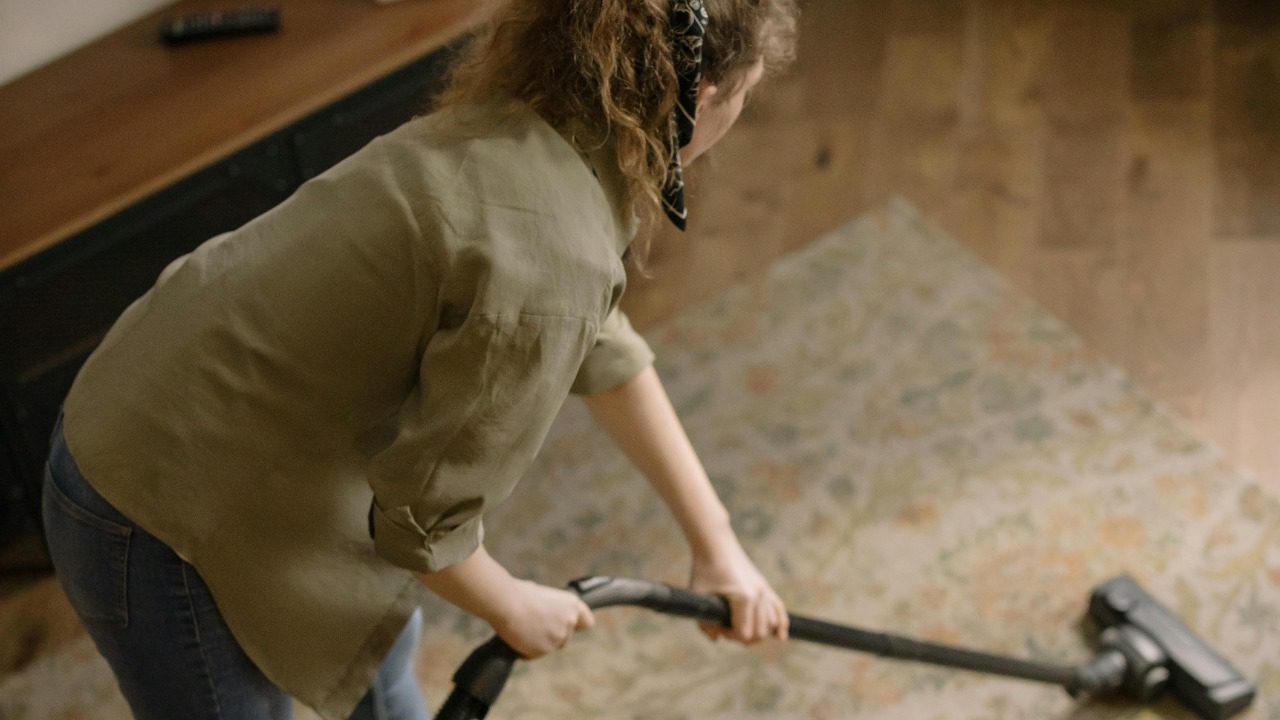
While vacuuming does cause some wear and tear, the damage caused by dirt and grime left in the carpet is far greater. Dirt and dust can wear down the fibers in your carpet, leading to premature aging and discoloration.
Vacuum your carpets once or twice a week, or more frequently in high traffic areas. This will help to keep your carpets looking fresh and prolong their lifespan.
10. Cleaning Solutions Work Instantly
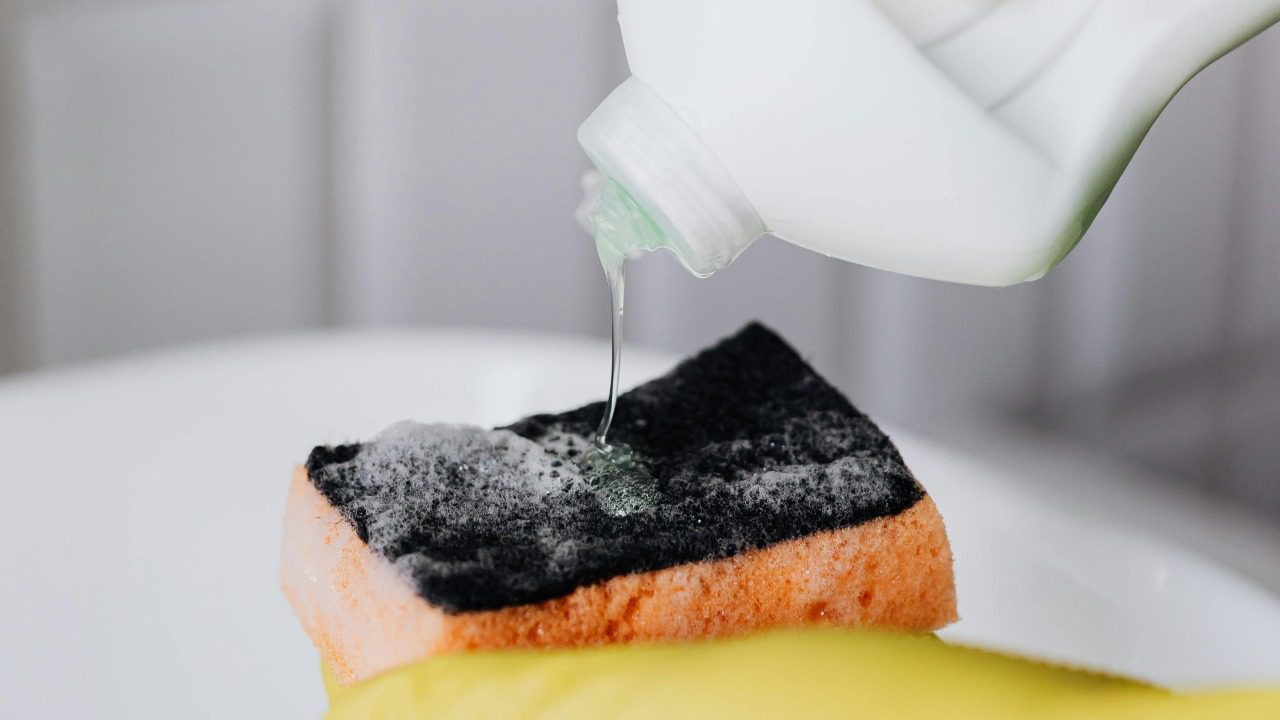
Despite what the commercials would have you believe, most cleaning solutions need some time to work effectively. Instant results are rarely possible, and scrubbing immediately after applying a cleaner can scratch surfaces and spread grime.
After applying a cleaning solution, allow it to sit for a few minutes before you start scrubbing. This will give the cleaner time to break down the grime, making your job easier.
11. Mopping Makes Floors Cleaner
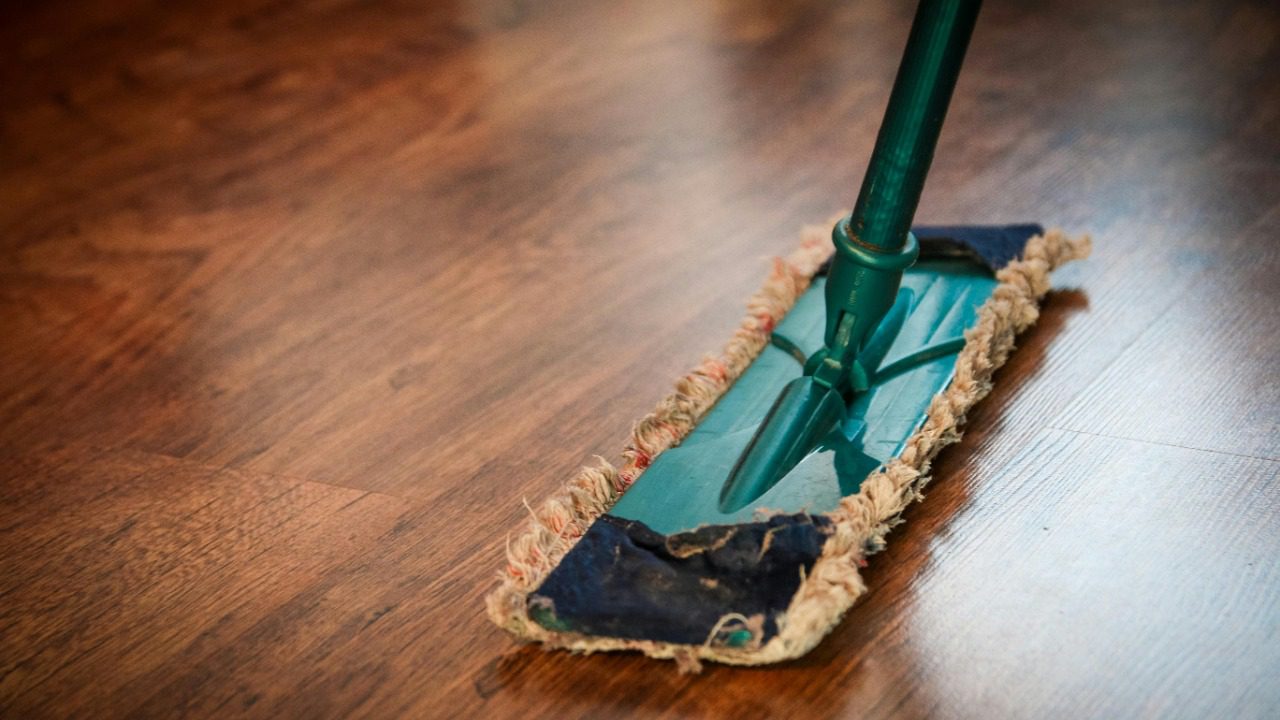
While mopping can make your floors look cleaner, it can also spread dirt and bacteria around. If your mop and mop water are dirty, you’re simply redistributing that dirt onto your floors.
To ensure your floors are truly clean, rinse your mop frequently and change your mop water regularly. Alternatively, consider using a steam mop. Steam mops can kill bacteria and lift dirt, leaving your floors hygienically clean.
12. Baking Soda Freshens Carpets
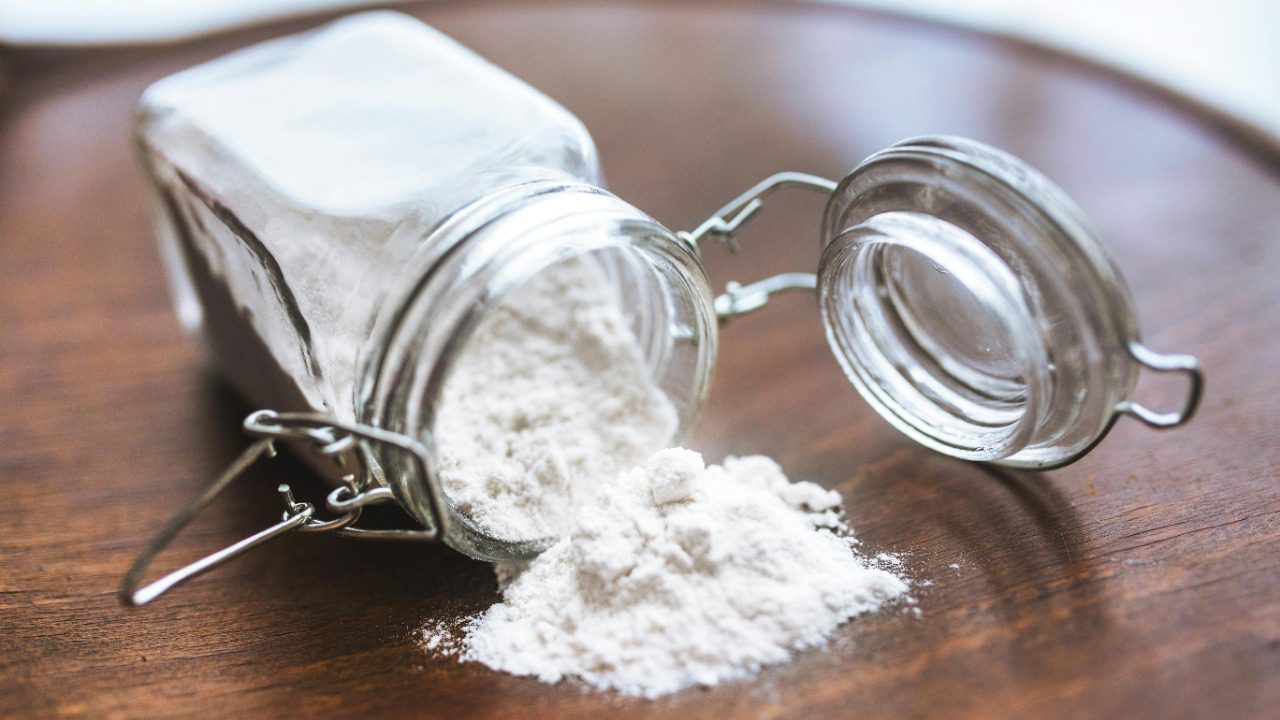
While baking soda can absorb some odors, it’s not an effective carpet freshener. The fine powders can get trapped in your carpet fibers and even damage your vacuum cleaner.
Instead of using baking soda, try using a carpet freshening powder specifically designed for the task. These products are designed to be vacuumed up and won’t damage your carpet or vacuum cleaner.
13. All Green Cleaning Products are Safe
Just because a cleaning product is labeled as “green” or “natural” doesn’t necessarily mean it’s safe or effective. Some green cleaning products contain harmful ingredients, and others might not be any more effective than water.
Always read the label before you buy a green cleaning product. Look for products that list their ingredients and have been independently certified as safe and effective.
14. Washing Machines Clean Themselves
While it’s true that washing machines are designed to clean, they don’t clean themselves. Over time, washing machines can accumulate soap scum, hard water deposits, and even mold and mildew.
To keep your washing machine clean and running efficiently, run an empty cycle with a washing machine cleaner or a vinegar-water solution every month. This will help to keep your machine clean and your clothes fresher.
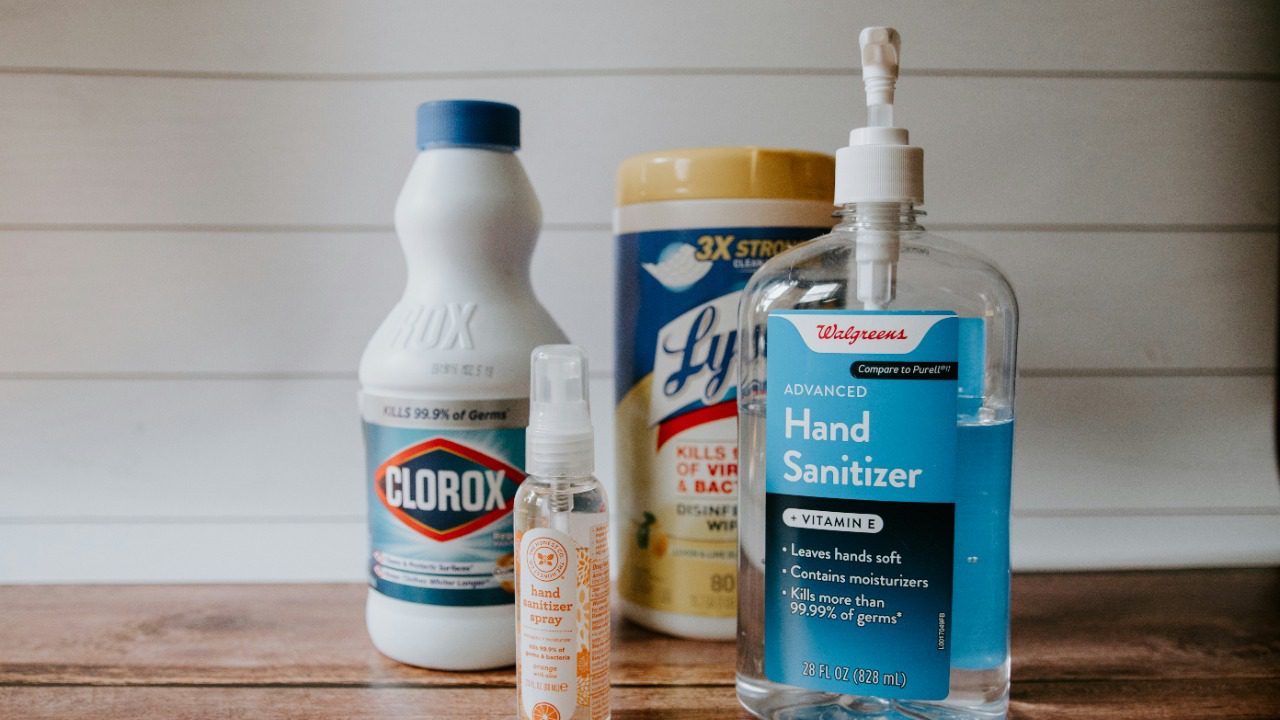
15. You Can’t Overdo Sanitizing
While it’s important to keep our homes clean, especially during flu season or a pandemic, over-sanitizing can actually be counterproductive. Overuse of sanitizing products can contribute to the development of superbugs — bacteria that are resistant to antibiotics and sanitizers.
Instead of constantly sanitizing every surface in your home, focus on the high-touch areas like doorknobs, light switches, and remote controls. And remember, the best defense against germs is regular and thorough hand washing.