Finding great deals can be exciting, but it often leads to buying more than you need. This can quickly turn into clutter, making it harder to keep your space organized and stress-free.
You can enjoy saving money without overwhelming your home by using simple strategies that keep clutter at bay. These tricks help you make smart purchases that fit your lifestyle and space, so your bargains stay a benefit, not a burden.
Set a strict budget before hunting for deals

Before you start deal hunting, decide how much you’re willing to spend. A clear budget keeps your shopping focused and prevents overspending.
When you know your limit, it’s easier to ignore unnecessary items. This helps you avoid clutter from impulse buys.
Stick to your budget by tracking what you spend as you shop. It makes deal hunting more productive and less overwhelming.
Use a capsule wardrobe approach when buying clothes

When you shop with a capsule wardrobe mindset, you focus on quality over quantity. Choose timeless pieces that fit well and match your style, rather than chasing every trend.
This helps you avoid impulse buys that just add clutter. Stick to a simple color palette to make mixing and matching easier.
You’ll find it’s easier to create outfits with fewer items, saving money and space in your closet. Try waiting a few weeks before buying to see if you still want an item—this simple trick can cut down on unnecessary purchases.
Only shop sales for items you already need

You’ll save money only when you buy things you truly need, even if they’re on sale. Avoid the trap of purchasing items just because they’re discounted.
Keep a list of essentials and check sales against it. This way, you don’t add clutter with unnecessary stuff.
Planning your buys around sales for things you had in mind helps keep your space tidy and your budget intact.
Digitize paper receipts and coupons
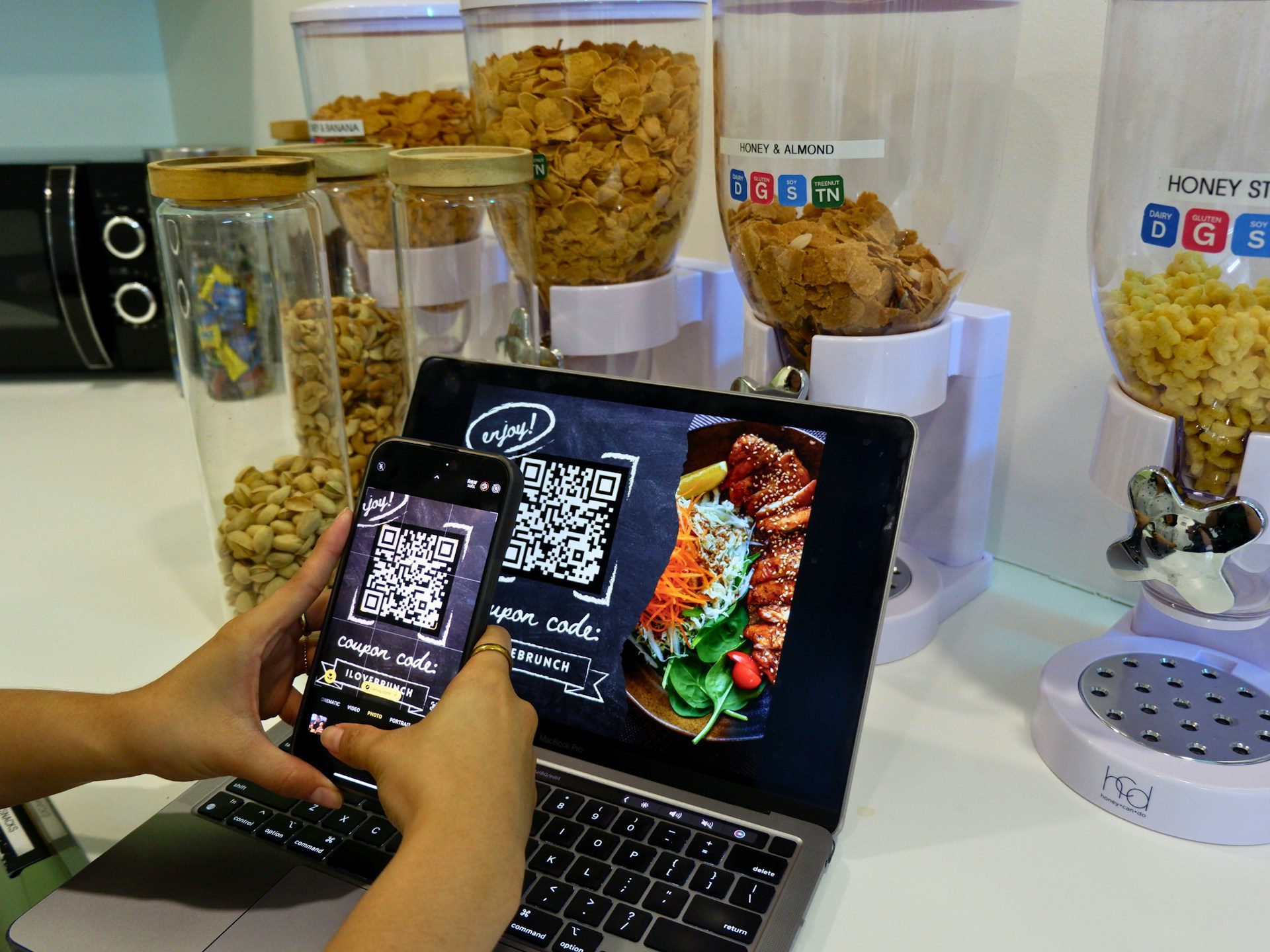
You can reduce clutter by switching to digital receipts. Many stores offer email or app-based receipts that you can easily save and organize on your phone.
Uploading paper receipts using a scanning app helps keep your wallet and home tidy. It also makes finding specific receipts faster when you need them.
For coupons, store apps and websites let you clip and save offers without printing. This way, your deals stay organized and accessible right from your phone.
Buy ‘buy one, get one free’ only if you can use both

When you see a buy one, get one free deal, it might seem like a great bargain. But only buy it if you know you’ll actually use both items.
BOGO deals can lead to clutter if you end up storing things you don’t need. Treat these offers like a 50% off sale, not a reason to stockpile.
Think about your space and your habits before grabbing that extra product. This way, you save money without adding unnecessary stuff.
Choose multi-functional furniture with storage

When you pick furniture that does more than one job, you save space and keep things neat. Look for pieces like ottomans or benches with hidden compartments.
These let you tuck away blankets, books, or toys without adding clutter. You’ll get extra seating or a footrest and clever storage all in one spot.
This approach helps your place feel open and organized, even when you have lots of stuff. Choosing smart, storage-friendly furniture is an easy way to keep your home tidy while still stylish.
Create a dedicated space for thrifting finds

You’ll find it easier to organize and appreciate your thrifted items when they have their own spot. This could be a shelf, a small corner, or a display area in your home.
Having a dedicated space helps you avoid clutter by keeping things contained. It also encourages you to think about how each piece fits with your decor before bringing more home.
This way, you enjoy your finds without feeling overwhelmed by too much stuff.
Adopt the reverse hanger trick to find unused clothes

Try turning all your hangers backward at the start of the season. Each time you wear an item, turn its hanger the right way.
By the end of the season, you’ll see which clothes stay reversed. These are the pieces you haven’t worn and might consider donating or selling.
This simple trick helps you spot unused clothes without guessing. It’s an easy way to declutter and keep only what you really use.
Use labeled containers to organize new purchases

When you bring new items home, place them in labeled containers right away. This helps you keep track of what you have and where it belongs.
Using clear labels lets you spot what you need without creating extra mess. You can use a label maker or print your own labels for a clean look.
If your containers might get wet or need washing, choose waterproof or vinyl labels. This keeps your system neat and durable over time.
Limit impulse buys by waiting 24 hours

When you feel the urge to buy something, pause and give yourself 24 hours to think it over. This waiting period helps you separate wants from needs.
Add the item to your cart or write it down, then step away. Often, you’ll find that the initial excitement fades, and you can decide more clearly if the purchase is worth it.
This simple rule can help you avoid clutter by preventing unnecessary items from entering your home.
Swap items with friends instead of buying new
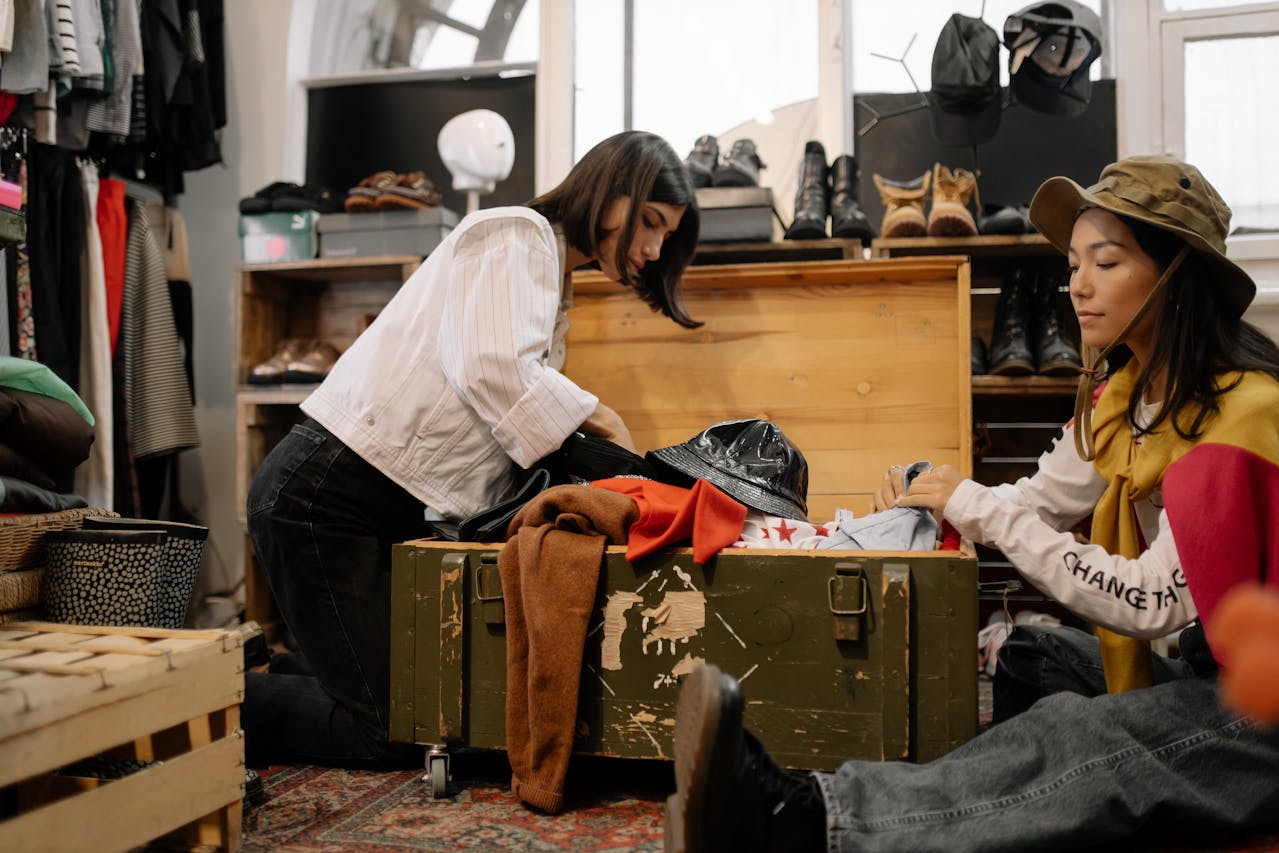
You can save money and avoid clutter by swapping items with friends. Instead of buying something new, find something you no longer need and trade it for what you want.
Swapping makes it easy to refresh your belongings without adding extra stuff. Plus, it’s a fun way to reconnect and share things that others might enjoy. Give it a try before shopping.
Use binder pockets for organizing small deal finds

You can keep small deal finds like coupons, receipts, or stickers neatly sorted using binder pockets. These clear pockets make it easy to see what you have without digging through piles.
Just slide your items into each pocket, and label sections by category or store. This method keeps your deals accessible and prevents clutter from building up on your desk or drawers.
Only buy items you’d pay full price for

Before buying any deal, ask yourself if you’d actually pay full price for the item. If the answer is no, it’s likely not something you really need.
This helps prevent clutter because you’re only bringing home things you truly want or need.
Focusing on these purchases means your savings won’t be wasted on stuff that just takes up space. Stick to deals that make sense for items already on your must-have list.
Declutter monthly to prevent accumulation

Make it a habit to declutter once a month. This small routine helps stop clutter from piling up and keeps your space manageable.
Set aside just 15 minutes each month to sort through items you no longer need. You’ll save time and avoid stress later.
Involving others in your home can make this process quicker and more enjoyable. Keeping clutter in check means your deals don’t turn into chaos.
Set a ‘maybe’ box for unsure purchases

When you’re not sure whether to keep something, put it in a “maybe” box. This gives you time to think before committing to the item.
Set a reminder to revisit the box after a few weeks. If you haven’t used or needed an item by then, it’s easier to let it go.
This simple trick helps you avoid clutter while still giving yourself space to decide calmly.