1. Starting Without a Plan

Starting to declutter without having a well-thought-out plan in mind is one of the biggest mistakes one can make. A plan gives you a clear sense of direction and helps you to stay focused throughout the process.
Without a plan, it’s easy to become overwhelmed by the sheer volume of items you have to sort through. This can lead to indecision and procrastination, both of which waste energy and time. Make a plan before you start decluttering. This could involve deciding on a specific room to start with, setting a time limit for each decluttering session, or creating a list of items that you definitely want to keep.
2. Trying to Do Everything at Once

Most people underestimate the amount of time and energy it takes to declutter a space. This often results in trying to do too much too quickly, which can lead to burnout and a lack of progress.
Decluttering is a process that requires patience and persistence. Trying to rush through it will only result in frustration and wasted energy. Instead of attempting to declutter your entire house in a single day, try breaking the task down into smaller, more manageable chunks. This could involve decluttering one room or even just one drawer at a time.
3. Not Sorting Items Properly

One of the most common decluttering mistakes is failing to sort items properly. This often results in items being moved from one place to another, without actually removing anything from your space.
When decluttering, it’s important to create distinct categories for your items. This could include categories such as ‘keep’, ‘donate’, ‘sell’, and ‘recycle’. By doing this, you’re able to clearly see what items you have and make informed decisions about what to do with them. This not only saves energy but also makes the process of decluttering much more efficient.
4. Holding Onto Items ‘Just in Case’

One of the biggest hurdles in the decluttering process is the fear of letting go. Many people hold onto items ‘just in case’ they might need them in the future. This can result in a cluttered space and a lot of wasted energy.
It’s important to remember that the purpose of decluttering is to create a more spacious and organized environment. If an item hasn’t been used in over a year, it’s probably safe to say that it’s not something you need. Let go of the ‘just in case’ mentality and only keep items that you use regularly or have a strong emotional attachment to.
5. Buying More Storage Solutions
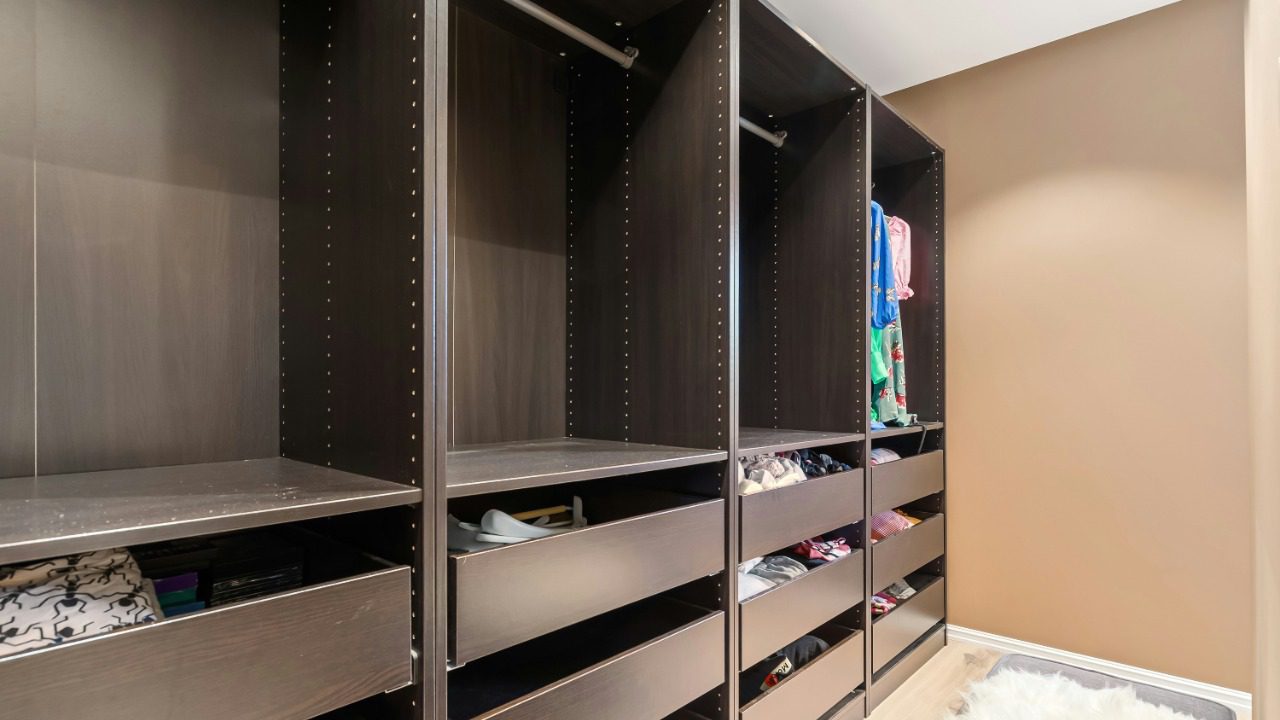
When decluttering, it can be tempting to buy more storage solutions in an attempt to organize your items. However, this often results in more clutter and wastes a lot of energy.
Instead of buying more storage, try to make the most of what you already have. This could involve rearranging your items in a more efficient way or getting rid of items that you don’t use or need. Remember, the goal of decluttering is to reduce the amount of stuff you have, not just to organize it better.
6. Not Considering the Value of Your Time

Decluttering is a time-consuming process. One common mistake is not considering the value of your time when deciding whether to keep, sell, or donate an item.
If you’re spending hours trying to sell an item that’s only worth a few dollars, you’re probably wasting more energy than you’re gaining. Consider the value of your time and make decisions accordingly. Sometimes, it’s more efficient to donate or recycle an item than to try to sell it.
7. Not Following Through with Your Plan

Once you’ve made a plan and started decluttering, it’s essential to follow through with it. Many people start with good intentions, but then get distracted or lose motivation.
Remember, decluttering is a process that requires patience and perseverance. Keep your end goal in mind and make a conscious effort to stick to your plan. This will ensure you make steady progress and don’t waste energy on unnecessary tasks.
8. Forgetting to Maintain Your Space

Decluttering is not a one-time task. It’s an ongoing process that requires regular maintenance. If you declutter your space but then don’t maintain it, you’ll simply end up back where you started.
To avoid this, make sure you develop a system for maintaining your space. This could involve setting aside a few minutes each day to tidy up, or scheduling regular decluttering sessions. Remember, the goal of decluttering is to create a more spacious and organized environment. Regular maintenance is key to achieving this.
9. Not Asking for Help

Decluttering can be an overwhelming process, and it’s okay to ask for help. Whether it’s enlisting a friend to help you sort through items or hiring a professional organizer, getting help can save you energy and make the process much more manageable.
Remember, it’s okay to ask for help. Decluttering is a big task, and it’s not something you have to do alone. By asking for help, you can save energy and make the process much more efficient.
10. Not Being Honest with Yourself

When decluttering, it’s important to be honest with yourself about what items you actually use and need. Many people keep items out of guilt or a sense of obligation, which can result in a cluttered space and wasted energy.
If you’re holding onto an item because you feel guilty about getting rid of it, it’s probably time to let it go. Remember, the purpose of decluttering is to create a more spacious and organized environment. By being honest with yourself, you can make progress towards this goal and save energy in the process.
11. Not Taking Breaks

Decluttering is a physically and emotionally draining process. It’s important to take regular breaks to rest and recharge.
If you try to power through without taking breaks, you’ll likely end up feeling exhausted and burnt out. This can hinder your progress and waste a lot of energy. Remember, it’s okay to take breaks. Decluttering is a marathon, not a sprint.
12. Not Celebrating Progress

Many people focus so much on the end goal of decluttering that they forget to celebrate the progress they’ve made. This can result in feelings of frustration and overwhelm, which can waste energy and hinder progress.
Remember, decluttering is a process. Each step you take towards a more organized and spacious environment is worth celebrating. By acknowledging your progress, you can boost your motivation and make the process much more enjoyable.
13. Not Using the Right Tools

Using the wrong tools or not using any tools at all can make the decluttering process much more difficult and time-consuming.
Invest in some basic decluttering tools like trash bags, recycling bins, and boxes for donations. Having the right tools at hand can make the process much more efficient and save you a lot of time and energy.
14. Not Setting a Deadline

Without a deadline, it’s easy to put off decluttering indefinitely. This can result in a cluttered space and a lot of wasted energy.
Setting a deadline gives you a clear timeframe to work towards and helps to keep you motivated. Remember, the goal of decluttering is to create a more spacious and organized environment. Having a deadline can help you to achieve this goal more efficiently.
15. Not Considering Your Personal Needs and Preferences

Everyone has different needs and preferences when it comes to their living environment. It’s important to take these into account when decluttering. If you try to follow a one-size-fits-all approach, you’ll likely end up feeling frustrated and unsatisfied.
Remember, the goal of decluttering is to create a space that makes you feel happy and comfortable. By considering your personal needs and preferences, you can create a space that truly works for you. This will not only make the decluttering process more enjoyable, but it will also save you a lot of energy in the long run.