As global economic uncertainties continue, food prices are on the rise. One of the best ways to safeguard your household against these fluctuations is by stocking up on emergency foods. Not only will this save you money in the long run, but it also ensures you’re prepared for any eventuality. Here are 15 emergency foods you should consider stockpiling.
1. Pasta
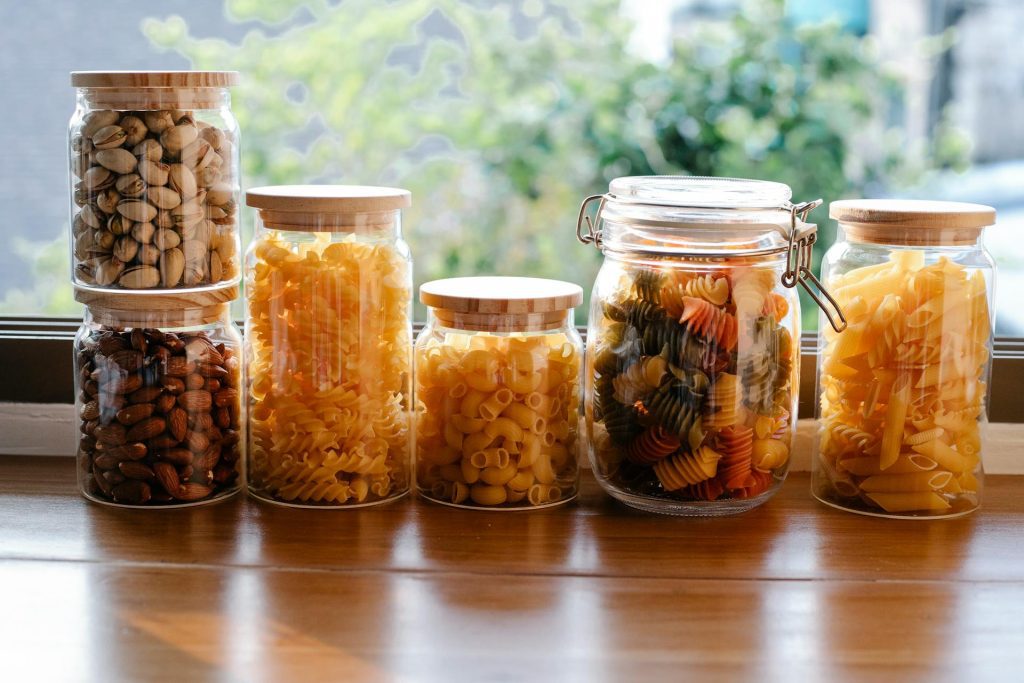
Like rice, pasta is another high-carb food that can be stored for a long time. Pasta is highly adaptable and can be used in a wide range of dishes from soups to salads. It is also rich in fiber, which aids digestion and keeps you feeling full longer. Plus, pasta is often available in bulk packages, making it a cost-effective choice for a food stockpile.
2. Rice

Rice is a versatile staple that can be stored for long periods. It’s rich in carbohydrates, providing your body with the energy it needs. In Asian countries, rice is a key staple and is used to prepare numerous dishes. You can buy it in bulk, and it doesn’t take up much storage space. Rice is also easy to cook, and it can be paired with almost anything, making it a must-have in any emergency food stockpile.
3. Canned Tuna

Canned tuna is a great source of protein and omega-3 fatty acids. The canning process ensures it has a long shelf-life, making it ideal for stockpiling. It’s also very easy to prepare, as it doesn’t require cooking. You can use canned tuna in salads, sandwiches, or even eat it straight from the can.
4. Beans

Beans are a great source of protein and fiber and can be stored for a long time without losing their nutritional value. They’re also incredibly versatile and can be used in everything from chili to salads. Dried beans are typically cheaper and have a longer shelf life than canned beans, but canned beans can be eaten without requiring cooking, offering convenience in an emergency.
5. Canned Vegetables

Canned vegetables are a great addition to any emergency food stockpile. They have a long shelf life and are packed with essential vitamins and minerals. Plus, they’re already cooked, so you can eat them straight from the can if necessary.
6. Peanut Butter

Peanut butter is a great source of protein and healthy fats. It’s also high in calories, making it an excellent energy source during an emergency. Peanut butter can be eaten on its own, spread on bread, or used in cooking.
7. Honey

Honey is a natural sweetener that has an incredibly long shelf life. It’s a great source of calories and provides quick energy. Additionally, honey has antibacterial properties and can be used to treat minor wounds and burns.
8. Powdered Milk

Powdered milk can be used as a direct substitute for fresh milk. It’s full of calcium and protein, and it has a long shelf life. All you need to do is mix it with water, and you have fresh milk.
9. Bottled Water

While not technically a food, water is the most essential item to have in any emergency. It’s recommended to store at least one gallon per person per day.
10. Canned Soup
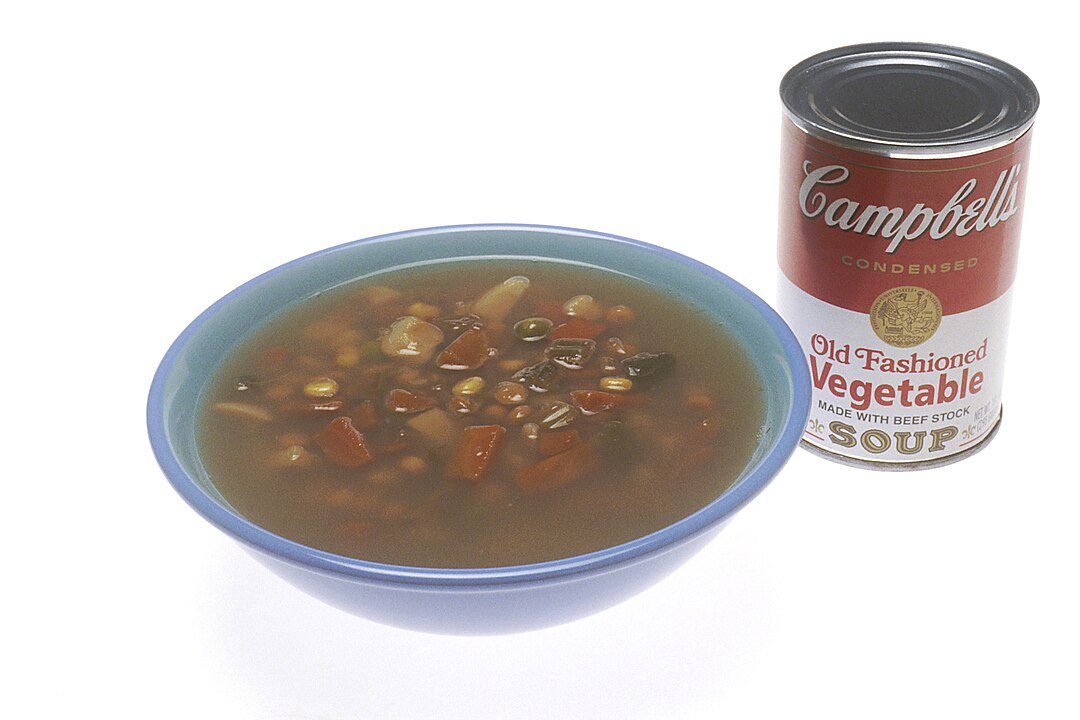
Canned soup is a meal in itself. It’s packed with nutrients and requires no additional cooking. Simply heat and eat.
11. Instant Coffee
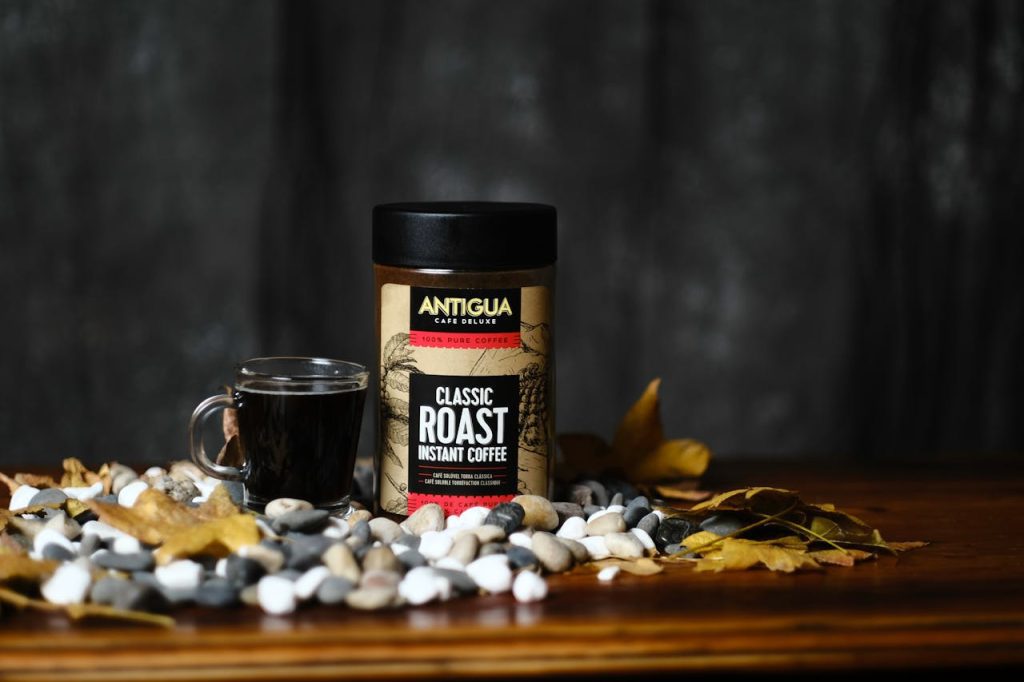
A cup of instant coffee can provide a much-needed energy boost in an emergency. It’s also comforting to have something familiar in stressful times.
12. Salt
Salt is a vital mineral for the human body. It can also be used to preserve food and add flavor to meals.
13. Cooking Oil
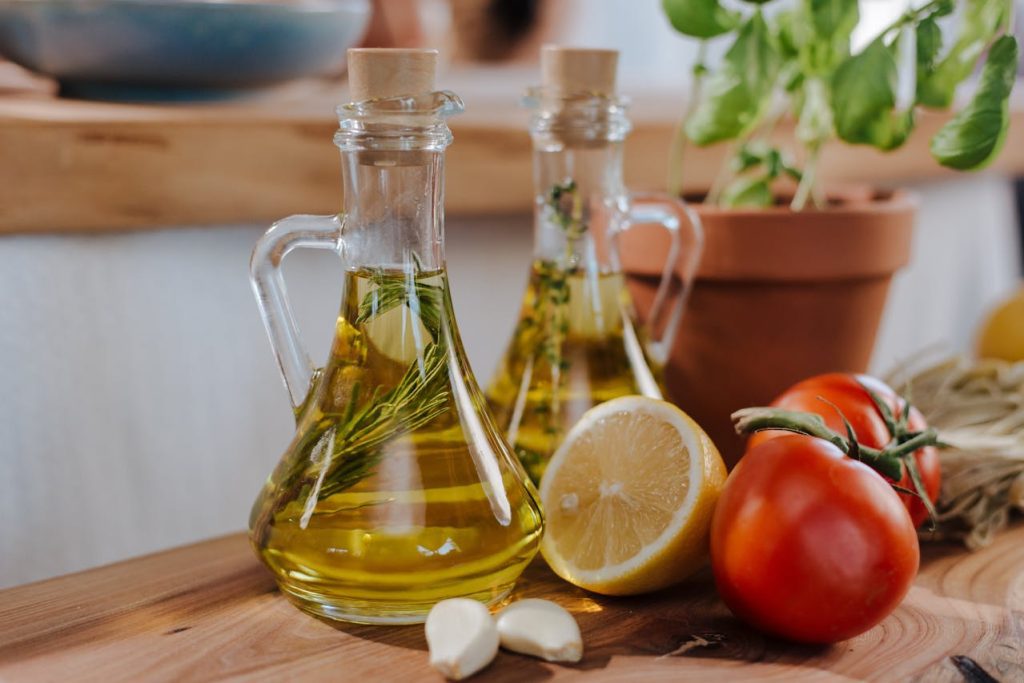
Cooking oil is a necessary part of most recipes. It can be used for frying and sautéing or as a base for dressings and sauces.
14. Flour

Flour is a versatile ingredient that can be used to make bread, pancakes, and other staples. It’s also a good source of calories.
15. Granola Bars
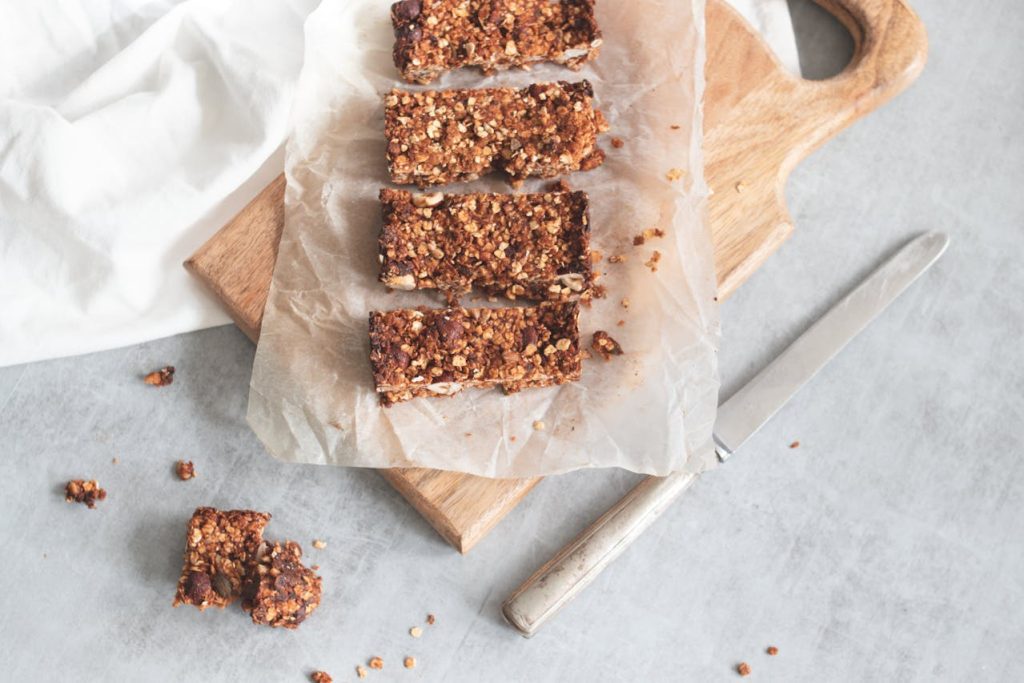
Granola bars are a quick and easy snack that’s packed with nutrients. They’re also portable, making them an excellent choice for an on-the-go emergency food.