When it comes to storing food, the refrigerator often feels like the safest place to keep everything fresh. However, not all foods benefit from cold temperatures. Some ingredients actually lose flavor, texture, or spoil faster when refrigerated.
Knowing which foods you should never refrigerate helps you maintain their quality and enjoy them at their best. By understanding proper storage, you can avoid wasting food and get the most out of your groceries.
Bananas

You should keep bananas at room temperature to help them ripen properly. The cooler environment of the fridge slows down this process and can cause the peel to turn dark.
If your bananas are already ripe and you want to slow further ripening, you can put them in the fridge. Just know the skin may still darken, but the fruit inside will stay fresher longer.
Tomatoes

You should never refrigerate tomatoes. Cold temperatures can make them lose flavor and become mealy in texture.
Keep your tomatoes at room temperature, away from direct sunlight. This helps them ripen properly and stay juicy.
If your tomatoes are very ripe and you need to store them longer, refrigerate only for a short time. Let them come back to room temperature before eating for better taste.
Whole Garlic Bulbs

You should keep whole garlic bulbs out of the fridge. Cold temperatures increase moisture, which can cause garlic to spoil faster.
Store your garlic in a cool, dry spot with good air circulation, like a hanging basket or a garlic keeper. This helps it stay fresh for weeks.
Avoid peeling or breaking the bulb before storing, as whole bulbs last longer than separated cloves. Keep it firm and free from sprouting for the best flavor.
Onions (whole, unpeeled)
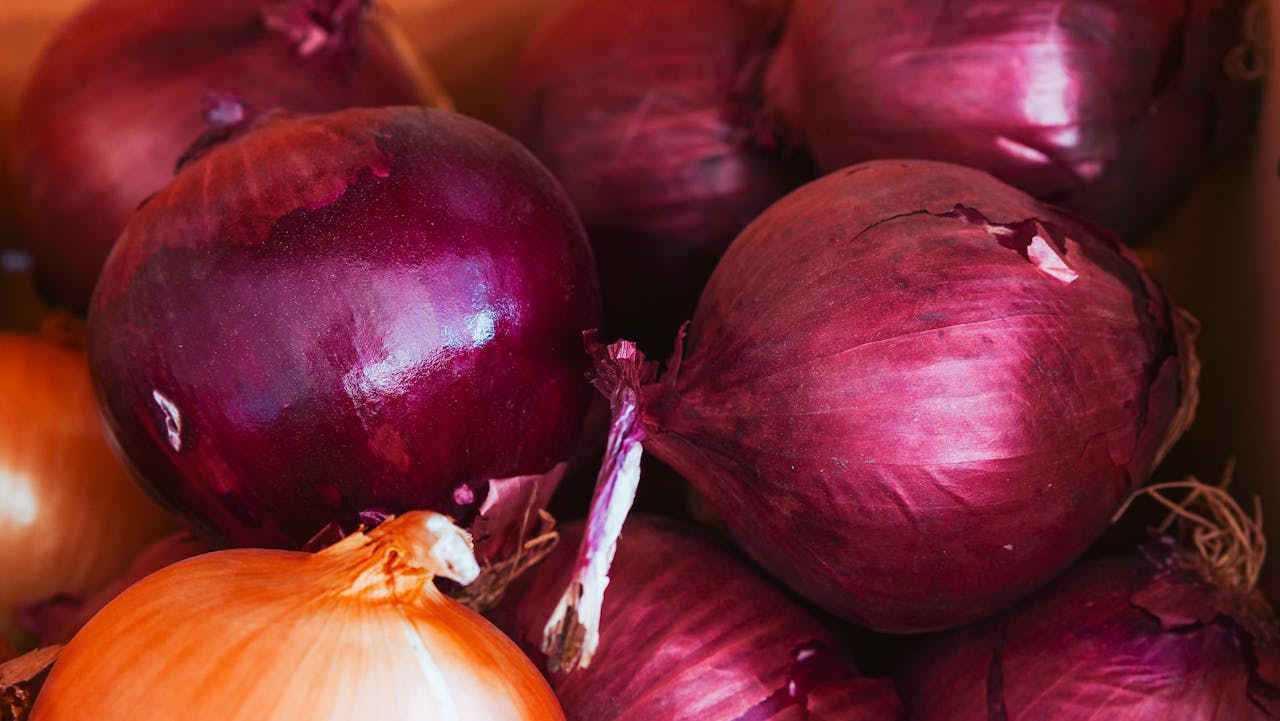
You should keep whole, unpeeled onions out of the fridge. Cold temperatures can turn their starches into sugars, making them taste sweeter and softer.
Refrigeration also adds moisture, which can cause onions to become moldy or mushy. Instead, store them in a cool, dry place like your pantry or a countertop bowl. This helps them stay fresh longer and keeps their texture just right.
Avocados (until ripe)

You should keep avocados at room temperature until they are ripe. This helps them soften evenly and develop better flavor.
Once your avocado feels soft but not mushy, you can move it to the fridge. Refrigeration slows ripening and keeps it fresh for a couple more days.
Keeping the pit inside can also help maintain freshness while stored in the fridge. This way, you avoid wasting an avocado before you’re ready to eat it.
Potatoes

You should avoid refrigerating potatoes because cold temperatures turn their starch into sugar. This change makes them taste sweeter and affects their texture, making them gritty.
Instead, store your potatoes in a cool, dark, and dry place with good ventilation. A pantry or cupboard works well.
Keeping them away from onions and direct sunlight will help maintain their flavor and freshness longer.
Honey

You should avoid putting honey in the fridge. Refrigeration causes honey to crystallize, making it grainy and harder to use.
Storing honey in a cool, dry place like your pantry keeps it smooth and easy to drizzle. Honey’s natural properties prevent it from spoiling, so there’s no need to refrigerate for safety reasons.
If you have raw honey, keeping it at room temperature helps preserve its nutrients and flavor better. Just make sure the jar is tightly sealed to prevent moisture from getting in.
Coffee Beans

You might think storing coffee beans in the fridge keeps them fresh, but it actually does the opposite. The moisture inside the fridge can make your beans soggy and affect their flavor.
Plus, your coffee can absorb other food odors, which changes its taste. It’s best to keep your beans in an airtight container in a cool, dark place outside the fridge. This way, they stay fresh longer and taste better.
Bread (store in a bread box)

You should avoid refrigerating your bread because it dries out quickly and loses flavor. Instead, keep it at room temperature in a bread box or a sealed bag. This helps maintain the bread’s moisture and freshness longer.
If you don’t plan to eat it soon, freezing is a better option than refrigeration. Just slice it before freezing so you can thaw only what you need. Keeping bread in a bread box also protects it from pests and helps it stay soft.
Peaches
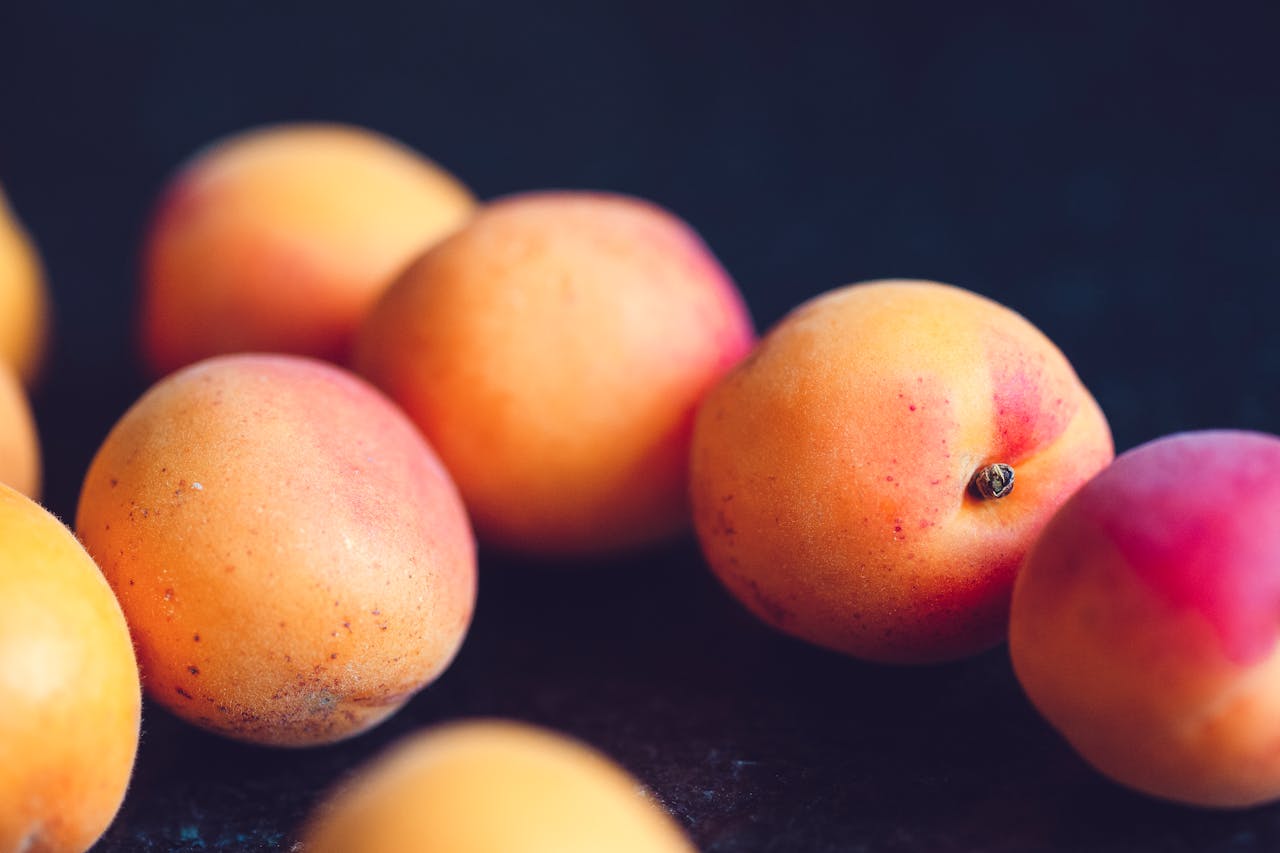
You should keep peaches at room temperature to help them ripen evenly. Store them in a paper bag or on the counter away from direct sunlight.
Refrigerating peaches too soon can make them lose flavor and become mealy. Once your peaches are ripe, you can refrigerate them to slow down further ripening and keep them fresh longer.
Plums
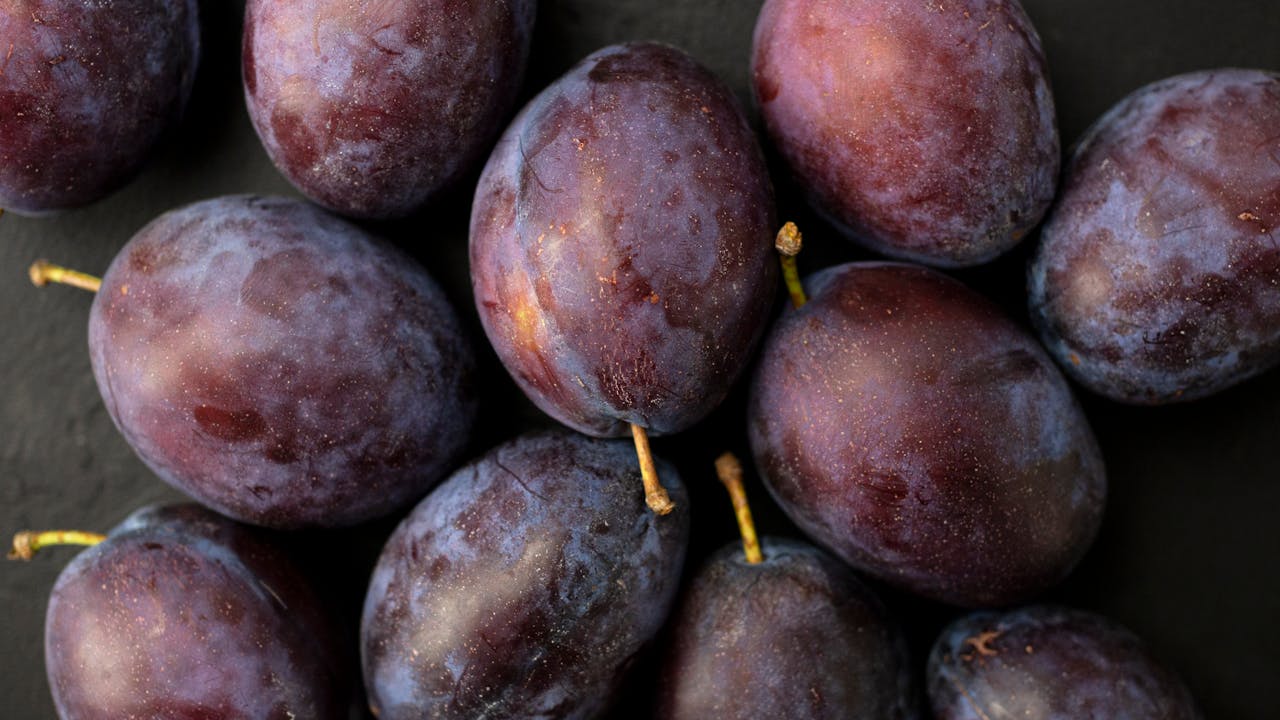
You should avoid refrigerating plums, especially if they are not fully ripe. Keeping them at room temperature allows them to ripen properly and develop their full flavor.
Once your plums are ripe, you can store them in the fridge for a couple of days to slow down spoilage. But try to eat them soon for the best taste and texture.
Melons (whole)

You should keep whole melons like watermelon, cantaloupe, and honeydew out of the fridge. Storing them at room temperature helps them ripen properly without losing texture or flavor.
Keep them in a dry spot away from direct sunlight. Once you cut your melon, then you can refrigerate the pieces to keep them fresh for a few days.
Chocolate

You might think refrigerating chocolate keeps it fresh, but it can actually cause a problem called sugar bloom. This shows up as a white, powdery layer on the surface, which happens when moisture affects the sugar in the chocolate.
To keep your chocolate tasting its best, store it in a cool, dry place away from direct sunlight. This helps preserve its texture and flavor without the risk of moisture damage.
Nuts (unshelled)

You can keep unshelled nuts at room temperature without worry. Their shells protect them from moisture and air, helping them stay fresh longer.
Storing them in the fridge isn’t necessary and might cause them to absorb unwanted smells. Keeping them in a cool, dry place works best for maintaining their natural taste and texture.
Oil-based Dressings
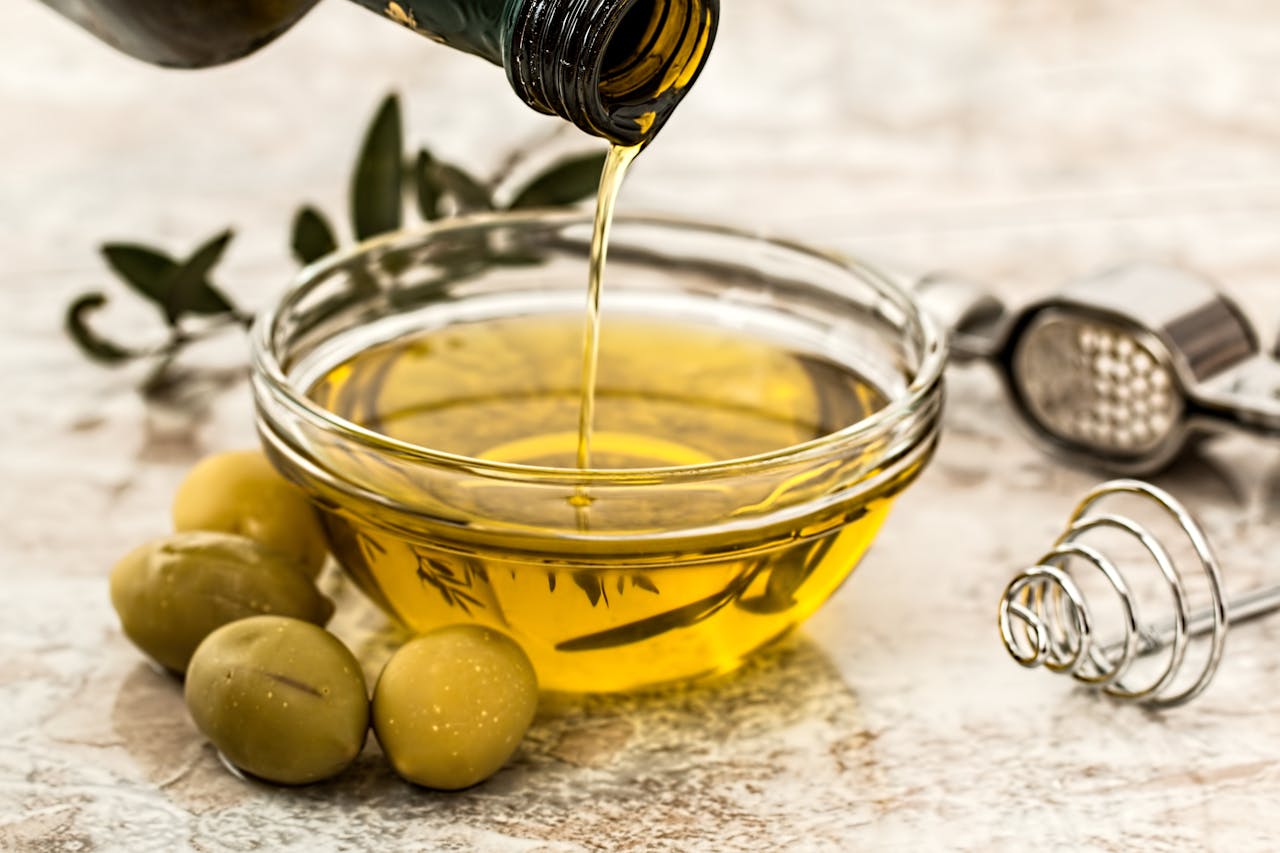
If your dressing is made mostly of oil and vinegar, it usually doesn’t need to go in the fridge. Refrigerating these dressings can cause the oil to solidify, making it look cloudy or chunky.
You can keep oil-based dressings in a cool, dark place instead. Just give them a good shake before using to mix everything back together. This way, your dressing stays fresh and easy to pour.