Keeping your home clean involves more than just the obvious surfaces you see every day. Many areas and items get overlooked during regular cleaning but can collect dust, dirt, and germs over time.
By paying attention to these forgotten spots, you can create a healthier and more comfortable living space. Understanding where these hidden areas are will help you refresh your cleaning routine and tackle grime you didn’t even know was there.
Behind the toilet

You might overlook the area behind your toilet because it’s out of sight. However, this small space can collect dust, mold, and bacteria over time.
Take a moment to spray a disinfectant and use a brush or an old toothbrush to scrub behind the base. This simple step helps keep your bathroom cleaner and fresher.
Underneath beds

You might forget to clean under your bed, but it can collect dust, pet hair, and allergens. Moving your bed occasionally to vacuum or dust can make a noticeable difference in air quality.
If you store items under your bed, take some time to pull everything out. Wipe down the surfaces to remove dust buildup that often goes unnoticed.
Skirting boards

Skirting boards are easy to overlook when cleaning, but they collect dust and dirt over time. You can clean them without much effort by using a cloth dipped in a vinegar and water solution.
If your skirting boards are wooden or old, avoid liquids and use a wood cleaner instead. Remember to dry them immediately to prevent damage.
For greasy kitchen skirting boards, a mild bleach solution can help remove stains. Just apply, wait, scrub gently, and rinse well.
Trash cans

You might take out the trash often but forget to clean your trash cans themselves. Leftover food and spills can leave unpleasant smells and bacteria behind.
To keep your trash can fresh, wash it regularly with hot, soapy water. If it’s large, use a bathtub or hose to rinse well, then spray with disinfectant.
Doing this helps reduce odors and keeps your space cleaner.
Range hood back edges

You probably clean your range hood filters, but the back edges often get ignored. Grease and grime can build up in these small, hard-to-reach areas.
Cleaning the back edges helps keep your range hood working well and stops unpleasant odors. Use a degreaser and a soft cloth to wipe them down regularly. This simple step makes a noticeable difference in your kitchen’s cleanliness.
Window tracks

Window tracks are easy to miss but can collect a surprising amount of dust, dirt, and debris. When you open your windows, take a moment to look closely at the tracks.
Spray your cleaner directly into the tracks and wipe with a cloth or use a small brush to loosen dirt. Regular cleaning prevents buildup and makes sliding your windows smoother. Don’t forget to dry them well to avoid mold or mildew.
Under sofas

You might not realize how much dust and debris can build up under your sofa. It’s a spot that often gets overlooked because it’s out of sight.
Using a vacuum with a brush attachment makes it easier to reach under and clean without moving heavy furniture.
Regularly checking under your sofa helps keep your living space cleaner and reduces allergens.
Ceiling fan blades

You probably forget to clean your ceiling fan blades often. Dust and allergens build up there quickly, affecting air quality.
Try slipping an old pillowcase over each blade to trap dust as you wipe. This method keeps mess to a minimum.
After dusting, use a damp microfiber cloth with mild cleaner to remove any stuck-on grime. Make sure to dry the blades well to avoid streaks.
Light switch plates

Light switch plates are one of the most touched surfaces in your home. Yet, they often get overlooked during cleaning.
You can easily collect dirt, fingerprints, and bacteria there. Wiping them regularly with a disinfectant cloth helps keep them clean and safe.
Always spray cleaner on a cloth first, not directly onto the plate, to avoid damage. Adding this simple step to your routine makes a big difference.
Remote controls
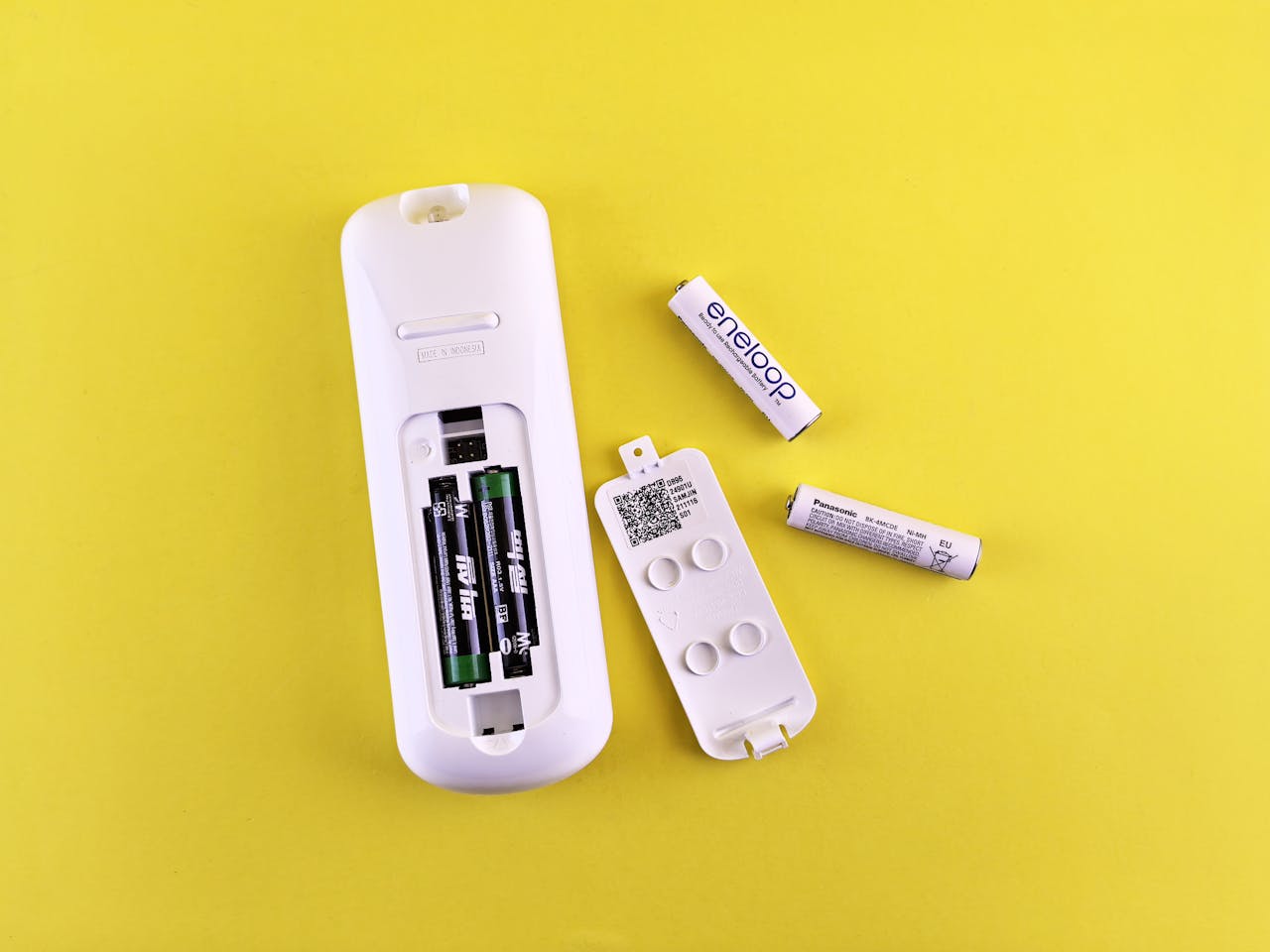
Your remote control is touched frequently but rarely cleaned. It can collect dust, dirt, and germs from your hands and snacks.
Even if you eat healthy snacks, food particles still land on it. Wiping it regularly with an alcohol-based solution helps keep it sanitary.
Cleaning your remote often can reduce bacteria buildup and make your living space feel fresher. It’s a small step with a noticeable impact.
Inside microwave door

You might not realize it, but the inside of your microwave door can collect grease and food splatters. These buildup spots are easy to miss but can affect how well you see inside while cooking.
To clean it well, you can carefully remove the inner panel if your microwave allows. This helps you reach trapped dirt more thoroughly without scratching the surface.
Use gentle cleaners and soft cloths to avoid damaging the door’s materials. Regular cleaning keeps your microwave looking clear and working smoothly.
Refrigerator door seals

You might overlook your refrigerator door seals, but they collect dirt and mold over time. Cleaning them helps keep your fridge airtight and your food fresh.
Use a mix of warm water and mild dish soap to wipe down the seals gently. Avoid harsh chemicals like bleach or ammonia, as they can damage the rubber.
Check the seals by closing a piece of paper in the door. If it slides easily, the seal might need cleaning or replacing.
Dishwasher filter

Your dishwasher filter catches leftover food and debris during the wash cycle. If you don’t clean it regularly, grime builds up and can cause your dishes to come out dirty or smell bad.
It’s easy to remove the filter. Just soak it in warm, soapy water, scrub off any stuck bits, rinse well, and pop it back in. Make this a monthly habit to keep your dishwasher working smoothly.
Inside door handles

You probably touch door handles many times a day but rarely think about cleaning inside them. Dirt, sweat, and germs can build up in the crevices around the handle.
Use a small brush or a disinfecting wipe to clean those hard-to-reach spots. Regular attention can help reduce germs and keep your home feeling fresh. Don’t forget both sides of the handle!
Shower curtain rings

You might overlook your shower curtain rings, but they can collect grime, soap scum, and even mold. This buildup can make them look dull and cause rust if they’re metal.
To clean them, take the rings off and soak them in warm, soapy water for 15-20 minutes. After soaking, rinse and dry them before putting them back. This simple step keeps your rings clean and working smoothly.