If you’re looking to simplify your space while being mindful of what truly matters, death cleaning offers a thoughtful way to declutter. This method helps you reduce excess belongings so your life—and what you leave behind—feels lighter and more manageable.
Death cleaning isn’t just about getting rid of stuff; it’s a gentle process that encourages reflection and intentional living. By approaching decluttering with care, you can make the task less overwhelming and more meaningful.
Start Small: Tackle a Single Drawer

Begin with a small, manageable space like one drawer. This keeps things simple and helps you avoid feeling overwhelmed.
Set a timer for 20 minutes and focus just on that drawer. Sorting through a limited amount of items makes the process easier.
As you go, decide what to keep, donate, or toss. Small steps add up and build your confidence to tackle more later.
Sort Items by Emotional Value

Start by thinking about the memories connected to each item. Ask yourself if the object brings you comfort or joy.
Keep things that hold positive meaning or remind you of important moments.
If an item feels neutral or causes stress, consider letting it go. This approach helps you focus on what truly enriches your life and makes the process gentler.
Use Fika Breaks to Pace Yourself

When you practice death cleaning, it’s important to take breaks. Fika, a Swedish tradition of enjoying a coffee pause, helps you slow down and refresh.
Taking short breaks during your decluttering sessions keeps your energy steady. It also makes the process feel less overwhelming.
You can enjoy a cup of coffee or tea, chat with a friend, or simply relax. These moments give you space to reflect on what matters most as you sort through your things.
Create ‘Keep,’ ‘Donate,’ and ‘Discard’ Piles

Start by sorting your items into three clear piles: keep, donate, and discard. This helps you focus on what truly matters and lets go of what doesn’t.
Be honest with yourself about each item’s value. If it brings joy or usefulness, keep it. If not, consider donating or discarding it.
Remember, donation can give your items new life with others. Discard broken or unusable stuff responsibly to clear your space gently.
Take Photos of Cherished Items
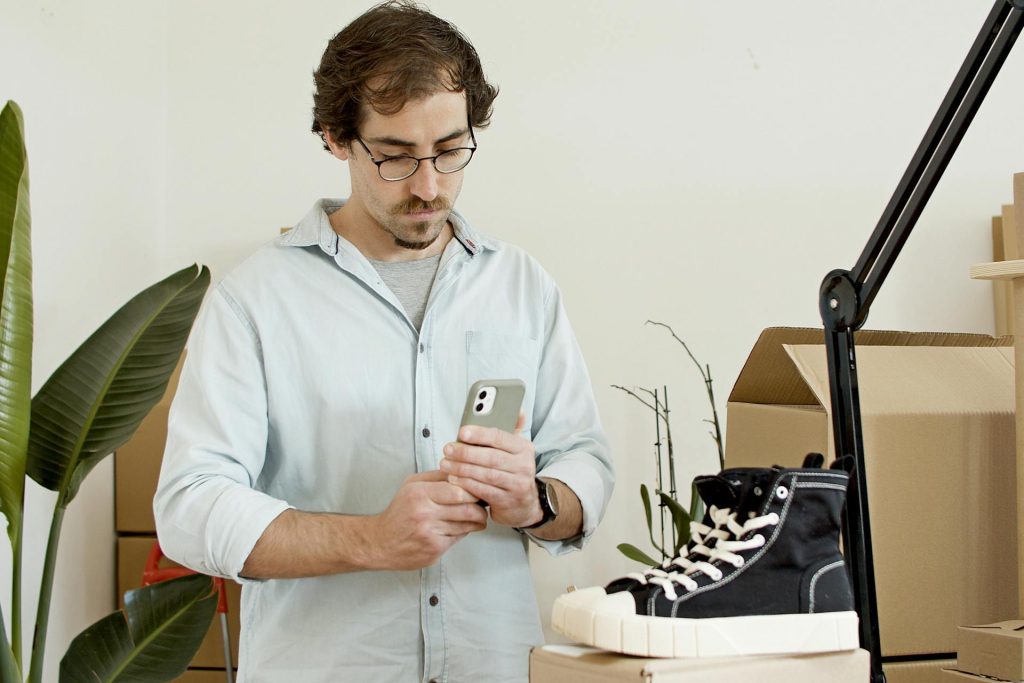
You might find it helpful to take photos of beloved items during your death cleaning. This allows you to preserve memories without keeping every physical object.
Photos can also be shared easily with family and friends. It’s a gentle way to pass down stories and meaning without clutter.
This approach helps you decide what to keep, gift, or let go of, all while honoring your treasured belongings.
Write Notes to Explain Heirlooms
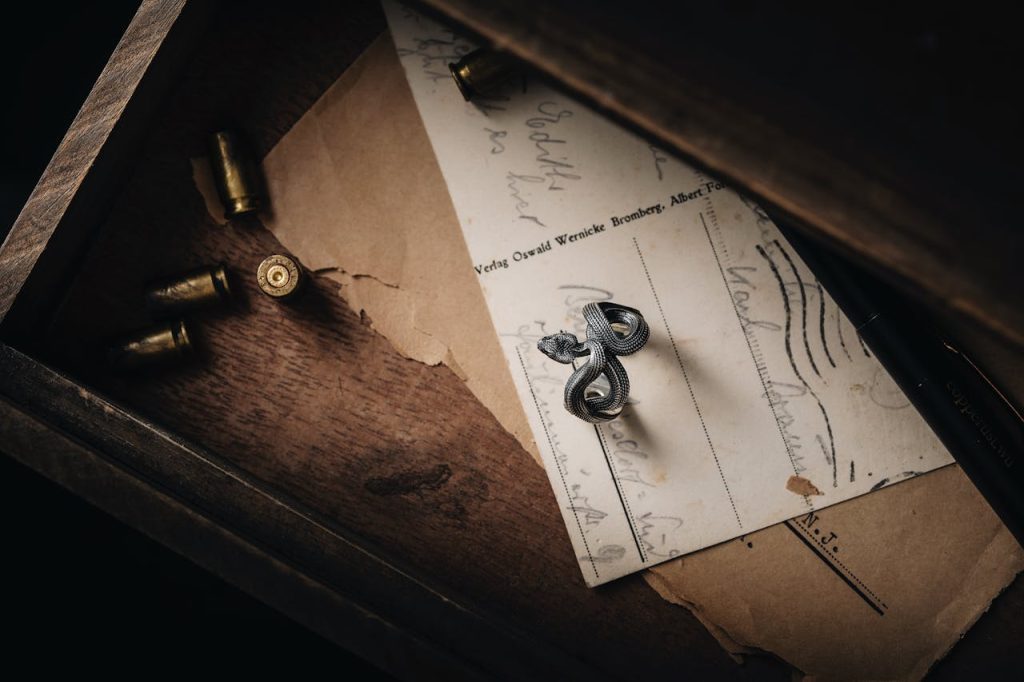
When you pass on heirlooms, adding notes can help your loved ones understand their meaning.
You might write where the item came from or a special memory tied to it.
This makes the gift more personal and easier to appreciate.
You can attach these notes directly to the items or keep them together in a memory jar.
It turns the process into a meaningful way to share your story along with your belongings.
Ask Family Members About Meaningful Objects

You might not always know which items hold special value for your family. Asking them can help you decide what to keep or let go of.
This conversation can also prevent misunderstandings or hurt feelings later. It shows respect for their feelings while you sort through belongings together.
Taking their input makes the process gentler and more thoughtful for everyone involved.
Set a Timer for Decluttering Sessions

You can make decluttering less overwhelming by setting a timer for short sessions. Try working for just 15 minutes at a time to stay focused and avoid burnout.
Using a timer helps create a clear start and stop point, making it easier to manage your energy. This simple trick keeps the process gentle and manageable.
When time’s up, you can take a break or stop for the day without feeling pressured. This method makes it easier to keep going steadily over time.
Treat It Like a Treasure Hunt

As you sort through your belongings, try to see each item as a potential treasure. You might uncover forgotten memories or useful things you didn’t know you still had.
This mindset makes the process more enjoyable and less like a chore. You can take your time, appreciating small discoveries along the way.
Remember, you don’t have to keep everything, but valuing what you find helps you decide what truly matters to you.
Practice Saying No to New Clutter

When you start death cleaning, it’s important to stop bringing in new stuff.
You might feel tempted to keep things “just in case,” but this can slow your progress.
Try to pause and ask yourself if each new item truly adds value to your life.
This habit helps keep your space calm and your efforts focused.
Saying no to new clutter means you honor the work you’ve already done, making your home easier to manage.
Focus on What You Truly Use

Start by looking at the items you use regularly. Keep things that bring comfort or serve a clear purpose in your daily life.
Let go of items you haven’t touched in months or don’t have a meaningful role. This helps reduce clutter without feeling rushed.
By focusing on what you truly use, you make space for what matters now and make life simpler for both you and those around you.
Share Stories Behind Objects

When you sort through your belongings, take time to share the stories behind special items. This helps your family understand the meaning these objects hold for you.
Talking about these memories can create deeper connections and keep your family history alive. It also makes the process feel less like decluttering and more like sharing. Your stories give these things a new life beyond their physical form.
Plan Regular Decluttering Days
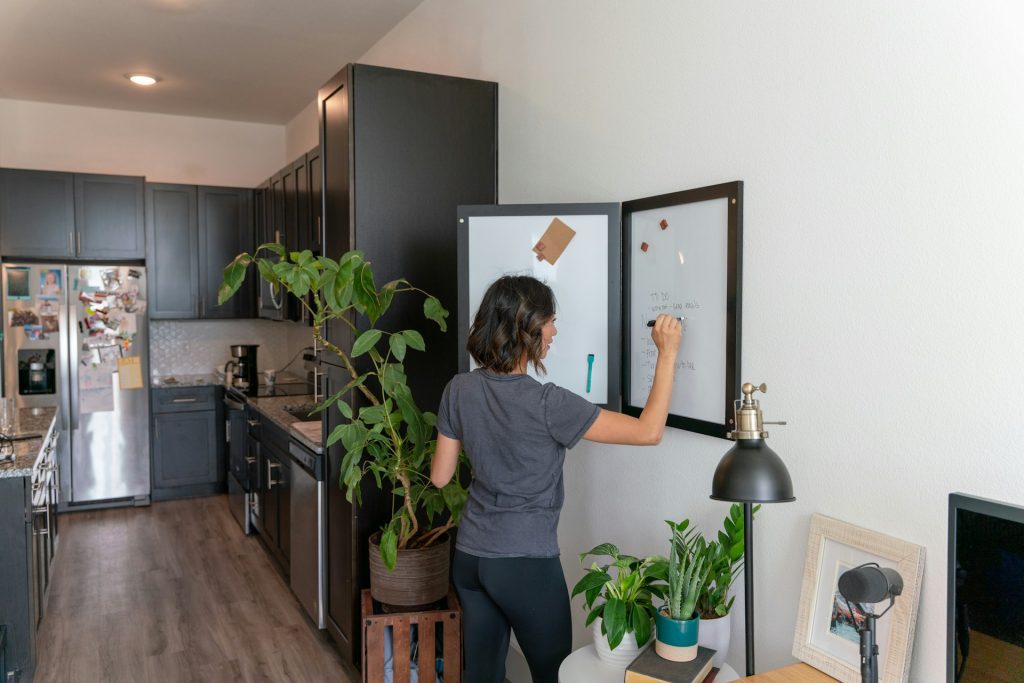
Set aside specific days to gently work through your belongings. Regular sessions help you avoid feeling overwhelmed and keep the process manageable.
You don’t need to rush. Taking your time lets you make thoughtful decisions about what truly matters.
Short, consistent decluttering days are more effective than long, exhausting marathons. This approach keeps the task steady and less stressful.
Avoid Feeling Rushed or Overwhelmed

Take your time with death cleaning. It’s not a race, so avoid rushing through your belongings.
Start small by focusing on one area or category. This helps keep the process manageable.
Give yourself permission to take breaks when needed. This keeps your mind clear and decisions thoughtful.
Remember, it’s about being gentle with yourself and your things, not finishing quickly.
Keep a Journal of Progress

You might find it helpful to write down what you accomplish each day. A journal can keep track of the items you’ve sorted or given away.
Seeing your progress on paper can motivate you to keep going. It also helps you reflect on your feelings during the process.
If you want, note any memories or thoughts that come up. This makes the experience more personal and meaningful.