When it comes to home storage, the basement is a go-to solution for many homeowners. Its vast space and out-of-sight, out-of-mind location make it an easy choice for hiding away those seldomly used items. But not everything is meant to be stored in the basement. In fact, there are some things that can get damaged or cause damage if they are stowed away down there. In this post, we will share 15 items that you should never store in your basement, along with the reasons why.
1. Photographs
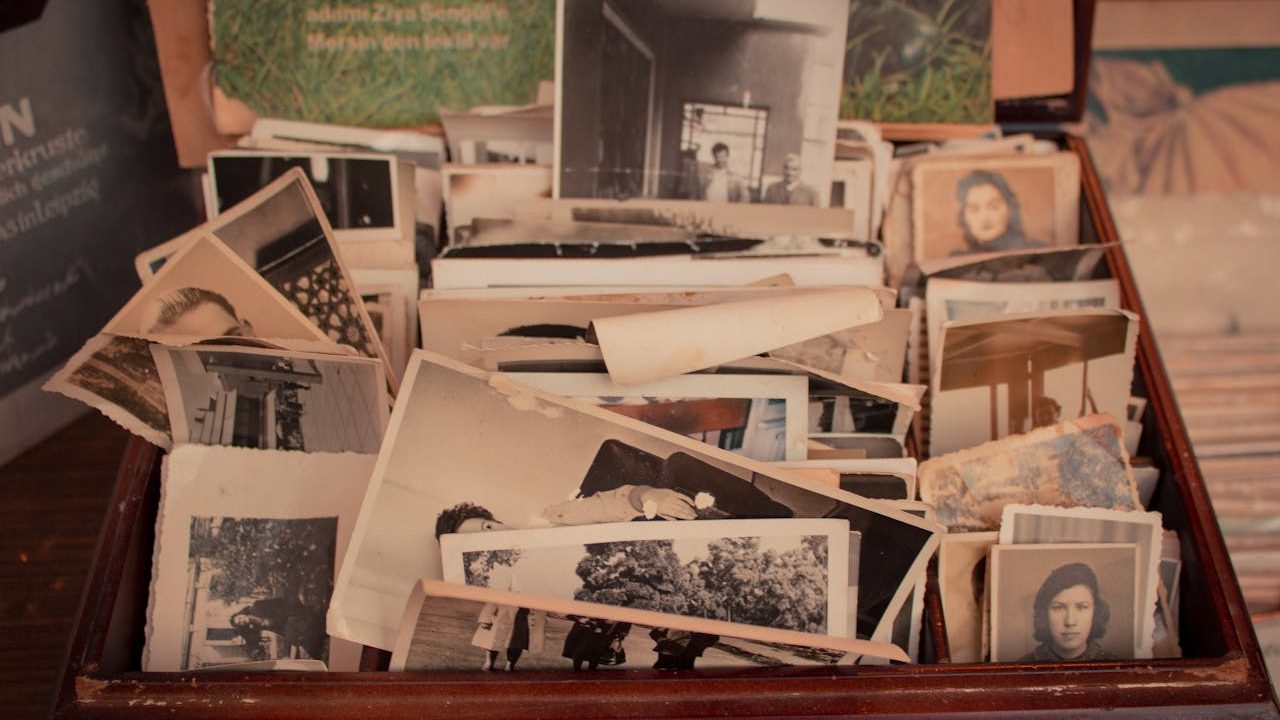
Photographs are precious mementos that capture our most cherished memories. Unfortunately, basements often have high humidity levels which is damaging to photos. Moisture can cause your photos to stick together, develop mold, or even disintegrate over time. Instead, store photographs in a dry, cool place, preferably in archival photo albums that can provide extra protection.
2. Wooden furniture
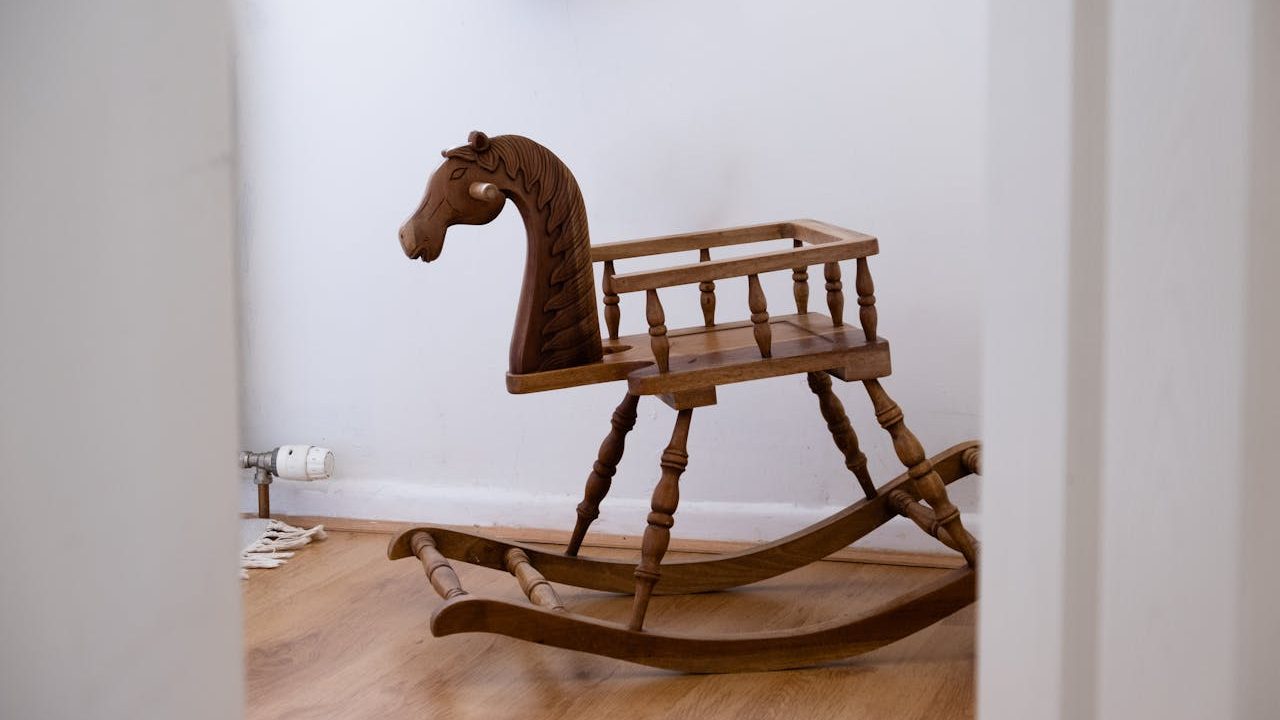
While it might seem like a good idea to store your unused wooden furniture in the basement, it’s not. Wood can absorb moisture, leading to swelling, warping, and rot. Additionally, basements are often home to pests such as termites, which can destroy your wooden furniture. To preserve your wooden furniture, consider selling or donating items you no longer need. If you need to store them, ensure they are kept in a dry, climate-controlled area.
3. Electronics
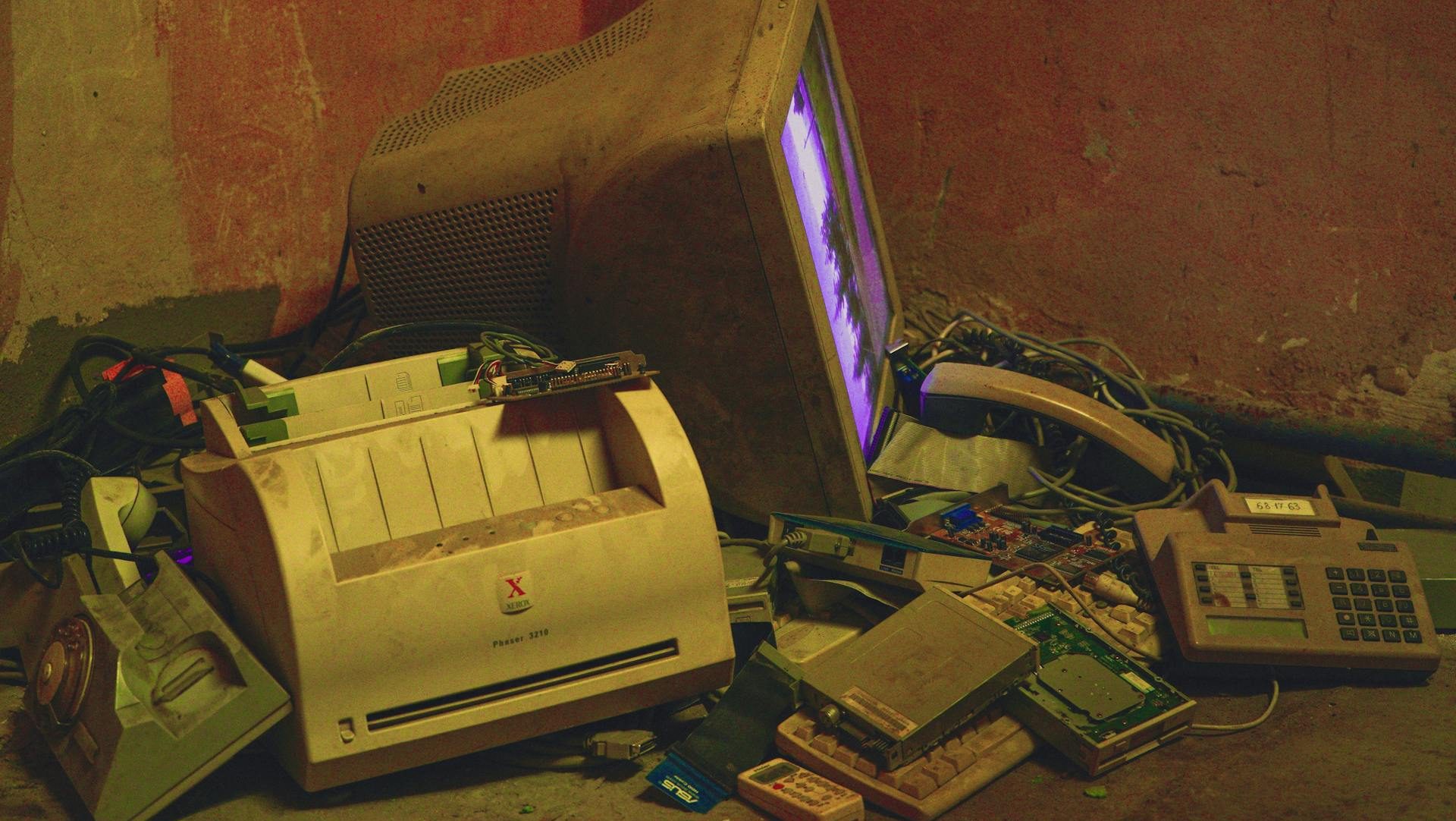
Electronics and basements don’t mix well. Just like with photographs and wood, moisture can cause serious damage to electronic devices. It can cause corrosion on the metallic parts and even short-circuit your devices, rendering them useless. Instead, consider selling or recycling old electronics, or store them in a dry, temperature-controlled space.
4. Wine
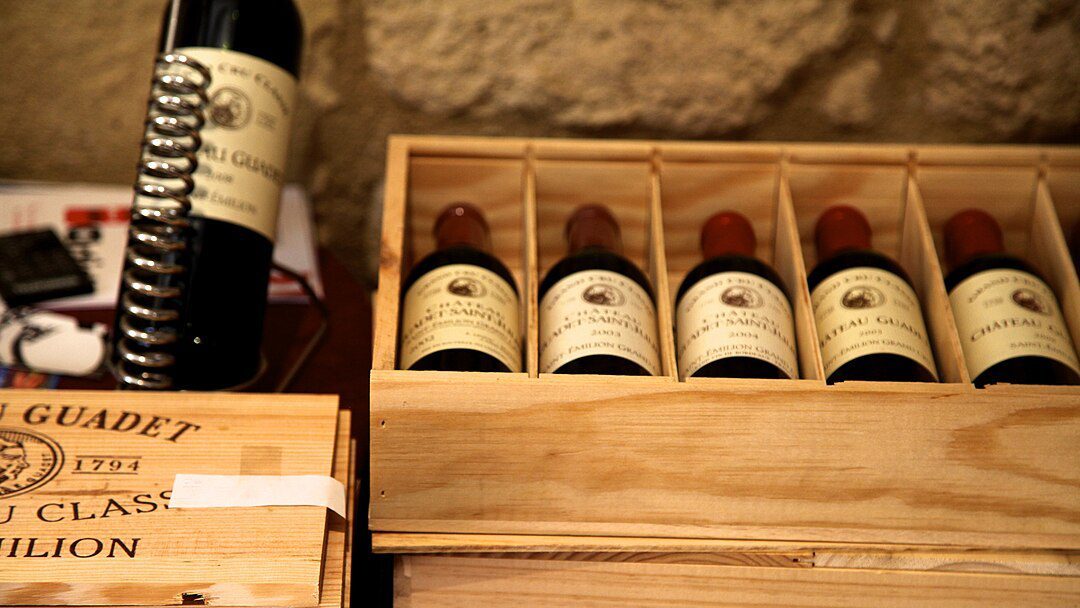
It might seem counterintuitive, but the basement isn’t the best place for your wine collection. While it’s true that wine should be stored in a cool place, the humidity levels in your basement can damage the wine labels and even affect the wine’s quality. Consider investing in a wine fridge or cellar that provides a controlled environment for your wine.
5. Canned food

Canned food might seem like a perfect candidate for basement storage, but it’s not. Canned food needs to be stored in a cool, dry place. However, the typical basement environment can cause the cans to rust, leading to food spoilage. Instead, store your canned goods in a pantry or kitchen cupboard.
6. Paper documents

Important paper documents like birth certificates, passports, and tax records should never be stored in the basement. The moisture can cause the ink to fade, and the paper to warp or grow mold. Instead, consider storing these documents in a fireproof and waterproof safe in a dry, accessible part of your home.
7. Fabrics

If you’re thinking of storing clothes, bedding, or other fabrics in your basement, think again. The humidity can cause mold and mildew to grow, leaving your fabrics smelling musty and discolored. Instead, store fabrics in a dry, cool place and consider using vacuum-sealed bags for extra protection.
8. Artwork

Artwork is another item that doesn’t do well in a basement. The humid environment can cause paint to crack, paper to warp, and frames to rot. Keep your artwork safe by storing it in a climate-controlled area.
9. Musical instruments

Musical instruments, especially those made of wood, can be ruined by the humidity in a basement. This can cause the instrument to warp, affecting its sound and playability. It’s best to store instruments in a climate-controlled room, ideally in their cases for added protection.
10. Books
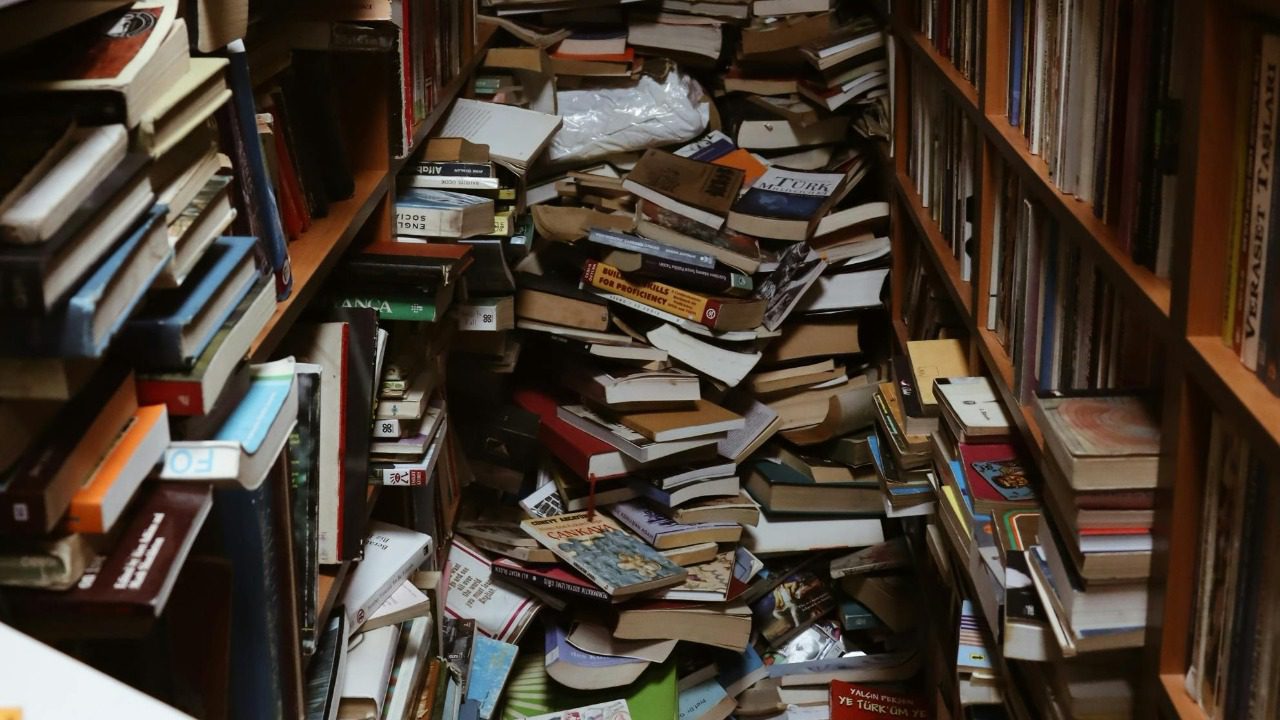
Books can easily get damaged in the basement. The pages can turn yellow, covers can warp, and mold can begin to grow. Instead, store books on shelves in a climate-controlled room.
11. Pet food

Pet food should be kept in a dry, cool place. Storing it in the basement can lead to moisture absorption, causing the food to spoil or grow mold. It can also attract pests.
12. Paints
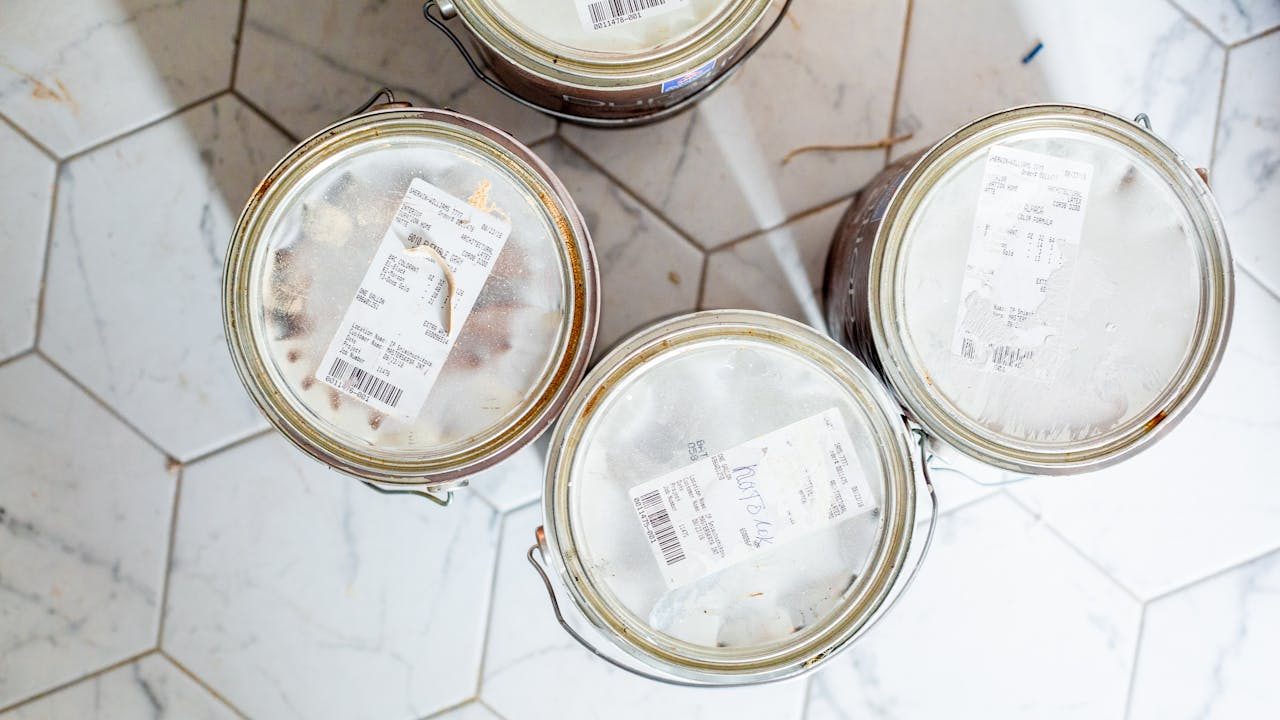
While your unfinished basement might seem like a good place for your leftover paints, the extreme temperatures can cause the paint to separate or spoil. Instead, store paint in a cool, dry place.
13. Cosmetics
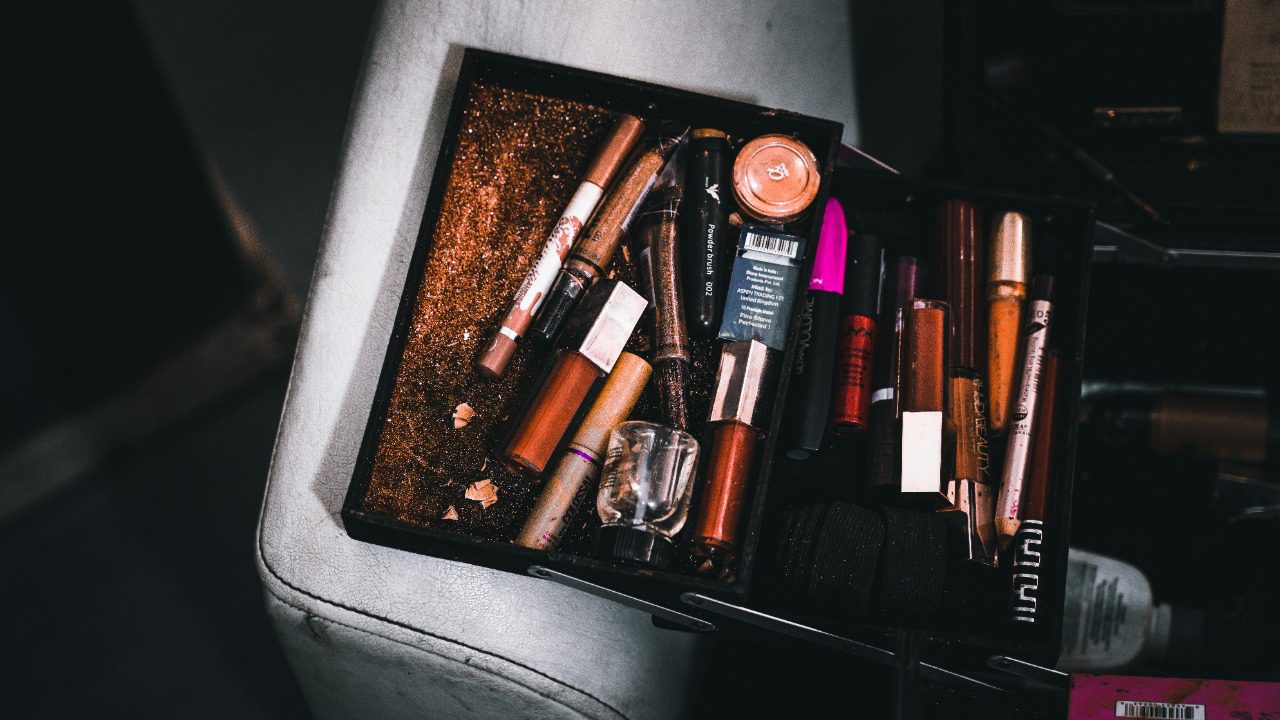
Cosmetics should be stored in a cool, dry place. The humidity in the basement can cause the products to spoil faster or even grow bacteria.
14. Firewood
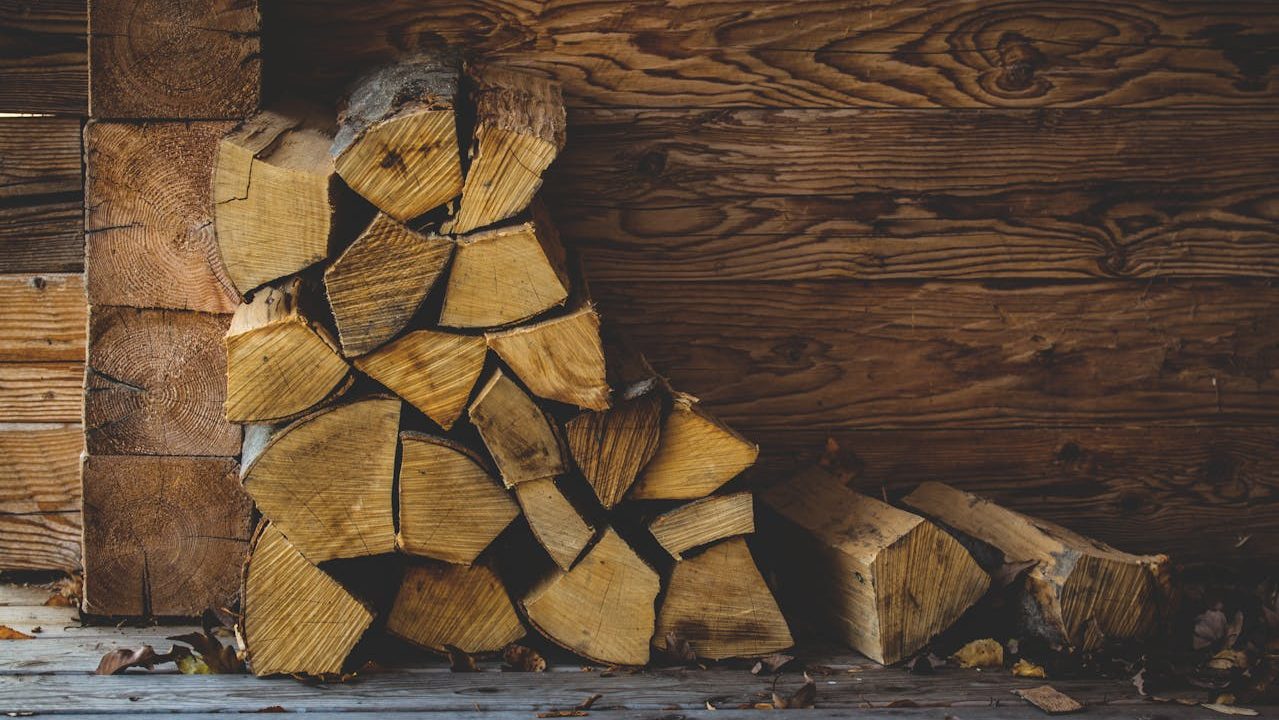
While it might seem like a good idea to keep your firewood in the basement, it can be a disaster. Firewood can bring in pests and it can also become too damp to burn well.
15. Propane tanks
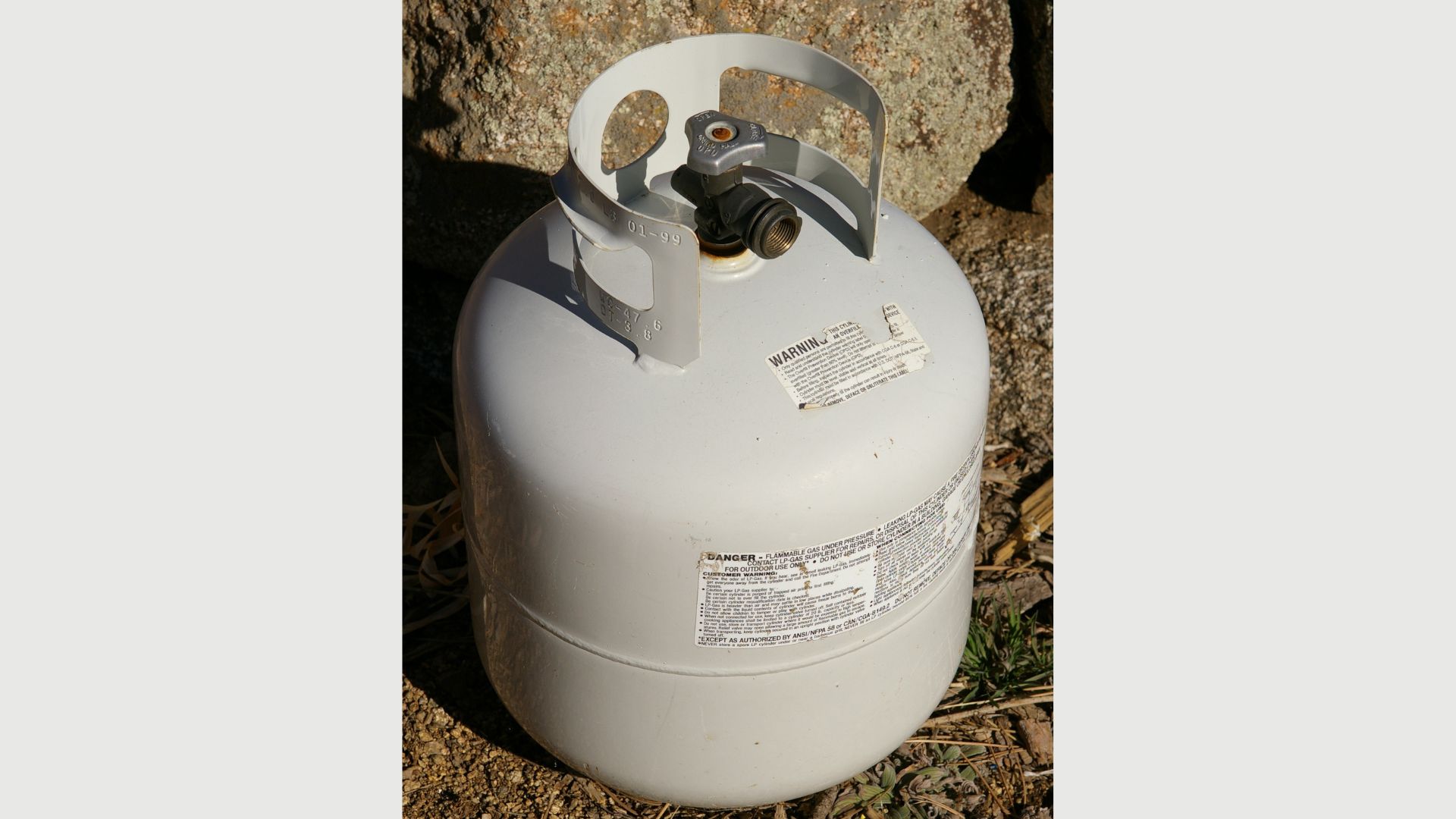
Propane tanks should always be stored outside. Storing them in the basement can lead to a buildup of dangerous fumes and poses a serious fire risk. Always follow the manufacturer’s instructions for safe storage.
In conclusion, while your basement might be a convenient storage spot, it’s not suited for everything. Always consider the specific storage needs of each item to ensure they aren’t damaged or cause damage to your home.