Keeping your space organized can feel overwhelming, but knowing what to keep can make a huge difference. Professional organizers focus on items that add real value and help maintain order in your daily life.
The key is to hold onto things that are practical, versatile, and truly useful, making your home easier to manage and enjoy. When you understand what items to prioritize, clutter becomes much less of a problem.
Important tax documents
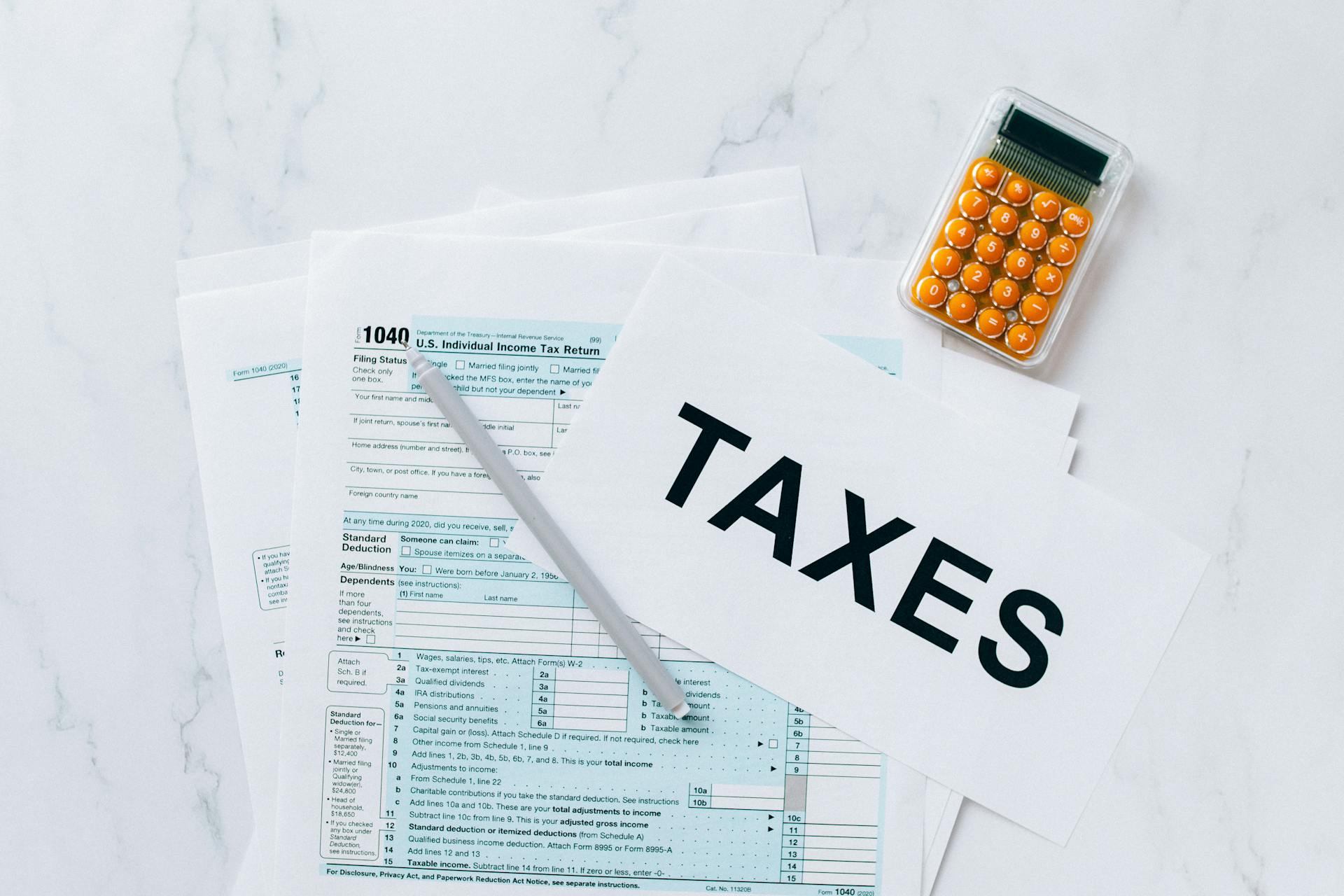
You should keep all documents that support your tax filings. This includes W-2s, 1099s, receipts, invoices, and canceled checks. These help verify your income and deductions if needed.
Create a checklist to make sure you don’t miss anything each year. Organizing these papers carefully can save time and reduce stress during tax season. Keep them in a safe, easy-to-access place for several years, as recommended by tax authorities.
Medical records and vaccination history

Keep your medical records organized in one place. This includes doctor visits, treatments, and test results. Make sure to have a complete list of your current medications, including dosages and frequency.
Don’t forget to include your vaccination history. It helps you and your healthcare provider stay up to date. Having these documents handy makes appointments smoother and can be critical during emergencies or travel.
Warranties and receipts for major appliances

Keep warranties and receipts for your major appliances in a safe, accessible place. These documents prove your purchase date and can help with repairs or replacements.
If you ever need a service or refund, having these papers ready saves you time. Consider organizing them in a labeled folder or digitizing them for easy access when needed.
Passports and government-issued IDs
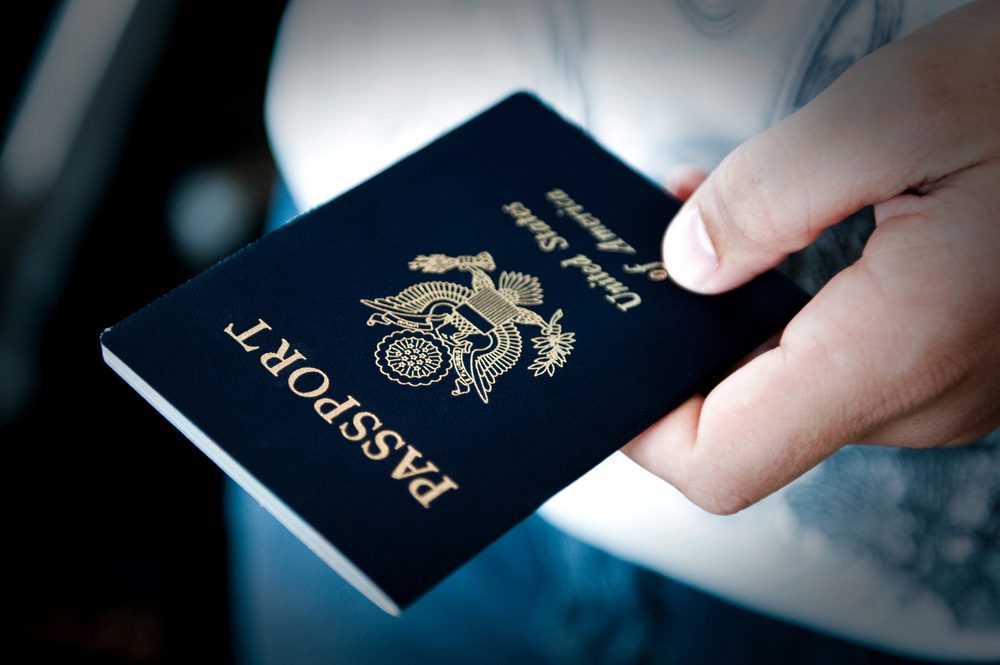
Keep your passports and government-issued IDs in a secure, easy-to-find place. These documents are essential for travel, identification, and various official processes.
Make sure your IDs are current and check expiration dates regularly. Having a designated folder or safe for these important papers helps prevent loss or damage.
If you have different forms of ID, like a driver’s license and a passport, keep them together. This way, you’re always ready when you need proof of identity.
Sentimental letters and cards

You don’t have to keep every letter or card you’ve ever received. Instead, focus on those with personal messages that truly resonate with you. Choose ones that remind you of meaningful moments or show genuine care.
Treat each item individually to decide if it deserves a place in your collection. This makes the process less overwhelming and more manageable.
Luggage used seasonally

You don’t need to keep all your luggage out all year. Store suitcases and travel bags in a hard-to-reach spot when not in use.
This helps free up space in your daily living areas. When travel season comes, your luggage will be easy to find and ready to go.
Using this method keeps your home clutter-free and makes packing less stressful.
Formal serveware for special occasions
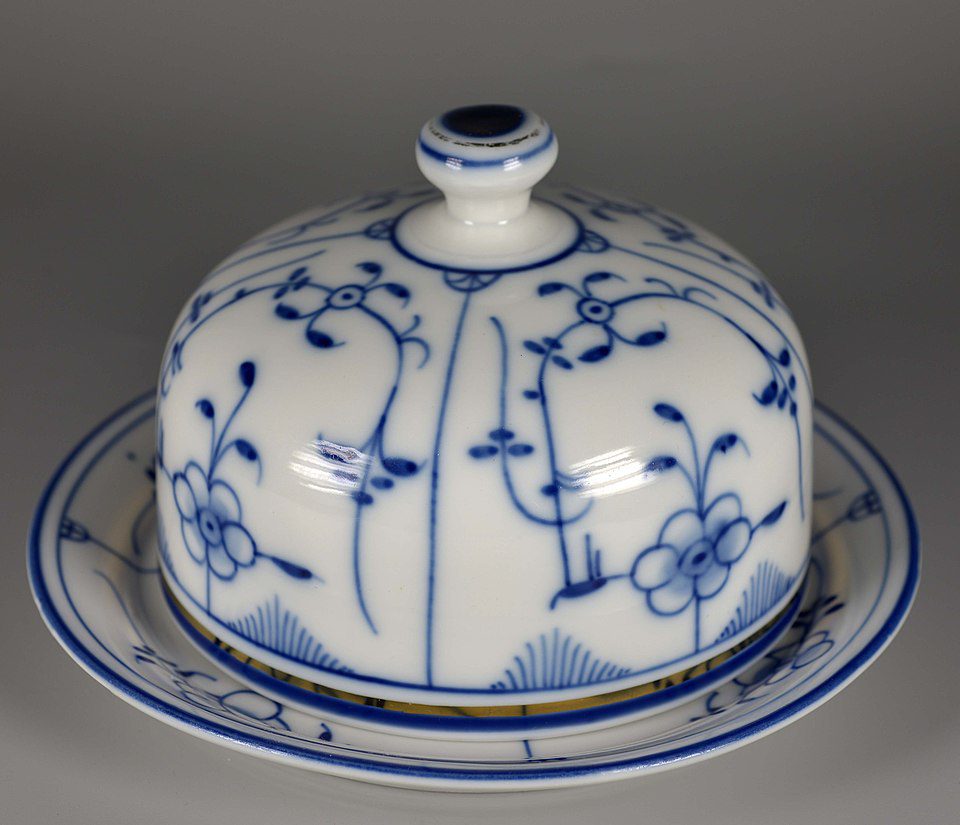
You should keep your formal serveware stored safely for those special moments. These items are not used daily but add a polished touch to celebrations.
Storing them in a hard-to-reach spot helps protect fragile pieces from damage. Use protective coverings or padding to keep everything in good condition.
When you need them, your serveware will be ready to impress without cluttering your everyday space.
Camping gear
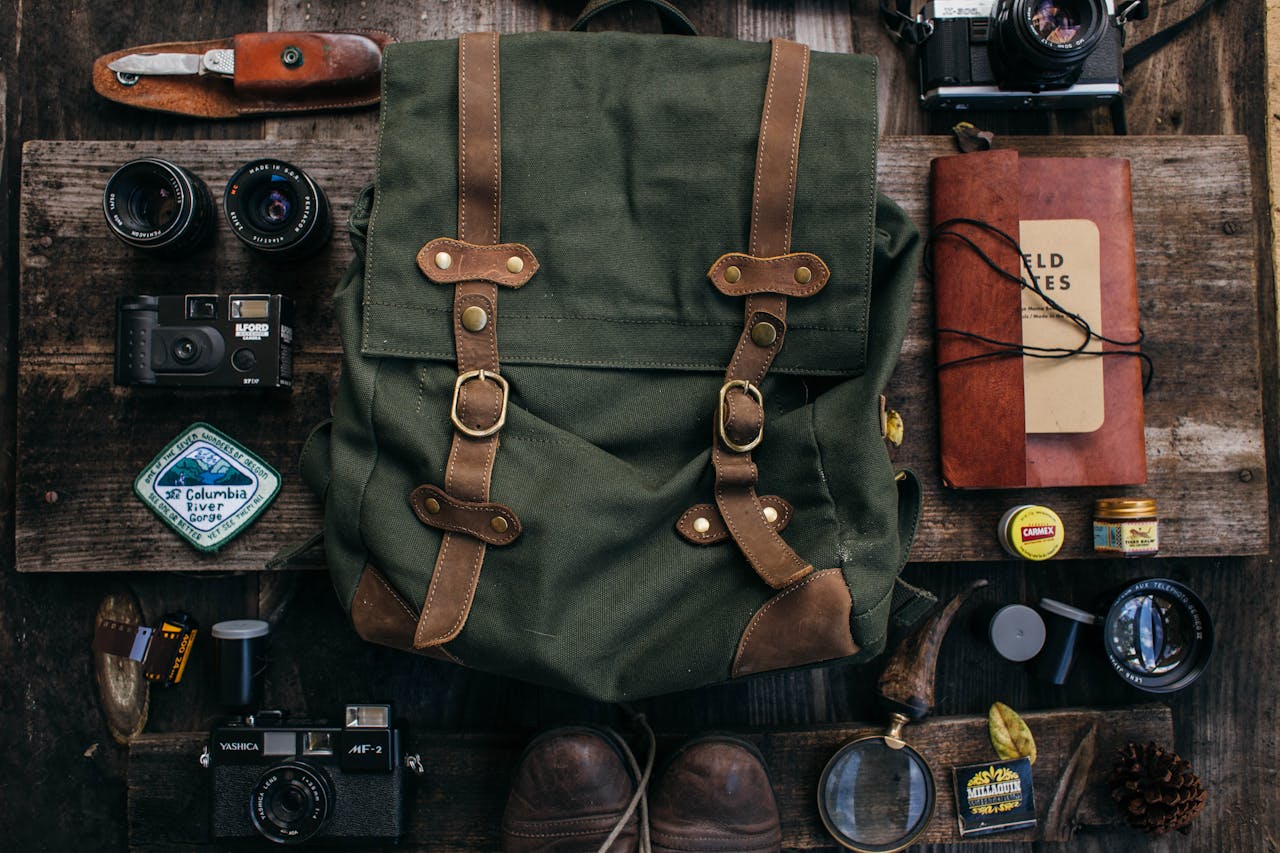
Keep your camping gear organized in clear bins so you can quickly find what you need. Group items by type, like tents, cooking supplies, and sleeping bags.
Color-coding bags or using labeled containers helps you stay efficient.
Only pack what you’ll actually use to avoid carrying unnecessary weight. Keeping gear neat will make your trip more enjoyable and stress-free.
Holiday and seasonal decorations

You should keep your holiday and seasonal decorations organized and in good condition. Storing ornaments individually in small plastic cups inside clear tubs prevents damage and makes them easy to find.
Make sure to check your lights and decorations before storing them. This helps you avoid broken items and ensures everything is ready to use next season. Keeping these decorations saves you time and money over the years.
Photos and albums

You should keep photos and albums that hold meaningful memories. These help you connect with your past and share stories with family and friends.
It’s okay to let go of duplicates or blurry images. Focus on organizing the best ones in albums or digital folders for easy access.
Consider digitizing physical photos to save space, but keep a few special printed albums. They offer a personal touch that digital copies can’t replace.
Insurance policies
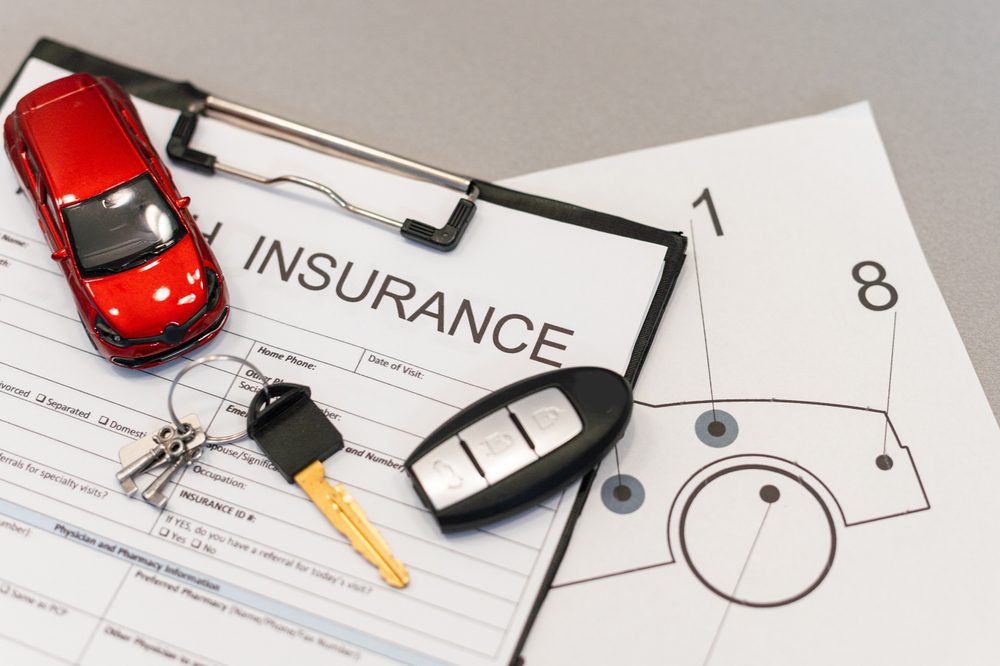
You should consider insurance to protect your work as a professional organizer. It can cover accidents, property damage, or mistakes that might happen while organizing.
Having insurance gives you and your clients peace of mind. It helps handle unexpected situations without major financial loss.
Look for policies that include liability, personal injury, and errors coverage. This ensures you’re protected during all parts of your job.
Birth certificates
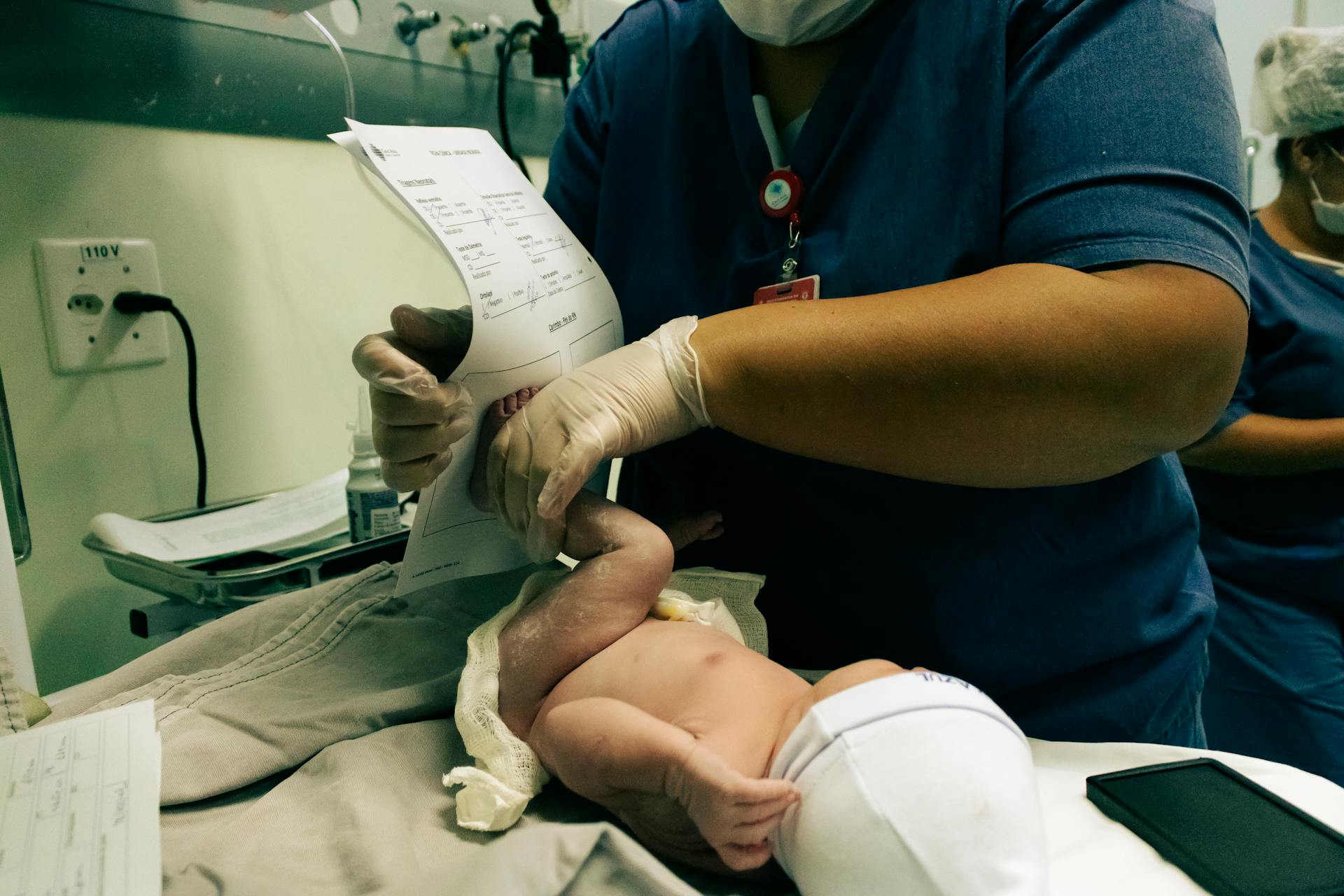
You should always keep your birth certificate in a safe place. It’s one of the most important documents you will need for identification, applying for a passport, or getting a driver’s license.
Consider storing it in a fire-proof safe or a secure filing system. Keeping it accessible but protected helps you avoid unnecessary stress later.
Emergency contact list
You should keep an emergency contact list in a visible and easily accessible spot. This list should include phone numbers for family members, close friends, doctors, and emergency services.
Updating your list regularly ensures it stays accurate. Having this information ready can save valuable time during urgent situations. Keep a physical copy even if you rely on your phone.
Current medication information

Keep an up-to-date list of all your current medications. Include dosages, how often you take them, and any special instructions.
This helps you manage your health better and makes it easier to share important details with doctors or caregivers. Regularly review and remove expired or unused medications to stay organized and safe.
Family heirlooms

You should keep family heirlooms that hold true sentimental value. These items often connect you to your past and loved ones, making them worth preserving.
Photos, fabric items, and important documents are common heirlooms to safely store. They help tell your family story and deserve careful care.
Avoid holding onto too many objects from the past. Focus on those with genuine meaning to you and your family.