Your garage might seem like the perfect spot for extra storage, but not everything is suited to stay there. Changes in temperature, humidity, and pests can damage many common household items when they’re left in the garage.
Understanding which items shouldn’t be stored in your garage can save you money and prevent unpleasant surprises. Knowing what to keep out will help protect your belongings and keep your space organized.
Books

You should avoid storing books in the garage. The temperature and humidity levels there often fluctuate, which can cause pages to warp or develop mold.
Dust, insects, and pests can also damage your books over time. It’s better to keep them inside your home in a controlled environment where they stay dry and clean.
Canned Goods

You might think canned foods are safe in the garage, but they aren’t. Temperature changes cause cans to expand and contract, which can lead to leaks or spoilage.
Keeping canned goods in a cool, dry place inside your home is best. Your pantry or a climate-controlled room will protect the food better than a garage with extreme heat or cold.
Wine Bottles

You should avoid storing wine bottles in your garage. The temperature in garages can swing widely, especially in summer and winter.
These fluctuations can change the flavor and quality of your wine.
Instead, keep your wine in a cool, stable place inside your home. This will help preserve its taste and aroma for longer.
Paint and Paint Supplies
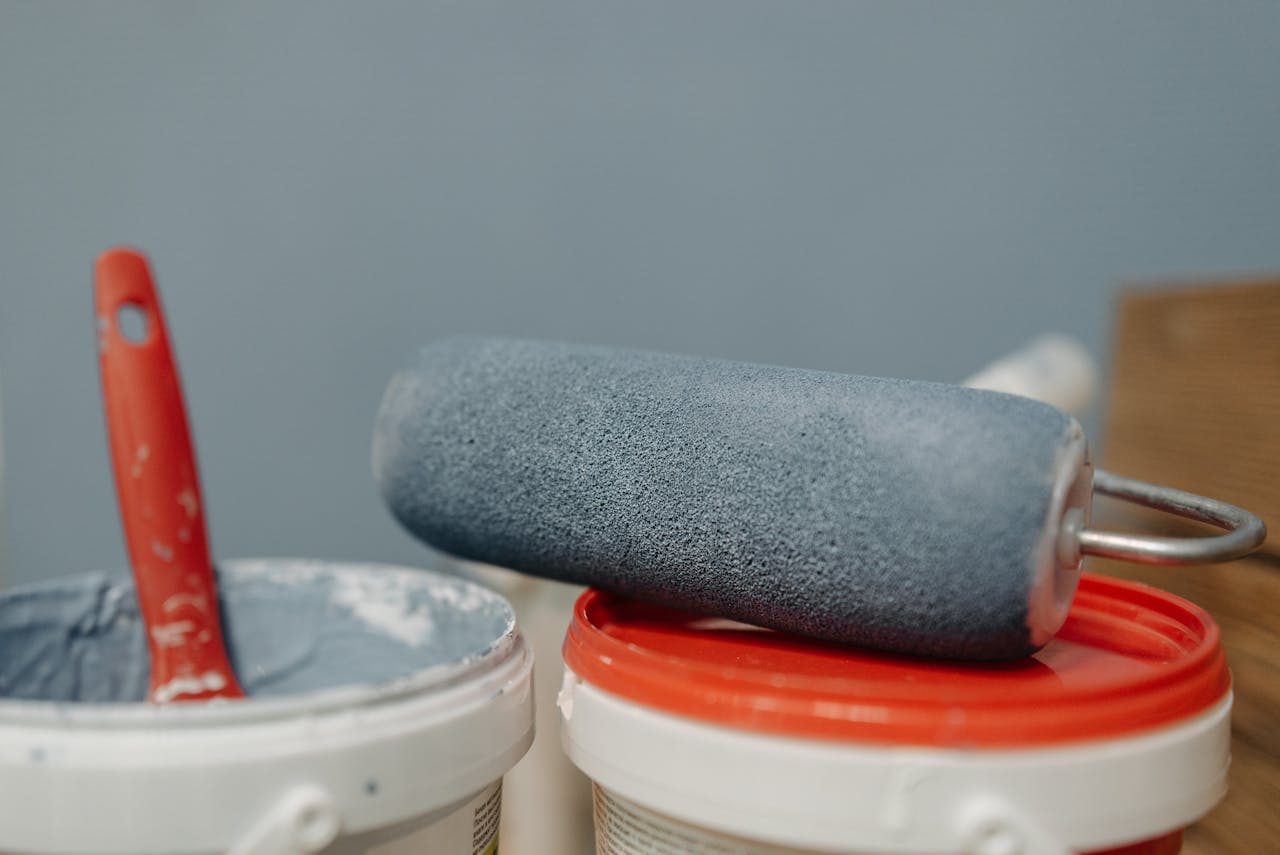
You should avoid storing paint and paint supplies in your garage for long periods. Temperature fluctuations can cause paint to thicken, separate, or dry out.
If you’re in the middle of a project, it’s okay to keep a half-used can in the garage overnight. For longer storage, keep paint in a cool, dry place inside your home where temperature is stable.
Also, avoid keeping oily rags or paint-soaked brushes in the garage, as they can be a fire hazard.
Portable Gas Cans
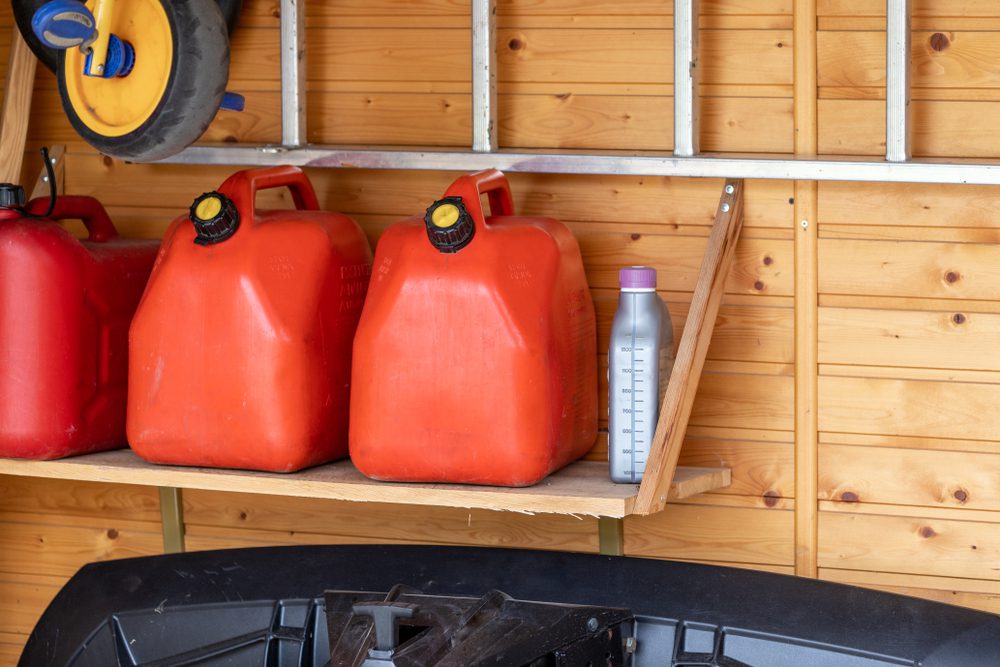
You should avoid storing portable gas cans in your garage. Gasoline is highly flammable and can leak fumes, creating a fire hazard.
If you must keep gas cans in the garage, use approved, leak-proof containers. Make sure they are sealed tightly and placed out of reach of children and pets.
Also, check your local fire codes, as many limit how much gasoline you can store safely at home.
Propane Tanks
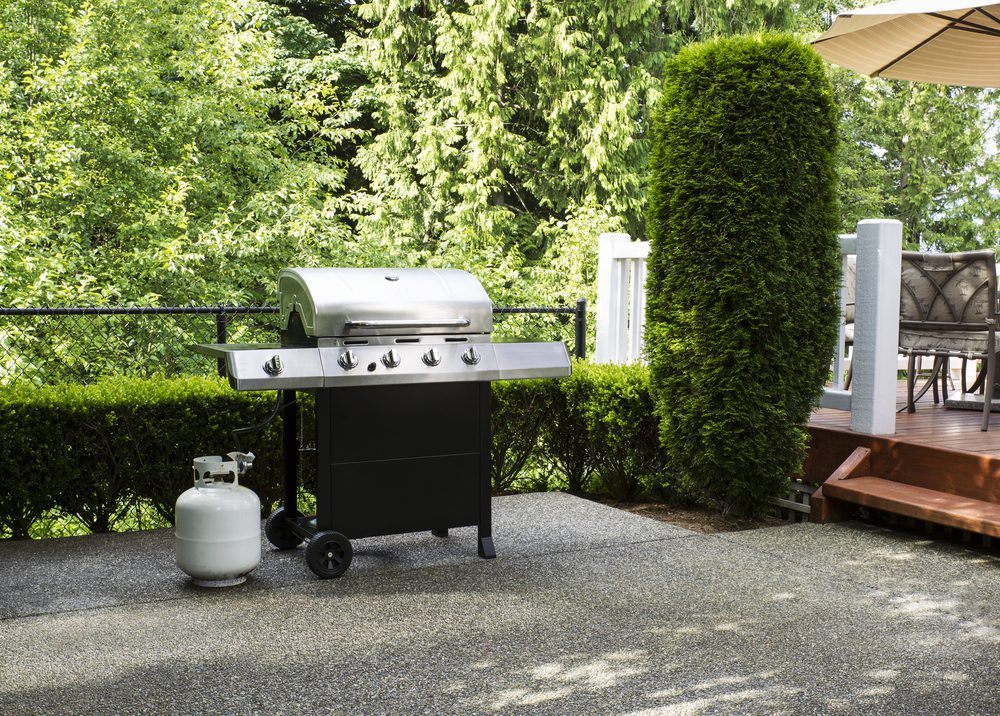
You should never store propane tanks in your garage. Even a small leak can build up dangerous gas in an enclosed space.
Keeping tanks outside, away from your home, is much safer. Make sure they stand upright and are in a well-ventilated area.
If possible, secure them in a metal rack to prevent tipping. This simple step helps reduce risks and keeps your home safer.
Photography Equipment

You should avoid storing photography equipment in your garage. Changes in temperature and humidity can damage cameras, lenses, and other sensitive gear over time.
Moisture can cause lenses to fog or develop mold, which affects image quality. Keep your equipment in a dry, stable environment inside your home to protect your investment.
Using a dedicated camera bag or case with silica gel packs helps control moisture better than a garage setting. This keeps your gear ready to use when you need it.
Paper Documents

You should avoid storing important paper documents in your garage. The temperature and humidity levels can fluctuate a lot, which can cause damage like warping or fading.
Pests and moisture are other risks. Even if you place documents in boxes, they might not be fully protected.
Instead, keep your papers in a dry, climate-controlled area inside your home. Using airtight containers can help if you need extra protection.
Electronics
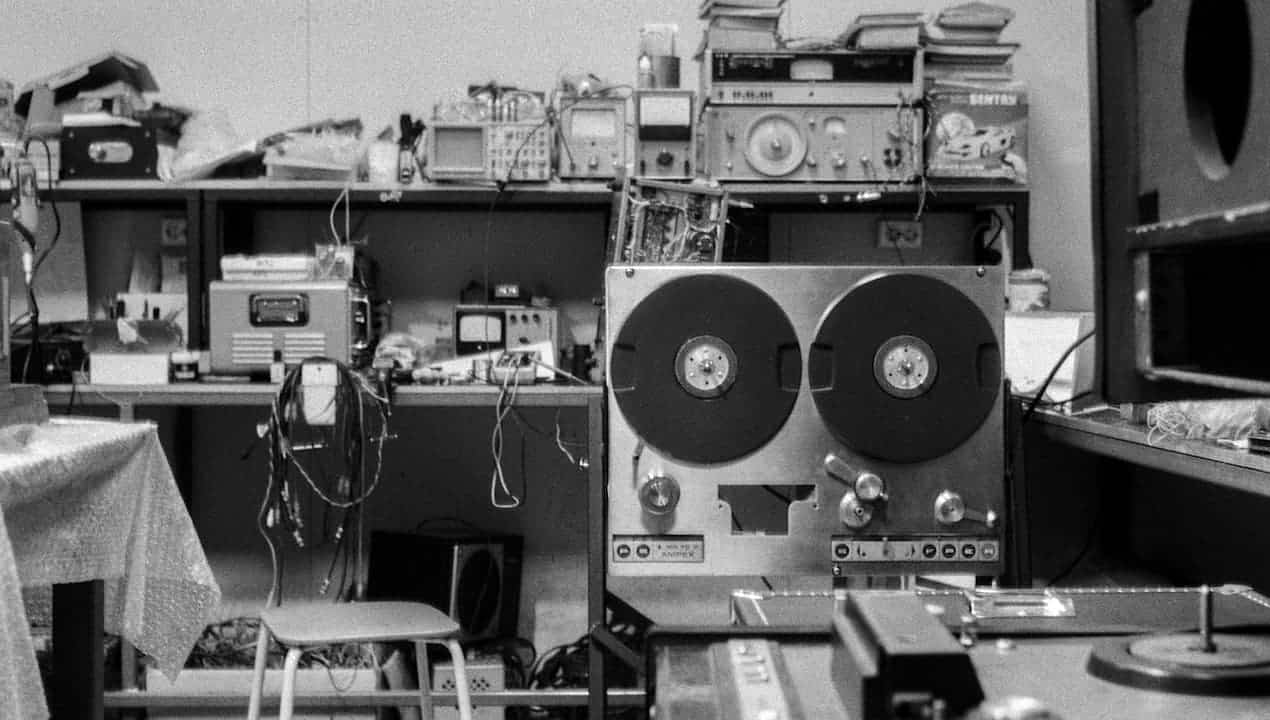
You should avoid storing electronics in your garage. Temperature changes and humidity can damage sensitive parts and reduce their lifespan.
Dust and moisture may also get inside, causing malfunctions or corrosion.
If you must keep electronics in your garage, use airtight containers and place them on shelves off the floor to limit exposure to dirt and moisture.
Air Mattresses
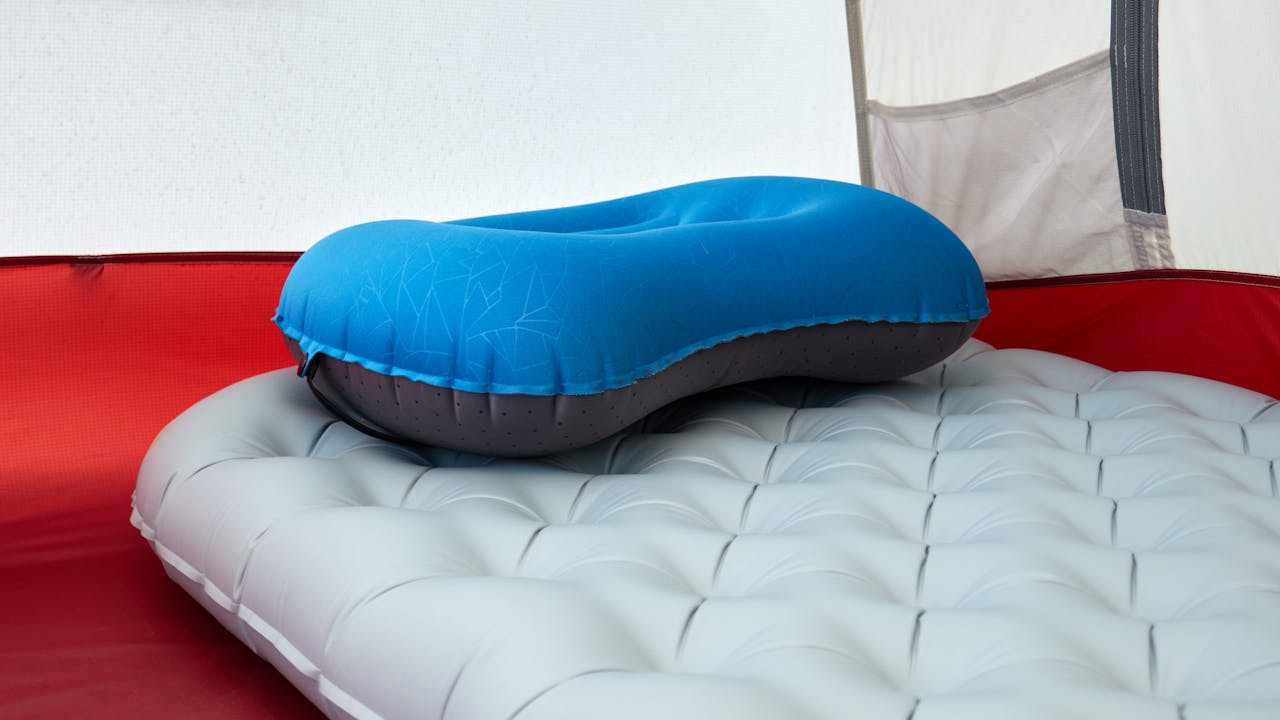
You might think the garage is a good spot to keep air mattresses, but it’s not ideal. The temperature changes can cause the material to weaken or develop leaks over time.
Moisture and humidity in the garage can also lead to mold or mildew on the mattress.
Keeping air mattresses in a cool, dry place inside your home will help them last longer and stay comfortable for your guests.
Musical Instruments

You should avoid storing musical instruments in your garage. Changes in temperature and humidity can crack wood and warp delicate parts.
Strings on guitars or pianos may rust, and electronics in keyboards or amps can stop working. Even hard cases don’t fully protect against moisture.
Instead, keep your instruments in a stable, dry room inside your home. This helps maintain their condition and sound quality over time.
Leather Goods

You should avoid storing leather items like jackets, bags, and boots in your garage. Leather absorbs moisture and odors, which can cause it to crack and warp over time.
The temperature changes and dust in garages don’t help either. Keep your leather goods inside where the air is dry and stable to keep them looking their best.
Medications

You should avoid storing medications in your garage. The temperature and humidity can change frequently, which may reduce their effectiveness.
Heat, cold, and moisture can alter how medicines work or even make them unsafe.
Instead, keep your medications in a cool, dry place inside your home, like a cabinet or drawer. This helps maintain their quality and safety for when you need them.
Batteries

You should avoid storing batteries in your garage because extreme temperatures can affect their performance. Heat can cause them to leak or even swell. Cold, on the other hand, may reduce their power temporarily.
Keep your batteries in a cool, dry place inside your home instead. This helps extend their life and ensures they work when you need them most.
Holiday Lights

Storing your holiday lights in the garage may seem convenient, but the temperature changes can damage the wiring. Heat and cold cause the plastic insulation to crack, making the lights unsafe to use.
Moisture is another issue. Garages can be damp, and this can lead to corrosion of the bulbs and connectors.
To keep your lights in good condition, store them in a cool, dry place inside your home. Use a sturdy container to avoid tangling and damage.