
Inflation can hit us all hard, particularly when it comes to the food in our pantries. But with a little forward planning, we can ensure that we always have a stock of nutritious and versatile food items on hand, come what may. Here are the 15 must-have foods that I always stock up on before inflation hits.
1. Canned Tomatoes

Whether diced, whole, or pureed, canned tomatoes are a pantry essential. They form the base of many dishes, from soups to pasta sauces, and are a great source of vitamins and minerals.
2. Rice

Rice is a staple food in many cultures around the world, and for good reason. It’s versatile, filling, and can be stored for long periods without spoiling. It’s also very affordable, even in bulk quantities. Whether you prefer basmati, jasmine, brown or white, stocking up on rice is a smart move to buffer against inflation.
3. Pasta

Another versatile and long-lasting pantry staple, pasta is a must-have for any pre-inflation shopping spree. It’s cheap, comforting, and can be used in a multitude of dishes. Remember to buy a variety of shapes and types for different meals.
4. Canned Beans

Beans are a powerhouse of nutrition, packed with protein and fiber. Canned beans have a long shelf-life and can be used in a vast array of dishes, making them a great item to stock up on.
5. Peanut Butter

Rich in protein and healthy fats, peanut butter is a great item to have on hand. It’s inexpensive, has a long shelf life, and can be used in both sweet and savory dishes.
6. Rolled Oats

Oats are a cheap and filling breakfast option, packed with fiber and nutrients. They’re also versatile, and can be used in baking or for making granola.
7. Frozen Vegetables

Frozen vegetables are a great alternative to fresh ones and can save you a lot of money. They’re picked at their peak ripeness and frozen to lock in nutrients, so you’re not compromising on health.
8. Dried Lentils

Lentils are an affordable source of protein and fiber and are extremely versatile in the kitchen. They have a long shelf life, making them another excellent choice for stocking up before inflation hits.
9. Canned Fish

Canned fish like tuna or salmon is a fantastic source of protein and omega-3 fatty acids. It’s also non-perishable and can be used in many different dishes.
10. Flour

Whether you’re baking bread, thickening sauces, or making pasta, flour is a must-have in the kitchen. It’s inexpensive and lasts a long time, so it’s worth buying in bulk.
11. Sugar

Sugar is another pantry staple that’s worth stocking up on. It’s used in baking, cooking, and preserving food, and can last almost indefinitely if stored correctly.
12. Salt

Salt is essential for seasoning food and preserving certain items. It’s inexpensive and lasts indefinitely, so stocking up can ensure you’re prepared for any culinary situation.
13. Cooking Oil
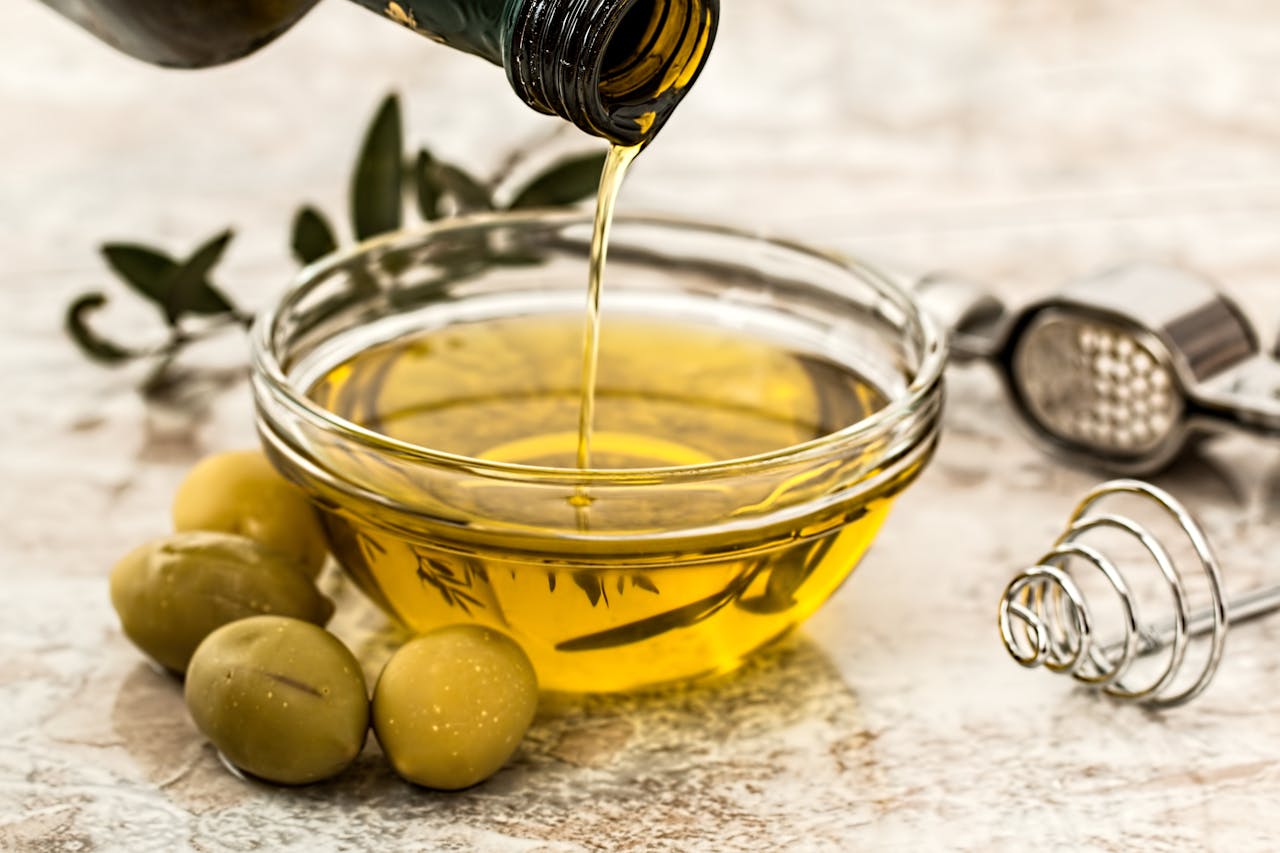
Whether you prefer olive, canola, or coconut, cooking oil is a must in any kitchen. It’s used in almost all types of cooking and baking, and buying in bulk can save you a lot of money in the long run.
14. Coffee

If you’re a coffee drinker, you know how important it is to have a supply on hand. It can be expensive, so buying in bulk before inflation hits is a smart move.
15. Spices

Spices can transform a dish from ordinary to extraordinary. They can be a bit pricey, but a little goes a long way. Stocking up on your most-used spices can save you a lot of money in the long run.