If you’ve ever come across old tools in a garage or attic, you might think they’re harmless or even valuable keepsakes. However, many of these older tools don’t meet today’s safety standards and can pose serious risks if you decide to use them.
Understanding which old tools are actually dangerous now can help you avoid accidents and keep your workspace safe. Being aware of the risks tied to outdated equipment is important before you consider bringing any of these tools back into use.
Dull hand saws with cracked handles

If you use an old hand saw with a dull blade, you’ll need to apply more force when cutting. That extra effort can make your work less precise and increase the risk of slipping.
Cracked handles can break unexpectedly while you’re working. This can cause you to lose control and potentially get injured.
Always check your saw before use. Replacing dull blades and damaged handles keeps your tools safe and your cuts clean.
Old angle grinders with worn guards
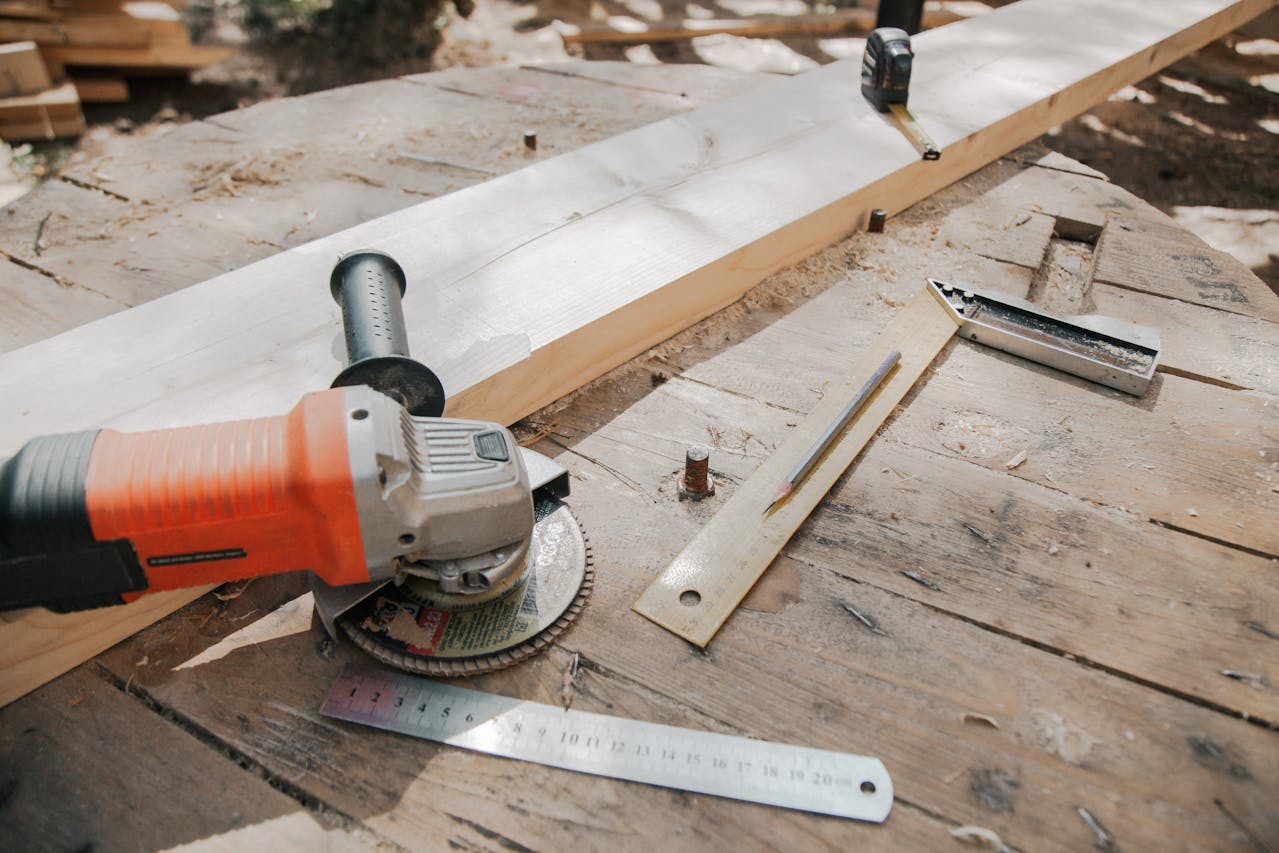
If you’re using an old angle grinder, check the guard before you start. Worn or damaged guards can easily fail to protect you from sparks and debris.
Without a proper guard, your risk of injury increases every time you use the tool. Make sure your grinder’s guard is secure and in good shape to keep your work safer.
Remember, even if the grinder works fine, a worn guard makes it more dangerous than it needs to be. Consider replacing it before your next project.
Rusty mitre saws with unstable bases

If your mitre saw has rust, it could affect its performance and safety. Rust weakens metal parts, making the saw less stable when in use.
An unstable base increases the risk of the saw shifting during cuts. This can lead to inaccurate cuts or even accidents.
Make sure your mitre saw’s base is secure and free of rust. Regular cleaning and maintenance help keep your tool safe and reliable.
Antique drills with loose chucks

When you use old drills, the chuck that holds the bit might be loose. This means the bit can slip during use. It can cause the drill to wobble or even fly out unexpectedly.
You should check how tightly the chuck grips the bit before starting. If it feels loose, it’s safer not to use that drill. Modern drills have better locking systems to avoid this problem.
Vintage table saws that wobble

If you come across a vintage table saw that wobbles, it’s a red flag. The wobble can cause your cuts to be uneven and increase the risk of kickback.
Older saws often have worn bearings or loose parts, which lead to this instability. Even if the motor runs fine, the wobble alone makes the tool unsafe for accurate or safe woodworking.
Before using one, check for any movement of the blade or table. Fixing this issue isn’t always easy or affordable, so be careful with these old tools.
Split rims on classic wheelbarrows

If you have an old wheelbarrow with split rims, be careful when changing or inflating the tire. These rims come in separate pieces that lock together, and they can suddenly release with a lot of force.
This release can cause serious injury if you’re not prepared. Knowing how to handle split rims safely is important to protect yourself while working with vintage tools.
Hammers with loose heads

If your hammer’s head is loose, it can be a real safety risk. The head might detach while you’re working, which could cause injury to you or others nearby.
You should never use a hammer with a wobbly or poorly fitted head. Always check your tools before use to keep your work safe and efficient. Replacing or repairing a loose hammer head is simple and worth doing.
Hack saws with frayed blades

If you use a hacksaw with frayed blades, you put yourself at risk of the blade snapping. A worn or damaged blade can break unexpectedly, causing injury or damaging your work.
You should always inspect your blade before cutting. Replacing frayed blades keeps your tool safer and your cuts cleaner.
Chainsaws lacking modern safety features

If you use an older chainsaw, it might be missing important safety features found in newer models. These include chain brakes and low-kickback chains that help prevent accidents.
Without these, you need to be extra cautious, as the chance of injury is higher. Regular maintenance and wearing protective gear become even more important when your chainsaw lacks modern safety additions.
Carpentry planes with cracked bodies

If your carpentry plane has a cracked body, it can be unsafe to use. The crack weakens the structure, causing instability when you work.
You might try filling the crack with epoxy and sawdust to strengthen it, but this is only a temporary fix. Welding or brazing is another option, though it requires skill and can change the plane’s shape.
Using a cracked plane risks poor results and could be dangerous, especially if the crack worsens during use.
Old paint scrapers with lead paint residue

If you’re using old paint scrapers, be careful—they can carry lead paint residue. Lead dust is harmful if inhaled or ingested, so it’s important to work in a well-ventilated area or wear a mask.
Even small amounts of lead dust can pose risks over time. Cleaning your tools carefully helps reduce exposure.
Manual woodworking lathes without safety shields

When you use a manual woodworking lathe without safety shields, you’re missing a key protective feature. These shields help prevent wood pieces from flying off and hitting you.
Your risk of injury increases if a workpiece comes loose or if your clothing gets caught. Always be alert and consider adding proper guards to your lathe to help keep your hands and face safe.
Rusty chisels with cracked grips
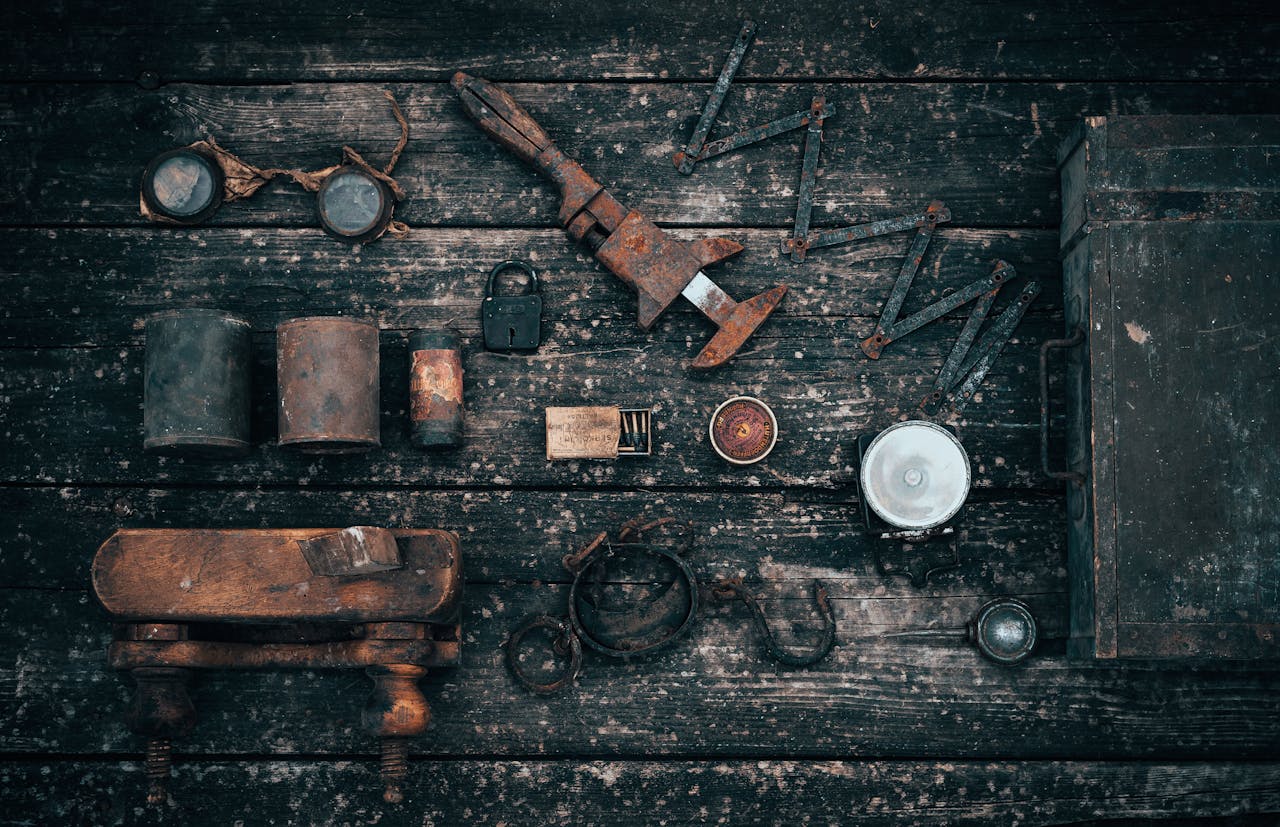
If your chisels have rust on the blades, they can become dull and less effective. Rust also weakens the metal, which might cause the blade to break under pressure.
Cracked grips can be unsafe because they reduce your control and might cause the handle to split during use. This can lead to slips or injuries.
Always inspect your chisels before use. If you see rust or cracked grips, it’s best to repair or replace them to keep your work safe and precise.
Antique engine analyzers not up to current standards

If you still use an antique engine analyzer, be aware it might not meet today’s safety or accuracy standards. These older tools often lack the sensors modern devices have, which can lead to incorrect readings.
Using outdated analyzer tools could risk damage to your vehicle’s engine or even cause injury. Newer engine analyzers are designed with improved safety features and precision to protect you and your car.
For better performance and safety, consider upgrading to a modern engine analyzer that meets current standards.
Old electrical cords on power tools

You should check old electrical cords carefully. Over time, cords can crack, fray, or lose insulation, increasing the risk of shocks or short circuits.
Older cords often lack modern safety features like polarized plugs or proper grounding. If you use metal-bodied power tools, a damaged cord can be especially dangerous unless the tool is properly earthed and maintained.
Replacing worn cords with heavy-duty, properly rated ones can keep your tools safer and extend their lifespan.
Like what you read? Here’s more by us: