
Organizing your life can seem like a daunting task. Sometimes, it feels as if no matter how hard you try, things still manage to get cluttered, messy, and downright chaotic. But did you know that there are some common organization mistakes that might be causing you more harm than you realize?
These 15 mistakes could be costing you in terms of productivity, stress, and even money.
1. Not setting clear goals

Without clear goals, we’re like ships without a rudder. We may have a general sense of where we want to go, but without specific, measurable, attainable, relevant, and time-bound (SMART) goals, we can easily get off course. For example, instead of saying, “I want to get organized,” a better goal would be, “I want to spend 30 minutes each day decluttering my office until it’s completely organized.”
In addition, not setting clear goals can lead to procrastination and lack of motivation. If you don’t know exactly what you’re working towards, it’s easy to put tasks off until “later” or to lose interest altogether. So take the time to set specific, achievable goals – your future organized self will thank you!
2. Trying to do everything at once

It’s easy to get overwhelmed when you look at a big organizing project. You might think you need to tackle everything at once, but this can lead to burnout and frustration. Instead of trying to organize your entire home in a weekend, break it down into smaller, more manageable tasks. Start with one room, or even one drawer, and work your way up from there.
This also applies to daily organization. Instead of trying to multitask and juggle multiple chores or projects at once, focus on one thing at a time. You’ll be more efficient and less stressed, and you’ll likely do a better job too.
3. Not utilizing storage efficiently

One of the biggest organization mistakes is not making the most of the storage space you have. This could mean cramming things into closets without any system, or it could mean letting valuable storage space go to waste. For example, using vertical space (like shelves, wall hooks, or over-the-door organizers) can greatly increase your storage capacity.
But efficient storage isn’t just about space – it’s also about accessibility. Store items you use frequently in easy-to-reach places, and save harder-to-reach spots for items you don’t use as often. This will save you time and frustration when you’re looking for something.
4. Buying storage solutions before decluttering

It’s tempting to run out and buy a bunch of bins, boxes, and organizers when you decide to get organized. But this can actually be a mistake. If you buy storage solutions before you’ve decluttered, you may end up with more stuff than you need, and your new storage items could just add to the clutter.
Instead, start by decluttering. Get rid of anything you don’t need or love. Then, assess what’s left and buy storage solutions that fit those items and your space. This will save you money and keep you from adding to your clutter problem.
5. Not scheduling time for organization

Organizing isn’t something that just happens – it requires time and effort. One of the biggest mistakes people make is not scheduling time for organization. If you don’t make it a priority, it’s easy for other tasks and responsibilities to take over.
But scheduling time for organization doesn’t have to mean spending hours each day sorting and decluttering. Even just 15 minutes a day can make a big difference. And remember, it’s better to do a little bit consistently than to try to do everything at once and burn out.
6. Keeping things “just in case”

One of the biggest obstacles to getting organized is holding onto things “just in case.” This can lead to clutter and disorganization, and it can also cost you in terms of space and even money. For example, if you’re paying for a storage unit to hold onto things you don’t use, that’s money that could be put to better use.
If you’re holding onto something “just in case,” ask yourself how likely it is that you’ll actually need it. If it’s something that could be easily replaced or that you haven’t used in over a year, it’s probably safe to let it go.
7. Not having a place for everything

“A place for everything, and everything in its place.” This old adage is key to staying organized. If you don’t have a specific place for each item, it’s easy for things to get out of control. For example, if your keys don’t have a designated spot, you might end up wasting time every day searching for them.
So take the time to find a home for each item. This might mean adding some storage solutions or rethinking how you use your space. But once everything has a place, staying organized becomes much easier.
8. Not maintaining your system

Getting organized is one thing, but staying organized is another. One of the biggest mistakes people make is not maintaining their organization system. This could mean letting clutter pile up until it’s overwhelming, or it could mean simply not putting things back where they belong.
A good organization system should be easy to maintain. This might mean spending a few minutes each day tidying up, or it could mean doing a bigger organization session once a week. Find what works for you, and stick to it.
9. Not getting help when you need it

Sometimes, getting organized can feel like an insurmountable task. If you’re feeling overwhelmed, it can be helpful to enlist some help. This could mean asking a friend or family member to help you declutter, or it could mean hiring a professional organizer.
Don’t be afraid to ask for help when you need it. Everyone needs a little assistance now and then, and getting help with organization can make the process much less stressful and more successful.
10. Not being mindful of your habits

When it comes to organization, your habits can make or break your success. If you’re in the habit of leaving dishes in the sink, or leaving mail unopened, these habits can lead to disorganization. On the other hand, developing good organization habits, like cleaning up as you go and dealing with paperwork right away, can make staying organized much easier.
Be mindful of your habits and how they affect your organization. If you notice a habit that’s contributing to disorganization, work on changing it. This might take some time and effort, but it’s well worth it in the end.
11. Organizing for looks rather than functionality

While it’s nice to have an organized space that also looks good, it’s more important for your organization system to be functional. If you’re organizing for looks rather than functionality, you may end up with a system that’s hard to maintain or that doesn’t actually meet your needs.
When you’re organizing, think about how you use your space and what you need from it. Make sure your organization system works for you, even if that means it’s not as “pretty” as some of the systems you see in magazines or on Pinterest.
12. Not adapting your system as your needs change

Your organization needs might change over time. Maybe you’ve moved to a smaller home, or maybe you’ve started a new hobby that requires a lot of equipment. If your organization system doesn’t adapt to these changes, it can easily become ineffective.
Don’t be afraid to change your organization system as your needs change. This might mean rethinking your storage solutions, or it might mean decluttering to make room for new items. Whatever the case, make sure your system is always working for you.
13. Not dealing with paper clutter

Paper clutter can be one of the biggest organization challenges. It’s easy to let bills, mail, and other papers pile up until they’re out of control. But letting paper clutter accumulate can lead to lost documents, missed payments, and a lot of stress.
Deal with paper clutter as soon as it comes in. Open mail right away, file important documents, and recycle or shred anything you don’t need. You might also consider going digital to reduce the amount of paper clutter you have to deal with.
14. Not decluttering regularly
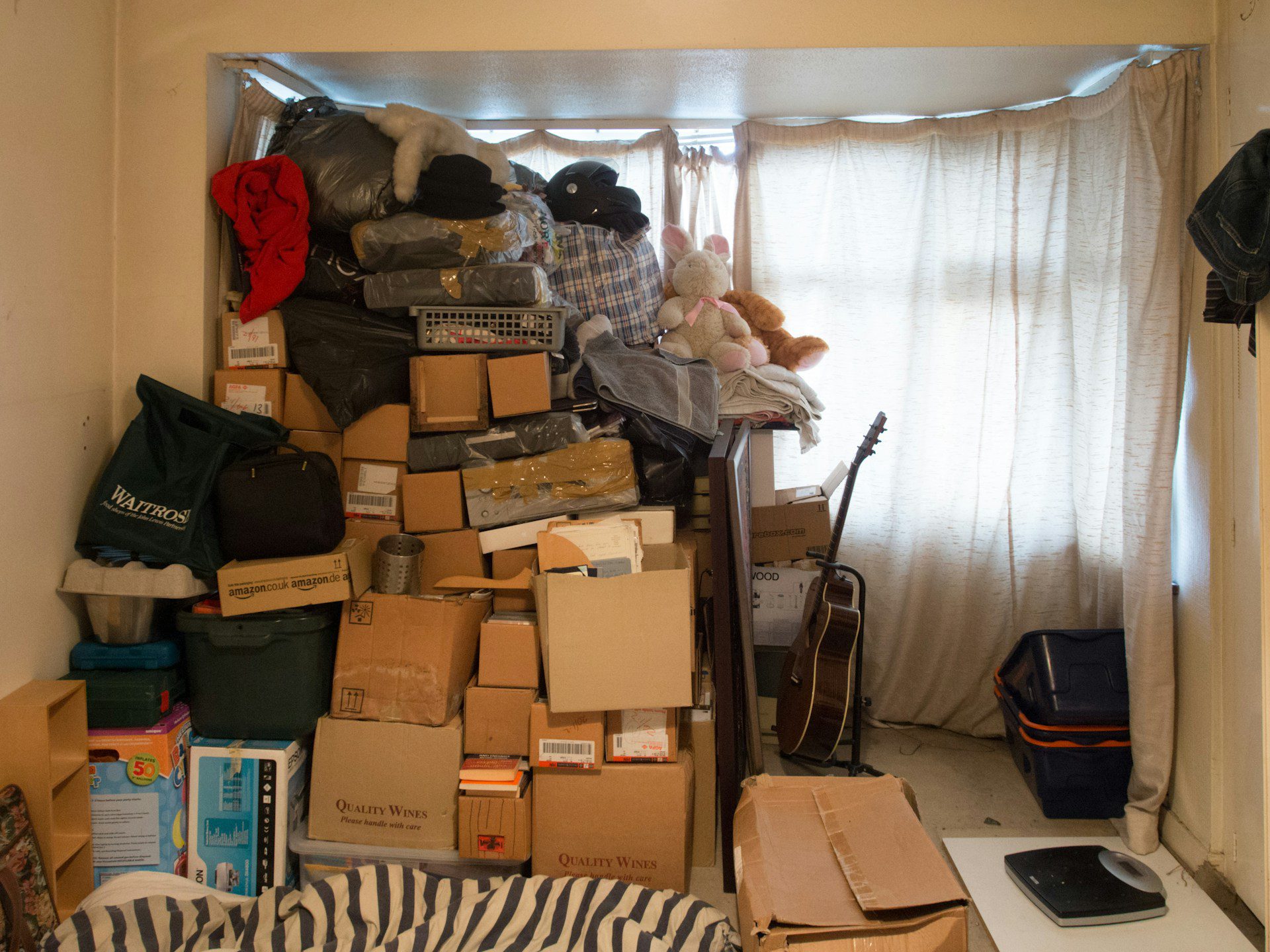
Decluttering is a key part of staying organized. But many people make the mistake of only decluttering once, and then letting things pile up again. This leads to a cycle of chaos and clean-up that can be stressful and time-consuming.
Make decluttering a regular part of your routine. This could mean decluttering a little bit each day, or doing a bigger decluttering session once a month. Regular decluttering makes it easier to stay organized and keeps clutter from getting out of control.
15. Not being patient with yourself

Finally, remember that getting organized is a process, and it takes time. Be patient with yourself. It’s okay if you don’t get everything perfectly organized right away. It’s okay if you make mistakes. The important thing is that you’re making progress and working towards a more organized life. So be kind to yourself, and remember that every little bit helps.