



As a homeowner, you’ve likely heard a slew of advice on how to keep your home pest-free. From old wives’ tales to new-age tech gadgets, there seems to be a never-ending list of pest control methods.
Unfortunately, not all of them are as effective as they’re often made out to be. After all, pest control is a complex issue that requires a thorough understanding rather than quick fixes.
I’ve compiled a list of 15 common pest control myths to help you sort fact from fiction. Let’s debunk these myths together and equip you with the right knowledge for effective pest control.
Myth #1: Cheese is the Best Bait for Mouse Traps

Despite what Tom and Jerry may have taught us, cheese isn’t the most effective bait for mouse traps. Mice actually prefer foods that are high in sugar or protein. Peanut butter, chocolate, or even bacon can be more successful in luring these little critters. So, next time you’re setting a mouse trap, try using something other than cheese. You might be surprised at the results!
Myth #2: Ants Hate Cinnamon

Many people believe that sprinkling cinnamon around areas where ants frequent can deter them. However, while cinnamon may temporarily disrupt ant trails due to its strong smell, it does not effectively repel or kill ants.
For a more effective solution, consider using commercial ant bait or hiring a professional pest control service. Professional services are typically equipped with a variety of methods and materials to effectively combat ant infestations.
Myth #3: Bedbugs Only Live in Dirty Homes

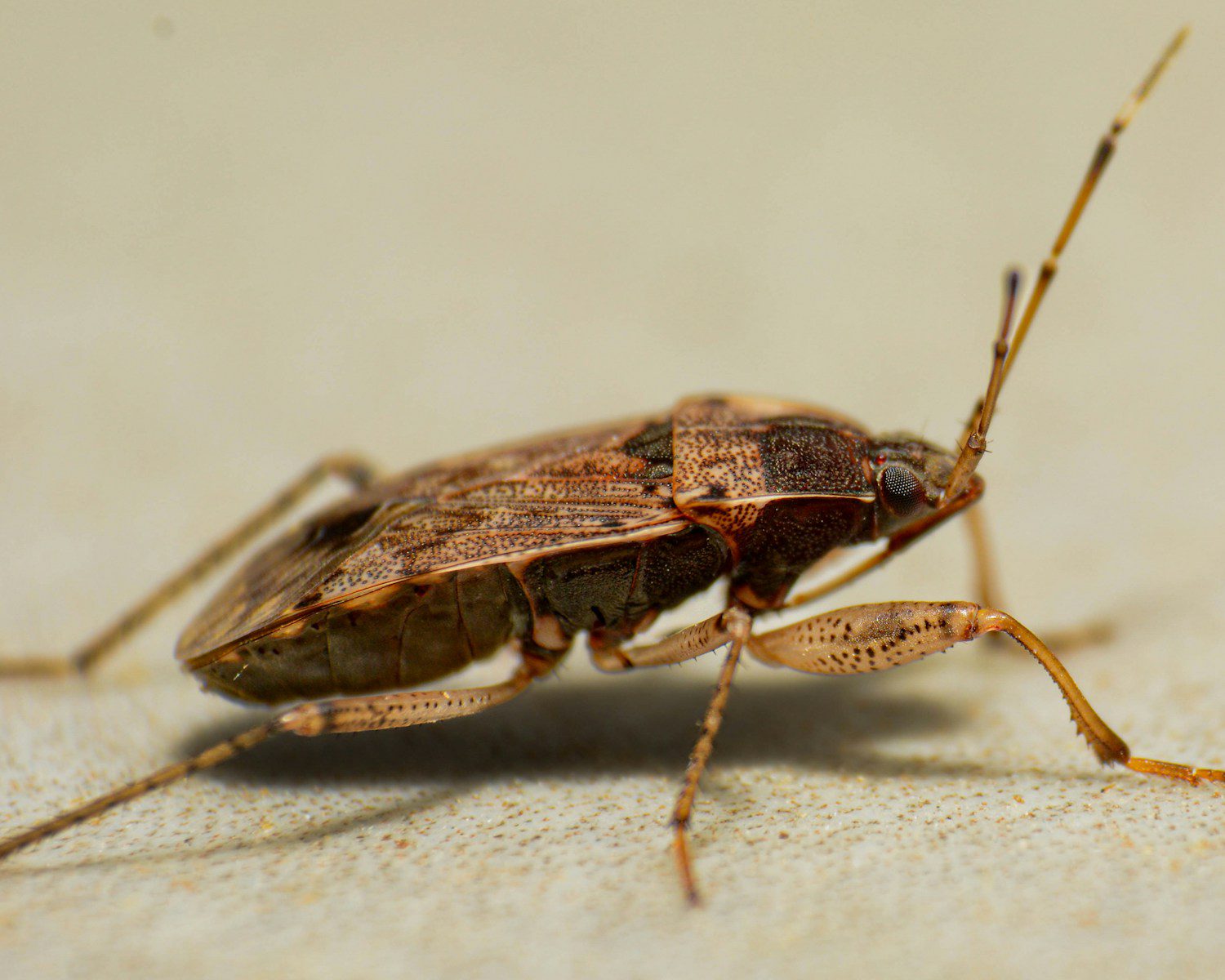
Contrary to popular belief, cleanliness has little to do with bedbug infestations. These pesky critters hitch a ride on luggage, clothing, and other objects to find new homes.
They’re attracted to the warmth and carbon dioxide emitted by humans, not dirt or grime. So, even the cleanest home can fall victim to a bedbug infestation. The key to preventing bedbugs is vigilance when you travel and regular inspection of your home.
Myth #4: Cockroaches Only Infest Dirty Homes

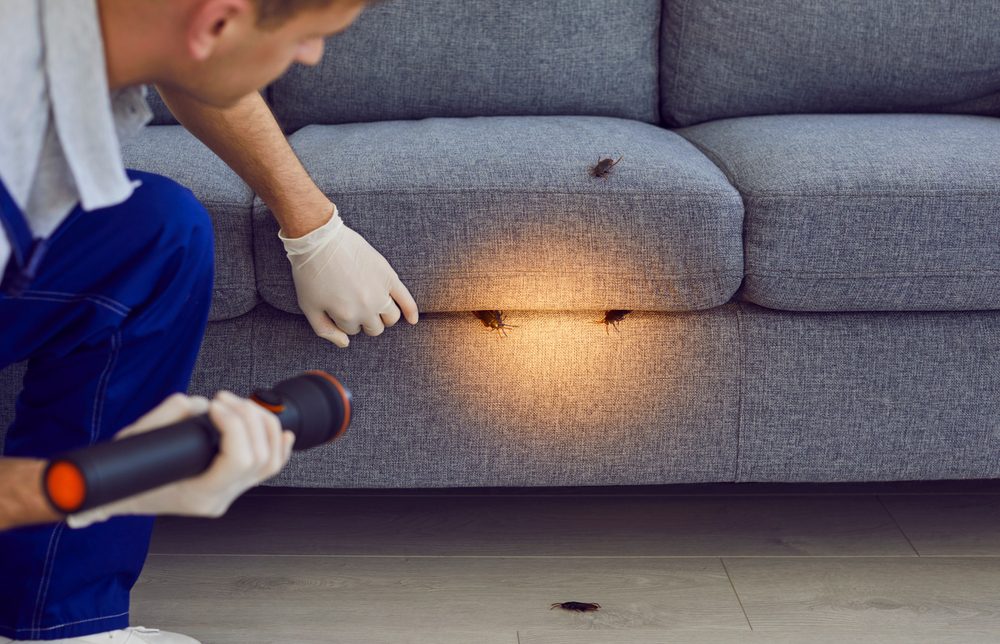
Again, this is a common misconception. While roaches are more likely to be found in unclean environments due to the abundance of food sources, they can infest any home.
Cockroaches are attracted to water, food, and warm environments. They can sneak into your home through small cracks and crevices, so it’s important to seal any potential entry points and regularly clean your living spaces.
Myth #5: Ultrasonic Devices Effectively Repel Pests

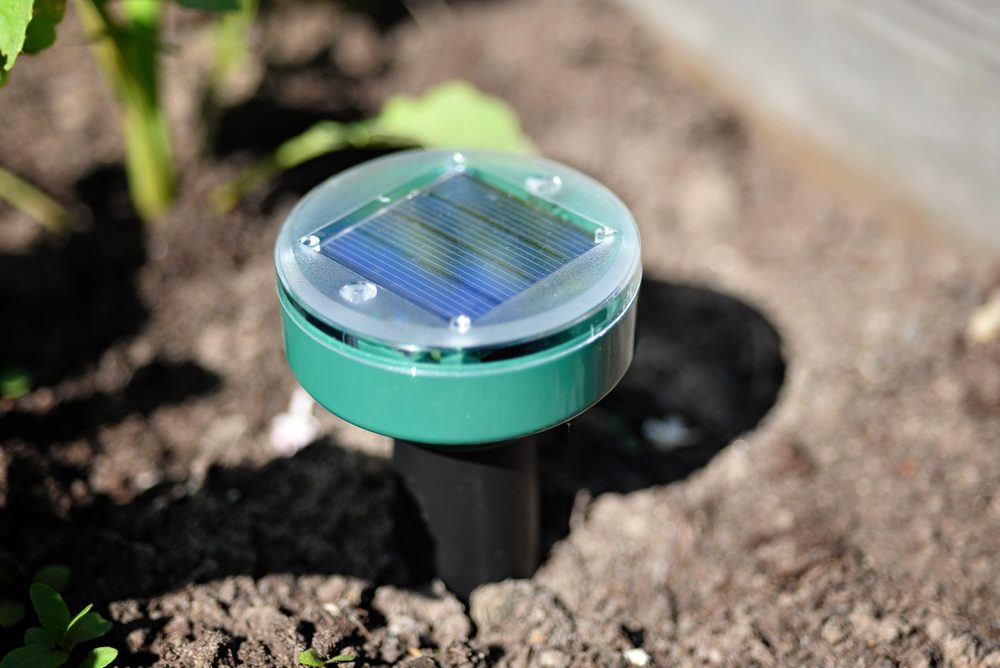
Ultrasonic devices, which emit high-frequency sounds meant to repel pests, are widely marketed as an effective pest control solution. However, studies have shown that these devices do little to deter pests. In fact, many pests, such as mice and cockroaches, can quickly become accustomed to these sounds and ignore them.
Myth #6: Bug Zappers are Great for Mosquito Control

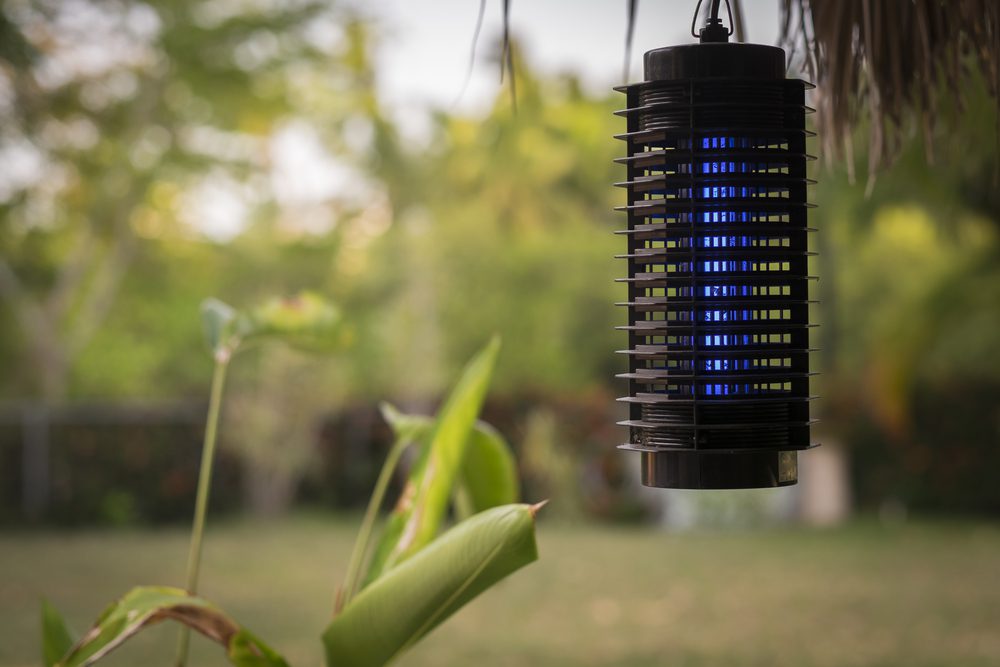
While bug zappers can kill a large number of insects, they’re not very effective against mosquitoes. Mosquitoes are attracted to carbon dioxide and body heat, not UV light emitted by these devices. Moreover, they can also kill beneficial insects. It’s better to use mosquito repellents and keep your surroundings clean to prevent mosquito breeding.
Myth #7: Cats are Effective Rat Controllers

While it’s true that cats are natural predators and can kill rats, relying solely on them for rat control is not the best approach. Not all cats are interested in hunting, and even those who are may not be able to handle a large infestation. Furthermore, rats can carry diseases that can be harmful to your cat. A more effective and safer method would be to use traps or hire a professional pest control service.
Myth #8: Termites Eat Through Concrete
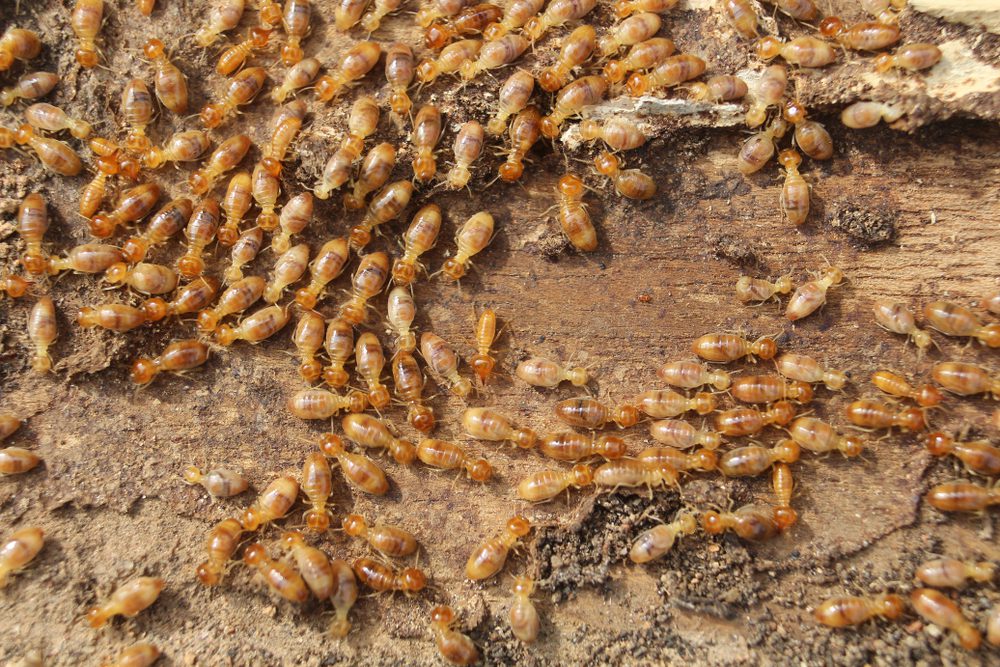
This is a complete myth. Termites are not capable of eating through concrete. They can, however, squeeze through tiny cracks and crevices in the concrete to reach wood or other cellulose sources. Regular inspection and maintenance of your home can help prevent termite infestation.
Myth #9: Fleas Can Only Survive on Pets
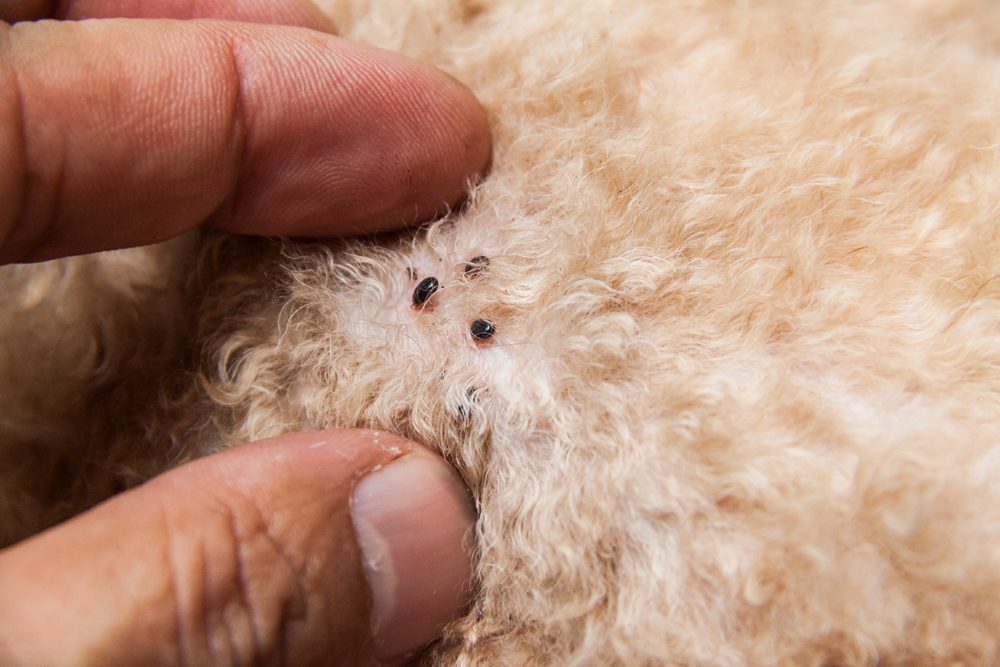
Fleas do prefer to live on pets, but they can also survive in your home without a host for a surprising amount of time. They can live in your carpet, furniture, and bedding, waiting for a suitable host. Regular cleaning and vacuuming can help keep a flea infestation under control.
Myth #10: Pests Can’t Survive in Cold Weather

While it’s true that many pests slow down or hibernate during the colder months, they don’t just die off. Some pests, like mosquitoes, can overwinter in protected places until warmer weather arrives. Others, like mice and rats, might seek shelter in your warm home during winter. It’s important to seal your home properly and continue pest control measures throughout the year.
Myth #11: Mothballs Deter Pests from the Home


Mothballs are often recommended as a deterrent for all kinds of pests, from rodents to insects. However, their effectiveness is largely overestimated. The chemicals in mothballs are intended to kill moths and their larvae, and they have limited effect on other pests. Moreover, they can be harmful to humans and pets if ingested or inhaled in large quantities.
Myth #12: Citronella Candles Repel Mosquitoes

Citronella candles are commonly believed to repel mosquitoes. While the smell of citronella can provide some minor repellent effects, it’s not very effective at keeping mosquitoes at bay. A better strategy would be to eliminate standing water where mosquitoes breed and use mosquito nets and repellents to protect yourself.
Myth #13: All Pests are Attracted to Light

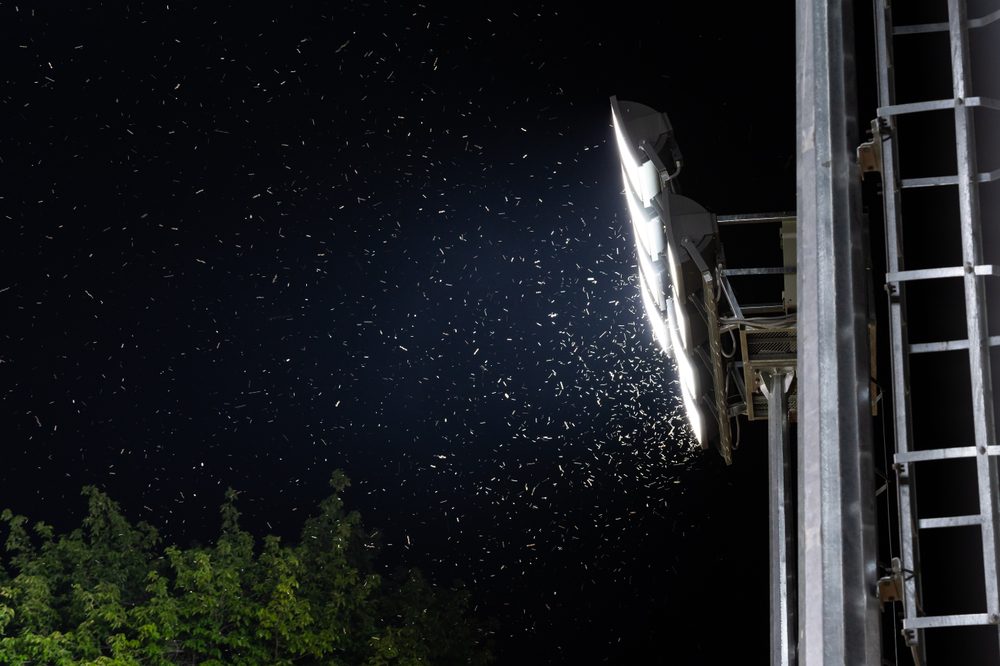
It’s a common scene in movies: a swarm of bugs congregating around a bright light. However, not all pests are attracted to light. In fact, some pests like cockroaches are repelled by light. Many pests are attracted more to warmth and the scent of food than to light. So, leaving a light on to attract and kill pests isn’t the most effective strategy.
Myth #14: DIY Pest Control is Just as Effective as Hiring Professionals
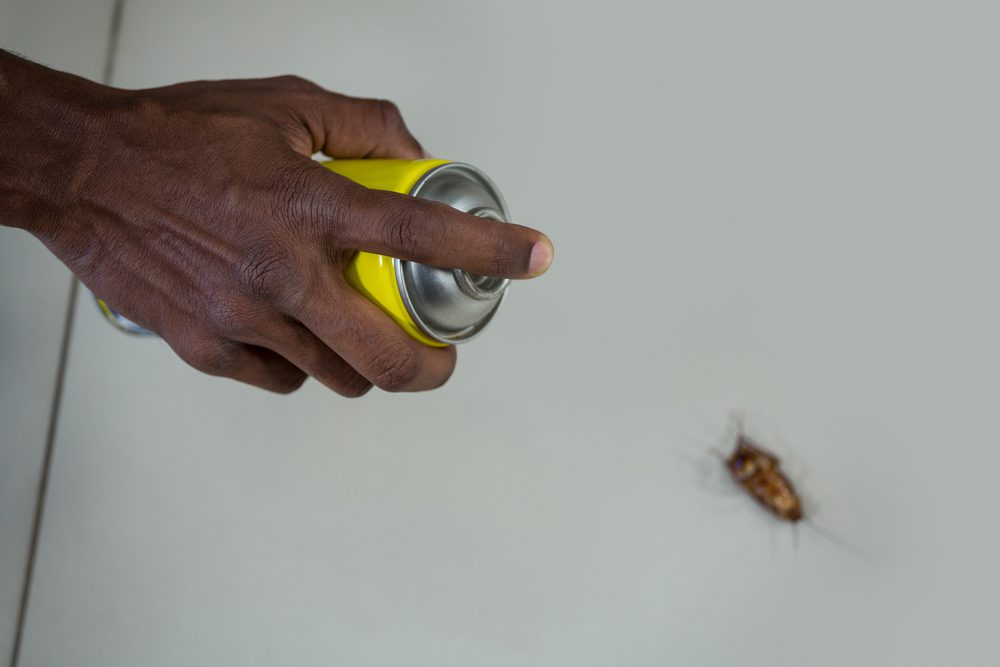
While DIY pest control methods can be helpful in some situations, they’re typically not as effective as professional pest control. Professionals have the training and tools to handle infestations more effectively and safely. They can also identify potential pest issues before they become serious problems. If you’re dealing with a stubborn infestation, it’s worth considering hiring a professional pest control service.
Myth #15: Pests Only Invade Dirty Homes

This is probably the most persistent myth around. While pests are attracted to food and water sources, they can invade any home, clean or not. Pests can enter your home through tiny cracks or be brought in on pets or second-hand furniture. Regular cleaning can help reduce food sources, but it’s also important to seal potential entry points and check regularly for signs of pests.
Before you go — if this inspired you, check out these readers-loved favorites: