Decluttering your home can feel overwhelming, especially when you’re not sure where to start. Small, manageable projects spread over a weekend can help you make steady progress without stress.
These easy projects fit into your schedule and give you a sense of accomplishment as you work through them.
Organize your bookshelf by genre

Start by sorting your books into broad categories like fiction, non-fiction, mystery, or self-help. This helps you find what you want quickly and keeps your collection tidy.
Just group similar genres together, and feel free to adjust as your collection grows.
Declutter your junk drawer

Start by taking everything out of your junk drawer. Sort items into keep, toss, and relocate piles.
Use small containers or trays to group similar items like pens, batteries, or paper clips. Keep only what you need and use regularly. Wipe the drawer clean before putting things back.
Sort and donate old clothes

Start by gathering all your clothes in one spot. This helps you see exactly what you have and makes sorting easier.
Create three piles: keep, donate, and discard. Be honest with yourself about what you actually wear. For donation, choose items in good condition that you no longer need.
Clear out expired medicine

Start by gathering all your medicine and medical supplies in one spot. Look through your medicine cabinet, drawers, and storage areas.
Check the expiration dates carefully on both prescription and over-the-counter items. Dispose of anything that is expired or no longer needed. Take your expired medicines to a pharmacy that offers safe disposal.
Tidy kitchen cabinets and toss broken items
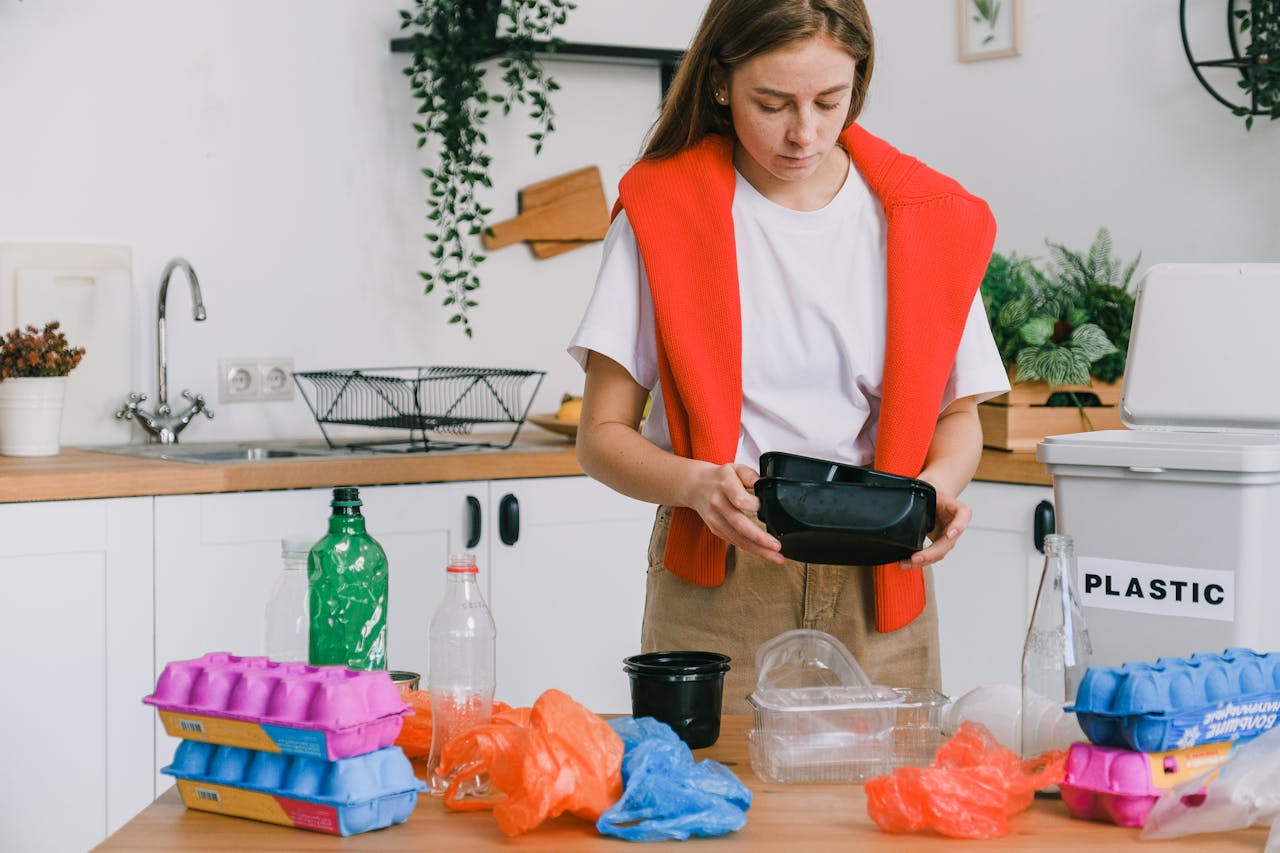
Start by pulling everything out of your kitchen cabinets. This helps you see what you have and find items that no longer belong there.
Check for broken or chipped dishes, cracked containers, or worn-out utensils. Toss anything that’s damaged or unsafe to use. Organize what’s left by grouping similar items together.
Simplify your bathroom counter
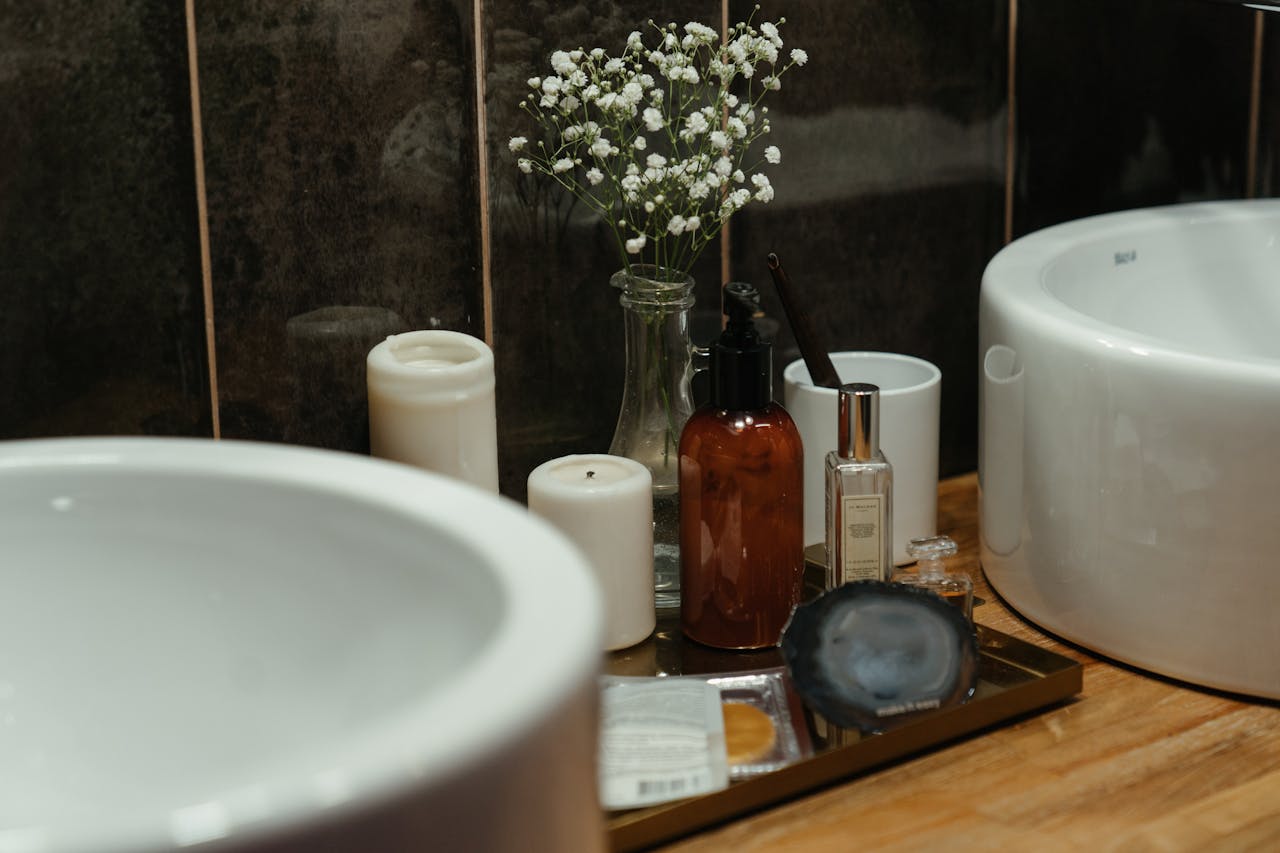
Start by clearing everything off your bathroom counter. Only put back the items you use daily to keep things manageable.
Use a small tray or caddy to group essentials like toothbrushes and lotions. This helps keep the space tidy and easy to clean. Regularly toss expired products and put away items that belong elsewhere.
Create a dedicated mail and paper station

Set up a specific spot in your home to handle all incoming mail and papers. Use trays or containers labeled for incoming, outgoing, and important documents.
Check this station daily to sort mail immediately. Toss junk right away and file important papers to keep clutter from building.
Declutter kids’ toys and donate unused ones

Start by sorting toys into categories like blocks, cars, and dolls. This helps you quickly see duplicates or broken items.
Invite your kids to pick a few toys they no longer use. Explain that these toys can bring joy to other children.
Make donating fun by planning a small outing afterward, like ice cream.
Organize digital files and delete duplicates

Start by creating a simple folder structure. Group your files by type or project to make things easier to find later.
Skim through your folders and delete duplicate or unnecessary files. You don’t need to open every file—just trust your instincts to spot what’s no longer useful.
Backing up important files before deleting anything can give you peace of mind.
Clean out your pantry and discard expired food

Start by taking everything out of your pantry. This helps you see what you have and spot expired items. Check expiration dates carefully. Toss any food that is past its use-by or best-before date.
Wipe down shelves to remove crumbs and spills. Use this chance to organize items by type or frequency of use. Use bins or containers to group similar foods.
Sort through craft supplies

Start by gathering all your craft materials in one place. Group similar items together, like fabric, paints, yarn, or paper.
Decide how much space you want to dedicate to your supplies. This helps you keep only what fits comfortably. Clear out anything dried up, broken, or you no longer use.
Clear off nightstands and clear clutter

Start by removing everything from your nightstands. Sort items into categories: things you use daily, things you want to keep but don’t need near the bed, and things to toss. Keep only essentials like a lamp, alarm clock, or a book you’re reading.
Taking just 10-15 minutes per nightstand can make a noticeable difference in your room’s overall tidiness.
Organize your closet by category

Start by sorting your clothes into clear categories like shirts, pants, and accessories. This helps you see exactly what you have and makes decisions easier.
Focus on one category at a time. You can decide which items you want to keep, donate, or discard without feeling overwhelmed.
Arrange each category neatly in your closet. Group similar items together, so you can quickly find what you need every day.
Purge old magazines and papers

Start by sorting through your stack of magazines and papers. Keep only the ones you really need or want to revisit.
Recycle old newspapers, expired coupons, and mailers you no longer use.
If there are important documents, organize them in a dedicated folder. Otherwise, let go of the rest to reduce clutter.
Tidy up your workspace and desktop

Start by clearing everything off your desk. Only put back the essentials you use daily.
Sort through papers and toss any trash or outdated documents. Use trays or folders to keep important papers organized.
Next, clean your computer desktop. Delete unneeded files and organize the rest into folders.