


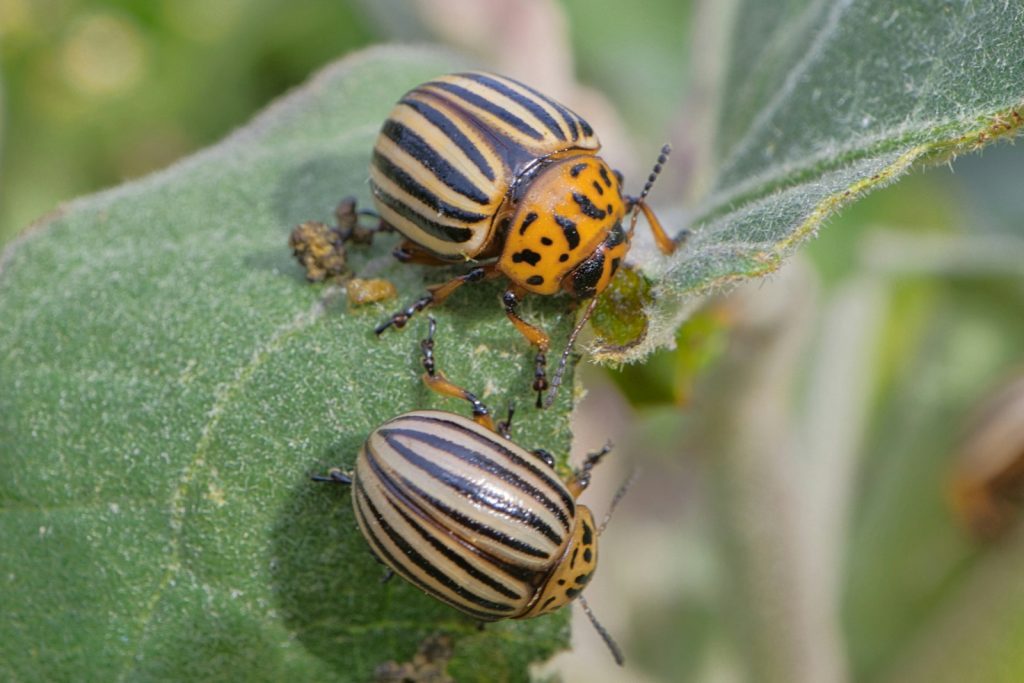
As a homeowner, one of the most unsettling experiences is to discover that your haven has been invaded by pests. What should feel like a safe and comfortable space suddenly feels compromised, and the culprit is often closer than you think. Pest invasions don’t always happen because of poor hygiene; many times, they stem from small storage mistakes that we make every day without even realizing it. These oversights, though minor, can create the perfect environment for pests to thrive.
It could be as straightforward as leaving food containers improperly sealed or as complex as neglecting indoor plant care. Little by little, these seemingly harmless choices can attract ants, cockroaches, rodents, and other unwelcome guests. By understanding where we go wrong, we can take simple but effective steps to prevent infestations before they even start.
In this article, I’ll share 15 common storage errors that could be inviting pests into your home and, more importantly, how to correct them. Each of these mistakes is easy to fix with a little awareness and consistency. Let’s dive in and learn how to keep our homes clean, safe, and pest-free!
1. Improper Sealing of Food Containers


Leaving food containers inadequately sealed is like sending out a dinner invitation to pests. Open boxes of cereal, jars with loose lids, and bags that aren’t clipped shut all become easy targets. Not only does this expose your food to contamination, but it also creates a steady food source for ants, roaches, and even mice. Investing in airtight containers for pantry staples can make a huge difference. With a one-time investment, you’ll keep your food fresher longer and stop pests from sniffing out their next meal.
2. Ignoring Crumbs and Spills

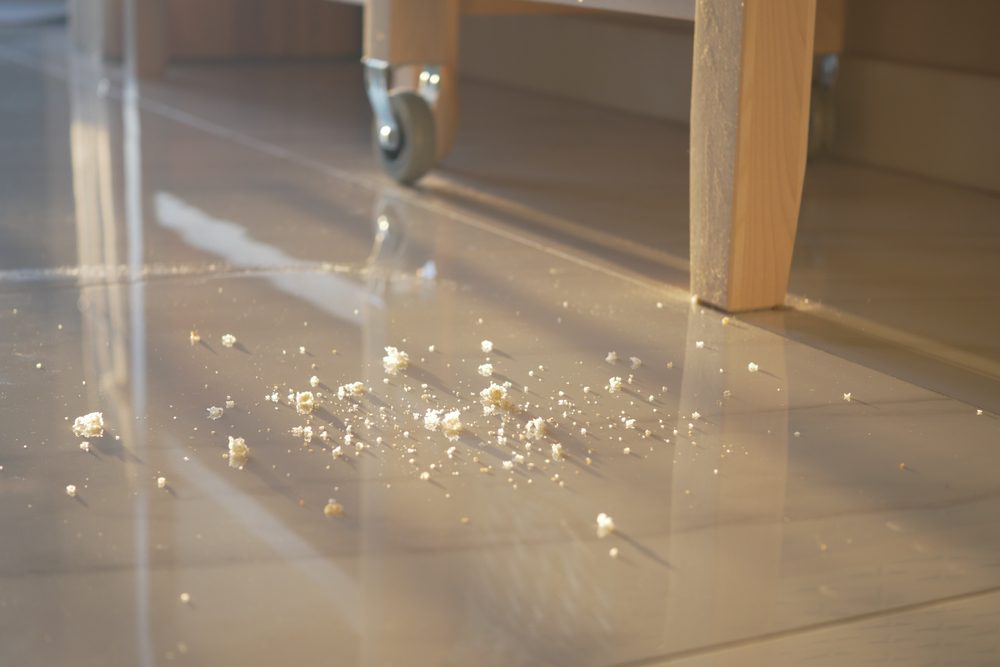
It’s easy to think that a few crumbs or a small spill doesn’t matter, but to pests, those tiny leftovers are a feast. Ants can detect sugar crystals smaller than a grain of sand, and cockroaches thrive on even the smallest bits of food. Leaving spills overnight only makes things worse, as it gives pests time to find and spread. The simple habit of wiping down counters, sweeping floors after meals, and vacuuming regularly can go a long way in removing food sources. What seems minor to us is an open buffet for them.
3. Overlooking Regular Deep Cleaning
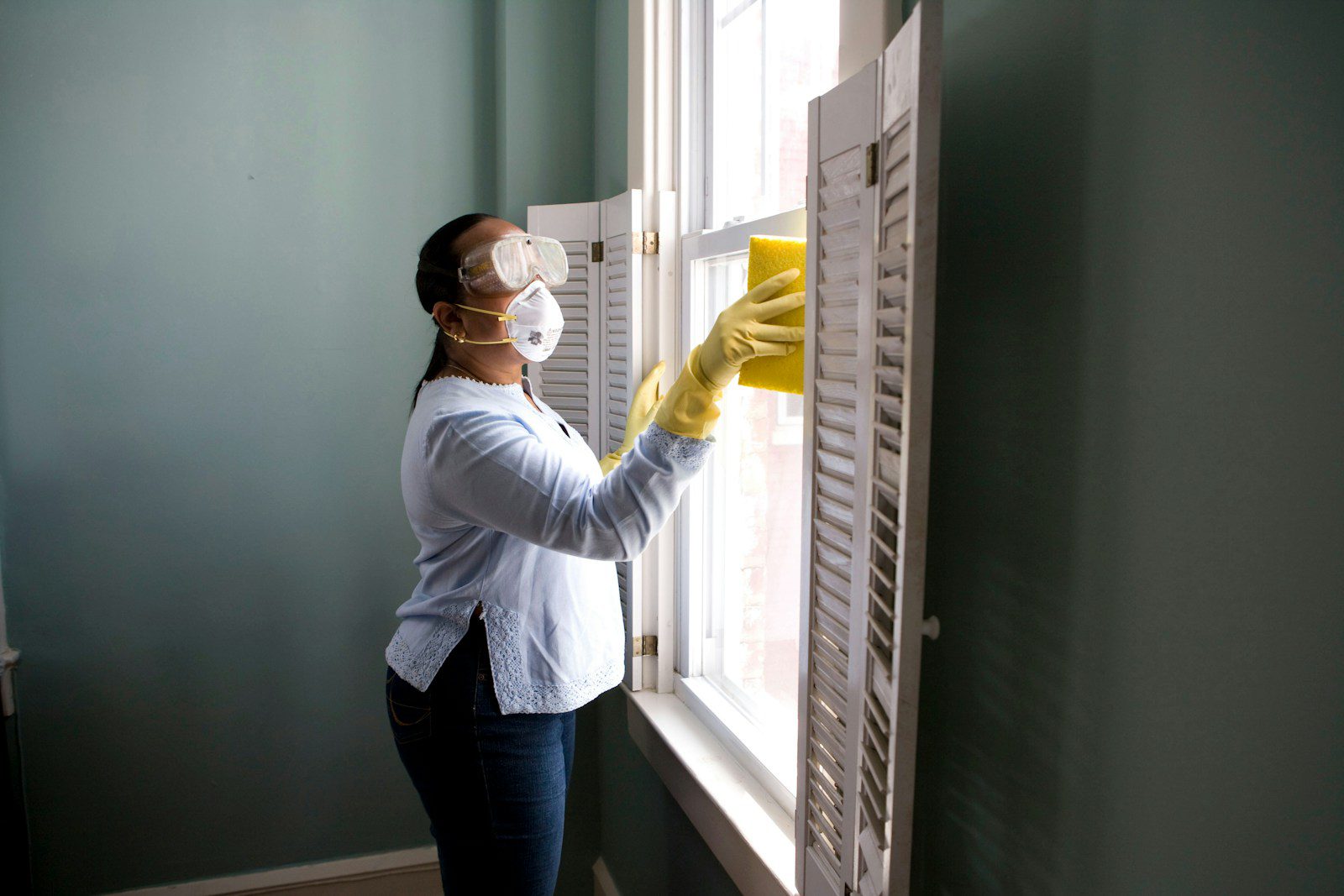
Wiping surfaces and sweeping floors are part of everyday cleaning, but pests often hide in areas we rarely touch. Behind refrigerators, under heavy furniture, inside pantry corners, and in closet floors — these are prime hiding spots. A regular deep-cleaning routine, even if it’s once a month, helps uncover crumbs, grease buildup, or pest nests that routine cleaning misses. The extra effort also gives you a chance to spot problems early before they grow into a full-blown infestation.
4. Storing Pet Food Incorrectly
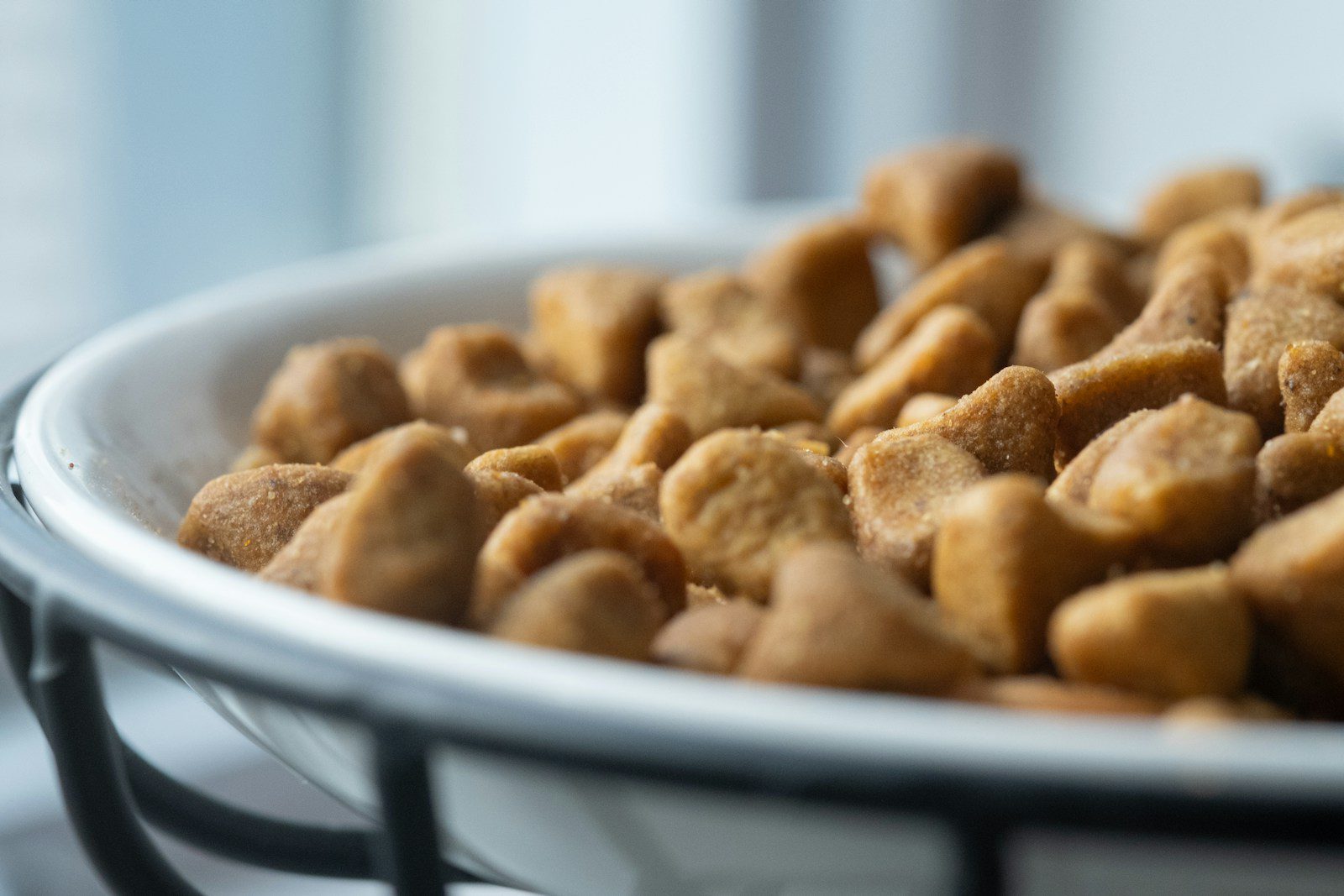
Pet food is one of the biggest, most overlooked pest magnets in a home. Open bags of kibble or bowls of food left out overnight provide rodents and bugs with easy access to a calorie-rich meal. Always store pet food in sealed containers and serve only the portion your pets need. Cleaning bowls after every meal is also important — even a few crumbs of kibble are enough to draw in ants or cockroaches. Treat pet food storage like human food storage: fresh, sealed, and tidy.
5. Leaving Trash Bins Open

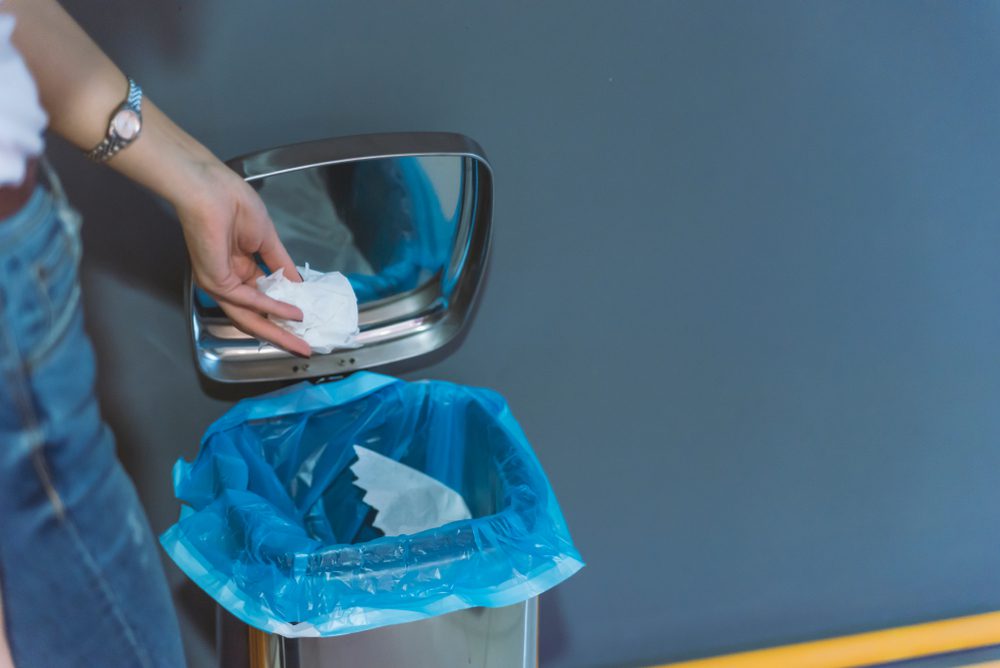
An open trash bin is a buffet line for pests. The strong odor of discarded food can attract roaches, flies, and even rats from a surprising distance. To prevent this, use bins with tight-fitting lids and line them with bags that are replaced regularly. Don’t forget to wash the bin itself — lingering residue and sticky bottoms still attract pests even if you change the bag. A clean, sealed trash system is one of the simplest but most powerful defenses against infestations.
6. Cluttered Garages and Basements
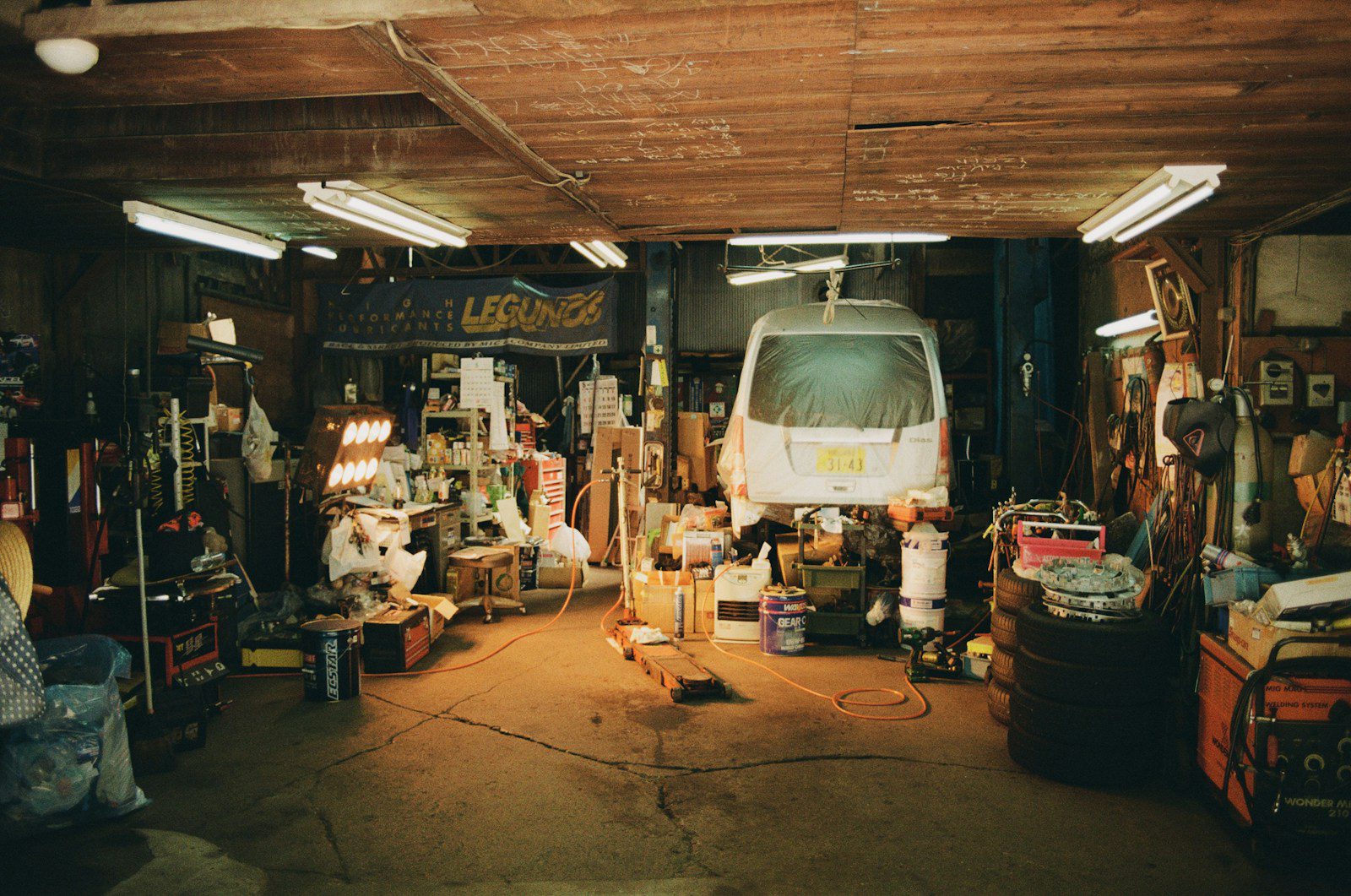
Garages and basements often become storage catchalls, but stacks of boxes and forgotten items are perfect hiding places for pests. Rodents and spiders thrive in cluttered, dark environments where they won’t be disturbed. Regularly decluttering and organizing these spaces reduces hiding spots and makes it easier to notice signs of pests. If something has been sitting unused for years, it may be better to donate or discard it than to let it become a pest hotel.
7. Neglecting Indoor Plant Care
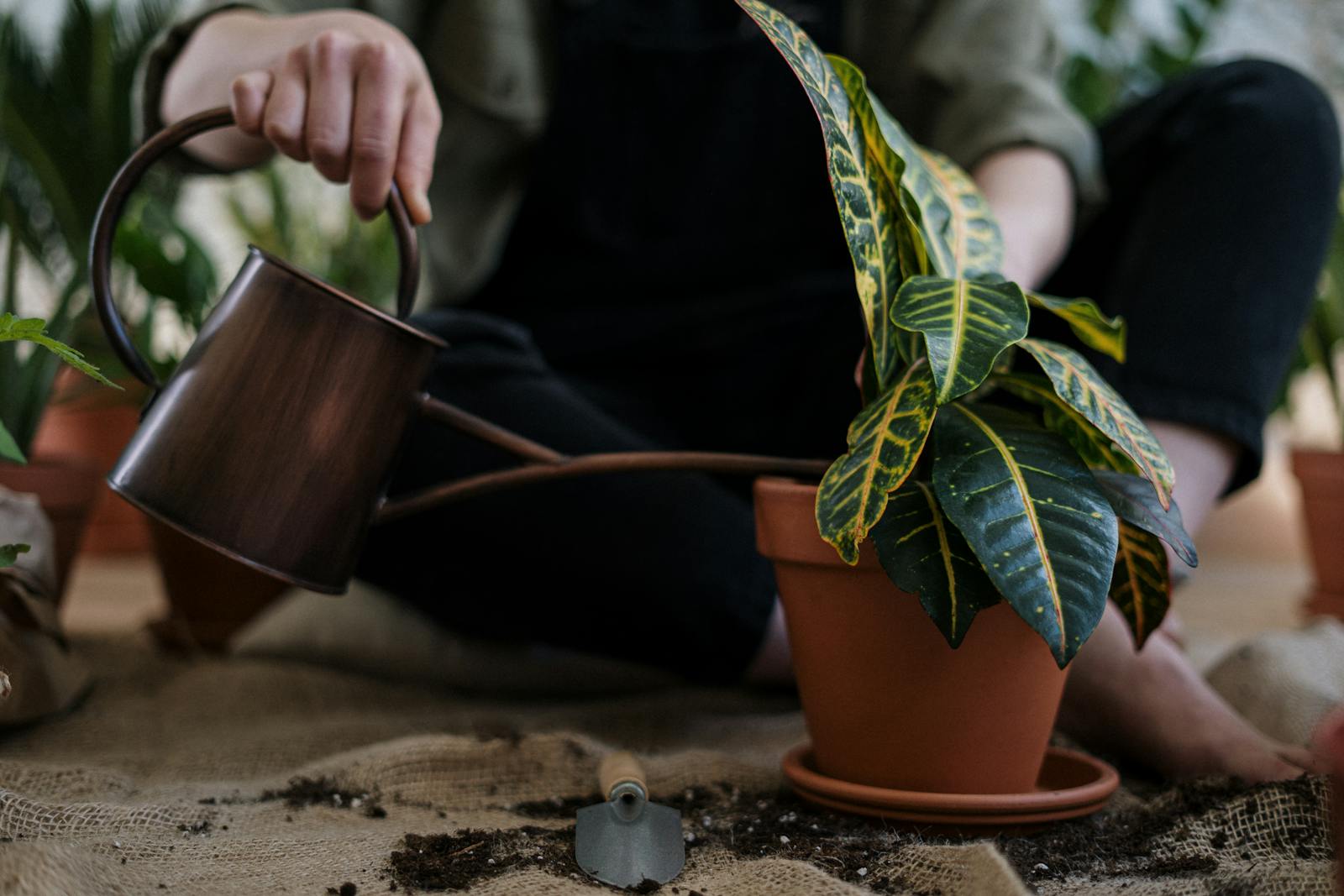
Indoor plants add beauty and improve air quality, but they can also become homes for pests if neglected. Overwatering creates damp soil, which attracts fungus gnats and mold. Dropping leaves and excess debris in the pot also provide food and cover for bugs. By monitoring watering, pruning regularly, and occasionally refreshing the soil, you’ll keep your plants thriving and your home pest-free. A healthy plant is less likely to become a breeding ground for unwelcome visitors.
8. Inadequate Storage of Outdoor Equipment
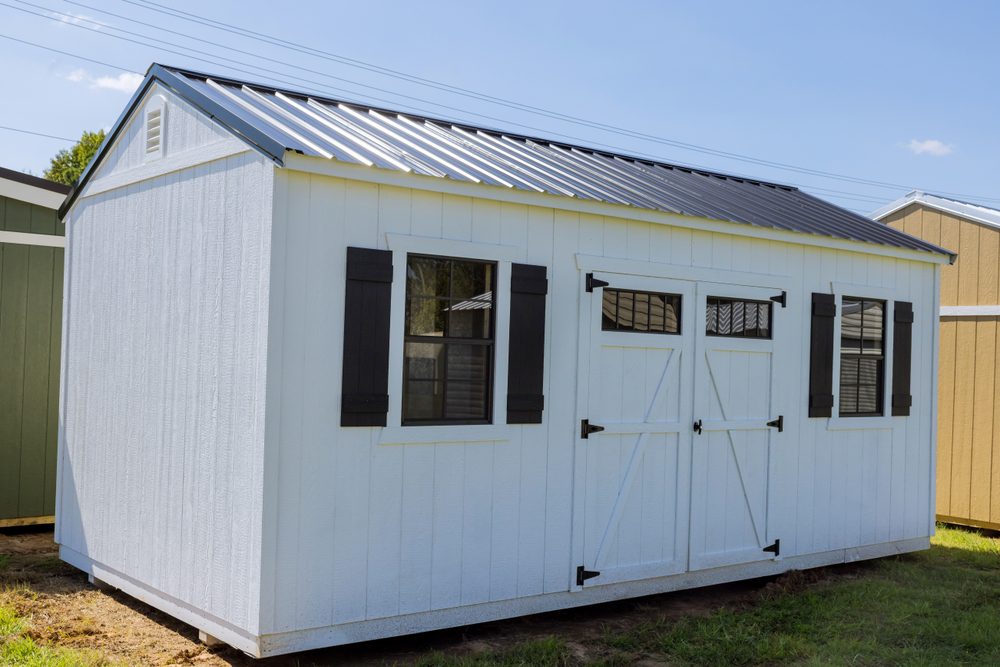
Outdoor tools and equipment, when left dirty or damp, can carry pests right into your home. Lawn mowers, garden tools, and sports gear are especially guilty since they often pick up soil, grass, and insects. Always wipe them down and store them in sealed containers or bags. Not only does this prevent pests from hitching a ride indoors, but it also extends the life of your equipment by keeping it clean and rust-free.
9. Overlooking Leaky Pipes and Faucets

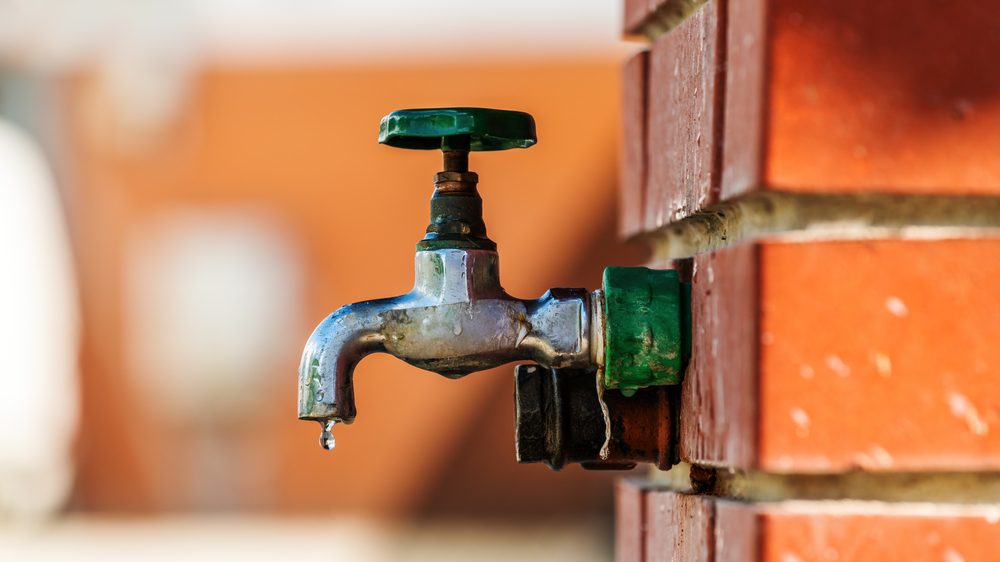
Moisture is one of the biggest draws for pests like cockroaches, silverfish, and termites. A slow drip under the sink or a leaky pipe behind the wall may not seem like a big deal, but for pests, it’s a reliable water source. Make it a habit to inspect under sinks, behind toilets, and around faucets. Fixing leaks promptly eliminates this attraction and helps protect your home from water damage at the same time.
10. Incorrect Storage of Perishable Goods

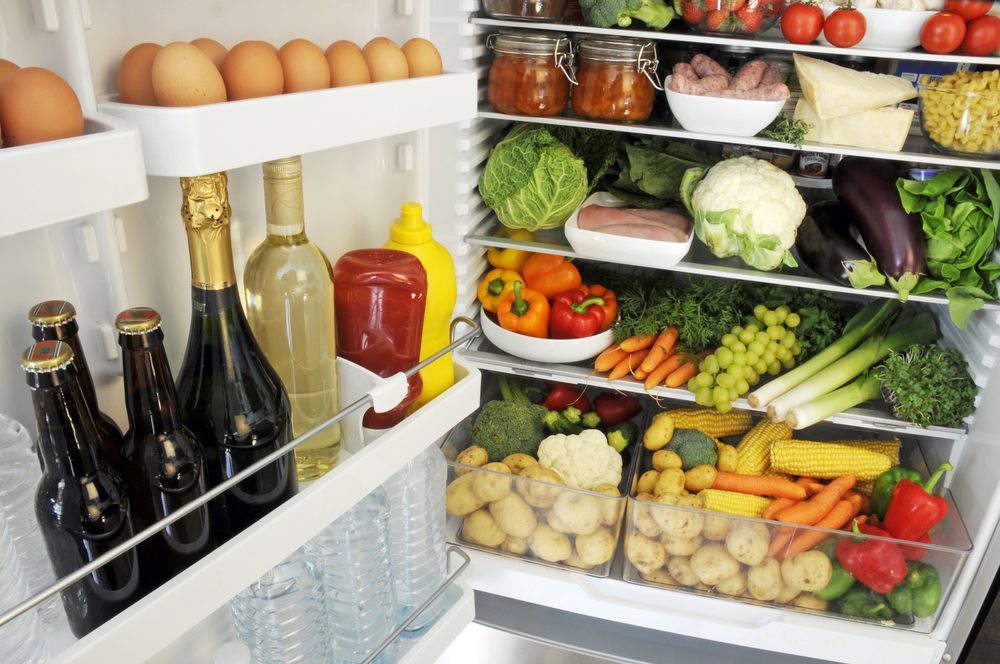
Leaving perishable goods like dairy, meat, or baked goods out for too long is like rolling out the red carpet for pests. Flies, ants, and even rodents can detect these foods quickly. Always refrigerate perishables promptly and keep your fridge organized so nothing gets forgotten and spoils. Wipe spills immediately inside the fridge and freezer to stop sticky messes from becoming pest magnets. A clean, cold storage environment is essential to keeping pests away.
11. Ignoring Seasonal Items Storage

Seasonal items like holiday decorations, sweaters, or camping gear often get tossed into storage without much thought. But if they go in damp or dirty, pests like moths and spiders may take up residence. Before packing items away, always wash and dry them thoroughly. Use airtight bins or vacuum-sealed bags instead of cardboard boxes to block pests and keep items in good condition until you need them again.
12. Storing Items in Damp Places

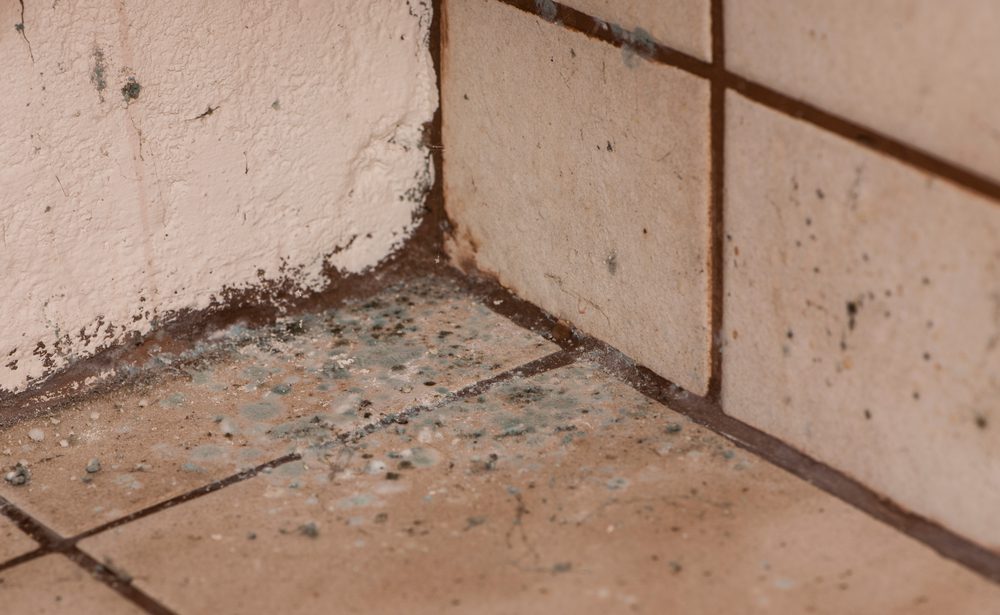
Moisture is a pest’s best friend. Basements, crawl spaces, and under-sink cabinets are all problem areas if they’re not well-ventilated. Storing boxes, clothes, or paper goods in these spaces only invites mold, mildew, and pests. Use shelving to keep items off the floor, run a dehumidifier if needed, and choose sealed plastic bins instead of porous materials that pests love to chew through. Dry storage is pest-free storage.
13. Using Cardboard for Long-Term Storage

Cardboard may seem like an easy storage solution, but it’s one of the worst choices long term. Roaches, silverfish, and even rodents chew through cardboard easily, and damp cardboard is an open invitation for mold. Switch to sturdy plastic bins with tight lids for seasonal storage or long-term packing. They last longer, keep items safe from pests, and stack neatly for a more organized home.
14. Storing Firewood Close to the House
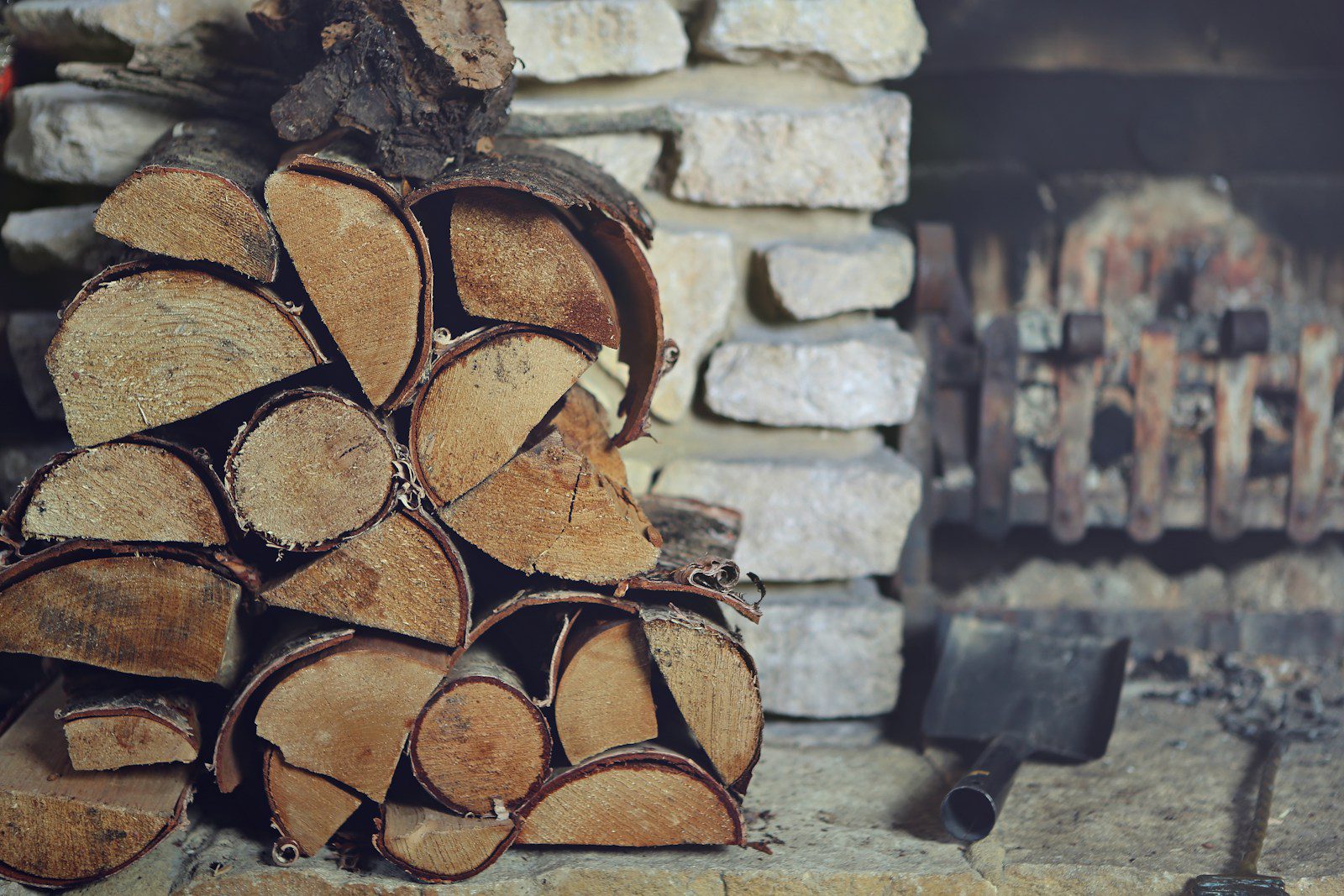
Firewood piles are notorious for harboring termites, ants, and spiders. Storing wood directly against your home is an easy way to give pests direct access indoors. Always stack firewood a good distance from your house, ideally on a raised platform that keeps the wood dry and off the ground. Cover it loosely with a tarp to protect it from moisture without trapping condensation, which can also attract pests.
15. Not Regularly Checking Storage Areas for Pests


Even with the best storage habits, pests sometimes sneak in. Regularly inspecting storage areas gives you a chance to spot droppings, gnaw marks, or even live pests before the problem grows. Check closets, attics, basements, and pantries every few weeks, especially during warm or wet seasons. If you do spot signs of an infestation, act quickly by cleaning thoroughly and contacting a pest control expert if needed. Early action can stop a minor annoyance from becoming a major problem.
Remember, prevention is always better than cure. By avoiding these common storage mistakes and taking proactive steps, you can drastically reduce the chance of pests moving in. For more science-backed insights on controlling infestations, you can check out this research paper on control strategies of stored product pests. Happy organizing!
Before you go — if this inspired you, check out these readers-loved favorites:
- 9 Things Boomers Saved That Millennials Now Want
- 12 Halloween Decor Items That Appreciate Over Time
- Amazon’s Best Retro Home Décor Finds You Can Snag Right Now