Many of us are guilty of wasting money in ways that can easily be avoided. It might not seem like much at the time, but these little expenditures can add up and make a big dent in our budget.
Some of these habits are so ingrained in our daily lives, we don’t even realize we’re doing them. But don’t fret, I’m here to help you identify these habits and offer some practical solutions.
1. Unchecked Energy Consumption: The Silent Money Burner

We often forget that every appliance we leave running or light we leave on contributes to our monthly electricity bill. This is especially true with older, less energy-efficient appliances.
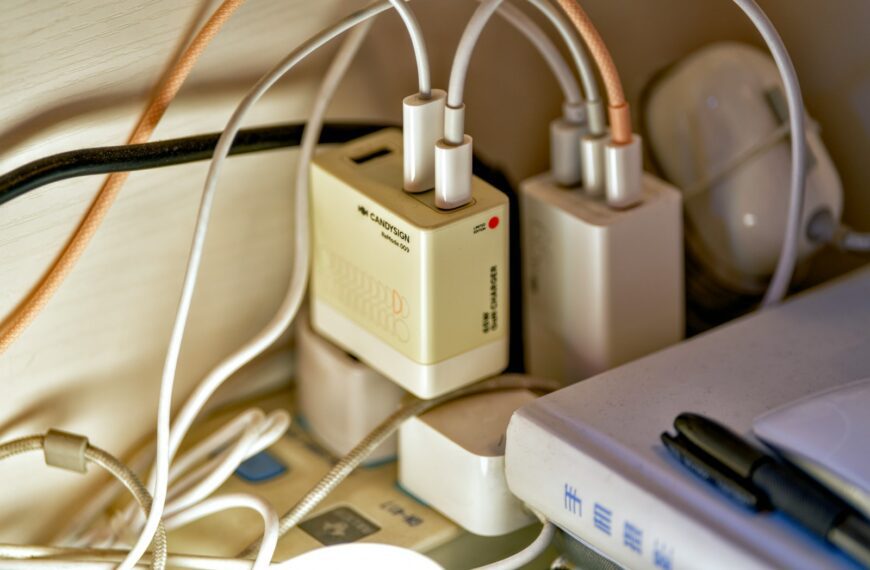
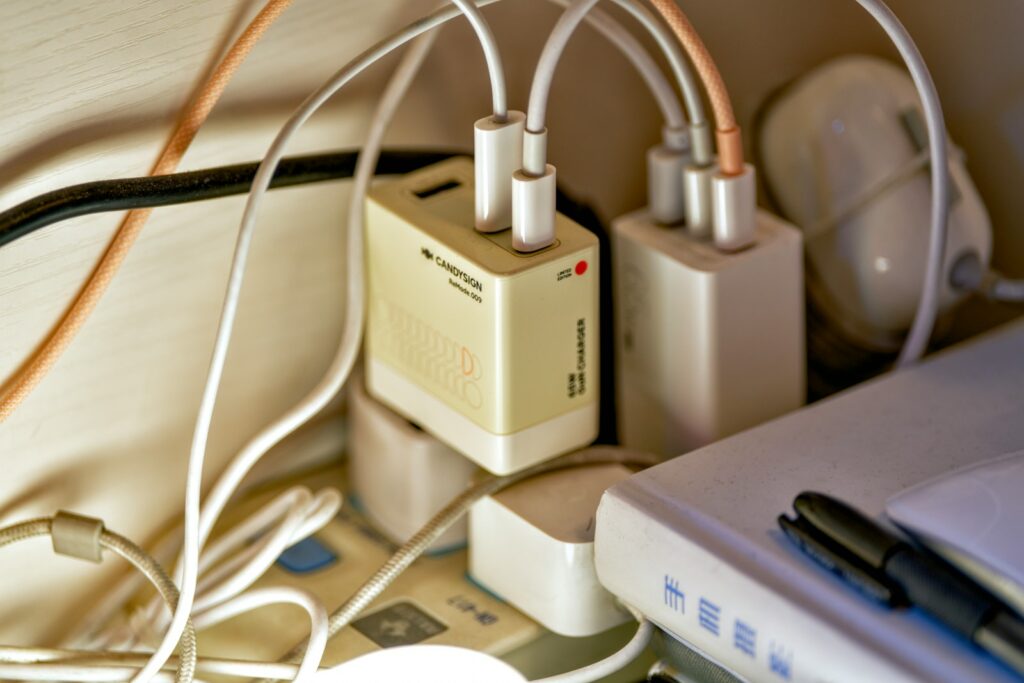
Try to be more conscious about turning off lights, unplugging chargers, and not leaving appliances running unnecessarily. Consider investing in energy-efficient light bulbs or appliances. They might cost more upfront, but they will save you money in the long run.
2. Food Wastage: The Hidden Cost of Your Kitchen

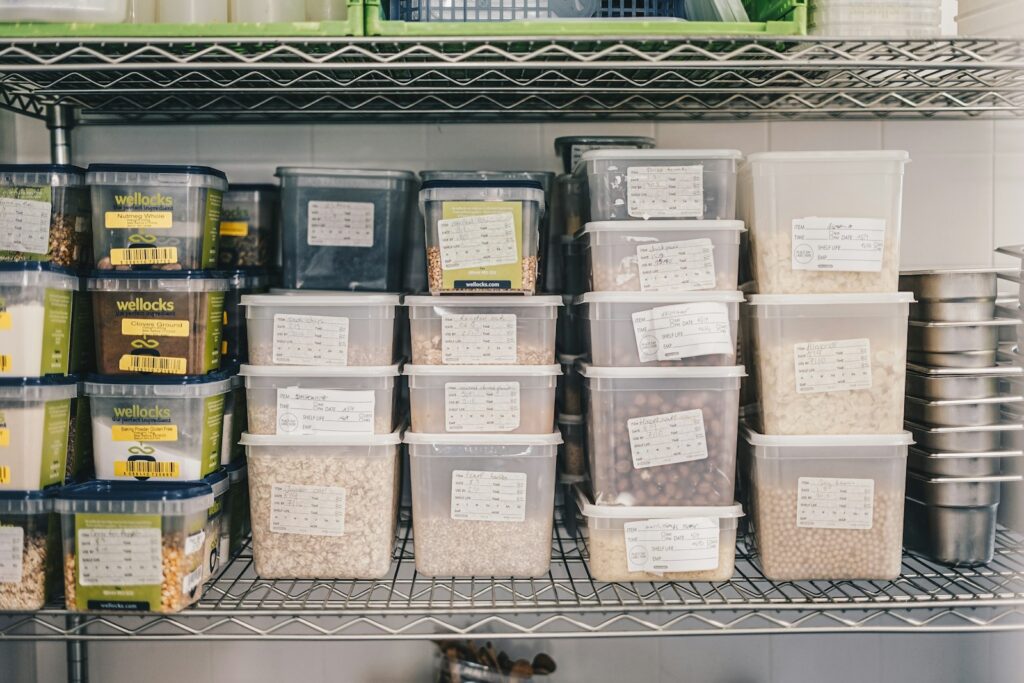
We’ve all been guilty of buying more food than we need and then throwing it away when it goes bad. According to a study, food waste can cost a household up to $1,866 per year. Try planning your meals for the week and only buying what you need. Also be aware of expiration dates and try to use perishable items before they go bad.
3. Ignoring Regular Maintenance: Small Problems Become Big Expenses
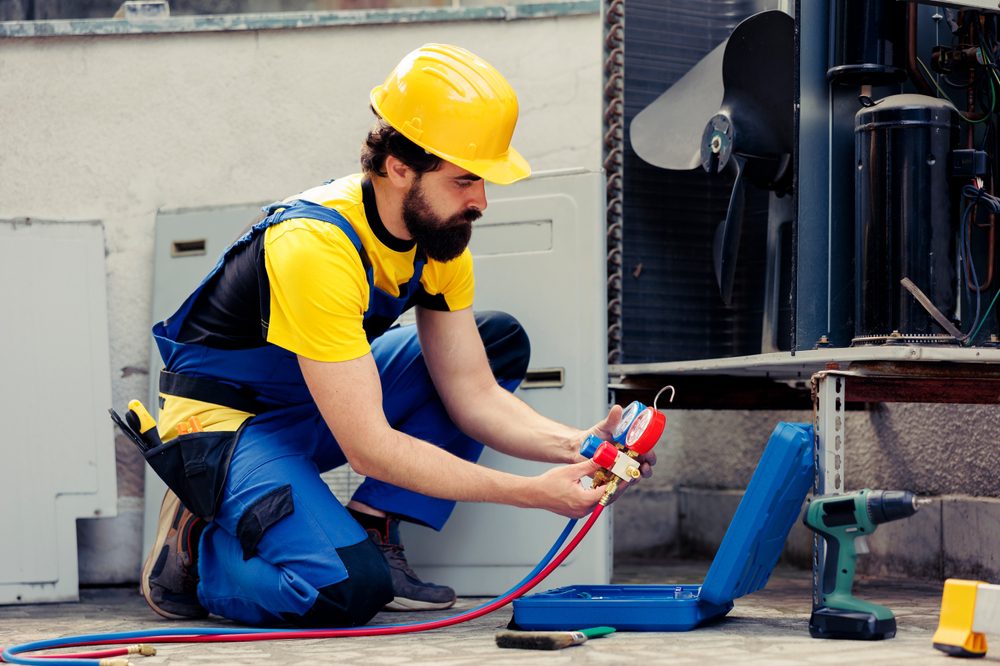
Whether it’s your car or your home, ignoring regular maintenance can lead to bigger, more expensive problems down the line. Regularly servicing your car can prevent costly repairs.
Similarly, regular home maintenance like cleaning gutters, checking for leaks, and servicing heating and cooling systems can prevent bigger issues and save you money.
4. Over-reliance on Convenience Products: Paying for Laziness

Convenience products like pre-made meals, disposable cleaning wipes, and bottled water may save time, but they’re often much more expensive than their alternatives.
Try cooking meals from scratch, using reusable cleaning cloths, and filling a reusable water bottle. Not only will you save money, but you’ll also reduce your environmental impact.
5. Excessive Water Usage: A Drain on Your Finances
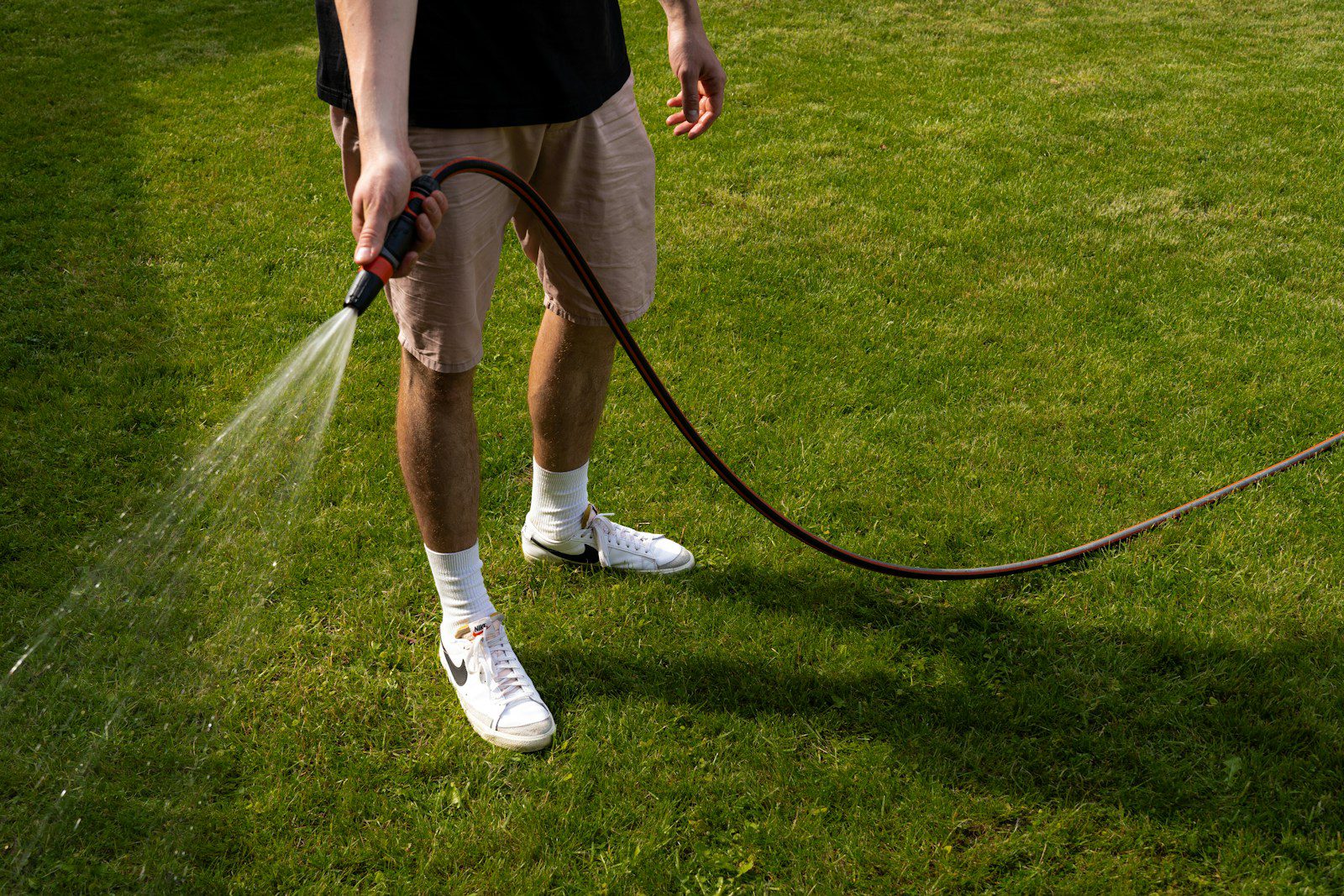
Leaving the tap running while you brush your teeth or taking long showers can significantly increase your water bill. Try to be more mindful of your water usage. Fix any leaks promptly, take shorter showers, and only run the dishwasher or washing machine with full loads.
6. Unplanned Grocery Shopping: The Budget Buster

Impulse buys at the grocery store can quickly add up. Try making a list before you go shopping and stick to it. Also, avoid shopping when you’re hungry, as this can lead to more impulse buys. Check out these supermarket shopping habits to save money.
7. Unused Subscriptions: The Forgotten Monthly Charges

Many of us sign up for subscriptions and then forget about them. These can range from streaming services to gym memberships. Take a look at your bank statement and cancel any subscriptions that you don’t use. You’ll be surprised at how much you can save.
8. Overspending on Luxuries: Unnecessary Indulgences

While treating yourself every now and then is fine, frequent splurges on luxury items can quickly drain your wallet. Before making a luxury purchase, ask yourself if you really need it or if it’s just a want. Try to limit these purchases and save money for things you really need.
9. Buying Brand Name Products: The Premium You Don’t Need

Brand name products often cost more than their generic counterparts, but are they really worth the extra cost? In many cases, the answer is no. Generic products often work just as well as brand names. Next time you’re shopping, try opting for the generic version and see if you notice a difference.
10. Impulse Buying: The Enemy of Your Wallet

We’ve all made impulse purchases that we later regret. These purchases can quickly add up and make a big dent in our budget. Try to resist the urge to make impulse purchases. If you see something you want, give yourself a cooling-off period. If you still want it after a few days, consider buying it. But often, you’ll find that the urge to buy has passed.
11. Inefficient Laundry Habits: The Costly Cycle
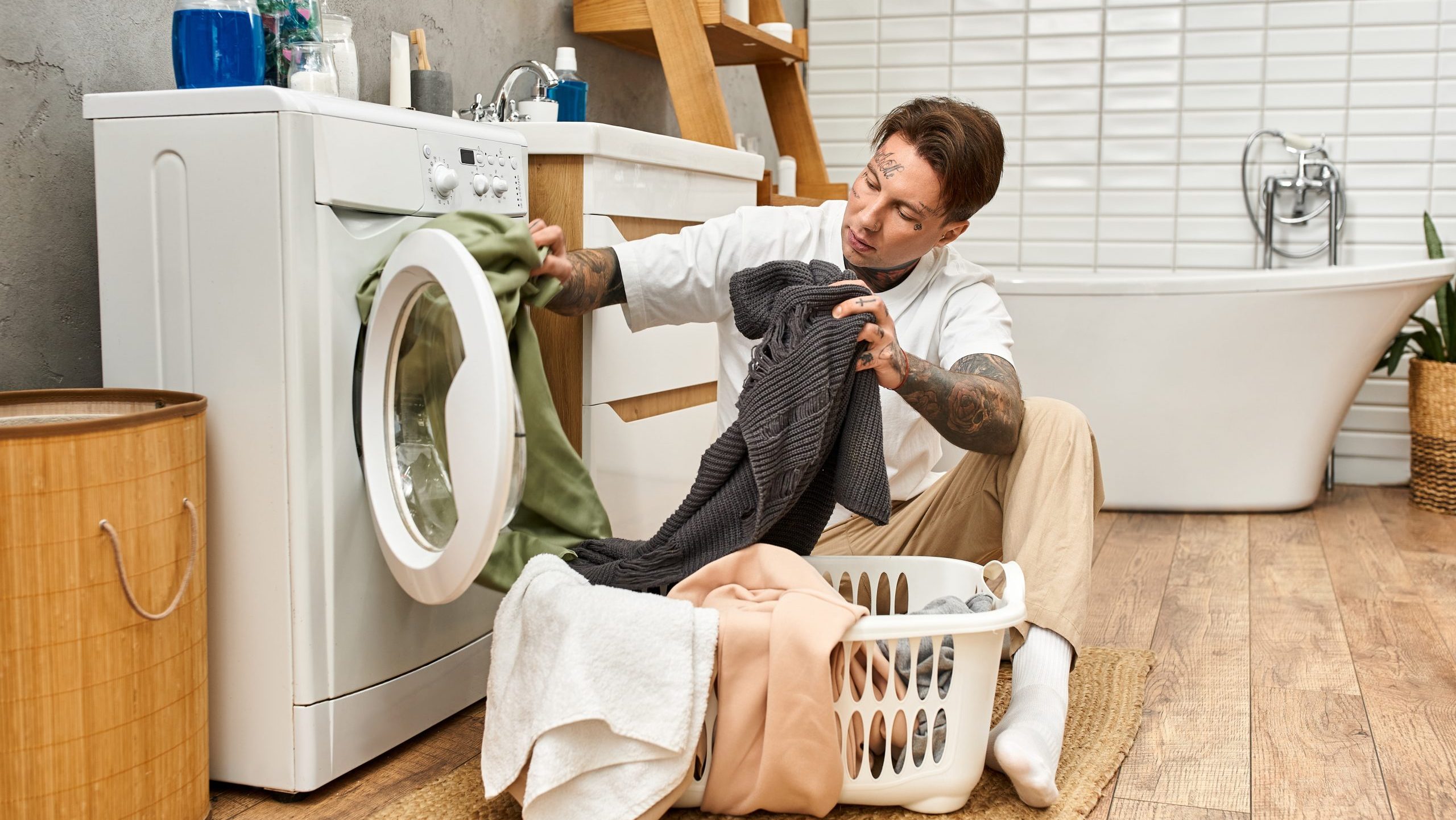
Doing laundry can be more expensive than you think, especially if you’re using an older, less efficient washer and dryer. Try to do full loads of laundry to maximize efficiency. Also, consider air-drying your clothes to save on energy costs. Not only will you save money, but you’ll also reduce your environmental impact.
12. Lack of Budgeting: The Biggest Money-Wasting Habit.

Without a budget, it’s easy to spend more than you realize. A budget gives you a clear picture of where your money is going and can help you identify areas where you can cut back. If you’re new to budgeting, there are many free resources online to help you get started. Check out these money-wasting habits that could destroy your finances for more tips.
Before you go — if this inspired you, check out these readers-loved favorites: