
As an experienced real estate enthusiast, I’ve been through my fair share of home tours, and let me tell you, they can be a whirlwind of emotions. The excitement of stepping into a potential new home is often coupled with the anxiety of uncovering possible issues that could turn your dream home into a money pit. Over the years, I’ve learned to spot certain “red flags” that could indicate trouble. Here are 15 things that buyers, including myself, instantly look out for during a home tour.
1. Visible Signs of Neglect or Abandonment
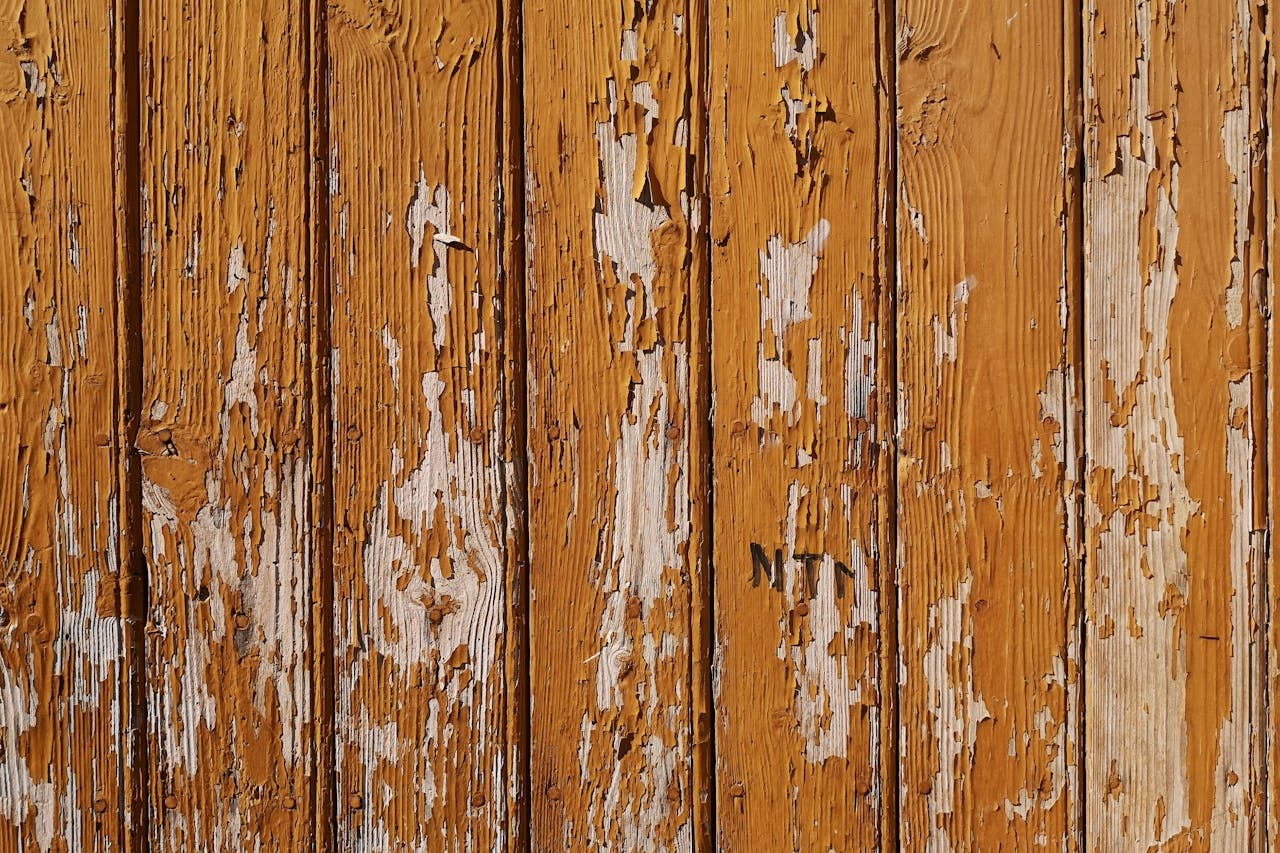
When touring a home, it’s easy to spot signs of neglect. Peeling paint, overgrown yards, and broken fixtures are obvious signs that the property may not have been well-maintained. A neglected house can lead to larger, hidden issues like structural damage or mold. Don’t ignore these signs; they are often indications of the overall care and maintenance of the property.
2. Unpleasant Odors in the House
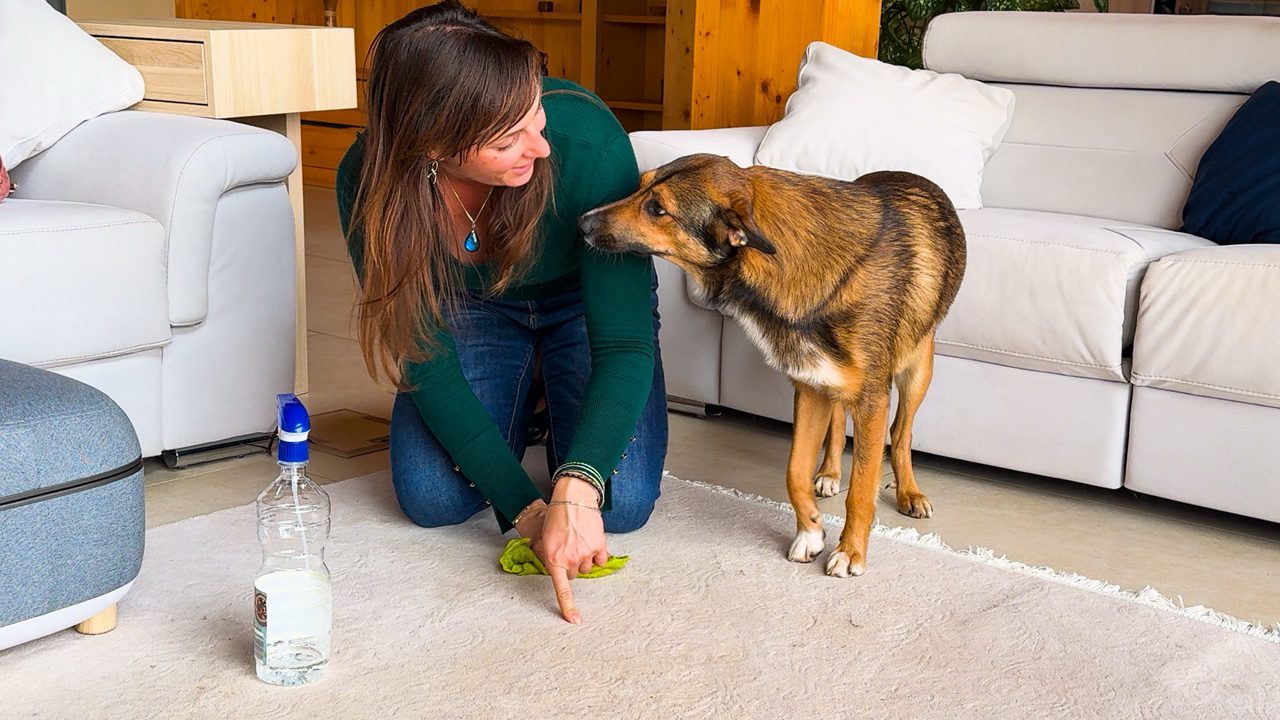
Smell is a powerful sense, and unpleasant odors can be a big red flag during a home tour. Whether it’s the smell of mold, mildew, pets, smoke, or even heavy perfumes used to cover up bad smells, it’s essential to take note. These odors can indicate potential issues, such as water damage, poor ventilation, or pet messes that have seeped into the flooring.
3. Poor Drainage and Water Damage

Water damage is a serious issue that can lead to costly repairs. During a home tour, look for signs of poor drainage such as water stains, mold, mildew, or a musty smell. Also, check the outside of the house. Are the gutters clean and in good condition? Is the landscape graded away from the house to prevent water pooling? These are important considerations when evaluating potential water damage.
4. Cracks in Foundation or Walls

Cracks in the foundation or walls can be a sign of serious structural issues. While not all cracks are cause for concern, large cracks or horizontal cracks in the basement can indicate problems with the foundation. Similarly, cracks around window frames or door frames can suggest the house has settled unevenly. These are signs you shouldn’t ignore. More details here on what to look for in home inspection reports.
5. Evidence of Pest Infestation

Pests can cause significant damage to a home. Look for signs of pest infestation such as rodent droppings, termite wings, or damaged wood. Pest control can be expensive, and some infestations may be hard to fully eradicate. An infestation can also indicate other issues, like cracks in the foundation where pests can enter, or damp conditions that attract them.
6. Outdated Electrical Systems
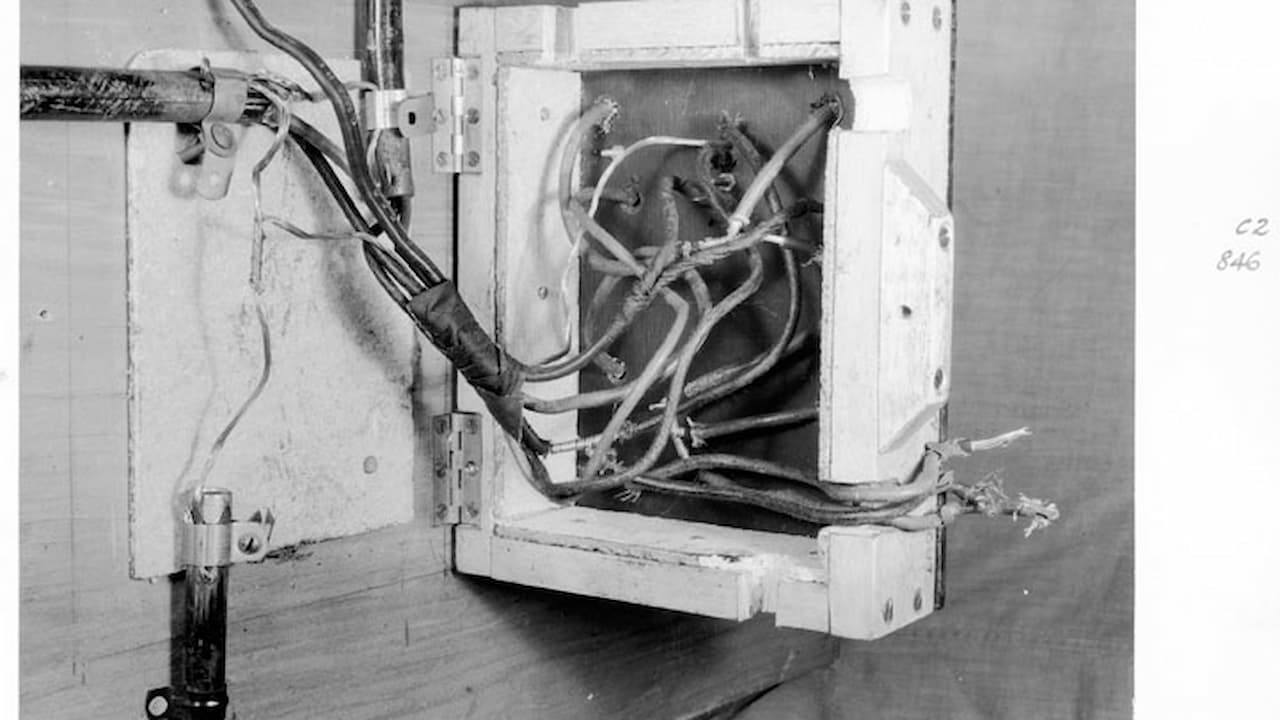
Outdated electrical systems can be a safety hazard and a costly upgrade. Look for signs like old fuse boxes, ungrounded outlets, or flickering lights. It’s also a red flag if the current homeowners have done DIY electrical work, as it may not meet current safety codes. If you’re unsure about the electrical system, consider hiring a professional to inspect it.
7. Unexplained or Hidden Areas
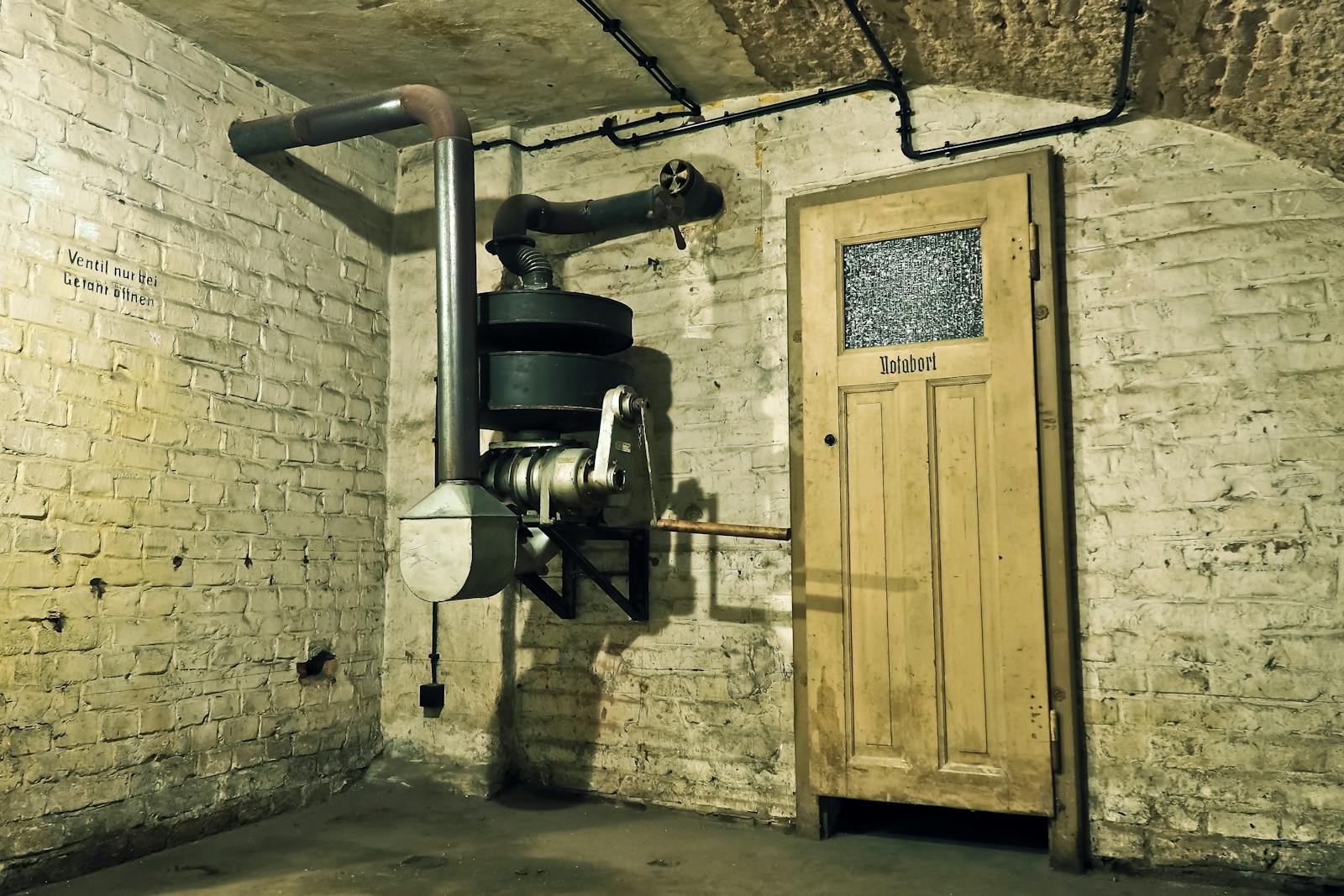
During a home tour, beware of areas that are off-limits or not fully explained by the seller. These could be hiding serious issues like mold, water damage, or structural problems. Always ask to see all areas of the house, and be suspicious of any areas that are conveniently inaccessible during the tour.
8. Inadequate Insulation and Ventilation
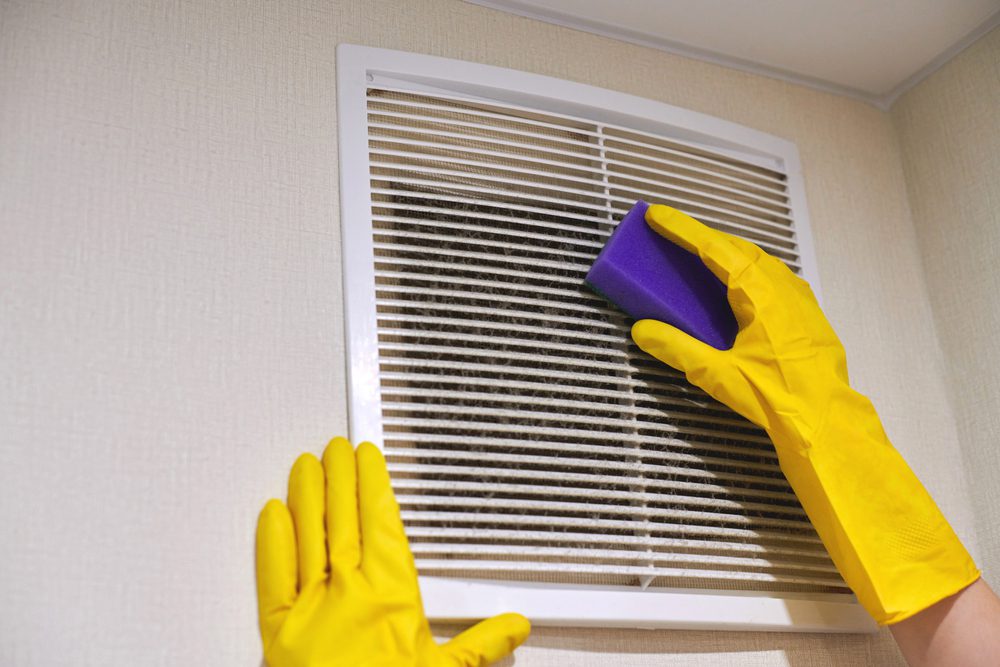
A home with inadequate insulation and ventilation can lead to high energy costs and potential moisture problems. Check the attic and crawl spaces for proper insulation. Look for signs of condensation on windows, which can indicate poor ventilation. Here are more red flags that could repel house buyers.
9. Inefficient Heating or Cooling Systems

Old or inefficient heating and cooling systems can be expensive to replace and lead to high energy bills. Ask about the age and condition of the furnace, air conditioner, and water heater. If these systems are over 10 years old, they may need to be replaced soon.
10. Issues with Plumbing or Water Pressure

Plumbing issues can be a major headache and are often costly to repair. Check the water pressure by turning on faucets and flushing toilets. Look for signs of potential problems like slow drains, water stains, or a sewer smell. Also, ask about the age of the plumbing system and if any repairs have been done.
11. Noise or Environmental Pollution

Noise or environmental pollution can seriously impact your quality of life in a new home. Pay attention to noise levels during your tour. Can you hear traffic, neighbors, or nearby businesses? Also, consider potential environmental pollutants like a nearby factory or highway. These factors can affect both your enjoyment of the property and its future resale value.
12. Badly Maintained Neighborhood

The condition of the neighborhood is just as important as the condition of the house. A poorly maintained neighborhood can be a sign of declining property values and can make it harder to sell the house in the future. Take a walk around the neighborhood and look for signs of neglect like litter, graffiti, or numerous vacant or rundown properties.
13. Multiple Homes for Sale in the Same Area
If you notice multiple homes for sale in the same area, it could be a sign that residents are trying to leave. This could be due to a variety of reasons, like a spike in crime, declining property values, or a less desirable school district. Research the area thoroughly before making a decision.
14. Unreasonably High Price Compared to Market Value
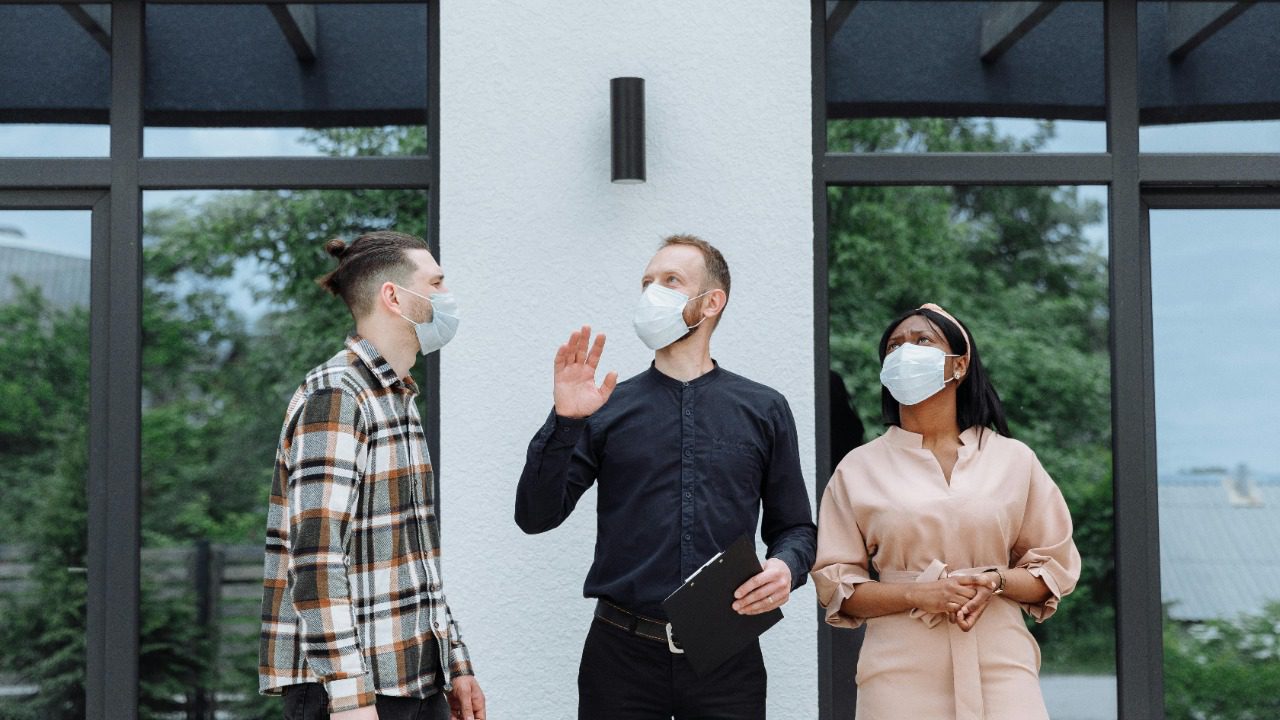
If the asking price is significantly higher than the market value, it’s a definite red flag. This could indicate that the sellers are trying to make a quick profit, or that they’re not serious about selling. Compare the asking price to similar homes in the area to get a sense of what’s reasonable. Check out this book for more on what buyers should look for during a home tour.
15. Sellers Evasive About Home’s History or Condition

Finally, if the sellers are evasive or vague about the home’s history or condition, it’s a big red flag. Honest sellers should be open about any past issues or repairs. If they’re not, they may be trying to hide something. Always do your own due diligence, including getting a home inspection, to uncover any potential issues.
Remember, buying a house is a significant investment. It’s essential to be vigilant and notice these red flags during a home tour. Happy house hunting!