Clutter experts agree that the fastest way to transform a chaotic home is to start with the hidden trouble spots in your closets. By targeting the specific categories professionals remove first, you clear space, cut cleaning time, and make it easier to find what you actually use. Each of the following items reflects how specialists identify “invisible” clutter and turn overstuffed closets into streamlined storage that supports your daily routine.
1) Hidden Closet Accumulations
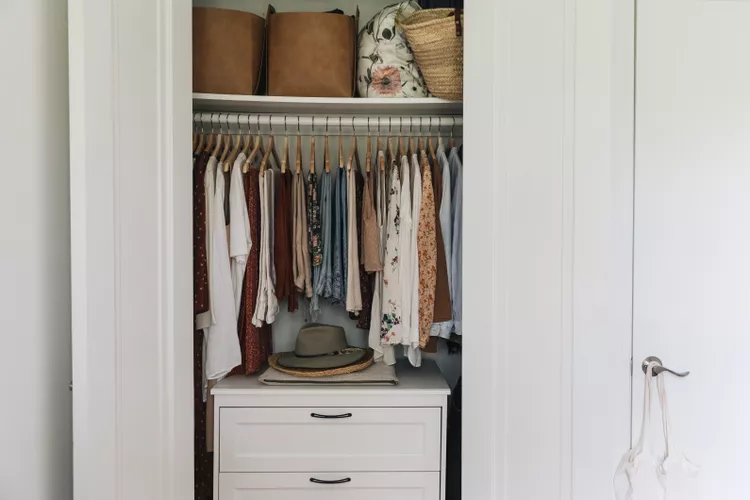
Hidden closet accumulations are the everyday things you stash “just for now” and then forget, which is why clutter experts flag them as the first category to tackle. Reporting on hidden closet clutter shows that these items are often buried behind more intentional storage, so you stop seeing them altogether. That invisibility is what turns a useful closet into a dead zone of wasted space and duplicate purchases.
To clear this layer, you start by pulling out anything that has not been used in months and no longer has a clear purpose. Experts recommend asking whether each item has a specific upcoming use, not a vague “someday.” When you remove this first wave of unnoticed buildup, you immediately gain shelf space, reduce visual noise, and make it easier to maintain every other category that remains in the closet.
2) Seasonal Storage Overload
Seasonal storage overload happens when off-season coats, boots, sports gear, and holiday extras crowd out what you actually need right now. Clutter specialists point out that these items often feel essential, yet the volume stored in closets far exceeds what you realistically use in a single season. The result is a wall of bulky fabric and gear that hides smaller essentials and makes every search harder.
Professionals recommend separating truly necessary off-season pieces from outdated, ill-fitting, or duplicate items that can be donated or recycled. When you pare back seasonal storage, you free up hanging space and high shelves for current needs, which directly supports faster morning routines and safer access to heavier items. This shift also reduces the temptation to keep buying more seasonal goods simply because you cannot see what you already own.
3) Forgotten Accessories
Forgotten accessories, such as belts, scarves, costume jewelry, and old hats, are classic examples of clutter that hides in plain sight. Experts note that these pieces often end up in tangled piles or stuffed into bins, where you reach for the same two or three favorites and ignore the rest. Over time, shelves and drawers become dominated by items that no longer match your style or wardrobe.
Clutter professionals advise grouping accessories by type, then removing anything damaged, uncomfortable, or redundant. When you let go of outdated pieces, you make room to store the accessories you actually wear in a visible, accessible way. That change not only speeds up getting dressed, it also helps you see gaps in your wardrobe more clearly, so future purchases are intentional instead of impulse clutter.
4) Unused Linens and Towels
Unused linens and towels are a major hidden culprit in overstuffed closets, especially when you keep every old sheet and bath set “just in case.” Reporting on Old Linens and Towels explains that linen closets often become repositories for worn-out sheets, towels, and blankets that simply occupy space. These neglected stacks collect dust and make it harder to reach the fresh sets you actually use.
Clutter experts recommend limiting yourself to a practical number of sets per bed and a reasonable rotation of towels, then donating or repurposing the rest as cleaning rags or pet bedding. By clearing out excess fabric, you reduce allergens, improve airflow in the closet, and make laundry storage more efficient. This shift also helps you see when it is time to replace truly threadbare items instead of hiding them behind newer purchases.
5) Outdated Documentation
Outdated documentation, including old bills, expired warranties, and obsolete manuals, often migrates into closets when you “put it somewhere safe.” Over time, these paper piles slide into corners or boxes, where they are rarely opened again. Clutter specialists identify this category as high priority because it consumes valuable shelf space while offering almost no day-to-day benefit.
Professionals suggest sorting documents into keep, shred, and recycle, retaining only tax records, active contracts, and essential identification. Moving necessary papers into a labeled file box or digital system frees your closet for items that truly belong there, such as clothing or household supplies. This approach also reduces the risk of misplacing important records inside random bags or shoe boxes that you forget you even stored.
6) Spare Appliance Parts
Spare appliance parts, mystery cords, and random hardware often end up shoved behind larger items in closets, where they quietly multiply. Clutter experts point out that many of these pieces belong to devices you no longer own or to packaging that should have been recycled. Because they are small and “might be useful,” they are rarely questioned, even as they fill bins and shelves.
To regain control, professionals recommend matching each cord or part to a specific appliance and discarding anything without a clear home. Labeling remaining parts in small containers prevents future confusion and stops you from buying duplicates. Clearing this technical clutter not only opens up storage space, it also reduces the frustration of digging through tangled cables every time you need a single charger or adapter.
7) Gift-Wrapping Remnants
Gift-wrapping remnants, such as crumpled paper, short ribbon pieces, and nearly empty tape rolls, tend to linger in closets long after the holidays. Experts highlight this category because it often hides in bags or boxes that look organized from the outside but are mostly unusable scraps inside. That illusion of preparedness encourages you to keep buying new supplies while the old clutter remains.
Professionals advise consolidating wrapping materials into a single container and discarding anything too small or damaged to use. Keeping only full rolls, intact bags, and functional tools makes it easier to see what you have before each event. This streamlined setup saves money, reduces last-minute stress, and prevents closets from becoming long-term storage for festive debris you will never actually reach for again.
8) Old Shoe Collections
Old shoe collections are another early target for clutter experts, especially when closets are lined with pairs you no longer wear. Worn-out sneakers, stretched-out flats, and single shoes without a match often sit untouched for years. These neglected pairs crowd shoe racks and floors, making it harder to access the footwear that still fits your lifestyle.
Professionals recommend pulling every pair out, checking for damage, comfort, and frequency of use, then donating or recycling anything that fails the test. By removing outdated or impractical shoes, you create clear rows for everyday options and special-occasion pairs you truly value. This not only improves visibility and air circulation, it also reduces tripping hazards and keeps dirt from accumulating under piles of unused footwear.
9) Sentimental Mementos
Sentimental mementos, including old cards, souvenirs, and childhood items, often occupy entire closet shelves in unexamined boxes. Clutter specialists describe this as emotional clutter, because the attachment is to the memory, not necessarily to every physical object. When these boxes multiply, they crowd out practical storage and make it difficult to use the closet for current needs.
Experts suggest setting limits, such as one memory box per person, and curating only the most meaningful items. Photographing bulky pieces before letting them go can preserve the story without consuming space. By editing sentimental collections, you respect your history while reclaiming closets for active use, which is crucial for households trying to stay organized in smaller homes or shared spaces.
10) Cleaning Supply Duplicates
Cleaning supply duplicates are a common source of hidden clutter in utility and hallway closets. Multiple half-used bottles of the same spray, extra mops, and stacks of sponges accumulate when you cannot see what you already own. Clutter experts flag this category because it wastes both money and storage space, while also making it harder to grab the right product quickly.
Professionals recommend grouping supplies by type, combining compatible liquids when appropriate, and discarding expired or nearly empty containers. Storing one active bottle of each cleaner in front, with backups limited to a small bin, keeps the area streamlined. This approach supports more efficient household maintenance and reduces the risk of chemical spills or leaks hidden behind cluttered shelves.
11) Fabric and Craft Remnants
Fabric and craft remnants often fill bins and baskets in closets, especially for people who sew, knit, or enjoy DIY projects. Small scraps, partial skeins of yarn, and leftover embellishments feel too valuable to toss, yet they rarely find their way into new creations. Over time, these remnants become a dense layer of clutter that hides the supplies you actually want to use.
Clutter professionals advise setting clear thresholds, such as keeping only pieces large enough for a specific type of project. Donating excess materials to schools or community groups can keep them out of landfills while freeing your shelves. When you pare back remnants, you gain a clearer view of your core tools and fabrics, which makes creative work more enjoyable and less overwhelming.
12) Seasonal Decor Overflow
Seasonal decor overflow happens when every holiday or event adds another box to your closet, without any editing of what you already own. Strings of lights that no longer work, chipped ornaments, and outdated themed items often remain packed away year after year. Clutter experts prioritize this category because it occupies large containers that block access to everyday storage.
Professionals recommend opening each bin before the season begins, testing items, and removing anything broken, redundant, or no longer aligned with your style. Keeping decor within a fixed number of containers forces you to choose favorites and release the rest. This strategy makes decorating faster, reduces post-holiday packing stress, and prevents closets from becoming permanent warehouses for forgotten festivities.
13) Backup Bags and Luggage
Backup bags and luggage, including old suitcases, duffel bags, and promotional totes, often line the tops and floors of closets. Over time, you may accumulate more travel gear than you realistically need, especially if you upgrade to newer models but never let the old ones go. Guidance on monthly homeowner tasks supports the idea of regularly inspecting storage areas, which naturally includes reviewing unused luggage.
Clutter experts suggest a monthly or quarterly check to confirm which bags you actually use for trips, sports, or commuting. Donating extra pieces and recycling damaged ones opens up significant space for bulky items like blankets or out-of-season clothing. Regular reviews also prevent closets from becoming hiding places for forgotten travel gear, so you are not surprised by cracked wheels or broken zippers the night before a trip.
14) Hidden Tool Kits
Hidden tool kits, such as spare screwdrivers, mini hardware sets, and duplicate tape measures, frequently end up stashed in bedroom or hallway closets. As you buy new tools for specific projects, older or cheaper sets drift into the background. When you follow recurring maintenance routines similar to those outlined for Declutter projects, these forgotten kits surface as clear clutter.
Professionals recommend consolidating tools into one primary kit and relocating it to a central, clearly labeled spot. Any remaining partial sets or low-quality duplicates can be donated or recycled. This consolidation not only frees shelf space, it also ensures you can quickly find the right tool for monthly home checks, reducing frustration and preventing unnecessary repeat purchases.
15) Miscellaneous Boxes
Miscellaneous boxes, especially unlabeled ones, are often the final frontier of closet clutter. These containers may hold anything from old electronics to random decor, yet their vague contents make you reluctant to deal with them. Clutter experts see them as high-impact targets, because each box you empty can free an entire shelf or floor section.
Professionals advise opening every unlabeled box, sorting contents into clear categories, and assigning each item a proper home or letting it go. Labeling any remaining containers prevents them from turning back into mystery clutter. When you pair this habit with periodic inspections inspired by broader closet decluttering guidance, you stop new miscellaneous boxes from forming, keeping your storage streamlined over the long term.
More from Decluttering Mom: