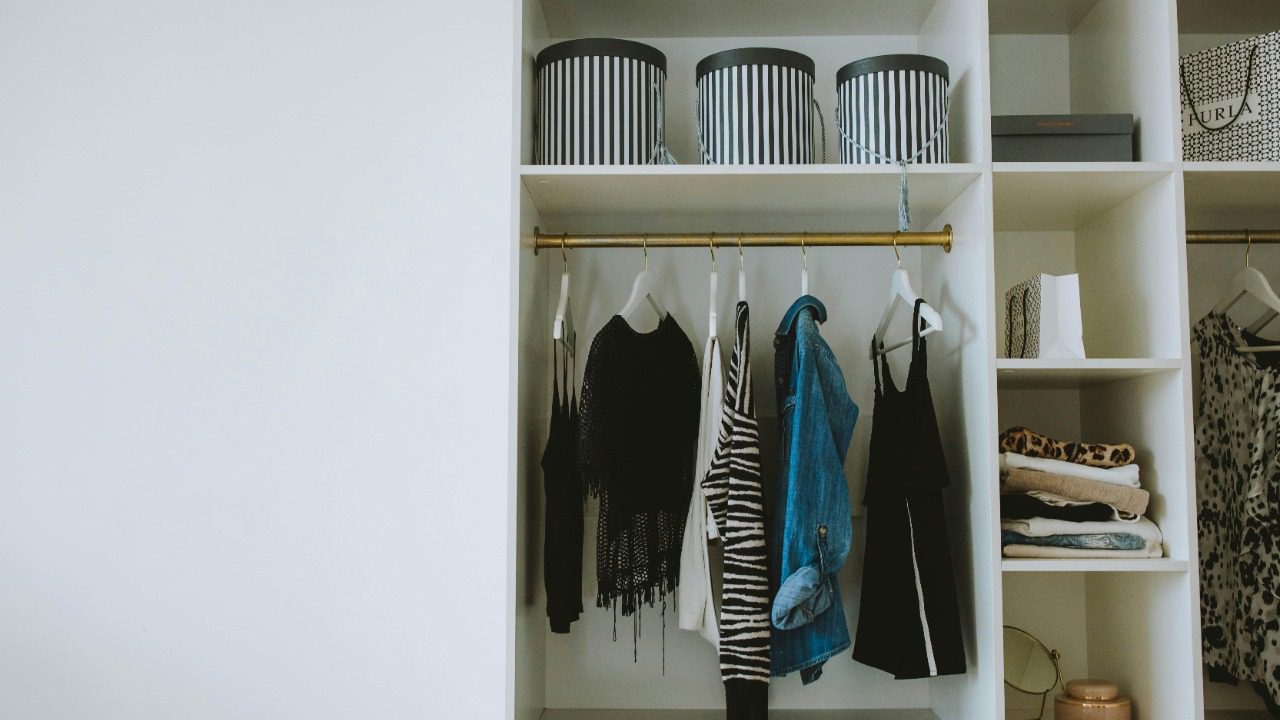
Closets feel organized when doors are shut and everything looks tucked away, but hidden organizers often just conceal clutter instead of solving it. Visual organizers can also overlook what is buried behind bins and baskets, so you may not realize how much is silently crowding your space. By spotting the specific categories that pile up out of sight, you can turn those “neat” closets into storage that actually works.
1) Forgotten Seasonal Clothes

Forgotten seasonal clothes are one of the biggest signs that hidden clutter is taking over your closets. Off-season coats, sweaters, and swimsuits often get stuffed into the back of shelves or high bins, where they quietly multiply. Organizing pros specifically recommend decluttering seasonal clothing before spring so you are not storing items you never wear. When you ignore those pieces, you lose track of what you own and end up buying duplicates, which keeps the clutter cycle going.
Taking everything out and sorting by current size, condition, and actual use helps you see how much space these hidden garments consume. If you have not reached for a parka, sundress, or pair of shorts in at least a year, it is likely just closet clutter. Donating wearable items before the next season gives others a chance to use them and frees up room for clothes you truly love. That shift turns your closet from a storage dump into a curated wardrobe you can actually see and access.
2) Expired Pantry Items
Expired pantry items often migrate into closet corners, especially if you use hallway or utility closets as overflow food storage. Backup cans, boxed mixes, and snacks get pushed behind newer purchases until they are long past their “best by” dates. Organizing experts advise doing a yearly sweep to remove overlooked clutter like this, because it quietly eats up valuable shelf space. When you cannot see what you have, you are more likely to overspend on groceries and waste food.
To keep these hidden backups from turning into clutter, group pantry items by category and date, then store only what you can reasonably use. A simple rule is to keep one or two extras of staples you truly go through, such as pasta or canned tomatoes, and avoid stockpiling novelty foods. Checking expiration dates every spring keeps your closet pantry functional instead of chaotic. It also makes emergency planning easier, since you know exactly which shelf-stable items are safe and ready to use.
3) Old Linens and Towels
Old linens and towels are classic closet clutter, because they feel “useful” even when they are not. Faded sheets, scratchy towels, and mismatched pillowcases often get folded into the back of a linen closet and forgotten. Professional organizers highlight hidden clutter like this as especially hard to tackle, since it is out of sight and out of mind. You may keep these items “just in case,” but they crowd out the bedding you actually reach for.
A practical approach is to decide how many sets you truly need per bed and per person, then let that number guide what stays. Anything with stains, holes, or elastic that no longer grips the mattress belongs in a donate-or-repurpose pile. Retiring worn towels to pet care or cleaning rags can ease the guilt of letting them go. Once you pare down, your linen closet becomes easier to maintain, and guests can actually find a fresh, coordinated set without digging.
4) Duplicate Kitchen Gadgets
Duplicate kitchen gadgets often end up hidden in closet cabinets or deep drawers, especially if your main kitchen storage is tight. Extra spatulas, peelers, measuring cups, and novelty tools get shoved aside “for later,” then never see daylight again. Organizing pros recommend a pre-spring purge of hidden clutter you do not realize you have, and duplicate gadgets are a prime example. Keeping them buried in a closet makes it harder to see what tools actually support your cooking habits.
To cut down, pull every gadget from both kitchen and nearby closets, then group by type. If you own three garlic presses but always grab the same one, the others are clutter, not backups. Passing along duplicates to a neighbor, college student, or community kitchen keeps them in use instead of wasting space. The payoff is a streamlined cooking zone where every drawer and closet shelf holds something you intentionally chose.
5) Sentimental Mementos
Sentimental mementos, like boxes of letters, childhood trophies, or travel souvenirs, often live in the deepest parts of closets. Hidden organizers tend to tuck these items away neatly, which can disguise how much volume they occupy. Guidance on whether you are a visual or hidden organizer notes that this style matters, because it shapes what clutter you overlook. When every sentimental box is out of sight, it is easy to underestimate how many you have accumulated.
Instead of letting nostalgia silently fill your shelves, set limits on how many bins or boxes you will devote to keepsakes. Curating the most meaningful pieces, such as a few handwritten notes or one favorite concert ticket, preserves the memories without hoarding every scrap. Photographing bulky items before letting them go can soften the emotional impact. Over time, this approach keeps your closets from becoming archives and makes room for belongings that support your current life.
6) Stashed Books and Magazines
Stashed books and magazines frequently migrate into bedroom or hallway closets when shelves overflow. Hidden organizers slide stacks into baskets or boxes, so the space looks tidy from the outside while clutter quietly grows. Organizing pros specifically suggest decluttering books and magazines before spring to prevent this kind of overload. When reading material is buried in a closet, you are unlikely to revisit it, which means it functions more as storage weight than enjoyment.
A realistic filter is to keep only what you plan to reference or reread within the next year. Outdated catalogs, old school binders, and finished paperbacks can be donated, recycled, or passed to a local free library box. Creating a small “to read next” shelf in plain sight helps you enjoy what you own instead of hiding it. That shift reduces visual and hidden clutter at the same time, making your home feel lighter and more intentional.
7) Outdated Household Supplies
Outdated household supplies, from dried-up cleaners to old sponges and half-used specialty products, often lurk in utility closets. Hidden organizers may line them up neatly, but that order does not change the fact that many are no longer useful. Advice on identifying hidden clutter culprits points out that items without a clear home or purpose quickly become clutter. When you keep expired or ineffective supplies, you risk using products that do not work and waste space that could store reliable basics.
Start by checking labels for expiration dates or separation, then safely dispose of anything that is no longer effective. Group what remains by task, such as bathroom, kitchen, or floors, so you can see overlaps and avoid buying more of the same. Limiting yourself to one open bottle per product type keeps the closet manageable. As a result, you gain a utility space that supports quick, efficient cleaning instead of a graveyard of forgotten bottles.
8) Spare Electronics and Cables
Spare electronics and cables are notorious for turning tech closets into tangled messes. Old chargers, mystery cords, outdated routers, and retired devices often get tossed into bins “just in case,” then never sorted again. Organizing pros encourage a spring sweep of electronics and accessories so these items do not keep piling up. When you cannot identify what a cable belongs to, it is usually clutter, not a backup.
A practical strategy is to match each cord to a current device and label it, then let go of anything without a clear partner. Recycling programs for electronics, including drop-off bins at retailers, help you dispose of gear responsibly. Keeping a small, labeled box for truly useful extras, like one spare USB-C cable or HDMI cord, prevents future chaos. That way, your tech closet becomes a reliable resource instead of a black hole of wires.
9) Unused Holiday Decorations
Unused holiday decorations often occupy entire shelves or bins in hall and attic closets. Ornaments, lights, and themed decor that never make it out of the box each year still take up the same amount of space. Organizing experts suggest that hidden clutter you do not realize you have often hides in seasonal storage. When visual organizers start stuffing these bins out of sight, closets quickly become overloaded.
After each holiday, review what you actually used and what stayed in the box yet again. Broken lights, decor that no longer fits your style, or duplicate ornaments can be donated or discarded. Labeling bins by room or theme helps you see where you have more than you need. Over time, trimming your collection to the pieces you genuinely enjoy makes decorating easier and frees closets from year-round strain.
10) Forgotten Bags and Accessories
Forgotten bags and accessories, such as purses, scarves, belts, and hats, tend to accumulate in entryway and bedroom closets. Hidden storage habits encourage you to hang them behind doors or stack them on high shelves, where they quietly gather dust. Guidance on whether you lean visual or hidden in your organizing style explains that this distinction affects what clutter you notice. When accessories are tucked away, you may keep buying similar items because you cannot see what you already own.
To reclaim that space, pull every accessory into view and sort by type and frequency of use. Everyday pieces deserve prime, eye-level spots, while special-occasion items can be stored in labeled boxes. Anything that no longer fits your style or lifestyle can be sold or donated. The result is a closet where accessories support your outfits instead of silently swallowing shelves and hooks.
11) Old Shoes and Boots
Old shoes and boots are easy to ignore when they are lined up neatly or tossed into bins at the bottom of a closet. Hidden organizers may feel satisfied that footwear is contained, but worn-out pairs still count as clutter. Organizing pros include shoes and boots in pre-spring decluttering lists, because they quickly pile up. When you keep uncomfortable or damaged pairs, they block access to the shoes you actually wear.
A focused edit starts with pulling every pair out and checking for fit, comfort, and condition. If you would not walk a full day in them, they probably do not deserve closet space. Repairable favorites can go to a cobbler, while beyond-repair shoes should be recycled where possible. Streamlining your collection makes daily dressing faster and keeps your closet floor from becoming a tripping hazard.
12) Miscellaneous Papers and Files
Miscellaneous papers and files often migrate into office or hallway closets when desks overflow. Bills, warranties, instruction manuals, and school papers get boxed up “for later,” then forgotten. Advice on tackling closet and paper clutter notes that this hidden buildup is especially common, because it feels responsible to keep documents. In reality, many of these stacks are outdated, duplicated, or easily available online.
To prevent closets from turning into paper archives, sort documents into clear categories like taxes, medical, home, and sentimental. Shred anything past its retention period, such as old utility bills, and recycle extra copies of manuals you can download. A small, labeled file box or digital scanner can handle what truly matters. Once you pare down, your closets stop acting as default filing cabinets and become flexible storage again.
13) Spare Bedding Sets
Spare bedding sets, including extra pillows, blankets, and comforters, often compress into guest-room or hallway closets. Visual organizers might stack them neatly, but that tidy appearance can hide how many you rarely use. Guidance on identifying clutter emphasizes that items without a regular role in your routines are prime candidates for editing. When every shelf is packed with “just in case” bedding, you lose space for things you actually need to access.
A helpful benchmark is to keep two to three sets per regularly used bed and one backup for guests. Anything beyond that, especially if it has not been used in a year, likely qualifies as closet clutter. Donating clean, gently used sets to shelters or community groups keeps them in circulation. With fewer, better options, you can grab fresh linens quickly instead of wrestling with overstuffed shelves.
14) Unused Craft Supplies
Unused craft supplies are another category that hides easily in closets. Yarn, paints, fabric, scrapbooking materials, and tools often get tucked into bins after a burst of enthusiasm fades. Organizing pros recommend a spring sweep of unused hobby items, because they quietly consume shelves. When supplies sit untouched for years, they stop being creative tools and become storage burdens.
To decide what stays, be honest about which crafts you still enjoy and have time for. Group materials by project type and let go of anything tied to hobbies you have moved on from. Schools, community centers, and mutual aid groups often welcome donations of usable supplies. Clearing out these bins not only frees closet space but also makes it easier to dive into the creative projects you truly love.
15) Outgrown Kids’ Items
Outgrown kids’ items, from tiny clothes to old toys and gear, often linger in family closets long after children have moved on. Hidden organizers may box them up neatly, which can mask how much volume they occupy. Discussions among people who prefer visual organization show how easy it is to keep closets packed while trying to avoid visible mess. When you treat closets as memory boxes, they quickly fill with things your kids no longer use.
A practical system is to create a small keepsake bin per child for truly special pieces, like a first jersey or favorite stuffed animal, and let the rest move on. Regularly passing along clothes and toys that no longer fit to friends, consignment shops, or donation drives keeps them in active use. This habit prevents closets from becoming time capsules and makes everyday storage more flexible for your family’s current needs.