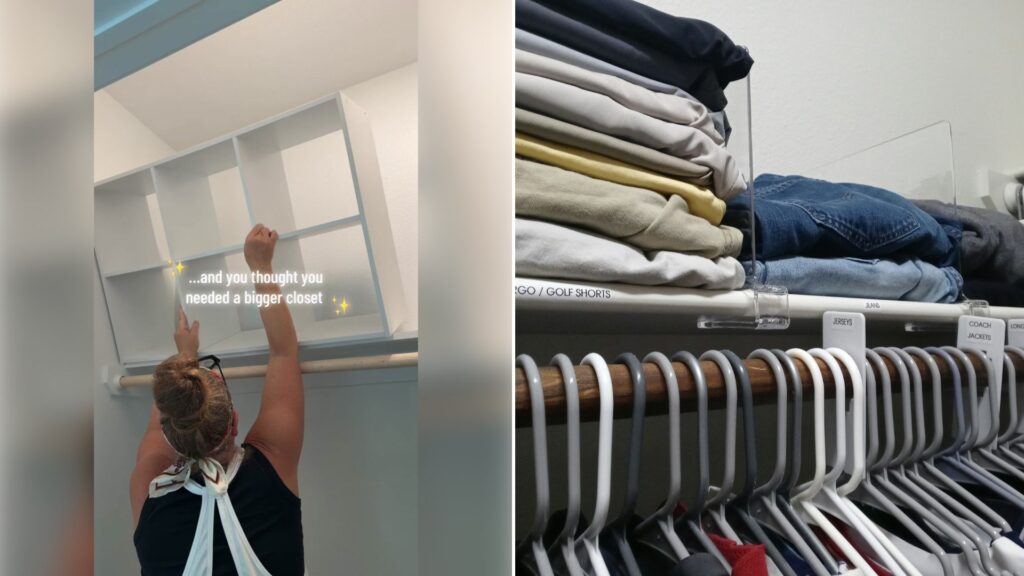
The decision to downsize your home isn’t one to be taken lightly. It usually comes with significant life changes such as retirement, kids moving out, or a desire for a simpler lifestyle. However, what many people don’t realize is that downsizing can be a complex process filled with unexpected challenges and surprising rewards.
I learned many lessons along the way and I’m excited to share them with you, to help make your own downsizing journey smoother and more enjoyable.
1. Start Early

Downsizing is not something you can accomplish overnight. It’s a process that requires planning, time, and effort. Starting early gives you enough time to sort through your belongings, decide what to keep and what to discard, and find a new home that suits your needs.
For instance, you may need to sort through years of accumulated items, some with sentimental value. Giving yourself ample time reduces the stress associated with making rushed decisions. It also gives you the opportunity to sell or donate items, rather than hastily throwing them away.
2. Be Prepared For Emotional Rollercoasters

Downsizing can be an emotional journey. Parting with belongings that hold sentimental value can be difficult. It’s important to acknowledge these feelings and give yourself permission to feel sad or nostalgic.
Remember, it’s okay to keep some sentimental items. The key is to strike a balance between preserving memories and avoiding clutter. Consider creative ways to keep these memories alive, such as digitizing photos or making a quilt from old t-shirts.
3. Declutter Strategically

Decluttering is a key part of downsizing. However, it’s essential to approach it strategically. Instead of trying to declutter your entire home at once, start with one room or category of items at a time.
For example, you can start with your wardrobe, then move on to books, kitchen items, and so on. This method makes the process more manageable and less overwhelming. It also allows you to see your progress, which can be encouraging.
4. Measure Your New Space

Before moving, it’s important to measure your new space. This helps you determine which furniture pieces will fit and how much storage space you’ll have.
For instance, your king-size bed or sectional sofa may not fit in a smaller home. Knowing this in advance can save you the trouble and expense of moving large furniture only to find that it doesn’t fit.
5. Consider Storage Solutions

Downsizing often means less storage space. However, there are many creative storage solutions that can help you maximize your new space.
For instance, you can use furniture that doubles as storage, such as a bed with drawers underneath or a coffee table with storage compartments. Wall shelves and hanging racks can also help you utilize vertical space.
6. Think About Lifestyle Changes

Downsizing often comes with lifestyle changes. For instance, if you’re moving from a house with a yard to an apartment, you might need to give up gardening or outdoor grilling.
Consider how these changes will affect your daily routines and hobbies. You might discover new interests or find ways to adapt your existing hobbies to your new environment.
7. Be Realistic About Your Needs

When downsizing, it’s important to be realistic about your needs. This involves distinguishing between what you want and what you actually need.
For example, you might love the idea of having a guest room, but if you rarely have visitors, it might be more practical to use that space for something else, like a home office or a hobby room.
8. Plan for Future Needs
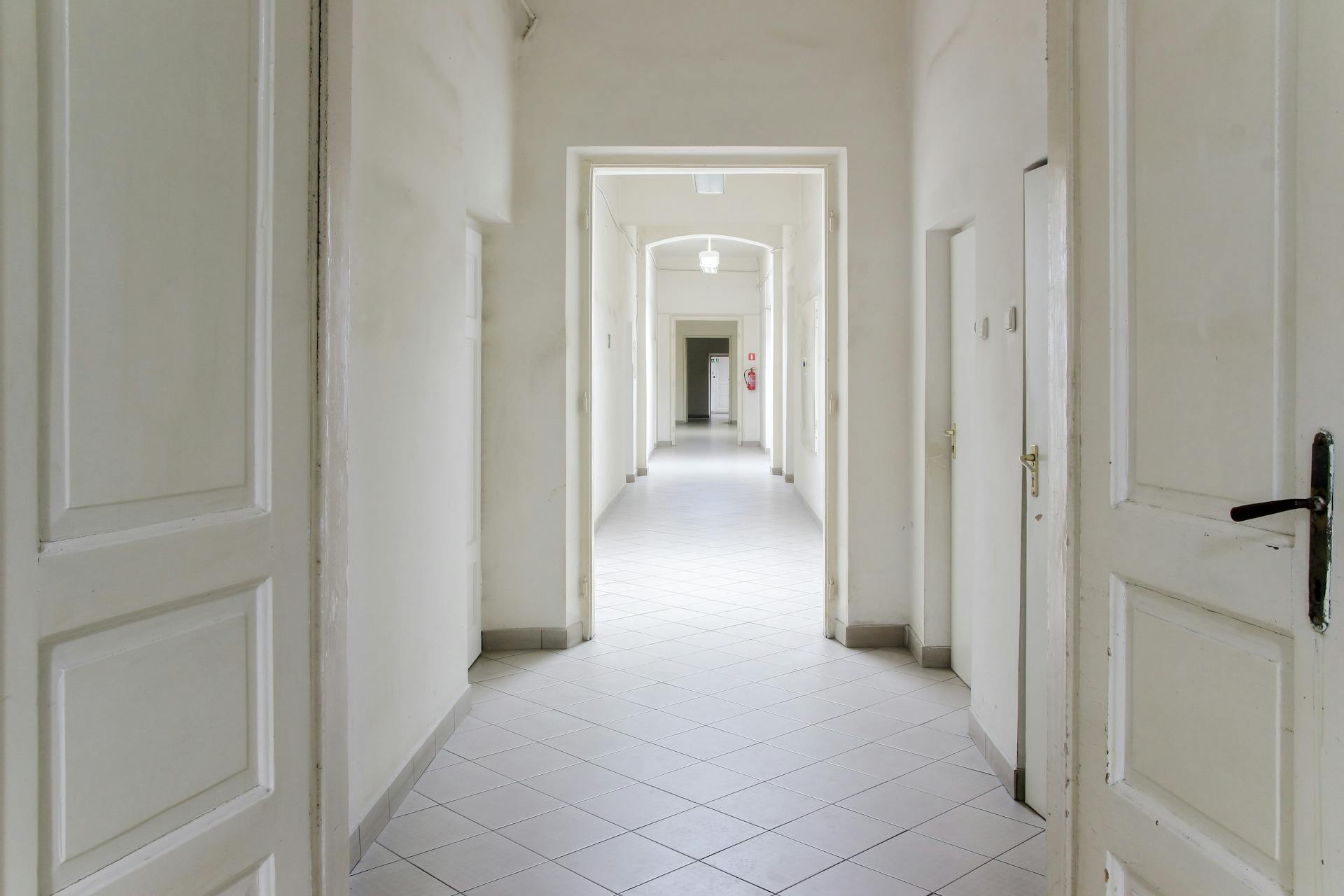
While it’s important to consider your current needs, don’t forget to plan for the future. This is especially important if you’re downsizing for retirement or anticipating changes in your health or mobility.
For instance, you might want to consider a home with features like a single-level floor plan, wider doorways, or a walk-in shower, which can accommodate future needs.
9. Get Professional Help

Downsizing can be overwhelming, and it’s okay to seek professional help. This can include hiring a professional organizer to help you declutter, a real estate agent to help you find a new home, or a moving company to help you move.
While this involves an upfront cost, it can save you time and stress in the long run. Plus, professionals can provide valuable advice and resources that can make the process smoother.
10. Don’t Forget to Budget

Downsizing can come with unexpected costs, such as repairs or updates to your current home, moving expenses, or fees associated with selling your home and buying a new one.
Make sure to budget for these expenses. This can help you avoid financial stress and make informed decisions about what you can afford in your new home.
11. Consider Your Social Life

When choosing a new home, consider its proximity to family, friends, and social activities. If you’re used to having a bustling social life, moving to a remote area might be a big adjustment.
Consider how easy it will be to visit loved ones or participate in your favorite activities. Remember, a happy and fulfilling life isn’t just about the size of your home, but also about the relationships and experiences you cherish.
12. Don’t Downsize Too Much

While downsizing is about living with less, be careful not to downsize too much. Moving into a space that’s too small can lead to clutter, stress, and discomfort.
Consider what you’ll realistically need to live comfortably. For instance, if you enjoy cooking, you’ll need a decent-sized kitchen. If you work from home, you’ll need space for a home office.
13. Plan Your Move Carefully

Moving can be a stressful process, especially if you’re moving to a smaller home. Plan your move carefully to make it as smooth as possible.
This includes packing strategically (like packing a box of essentials that you’ll need right away), labeling boxes clearly, and arranging for utilities to be set up in your new home.
14. Take Advantage of the Benefits

Downsizing can come with many benefits, such as lower living costs, less maintenance, and a simpler lifestyle. Make sure to take advantage of these benefits.
For instance, the money saved on housing costs can be used for travel, hobbies, or other experiences. The time saved on maintenance can be used for relaxation or activities you enjoy.
15. Enjoy the Journey

Finally, remember to enjoy the journey. Yes, downsizing can be challenging, but it’s also an opportunity for a fresh start.
Take the time to reflect on the memories associated with your old home, celebrate the progress you’re making, and look forward to the new experiences your smaller home will bring. After all, home is not just about the physical space, but also about the life you live within it.