Your kitchen can easily become cluttered with items that no longer serve a purpose or could even pose health risks. Over time, things like expired food, worn-out tools, and unnecessary gadgets accumulate, making cooking and cleaning more difficult than it needs to be.
Knowing what to throw out helps you create a safer, more organized, and efficient kitchen space. This simple step can improve how you use your kitchen every day and reduce waste in the long run.
Used-up dish sponges
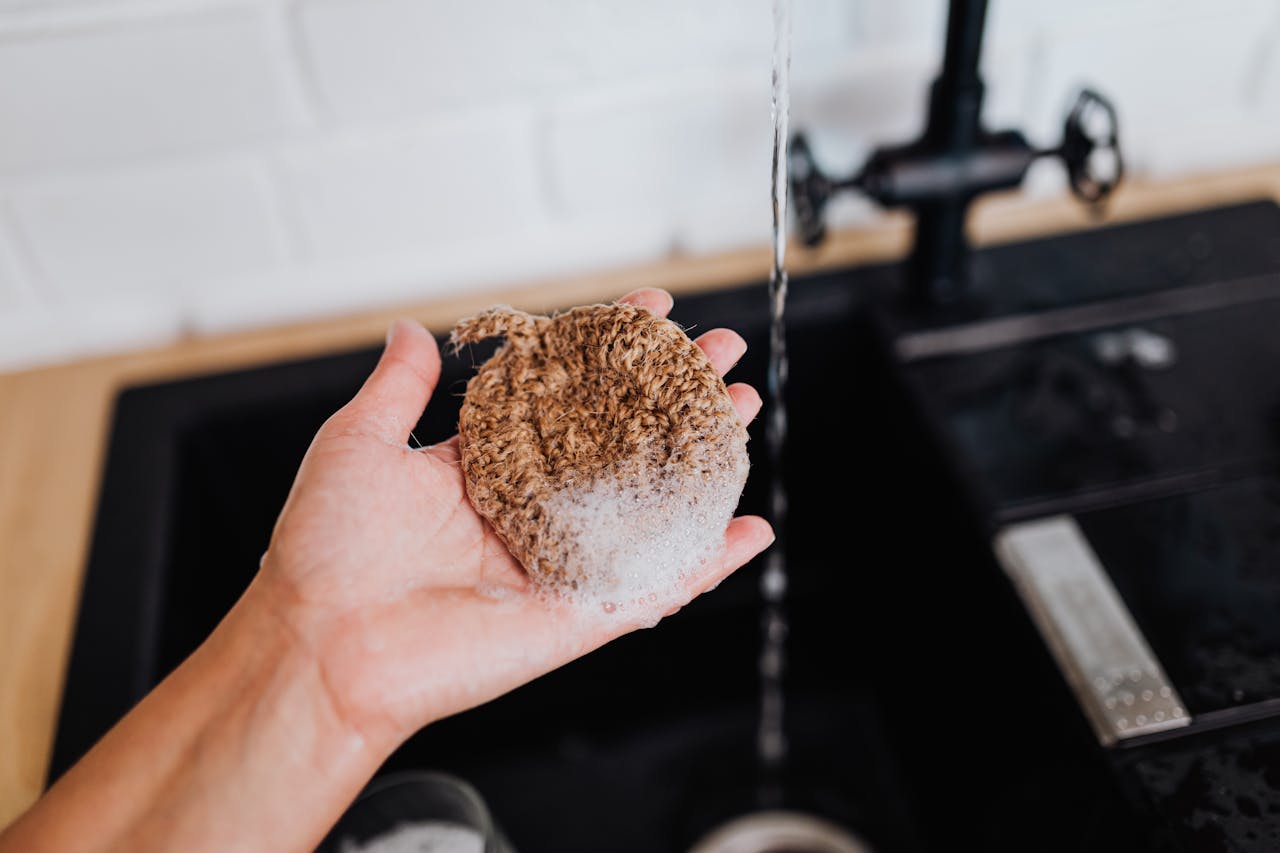
You should replace your dish sponge regularly, ideally every two to three weeks. Sponges trap moisture and food particles, making them a breeding ground for bacteria.
If your sponge starts to smell or looks worn out, it’s time to toss it. Using a fresh sponge helps keep your dishes and kitchen more hygienic.
Expired spices

You might not notice when your spices have lost their flavor, but over time, they do lose their potency. The oils and compounds that give spices their aroma and taste gradually dry out.
If your spices no longer smell strong or taste as expected, it’s a good idea to toss them. Using fresh spices will improve the flavor of your meals and keep your kitchen clutter-free.
Stained plastic containers

If your plastic containers are stained, especially with tomato sauce or other strong colors, it’s a sign to toss them. Stains can mean the plastic is breaking down and may trap odors or bacteria.
You might try scrubbing with baking soda, but if the stains don’t fade or the container smells, it’s time to replace it.
Cracked or warped lids also reduce their effectiveness and can lead to spills or contamination. Keeping clean, intact containers is safer for storing your food.
Old cooking oils
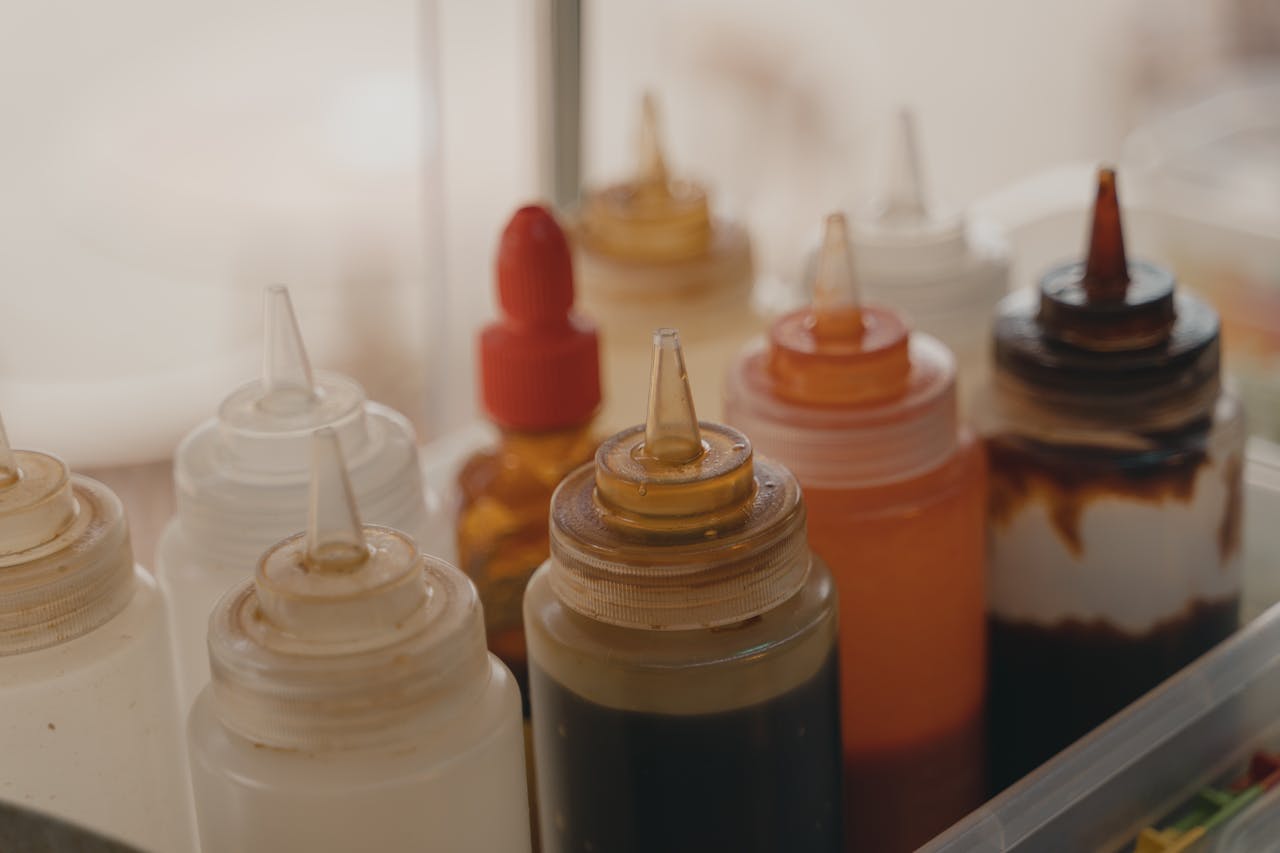
If you have cooking oil that’s past its expiration date or smells rancid, it’s time to toss it. Old oils can affect the taste of your food and may be unhealthy to use.
Avoid pouring used oil down the sink, as it can clog pipes. Instead, pour it into a sealed container and throw it in the trash.
You can also explore creative uses like lubricating squeaky hinges before deciding to discard very old or spoiled oil.
Cracked mugs

If you have mugs with cracks, it’s best to toss them out. Cracks can harbor bacteria and make your drink unsafe.
While some suggest creative uses, using cracked mugs for hot drinks risks leaks or burns.
Replacing cracked mugs keeps your kitchen safer and more pleasant to use every day.
Expired flour

If your flour smells musty, sour, or has changed color, it’s time to toss it. Exposure to air can cause the fats in flour to go rancid, affecting taste and safety.
Using old flour might make your baked goods taste off or, worse, cause stomach discomfort. To keep things fresh, check expiration dates and store flour in airtight containers.
Nuts past their prime

If your nuts smell off or taste bitter, it’s time to toss them. Nuts with higher fat content, like walnuts and pecans, can go rancid faster, especially if stored in warm places.
To keep nuts fresh longer, store them in airtight containers in the fridge or freezer. Avoid plastic containers that hold smells from other foods. This simple step can extend their shelf life significantly.
Old sugar

If your sugar has been sitting for a year or more, it’s time to consider tossing it. Over time, sugar can harden or clump, making it difficult to use.
While old sugar isn’t harmful, it may lose some quality and affect your recipes. Keeping fresh sugar ensures your baked goods turn out just right every time.
Take-out condiments

You probably have a stash of take-out condiments from past orders. These little packets often outlive their usefulness.
Check the expiration dates and toss any that are old or dried out. Keeping them can take up unnecessary space and create clutter.
If you want to have some on hand, buy fresh bottles instead. This way, your kitchen stays tidy, and you won’t risk using expired condiments.
Plastic cutlery from takeout

If you have a collection of plastic forks and knives from takeout, it’s a good idea to toss them. These items are usually designed for single use and can break easily.
Keeping them can clutter your kitchen and create unnecessary waste.
Switching to reusable utensils will help reduce plastic buildup in your kitchen and is better for the environment.
Unused mugs
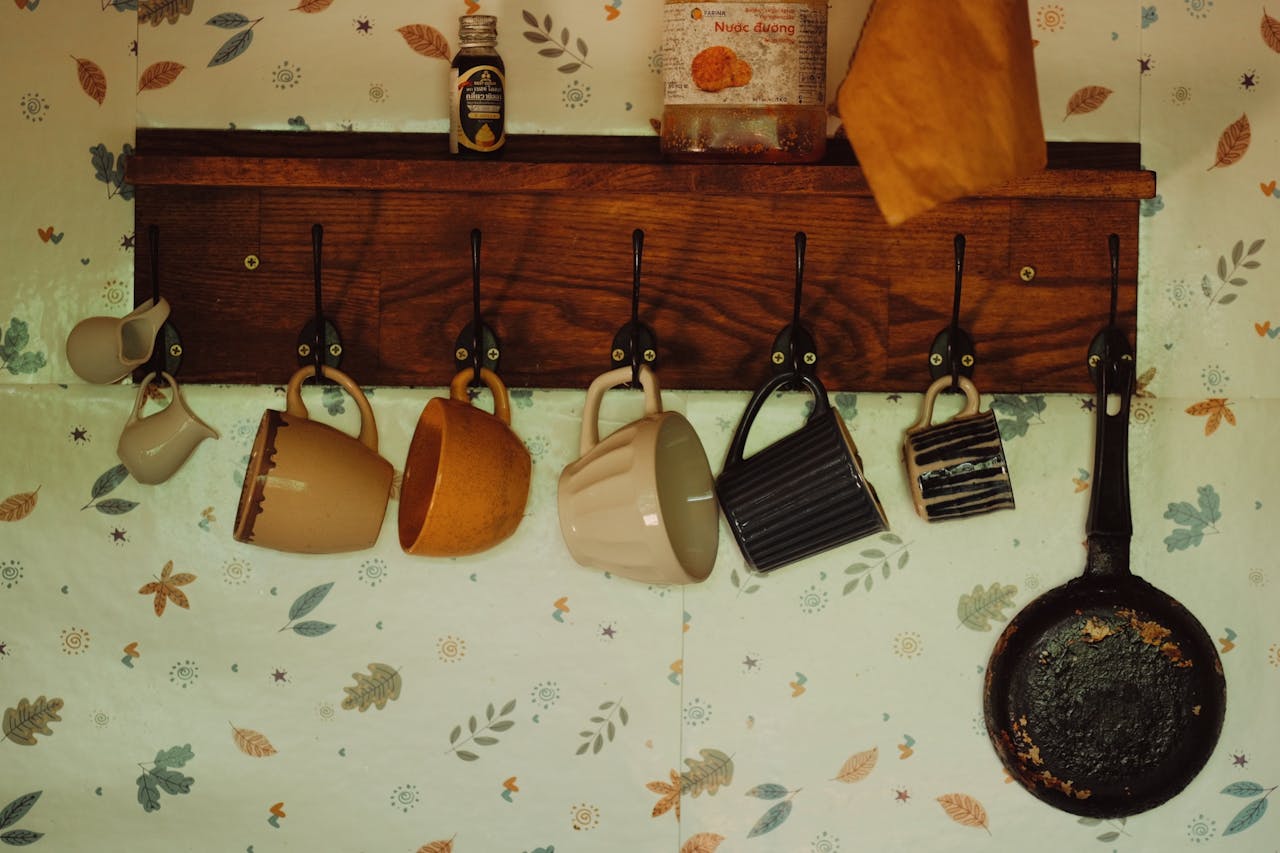
If you have mugs sitting unused in your cabinets, it’s time to let them go. Holding onto extra mugs takes up valuable space you could use more efficiently.
You likely have a few favorites you reach for regularly. The rest just collect dust or get in the way. Consider donating or recycling the ones you never use.
Clearing out unused mugs makes your kitchen feel less cluttered and easier to organize. You’ll be surprised how much space you free up by removing these extras.
Busted drawer organizers

If your drawer organizers are cracked, warped, or broken, it’s time to toss them. They don’t keep your utensils tidy, and a damaged organizer can make clutter worse.
Replacing them with sturdy, functional ones will help you find what you need quickly. Keeping only organizers in good shape makes your kitchen feel neater and more organized.
Cracked glassware

If you spot cracks or chips in your glasses or mugs, it’s time to let them go. These damages can make your glassware unsafe, as sharp edges might cause cuts.
Cracked glass also weakens the structure, increasing the chance it could break while you use it.
Replacing damaged glassware keeps your kitchen safer and more enjoyable to use.
Expired canned goods

You should check your canned goods regularly for dents, bulges, or leaks. These signs mean the contents may not be safe to eat.
If a can smells bad or the food looks off, throw it out. Even if the date has passed, many cans are still safe if they look and smell normal.
Light rust usually isn’t a problem, but avoid eating anything from cans that spray liquid when opened. Safety comes first in your kitchen.
Opened bottles of wine

If you’ve opened a bottle of wine, it won’t stay fresh for long. White wine usually lasts only a few hours once opened.
You can still drink it for a day or two if stored tightly, but it may start to taste sour or vinegary.
For leftover wine, consider freezing it in ice cube trays to use later in cooking. If it smells off, it’s best to throw it away to avoid unpleasant flavors.
Like what you read? Here’s more by us: