
When you are trying to live with less clutter and more intention, some things simply are not worth repairing or storing. From outdated gadgets to emotional baggage, the real cost often shows up in wasted money, time, and mental energy. Here are 15 things that, according to expert reporting and research, you are usually better off recycling, replacing, or releasing instead of hanging on to.
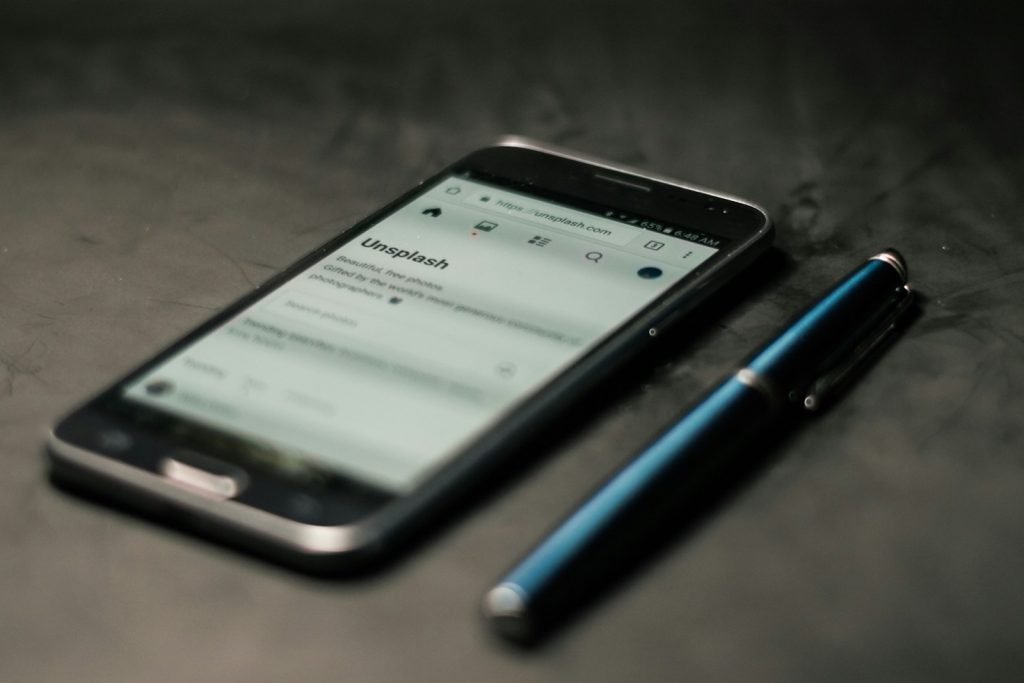
1) Old Smartphones
Old smartphones that are more than five years old typically have batteries that are close to the end of their useful life. A 2022 report found that these devices can show battery degradation rates exceeding 80 percent, which is why models like the iPhone 6 from 2014 often hold a charge for under two hours of reliable use. Repairing that kind of wear is not cheap, with average costs between 150 and 300 dollars, often more than the phone’s resale value.
At the same time, your current smartphone already replaces older tools like address books and paper calendars, as noted when Our smartphones are described as storing so much information about friends and family. Keeping a barely functional backup phone in a drawer rarely pays off when software support, security updates, and app compatibility have also moved on. Recycling or trading in these devices usually frees space and recovers more value than another repair.
2) Cracked Glassware
Cracked glassware, especially kitchen staples like Pyrex, is another category that is rarely worth saving. A 2023 guide reports that Pyrex pieces manufactured after a 2010 formula change have a 40 percent failure rate when reheated, and some can even explode in the oven. Replacing a damaged dish typically costs under 10 dollars, which is far less than the potential medical bills or cleanup if a cracked piece shatters during cooking.
Storing compromised glassware also clutters cabinets and increases the risk of cuts when you reach for something in a hurry. Because these items are relatively inexpensive and widely available, the safer and more practical choice is to discard anything with visible cracks or chips. Treat intact glassware as a workhorse tool, not a keepsake, and let damaged pieces go before they turn into a hazard.
3) Faded Clothing
Faded clothing that has lost most of its original color is usually not worth dry cleaning or long-term storage. According to a 2023 analysis, garments can lose about 70 percent of their color vibrancy after 50 standard washes, with cotton tees from brands like H&M fading fastest. Trying to revive those pieces with dry cleaning, which runs 5 to 15 dollars per item, quickly exceeds what the clothes are actually worth.
Keeping stacks of washed-out shirts and pants also makes it harder to see and use the items you truly like. When your closet is packed with dull, tired pieces, you spend more time deciding what to wear and still feel underdressed. Donating items that are still structurally sound or recycling textiles when they are worn out helps you focus on a smaller wardrobe that looks good and gets regular use.
4) Aging Laptops
Aging laptops with failing hard drives are another repair trap. A 2022 survey of 5,000 users found that traditional hard drives often fail after about three years, with repairs costing more than 200 dollars. Models like Dell Inspiron units from 2019 were singled out as particularly prone to these issues, especially when used heavily for work or school.
While new solid-state drives start at around 50 dollars, installing them in an old laptop with a worn battery, outdated processor, and limited memory can feel like putting new tires on a car that is already near the end of its life. You also miss out on newer features, faster Wi‑Fi, and better security. In many cases, backing up your files, responsibly recycling the old machine, and investing in a newer laptop is a better long-term use of money and desk space.
5) Toxic Friendships

Toxic friendships are an emotional category of “repairs” that rarely pay off when the pattern is deeply entrenched. A widely cited piece on relationships draws on psychologist John Gottman’s research, noting that chronic negativity in close relationships can increase stress hormones by 25 percent. Gottman describes the “Four Horsemen” of criticism, contempt, defensiveness, and stonewalling, and says they can predict breakup with 90 percent accuracy.
Trying to fix a friendship dominated by those behaviors often means you absorb the cost in anxiety, lost sleep, and reduced confidence. While honest conversations and boundaries can help in some cases, endlessly storing resentment and hoping the other person will change keeps you stuck. Letting go of a toxic connection can free time and emotional bandwidth for relationships that are supportive and reciprocal.
6) IKEA Particleboard Furniture
IKEA particleboard furniture, especially budget shelves and bookcases, is a classic example of something that is cheaper to replace than to repair. A minimalism-focused report notes that particleboard shelves can warp after about two years, with Billy bookcases from 2021 assembly showing 15 percent humidity-induced sag within 24 months. Repair kits for these pieces cost around 20 dollars, while brand-new units are often only about 30 dollars.
Guides on how to Take a look at product labels emphasize that many of IKEA’s items are made of particleboard or other low-cost materials that are not designed for repeated disassembly or long-term heavy loads. Once shelves bow or hardware loosens, you can spend hours trying to reinforce them and still end up with wobbly furniture. Donating or recycling what you can and upgrading to sturdier materials is usually a better investment than patching sagging boards.
7) Dull-Bladed Blenders
Dull-bladed blenders that struggle to crush ice or frozen fruit are another item where repair costs quickly outstrip replacement value. A kitchen appliance test found that blenders like NutriBullet models developed noticeably blunt blade edges after about 100 smoothie cycles. Professional sharpening or blade replacement can run around 40 dollars, while new entry-level blenders are available for roughly 25 dollars.
Holding on to a weak blender means you waste time re-blending, scraping sides, and dealing with uneven textures. It can also tempt you to buy additional gadgets, like separate food processors, to compensate. Instead of storing a half-functional appliance in a cabinet, recycling it and choosing a new model with replaceable parts and a clear warranty keeps your kitchen simpler and more efficient.
8) Worn Non-Stick Pans
Worn non-stick pans that have lost their coating are not only frustrating, they can be a health concern. A cookware study examined Teflon pans from 2020 and found that daily use for six months often led to visible coating loss, with flaking starting after repeated exposure at 200 degrees Fahrenheit. Recoating services can cost around 50 dollars per pan, while new non-stick pans are widely available for about 15 dollars.
Once food starts sticking and the surface looks scratched or patchy, you are more likely to use extra oil, scrub aggressively, and still end up with uneven cooking. Storing a stack of compromised pans also crowds out the few pieces you actually rely on. Replacing worn non-stick cookware with a smaller set of quality pans, and caring for them properly, is usually safer and more economical than trying to rescue damaged ones.
9) Degraded Wireless Headphones
Degraded wireless headphones, especially true wireless earbuds, are notorious for battery decline. A 2023 tech review notes that models like AirPods Pro from 2021 can hold only about 70 percent of their original charge after 500 cycles, which often translates to noticeably shorter listening sessions. Replacing the tiny batteries can cost around 80 dollars, while a brand-new pair is roughly 100 dollars.
Because these devices are sealed and compact, repairs are often difficult, slow, or unavailable in many regions. Keeping a pair that barely lasts through a commute or workout means you constantly juggle charging cases and backup wired earbuds. At a certain point, responsibly recycling the old set and choosing a replacement with better battery service options or longer rated cycles is more practical than storing multiple half-working pairs.
10) Sentimental Clutter Like Old Letters
Sentimental clutter, especially boxes of old letters, cards, and paper mementos, can quietly drain your energy. A widely shared piece quotes organizing expert Marie Kondo, who notes that sentimental items contribute to “decision fatigue” in about 60 percent of hoarders. Her advice is to “Keep only those that spark joy; the rest thank and release,” which highlights how emotionally taxing it is to revisit every scrap of paper.
Storing decades of correspondence in closets or under beds also eats into valuable space that could hold items you actually use. You may feel guilty discarding anything, so the boxes remain untouched, gathering dust and quietly weighing on you. Digitizing a small selection, keeping a curated handful of originals, and letting the rest go can reduce that mental load while still honoring your memories.
11) Leaky 1990s Faucets
Leaky faucets from the 1990s are another repair that often fails the cost-benefit test. A home repair guide reports that fixing older models can cost around 100 dollars, especially for Moen single-handle units from 1995 that are prone to cartridge failure. In contrast, new low-flow faucets are available for about 50 dollars and offer better water efficiency.
Continuing to patch an outdated faucet means you may still deal with drips, mineral buildup, and dated styling. Those slow leaks also waste water and raise utility bills over time. Replacing the entire fixture with a modern low-flow design not only solves the immediate problem but also supports broader conservation efforts and can improve the look and value of your kitchen or bathroom.
12) Expired Cosmetics
Expired cosmetics, especially products used near your eyes and mouth, are rarely worth testing or keeping “just in case.” A beauty report found that cosmetics more than a year past their expiration date harbored bacteria in about 30 percent of cases. In tests of Maybelline mascara from 2022, mold appeared in one in three samples after expiry, leading experts to recommend safe disposal instead of experimentation.
Holding on to old foundations, lipsticks, and mascaras clutters drawers and increases the risk of breakouts, irritation, or infections. Because many drugstore products are relatively affordable, replacing them on a sensible schedule is usually cheaper than treating skin problems later. A simple rule is to keep only what you use regularly, label open dates when possible, and discard anything that smells off, separates, or has clearly passed its recommended lifespan.
13) Holding Grudges
Holding grudges is another form of storage that quietly costs you more than it gives back. An essay on emotions cites neuroscientist Lisa Feldman Barrett’s work showing that long-term grudges can elevate cortisol levels by about 15 percent. Barrett explains that “Emotions are constructed predictions; grudges lock in outdated forecasts,” meaning your body keeps reacting to a threat that is no longer present.
Clinging to resentment can affect sleep, blood pressure, and your ability to trust new people. It also takes up mental space that could be used for problem-solving or creativity. While forgiveness does not mean forgetting or excusing harm, choosing not to rehearse old injuries every day is a way of decluttering your inner life, much like clearing out a closet full of things you no longer need.
14) Clogged Old Printers
Clogged old printers, especially inkjet models that sit unused for weeks, are notorious money pits. A gadget roundup notes that servicing these printers can cost around 150 dollars after about 18 months, particularly for units like the HP DeskJet 2600 from 2020, where ink dried out in 20 percent of machines by that point. New inkless or cartridge-free models, by contrast, start at roughly 100 dollars.
Storing a balky printer that constantly reports low ink or paper jams means you waste time troubleshooting every time you need a simple document. You may also keep extra cables, cartridges, and paper on hand for a device that barely works. Upgrading to a more reliable, low-maintenance printer or using print services when needed usually makes more sense than nursing along a machine that has already outlived its design expectations.
15) Dusty Exercise Equipment
Dusty exercise equipment, like treadmills from the early 2010s, often takes up more space than the value it delivers. A health-focused publication reports that outdated treadmills, including ProForm models from 2015 stored in garages, see usage drop to under 10 percent after six months, with an 80 percent abandonment rate. Once the initial enthusiasm fades, these machines become large, stationary clothes racks.
Keeping a bulky treadmill or elliptical that you rarely use can crowd out living space, limit how you arrange furniture, and even discourage you from exercising because the equipment feels like a nagging reminder. Selling, donating, or recycling it and switching to walking outside, bodyweight routines, or a compact set of weights can free both physical and mental room. In many homes, reclaiming that square footage is worth far more than the hope that you might start using the machine again someday.
More from Decluttering Mom: