Your pantry should make cooking easier, not feel like a chaos zone every time you open the door. The same habits that clutter up bathrooms and laundry rooms can quietly take over your shelves, turning a practical space into a daily frustration. By spotting the patterns that experts flag in other small, hardworking rooms, you can pinpoint the specific things that are quietly wrecking your pantry’s order.
1) Overflowing, Mismatched Containers
Overflowing, mismatched containers instantly turn your pantry into visual noise. Organizing experts warn that in tight spaces, a jumble of different shapes and sizes makes it harder to see what you own, just as a mix of random bins and baskets makes a bathroom cabinet feel cluttered in small storage areas. When every container has a different lid and footprint, you waste time hunting, stacking, and restacking instead of grabbing what you need.
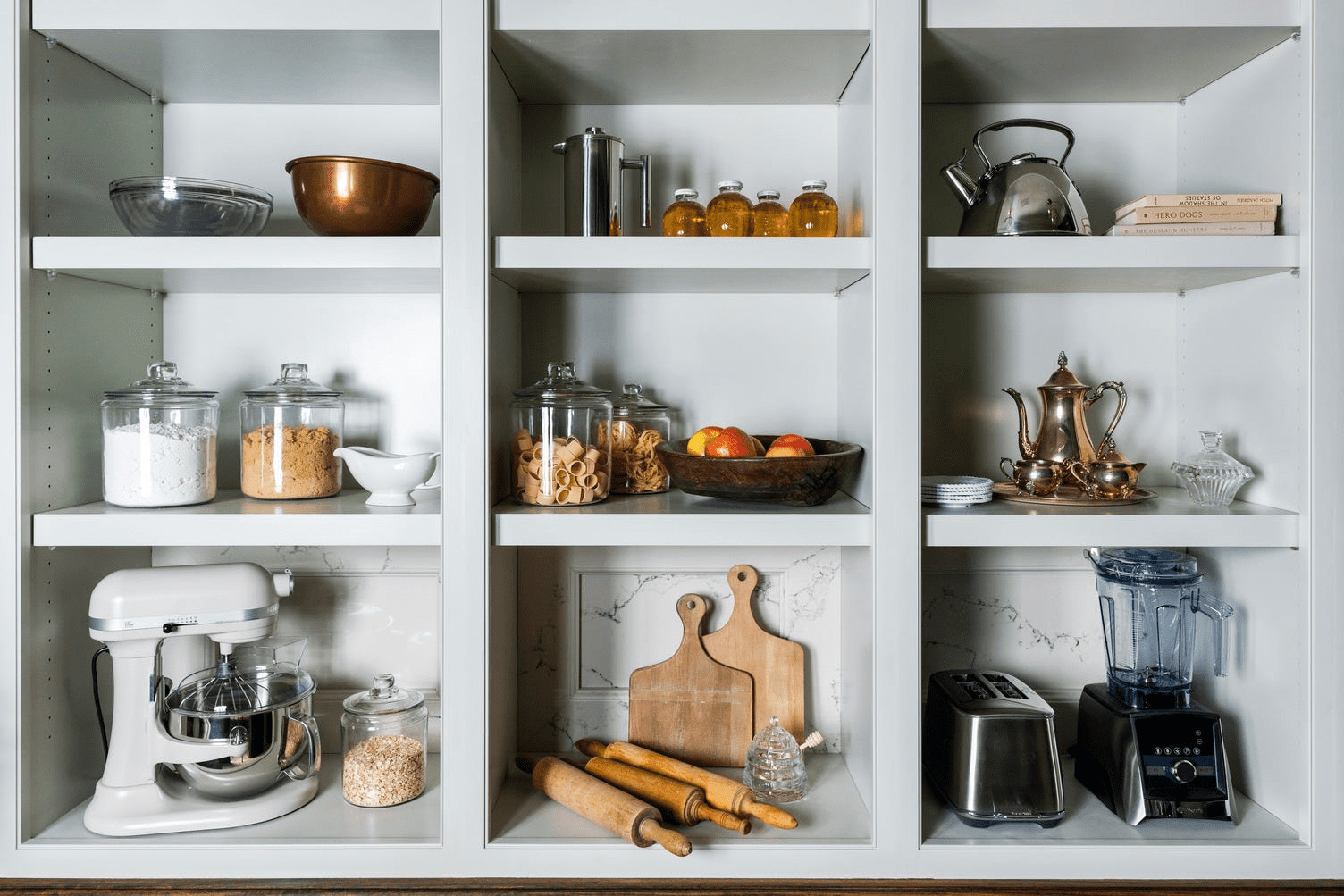
Standardizing containers by category, even if you only choose two or three sizes, cuts down on that chaos. You can line up cereal, pasta, or snacks in straight rows, which makes inventory checks faster and reduces duplicate purchases. The stakes are practical and financial: when you cannot see that you already have rice or flour, you buy more, crowding shelves and increasing food waste. Matching containers also make it easier for everyone in your household to put groceries away in the right spot.
2) Keeping Expired and Mystery Items
Keeping expired and mystery items is one of the fastest ways to turn your pantry into a chaos zone. Just as half-used toiletries and outdated products visually overwhelm a bathroom, old cans, stale crackers, and unlabelled leftovers crowd your shelves and hide what is still safe to eat. When you have to dig past dusty jars or bags with faded labels, you are more likely to give up and order takeout instead of cooking what you already own.
Regularly checking dates and labeling anything you decant into jars or containers keeps that clutter in check. A simple rule, such as writing the purchase month on the front of each item, helps you rotate food before it goes bad. The broader impact is budget and safety: expired goods can compromise food quality, and forgotten items represent money you already spent but never used. Clearing them out not only frees space but also gives you a realistic picture of what your household actually eats.
3) Treating Every Shelf as a Catchall
Treating every shelf as a catchall quickly erases any sense of order in your pantry. In small rooms, experts note that when surfaces become landing zones for unrelated items, clutter multiplies and you lose track of what belongs where, the same way random products piled on a bathroom counter make it feel perpetually messy. When cereal, canned beans, baking supplies, and snacks all share the same shelf, you end up double-stacking and shoving things to the back.
Assigning each shelf a clear purpose, such as breakfast foods, dinner staples, or baking ingredients, keeps categories contained. This structure also makes it easier for kids or guests to put things away correctly, which prevents slow creep back into chaos. The stakes are daily efficiency and stress: when you can walk in and immediately spot the right shelf, meal prep speeds up and you are less likely to abandon home cooking because finding ingredients feels like a chore.
4) Storing Non-Food Items with Groceries
Storing non-food items with groceries blurs boundaries and clutters your pantry. Organizing specialists caution that certain products, like cleaning chemicals and bulky tools, are poor fits for tight utility spaces, noting that some items should never be kept in a laundry room because they crowd shelves and create safety concerns in small work areas. When you tuck lightbulbs, batteries, pet supplies, or paper goods in between food, you lose valuable space and risk spills or contamination.
Creating a separate zone, even a single bin or high shelf, for non-food items keeps your main shelves focused on ingredients. If you must store household goods in the pantry, group them together and away from anything edible. The broader implication is health and usability: mixing categories makes it easier to misplace essentials, and it can also lead to accidental exposure if cleaning products leak near open packages. Clear separation protects both your storage capacity and your peace of mind.
5) Ignoring Vertical Space and Door Storage
Ignoring vertical space and door storage leaves your pantry crowded at eye level while valuable real estate goes unused. In other compact rooms, experts point out that clutter often builds up on flat surfaces when walls and doors are not working hard enough, which is why hooks, shelves, and over-the-door racks are recommended to tame bathroom and laundry mess. The same principle applies in a pantry, where tall ceilings and blank doors can absorb overflow if you use them strategically.
Adding narrow shelves, risers, or door-mounted racks for spices, foil, or snacks pulls smaller items off your main shelves. This not only frees room for larger staples but also keeps frequently used products within easy reach. The stakes are long-term: when you rely only on deep shelves, you end up stacking items in unstable towers that topple and hide what is behind them. Vertical solutions flatten those piles and make every inch of your pantry work harder.
6) Overloading the Floor with Bulk Purchases
Overloading the floor with bulk purchases turns your pantry into an obstacle course. Just as oversized hampers or storage bins on a bathroom or laundry floor make it hard to move around, giant packs of paper towels, cases of sparkling water, or 20-pound bags of rice can block access to lower shelves. When you have to step over or around piles on the floor, you are less likely to put things away properly, which accelerates the mess.
Designating a specific floor zone or low shelf for bulk items keeps them contained and prevents them from creeping into walkways. You might decant part of a large bag into a smaller container and store the rest elsewhere, such as a garage or closet, to reduce congestion. The broader impact is safety and accessibility: tripping hazards in a tight pantry can cause falls, and blocked shelves encourage you to buy duplicates because you cannot reach or see what you already own.
7) Letting Countertops and Adjacent Surfaces Pile Up
Letting countertops and adjacent surfaces pile up around your pantry door spreads chaos beyond the shelves. Organizing advice for bathrooms often highlights how cluttered counters signal deeper storage problems, since products that do not fit inside cabinets end up scattered in plain sight. The same pattern shows up in kitchens: when your counter near the pantry is covered with snack boxes, spice jars, and grocery bags, it usually means your pantry layout is not absorbing what it should.
Clearing that “landing zone” and assigning every item a home inside the pantry forces you to confront overcrowded categories. You might need to edit duplicates, adjust shelf heights, or add bins to corral loose packets. The stakes extend to your whole kitchen workflow: cluttered counters make cooking slower and more stressful, and they also make cleaning harder. A tidy perimeter around the pantry signals that the space inside is working efficiently instead of spilling chaos into the rest of the room.
8) Skipping Clear Labels on Bins and Jars
Skipping clear labels on bins and jars invites confusion and clutter. In other small spaces, experts note that unlabeled baskets and containers quickly become black holes where random items get tossed, which is why labeled organizers are recommended to keep bathroom products in check. In a pantry, clear labels are even more critical because so many foods look similar once they are decanted, from different types of flour to nearly identical grains and pastas.
Simple printed or handwritten labels that name both the item and, if possible, the purchase date help everyone in your household follow the same system. When a bin clearly says “snack bars” or “baking mixes,” you are less likely to shove unrelated items there in a rush. The broader implication is sustainability and cost: accurate labels reduce the risk of using the wrong ingredient in a recipe, and they also help you track what you actually consume, so you can shop more intentionally and avoid waste.
9) Mixing Open Packages with Unopened Stock
Mixing open packages with unopened stock makes it hard to know what needs to be used first. In bathroom storage, half-used products often get pushed behind new purchases, leading to duplicates and wasted money. The same thing happens in a pantry when open bags of chips, rice, or nuts sit right next to sealed backups, with no clear system to separate them. You end up grabbing whatever is in front, while older food quietly goes stale.
Creating a “use first” zone for open items, either on a dedicated shelf or in a front-facing bin, keeps priorities visible. You can place unopened stock behind or above that area so you naturally reach for older items first. The stakes are both financial and environmental: every bag that goes stale represents money spent and food thrown away. A simple separation between open and unopened packages keeps your pantry from becoming a graveyard of forgotten snacks.
10) Overstuffed Drawers and Deep Bins
Overstuffed drawers and deep bins hide what you own and invite chaos. Organizing professionals often warn that when drawers in bathrooms or laundry rooms are jammed full, people start piling items on top instead, compounding the clutter. In a pantry, deep bins packed with random snacks, packets, and small bottles create the same problem. You have to dig to the bottom to find anything, which usually means you stop trying and just buy more.
Limiting each drawer or bin to a single category, such as “sauces” or “kids’ snacks,” and filling it only to about three-quarters capacity keeps contents visible and accessible. You might use smaller dividers inside deep bins to prevent items from sinking out of sight. The broader impact is behavioral: when it is easy to see and grab what you need, you are more likely to maintain the system, and less likely to let clutter creep back in after a big clean-out.
11) Keeping Rarely Used Gadgets on Prime Shelves
Keeping rarely used gadgets on prime shelves crowds out everyday essentials. In other rooms, experts point out that seldom-used beauty tools or specialty cleaners should not live in the most accessible spots, because they block access to what you reach for daily. The same logic applies in a pantry when ice cream makers, oversized serving platters, or holiday-only baking pans occupy eye-level shelves that could hold weeknight staples.
Relocating those occasional-use items to higher shelves, a separate cabinet, or even a storage closet frees your best real estate for ingredients you grab constantly. You can still keep them in labeled bins so they are easy to find when needed, without letting them dominate the space. The stakes are everyday convenience: when your go-to oils, grains, and snacks are front and center, cooking feels smoother and you are more likely to use what you have instead of defaulting to takeout.
12) Letting Packaging Dictate Your Layout
Letting packaging dictate your layout leads to a disjointed, chaotic pantry. In bathroom and laundry spaces, bulky or awkwardly shaped bottles often sprawl across shelves when storage is not planned around how you actually use products. In a pantry, tall cereal boxes, oddly shaped chip bags, and oversized condiment bottles can take over if you simply line them up as they come, instead of decanting or grouping them thoughtfully.
Planning shelves around categories and container sizes, not original packaging, gives you more control. You might pour cereal into uniform canisters, stand pouches upright in bins, or transfer bulk items into stackable containers. The broader implication is long-term flexibility: when your system is built around consistent shapes and clear zones, it can adapt as brands change packaging or your family’s eating habits shift, without plunging the pantry back into disorder.
13) Neglecting Daily and Weekly Resets
Neglecting daily and weekly resets allows small messes to snowball into full-blown chaos. Organizing advice for bathrooms and laundry rooms often emphasizes quick maintenance, such as putting products back after use and doing a short tidy each week, to prevent clutter from taking over. Your pantry benefits from the same rhythm: without regular check-ins, items drift out of their zones, open packages multiply, and expired goods accumulate unnoticed.
Building a five-minute nightly habit, like returning snacks to their bins and straightening one shelf, keeps disorder from gaining momentum. A slightly longer weekly reset, where you scan for duplicates and move older items forward, maintains visibility. The stakes are time and stress: infrequent, marathon clean-outs are exhausting and easy to postpone, while small, consistent resets keep your pantry functional so you can cook quickly and confidently on busy days.
14) Ignoring Lighting and Visibility
Ignoring lighting and visibility turns your pantry into a dark, confusing space where clutter thrives. In other compact rooms, poor lighting makes it harder to see what is stored in cabinets and corners, which encourages overbuying and forgotten products. A dim pantry has the same effect: items disappear into shadows, and you end up shoving new groceries in front of whatever you cannot see, building layers of disorganization.
Improving visibility with brighter bulbs, motion-sensor lights, or battery-powered LED strips helps you spot what you already own and where it belongs. Clear containers and open-front bins further reduce visual barriers, so nothing hides behind opaque packaging. The broader impact is accuracy and safety: good lighting makes it easier to read labels and expiration dates, and it also reduces the risk of knocking items off shelves or tripping as you navigate a tight space.
15) Forgetting to Align the Pantry with How You Cook
Forgetting to align the pantry with how you cook guarantees ongoing chaos. In other rooms, experts stress that storage should reflect real routines, not an idealized version of how you wish you lived, because systems that ignore daily habits quickly fall apart. If your pantry is organized by food type but you cook by meal, or if kids’ snacks are stored too high for them to reach, everyone will work around the system instead of with it.
Rebuilding your layout around actual behavior, such as grouping ingredients by meal type or placing lunchbox items at child height, makes the space intuitive. You might create a “weeknight dinner” shelf or a grab-and-go breakfast bin near the front. The stakes are long-term sustainability: when your pantry supports the way your household really eats, it stays orderly with far less effort, turning a former chaos zone into a reliable, everyday tool.
More from Decluttering Mom: