
Having kids changes a lot about your life, and some things really need to be put aside before your children face the same challenges. Letting go of certain habits, expectations, or mindsets can make your parenting journey smoother and healthier for both you and your kids.
This article helps you identify 15 things you should let go of now, so your kids don’t have to struggle with them later. Making these shifts early can set a positive example and create a better environment for your family to grow.
Holding on to unrealistic expectations about your child’s career

You might have a clear idea of where you want your child to end up career-wise. But the truth is, your path isn’t their path. Holding on to a rigid plan can put unnecessary pressure on them.
Kids need space to explore what truly interests them. When you let go of strict expectations, you support their growth instead of just chasing your own hopes.
Remember, success looks different for everyone. Your child’s happiness and wellbeing matter more than fitting into a specific job or title.
Micromanaging every little decision they make

You don’t need to control every choice your kids make. Constantly stepping in can stop them from learning how to trust their own judgment.
When you micromanage, it can make your kids feel like they’re not capable on their own. Instead, give them space to explore and make mistakes.
Letting go doesn’t mean giving up. It means encouraging independence and helping your kids build confidence in their decisions.
Worrying excessively about their every move

You might feel the urge to watch over your kids every second. But worrying too much can make them feel like you don’t trust their ability to handle things.
Letting go of this need gives them space to learn from mistakes. It also helps you avoid unnecessary stress and builds their confidence.
Try stepping back and letting them face small challenges on their own. You’ll see they’re more capable than you might think.
Trying to protect them from every failure

You might want to shield your kids from mistakes, but that only slows their growth. Failure teaches important lessons you can’t give them yourself.
When you step in to fix everything, they miss the chance to figure things out on their own. Let them stumble a bit—it builds resilience.
It’s tough to watch them struggle, but those moments help them become more independent and confident in handling life’s challenges.
Needing constant validation from your kid

You don’t have to seek approval from your child all the time. It’s okay to feel confident in your choices without needing them to agree or praise you.
When you rely on their validation, it can put pressure on them and affect their own sense of self.
Letting go of this need helps both of you grow healthier boundaries and stronger self-esteem. Your child benefits when you show that you don’t depend on their approval to feel valued.
Comparing your child to others

You might find yourself comparing your child’s progress or skills to other kids. It’s natural but can be harmful. When you compare, your child may feel like they’re never enough.
Focusing on your child’s own growth helps build their confidence. Celebrate small wins rather than measuring against others. Let your child develop at their own pace without pressure from outside standards.
Clinging to your idea of their perfect childhood

You might have a picture of the perfect childhood in your mind. Maybe it’s full of planned moments, achievements, or milestones.
Holding on too tightly to that idea can create pressure for both you and your child. It’s okay if things don’t go exactly as you imagined.
Let your child’s unique experiences shape their story instead. Focus on creating many good moments, not perfect ones.
Trying to fix all their problems immediately

You don’t need to jump in and fix everything your kid struggles with. Kids learn by solving problems themselves, even if it takes a bit longer.
Instead of rushing to fix things, try listening and offering support. It shows you trust their judgment and helps them build confidence.
Stepping back can be hard, but it teaches your child how to handle challenges on their own. Let them try first—you can always guide quietly from the sidelines.
Doing everything for them instead of letting them try
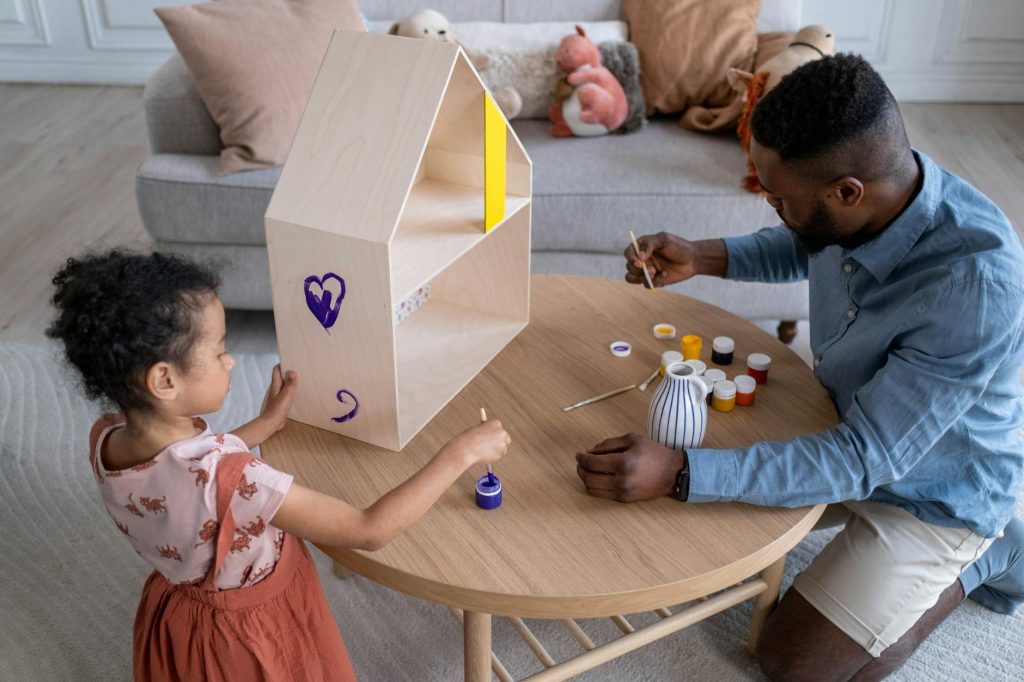
You might feel like doing everything for your kids is helping them. But when you step in too much, they miss out on learning important skills.
Letting them try — even if it means making mistakes — helps build confidence and independence.
If you constantly fix their problems, they won’t develop the ability to solve things on their own.
Stop yourself from taking over and watch them grow by doing things that are right for their age.
Holding back on letting them experience independence

You might feel tempted to control everything for your kids, but holding back their independence can slow their growth. They need chances to make choices and learn from mistakes.
Giving them space to explore helps build confidence and decision-making skills. It’s about trusting them enough to let go bit by bit.
Remember, your relationship matters more than micromanaging every move. Letting go can be uncomfortable but necessary for their development.
Expecting them to always agree with your views

You won’t always see eye to eye with your kids, and that’s okay. Expecting them to agree with everything you say can create tension and shut down real conversations.
Letting go of this need gives them space to develop their own opinions. It shows you respect their growing independence and helps build trust.
Disagreements can actually lead to better understanding if you stay open and listen.
Not letting them develop their own interests

You might feel tempted to guide your kids into activities you like or think are best. But if you control their choices too much, they miss out on discovering what truly excites them.
Let them try different things, even if it’s not what you expect. This helps them build confidence and learn about themselves. Trusting their interests encourages independence and critical thinking.
Trying to shield them from discomfort or disappointment

You might want to protect your kids from every letdown. But keeping them away from disappointment doesn’t help them learn how to cope.
It’s okay for them to feel upset sometimes—it builds resilience. Let them experience small setbacks in safe ways so they gain confidence in handling tougher situations later.
Trying to fix everything for them can make it harder when real life hits. Instead, guide them to face challenges without always stepping in to save the day.
Hoping they never outgrow your rules

You might want your kids to always follow the rules you set. It feels safer and more predictable that way. But holding on too tight can make them resist or hide things from you.
Kids need to test boundaries to learn who they are. Letting go of some control means trusting them to make mistakes and grow. You’ll still guide them, just with more room to breathe.
Letting guilt dictate your parenting choices

You might feel guilty when your kid struggles or pushes back. It’s natural, but letting that guilt control your decisions can lead to unclear boundaries.
Guilt can also stop you from teaching responsibility. When you give in too much, your child misses out on learning important life skills.
Instead, recognize your feelings and use them to guide thoughtful choices. Letting go of guilt means trusting your role as a parent without overcompensating.