Summer is the perfect reset point, and what you clear out now will shape how relaxed and functional the season feels. By targeting a few high-impact categories, you can free up space, cut visual noise, and make room for the clothes, gear, and routines you actually use in warm weather. Use this list as a focused purge plan so every item you let go directly supports an easier, lighter summer.
1) Heavy winter coats you never reach for
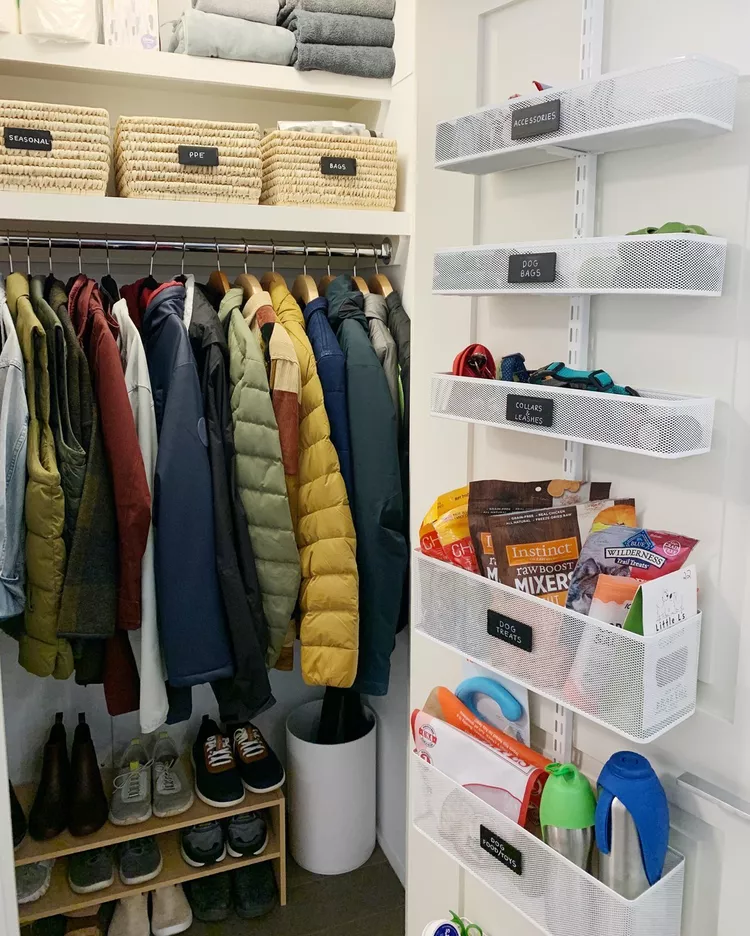
Heavy winter coats you never reach for are prime candidates to purge before summer. Bulky parkas, wool overcoats, and insulated puffers dominate closet space, yet many people rotate the same one or two favorites all cold season. If a coat stayed on the hanger all winter, it is unlikely to earn a spot next year. Clearing these pieces now opens room for breathable fabrics, linen layers, and the lighter jackets you actually grab on cool summer nights.
Letting go of unused outerwear also has practical benefits for others. Donating clean, gently worn coats to local shelters or community drives gives those items a second life where they are genuinely needed. As you sort, check pockets, repair loose buttons only on pieces you truly love, and release the rest. The result is a closet that reflects your real habits instead of your “just in case” fantasies.
2) Worn-out sweaters and pilled knits
Worn-out sweaters and pilled knits quietly clog drawers long after their prime. Thick turtlenecks, fuzzy cardigans, and novelty holiday pullovers can feel sentimental, but if the elbows are thinning or the neckline is stretched, they are not serving you. Before summer, pull every sweater into one pile and inspect them in bright light. Anything with stubborn pilling, misshapen cuffs, or lingering deodorant stains should be recycled or repurposed as cleaning cloths.
Editing this category now prevents you from packing damaged pieces into storage bins and rediscovering the same frustration next fall. It also helps you see what you actually wear, so when cooler weather returns you can invest in one or two high-quality replacements instead of impulse buying. A leaner knitwear stack makes it easier to store off-season clothes neatly, which keeps your summer wardrobe more accessible and your closet less chaotic.
3) Fall and winter shoes past their prime
Fall and winter shoes past their prime, like salt-stained boots and scuffed loafers, often linger on shelves because they feel expensive to replace. Before summer, line up every cold-weather pair and check soles, heels, and interiors. If the tread is worn flat, the lining is peeling, or water damage has stiffened the leather, those shoes are not supporting your feet or your outfits. Keeping them only crowds out sandals, sneakers, and espadrilles you will actually wear in the heat.
Deciding now whether to repair or release each pair saves you from last-minute panic when temperatures drop again. If a cobbler can reasonably fix a favorite style, label a small box “repair” and set a deadline to take them in. Everything else can be donated if still wearable or recycled through shoe-specific programs. A curated shoe lineup means faster mornings and less visual clutter by the door all summer long.
4) Outdated or ill-fitting jeans
Outdated or ill-fitting jeans are another category that quietly bloats your closet. Styles that no longer match your taste, like ultra-low-rise cuts or overly distressed washes, tend to sit untouched while you reach for the same two or three flattering pairs. Before summer, try on every pair of jeans and be honest about comfort. If you cannot sit easily, if the waistband digs in, or if the silhouette makes you tug at your shirt, it is time to let them go.
Clearing these pieces creates space for lighter denim, white jeans, and relaxed fits that suit warm-weather dressing. It also reduces decision fatigue, because you are no longer sifting through stacks of “almost right” options. Consider donating wearable pairs so someone else can enjoy them, and recycle anything with blown-out knees or broken zippers. A streamlined denim section makes it easier to pack for weekend trips and simplifies everyday outfit planning.
5) Heavy scarves, hats, and gloves
Heavy scarves, hats, and gloves often end up in a tangled basket near the door, long forgotten once temperatures rise. Thick wool scarves, fleece-lined beanies, and bulky mittens take up surprising space in entryway drawers and closet shelves. Before summer, gather every cold-weather accessory into one spot and sort by condition and frequency of use. If you did not reach for a piece during the last chilly season, it is unlikely to earn a place next time.
Keeping only a small, well-loved set makes it easier to store these items neatly in a single bin, freeing up prime real estate for sun hats, lightweight scarves, and beach bags. You also reduce the chance of discovering mismatched gloves or moth-damaged knits when the first cold snap hits. Donating extra sets can help families who need warm gear, while you enjoy a cleaner, more seasonal entryway all summer.
6) Stale pantry items and cold-weather staples
Stale pantry items and cold-weather staples, like forgotten cans of pumpkin puree or half-used bags of baking spices, can quietly expire at the back of your shelves. Before summer grilling and fresh produce take over your meal plans, pull everything out and check dates. Group items by category so you can see duplicates, then discard anything that is expired or clearly past its best quality. This quick audit prevents you from wasting space on food you will never realistically use.
Once you have cleared the clutter, you can reorganize the pantry around warm-weather cooking. Move grilling rubs, marinades, pasta, rice, and salad toppings to eye level so they are easy to grab. Use clear bins or labeled jars to corral snacks and baking ingredients, and keep a small section for shelf-stable summer treats like popsicle molds or s’mores fixings. A refreshed pantry makes weeknight dinners faster and reduces food waste throughout the season.
7) Expired sunscreen and neglected skincare
Expired sunscreen and neglected skincare are especially important to purge before summer, when sun exposure increases. Most sunscreens carry a printed expiration date, and formulas that are cloudy, separated, or have an off smell should be discarded. Using expired SPF can leave your skin underprotected, which raises the risk of burns and long-term damage. The same goes for old serums and moisturizers that have changed texture or color, since degraded ingredients may irritate your skin.
Once you clear out the expired products, you can see what you actually need to restock. Prioritize a broad-spectrum SPF for face and body, along with a gentle cleanser and lightweight moisturizer that work in heat and humidity. Storing your streamlined routine in a small basket or caddy keeps everything accessible for daily use and travel. A focused, up-to-date skincare lineup supports healthier skin and simplifies your morning during busy summer days.
8) Bulky bedding and extra blankets
Bulky bedding and extra blankets can overwhelm closets and linen cabinets once the weather warms up. Flannel sheets, heavy duvets, and multiple spare comforters are essential in winter, but they become dead weight in summer. Before the season hits its stride, pull out every blanket and set of sheets, then decide how many you truly need for colder months. Anything stained, torn, or permanently flattened can be recycled through textile programs instead of stuffed back on a shelf.
After editing, store your chosen cold-weather bedding in vacuum-sealed bags or lidded bins, clearly labeled by size and room. This approach frees up space for lighter cotton or linen sheets, beach towels, and guest bedding you will actually use. A tidy linen closet also makes it easier to host overnight visitors without scrambling for clean, coordinated sets. The payoff is a home that feels breezier and more organized all summer.
9) Old seasonal décor you never display
Old seasonal décor you never display, like dated wreaths or chipped ceramic pumpkins, often lingers in storage boxes out of habit. Before summer, when you are less emotionally attached to fall and winter themes, is the ideal time to reassess. Open each bin and ask whether you genuinely look forward to seeing each item again. If you skipped putting it out last year, or if it no longer matches your style, it is a strong candidate for donation or recycling.
Editing décor now prevents you from hauling unnecessary boxes out of storage when the next holiday season arrives. It also reveals gaps where a few versatile, high-quality pieces could replace a jumble of cheap trinkets. Label remaining bins clearly by holiday or room so you can grab what you need quickly. With fewer, better-loved decorations, your home feels more intentional year-round and your storage areas stay manageable.
10) Clothes that no longer fit your lifestyle
Clothes that no longer fit your lifestyle, such as office-only suits or formal dresses you never wear, can quietly dominate closet space. If you now work remotely, spend more time outdoors, or prioritize comfort, those old categories may not reflect your daily reality. Before summer, review each section of your wardrobe and ask whether the pieces support how you actually live. Items that feel like costumes rather than clothing are strong candidates to let go.
Releasing these garments creates room for breathable fabrics, casual separates, and versatile pieces that move from daytime errands to evening gatherings. It also reduces the guilt that comes from seeing expensive but unused items every time you open the closet. Consider selling higher-end pieces through consignment or resale apps, and donate the rest. A wardrobe aligned with your current lifestyle makes packing for vacations and weekend plans far simpler.
11) Closet clutter highlighted by fall cleanouts
Closet clutter highlighted by fall cleanouts often resurfaces as a problem when seasons change again. Advice on things to toss from your closet before cooler weather typically focuses on editing unworn pieces, damaged items, and outdated trends. Those same principles apply in reverse as you head into summer. If a garment did not earn a place in your rotation during the last season, it is unlikely to suddenly become a favorite now.
Using that earlier decluttering lens, you can quickly identify what to purge: duplicates of the same black pants, impulse sale buys with tags still attached, or shoes that never quite fit. Removing them now prevents your summer wardrobe from getting buried under off-season noise. It also reinforces a habit of regular, seasonal editing, which keeps your closet responsive to changing tastes and weather instead of frozen in the past.
12) Paper piles and outdated files
Paper piles and outdated files tend to accumulate on kitchen counters, desks, and entry tables, creating visual stress. Before summer schedules fill with travel, camps, and social events, take an hour to sort every stack. Separate documents into categories like financial records, school papers, medical information, and manuals. Shred anything you no longer need, such as expired warranties, old utility bills, and duplicate statements, and recycle the rest.
Once the excess is gone, set up a simple system that can handle summer’s extra paperwork, from camp forms to travel confirmations. A small desktop file box or wall-mounted organizer labeled by category keeps important documents accessible without spreading across every surface. Reducing paper clutter makes your home feel calmer and helps you respond quickly when you need a passport copy, insurance card, or reservation number.
13) Digital clutter on your phone and laptop
Digital clutter on your phone and laptop, including unused apps and overflowing photo libraries, can be just as draining as physical mess. Before summer trips and events generate even more content, audit your devices. Delete apps you have not opened in months, especially those that duplicate functions, like multiple weather or note-taking tools. Clear out blurry photos, screenshots you no longer need, and old downloads that eat storage space.
With that digital purge complete, back up important files and set up simple folders for travel documents, summer work projects, and family photos. Turning on automatic cloud backups for pictures ensures you will not run out of space mid-vacation. A streamlined digital environment makes navigation faster, reduces notification fatigue, and helps you stay present during summer activities instead of constantly wrestling with your devices.
14) Overstuffed junk drawers and utility spaces
Overstuffed junk drawers and utility spaces, like under-sink cabinets and garage shelves, often hide forgotten tools and random gadgets. Before summer projects and outdoor maintenance ramp up, empty these areas completely. Group similar items together, from batteries and lightbulbs to tape, screws, and small tools, then discard broken or duplicate pieces. If you find three half-used rolls of duct tape or multiple dead flashlights, you have clear evidence of what can go.
After editing, assign each category a dedicated container or divider so you can find what you need quickly. Label small bins for things like grilling tools, gardening gloves, or bike repair kits, and keep them near where you use them. A tidy utility zone saves time when you are heading out the door for a picnic, fixing a loose chair, or inflating pool toys, making summer logistics smoother and less frustrating.
15) Lingering clutter flagged in earlier seasonal checklists
Lingering clutter flagged in earlier seasonal checklists often resurfaces if you did not fully act on it. Guidance on things to declutter before October typically calls out categories like excess décor, overstuffed closets, and neglected household items. If you recognized yourself in those lists but never finished the job, summer is your second chance. Revisit those mental notes and target the same hotspots with fresh energy and a warm-weather lens.
By finally addressing those holdover problem areas, you prevent clutter from snowballing into another season. Focus on one zone at a time, such as the entryway, hall closet, or guest room, and clear anything that has not earned its place. The payoff is a home that feels lighter, more functional, and genuinely ready for the pace of summer, instead of weighed down by last year’s unfinished business.
More from Decluttering Mom: