15 Things You’re Leaving Behind That Will End Up in the Dump
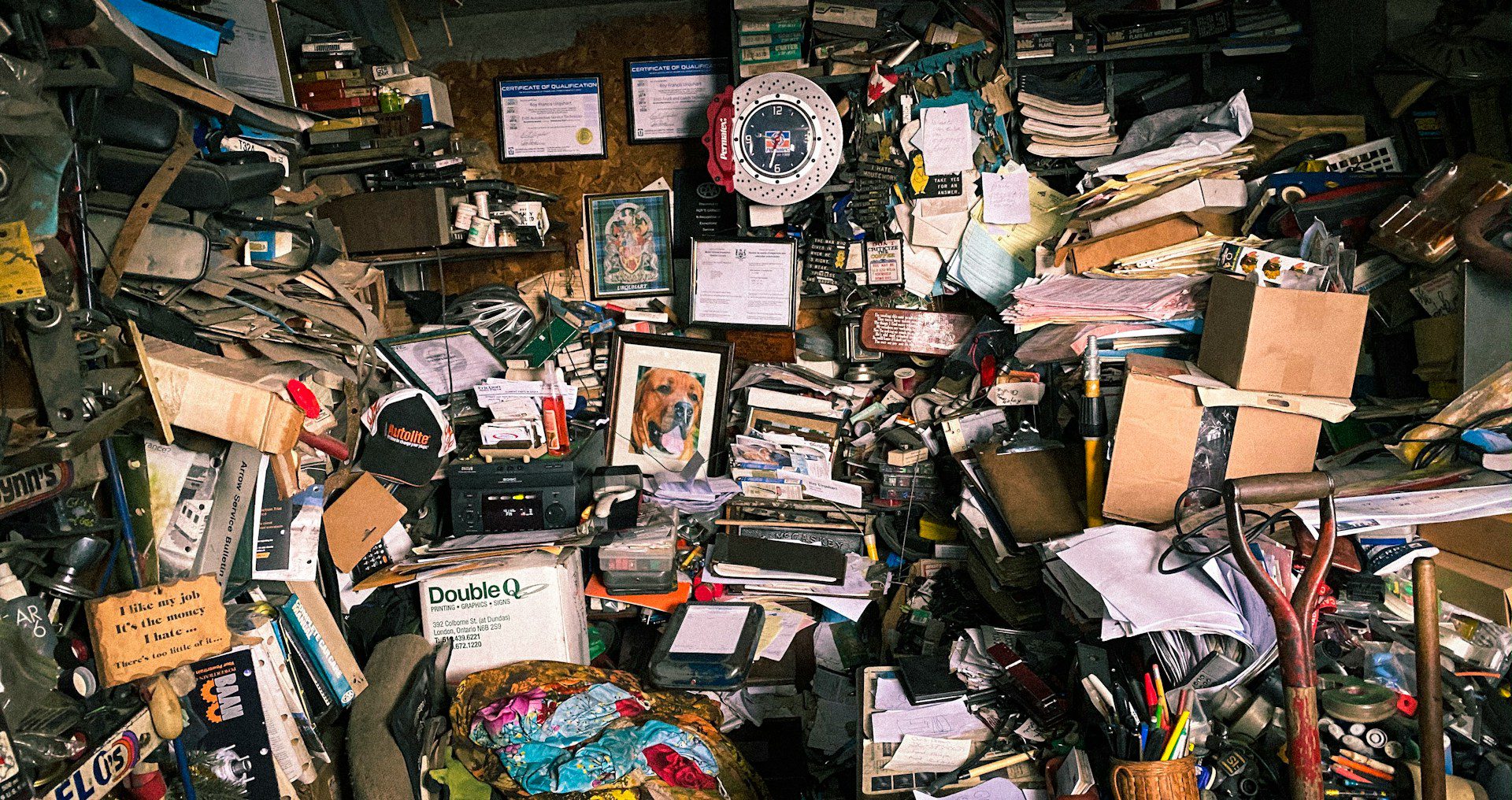
You probably have items around your home that you no longer use but keep anyway. Over time, these things pile up and eventually get tossed out, often ending up in the landfill.
Knowing what kinds of items tend to make their way to the dump can help you make smarter choices about what to keep or get rid of now. This can reduce clutter and limit waste you create without even realizing it.
Plastic toothbrushes
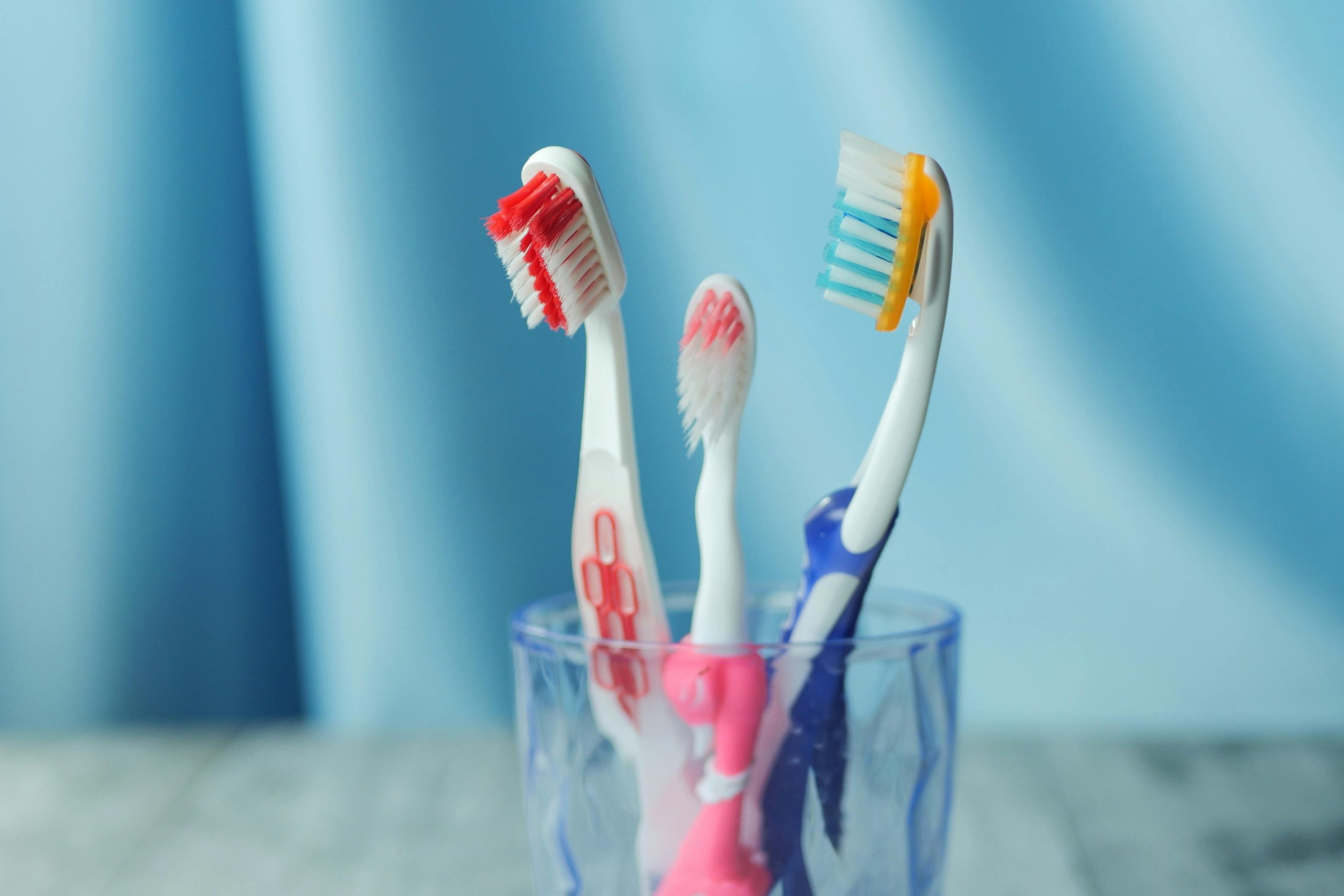
When you toss a plastic toothbrush, it’s not just gone. Millions end up in landfills every year, including about 30 million in places like Australia alone.
These toothbrushes can take hundreds of years to break down. Plus, they release microplastics that don’t just disappear.
Switching to reusable or biodegradable options can cut down the waste you leave behind. Your everyday brushing routine has more impact than you might think.
Single-use batteries
Hilary Halliwell / pexels
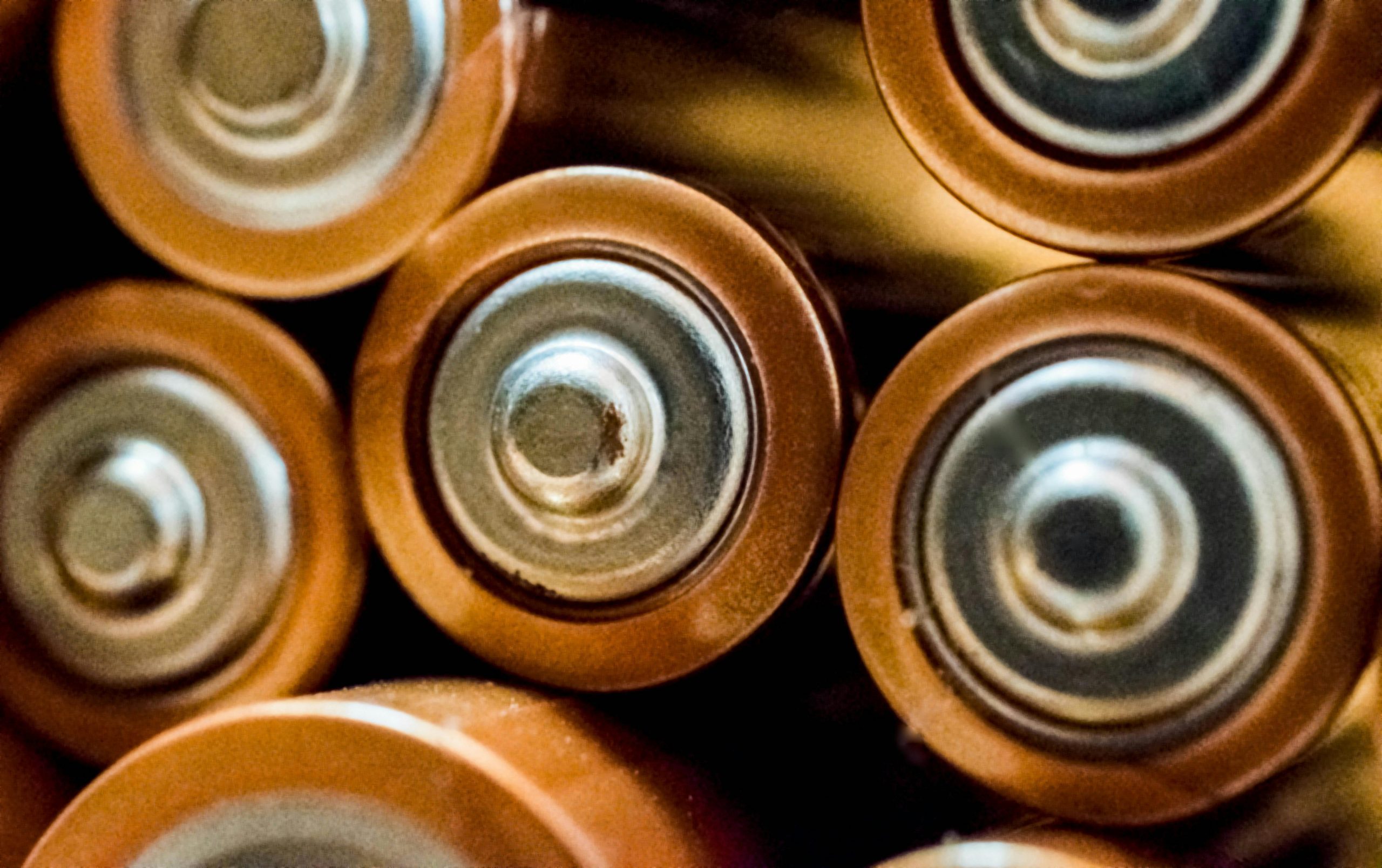
You might toss single-use batteries in the trash without thinking. But they contain toxic metals like cadmium, mercury, and lead that can harm the environment.
Instead, try to recycle them properly. Many stores and recycling centers accept used batteries to prevent pollution.
If you can, switch to rechargeable batteries. They last longer and help reduce waste over time.
Old DVDs and CDs
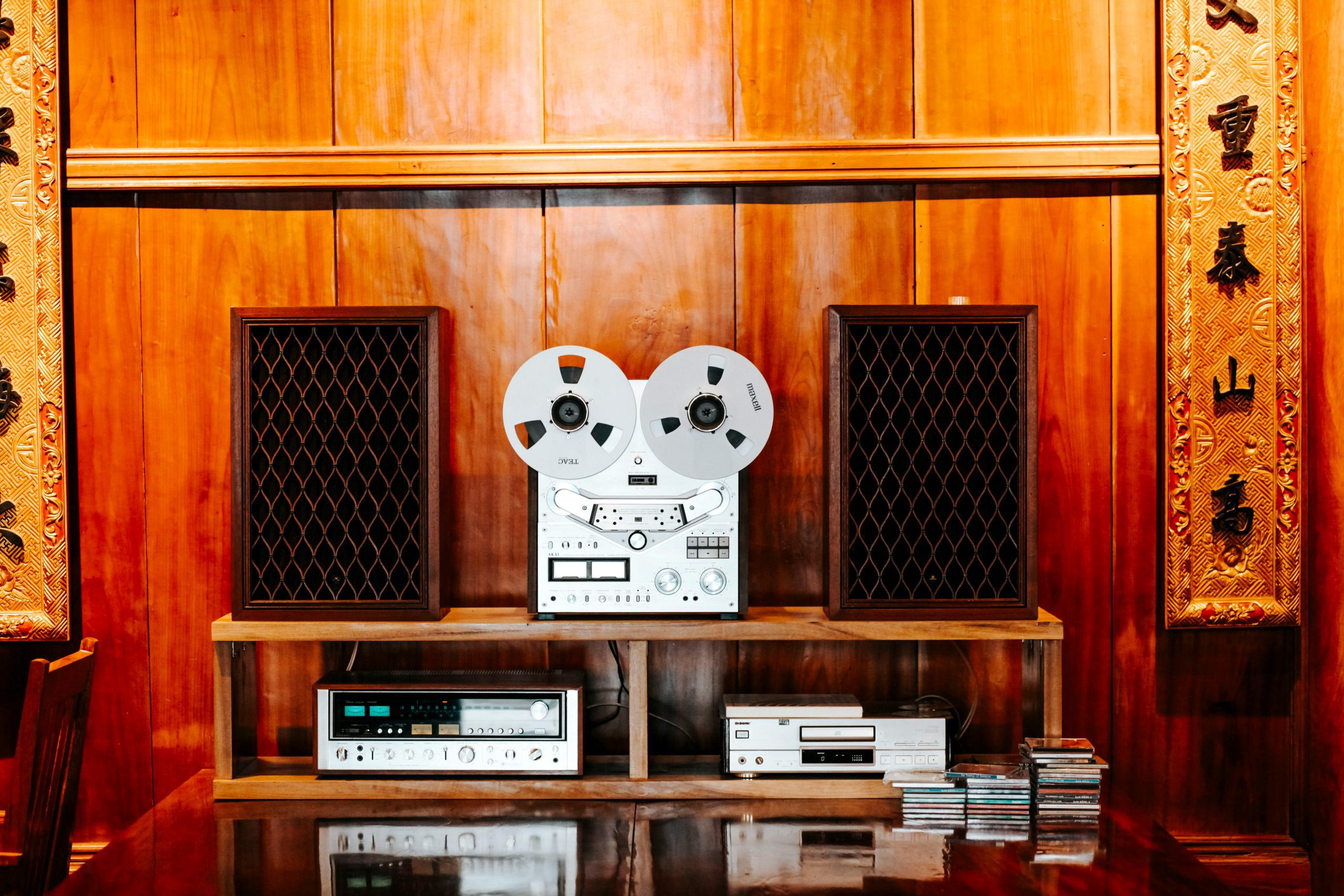
You probably have a stack of old DVDs and CDs taking up space. Instead of tossing them, consider digitizing your favorite ones to save space.
If you don’t want to keep them, you can sell them in bulk or donate to libraries, thrift stores, or local groups.
Giving them away or selling online helps avoid landfill clutter and lets someone else enjoy them.
Worn-out sneakers
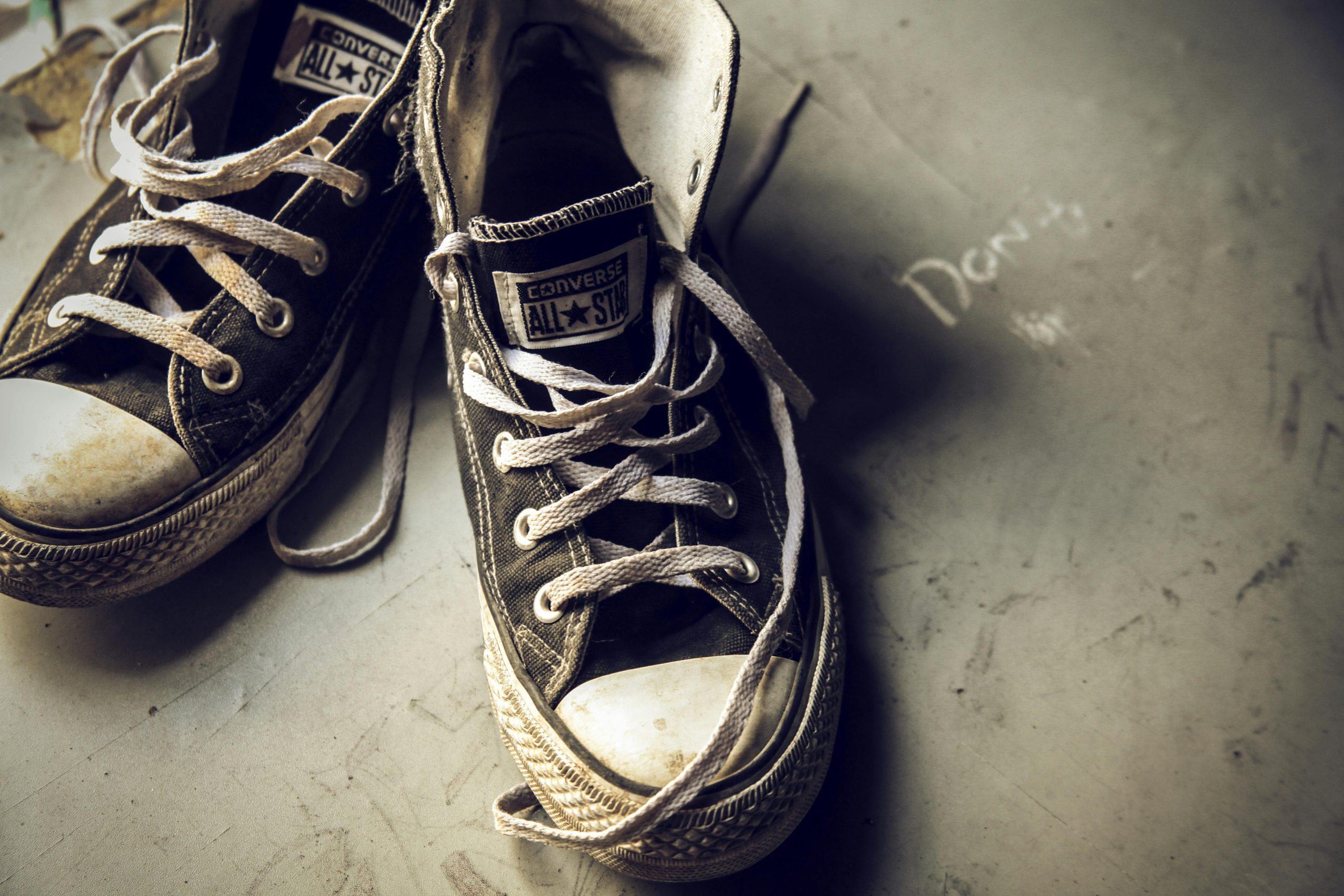
You probably toss your old sneakers without much thought, but they don’t just disappear. Most end up in landfills, where their soles can stick around for hundreds of years.
Instead of throwing them away, consider donating or recycling. Some companies even turn worn sneakers into new products, giving your shoes a second life.
Next time your kicks are past their prime, take a moment to find a better option. It helps reduce waste and keeps your old shoes out of the dump.
Used motor oil containers
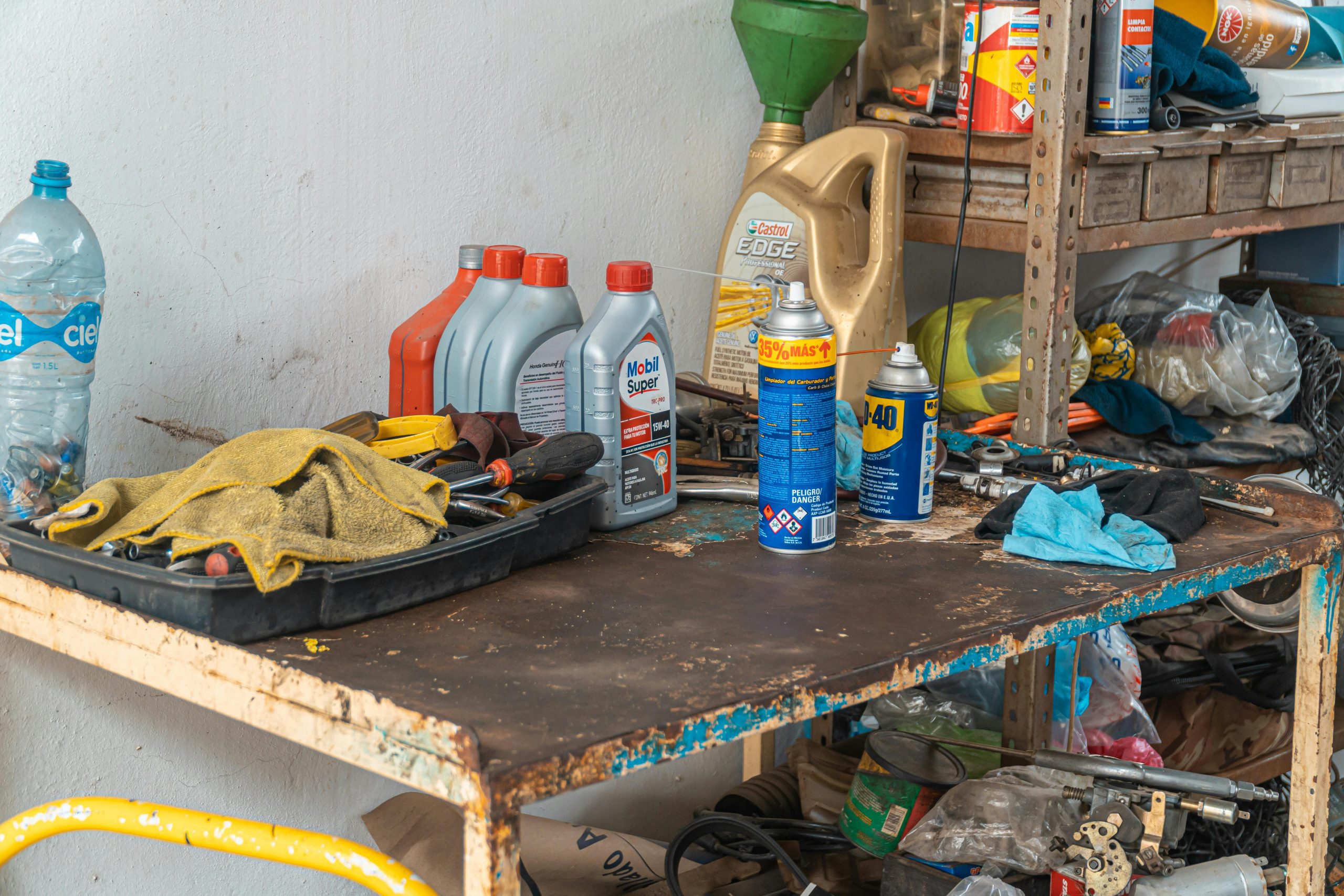
You probably toss empty oil containers without thinking. These plastic jugs can’t just go in the trash because they often have leftover oil residue.
It’s best to rinse them out and take them to a recycling center that accepts hazardous materials. Many places have special drop-off spots for oil containers, so check what’s available near you.
If your area offers curbside pick-up for used oil, make sure the container is sealed tight and leak-free. This helps keep the environment safe and avoids spills during transport.
Non-recyclable plastic bags
cottonbro studio/pexel
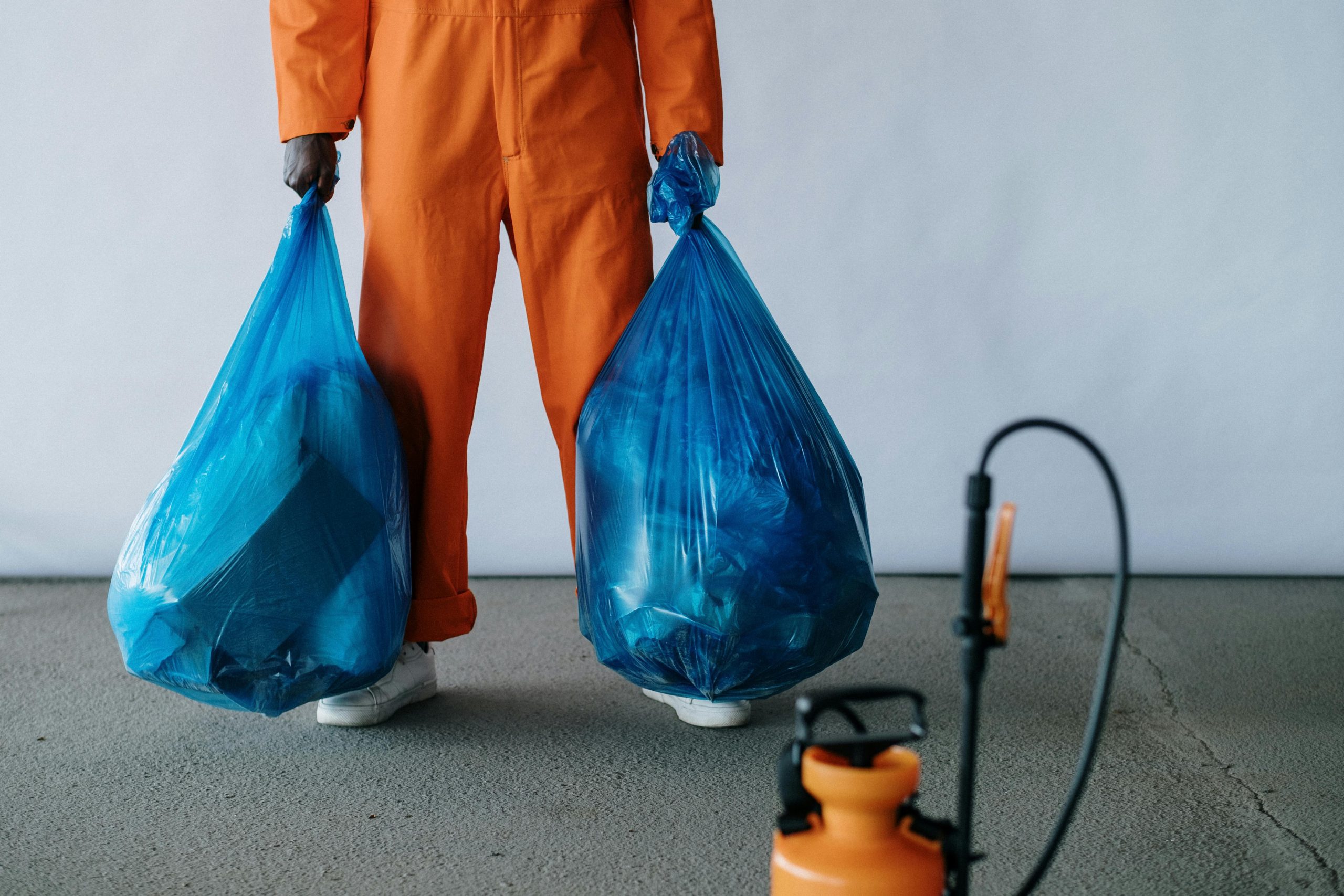
You might think plastic bags are easy to recycle, but most curbside programs don’t accept them. Thin bags like grocery or produce bags usually can’t be processed with your regular recycling.
These bags often get tangled in sorting machines, causing problems at recycling centers. Instead, you can take them to special drop-off points, usually found at grocery stores.
If you don’t have access to those, it’s best to reuse the bags as much as you can before tossing them.
Broken electronics

When your electronics stop working, it’s tempting to toss them in the trash. But they often contain lithium-ion batteries, which can be dangerous in landfills.
If you just throw them away, harmful chemicals can leak into the ground over time.
Look for recycling programs or stores that accept old gadgets. They can make sure your electronics get properly disposed of or reused.
Faded clothes

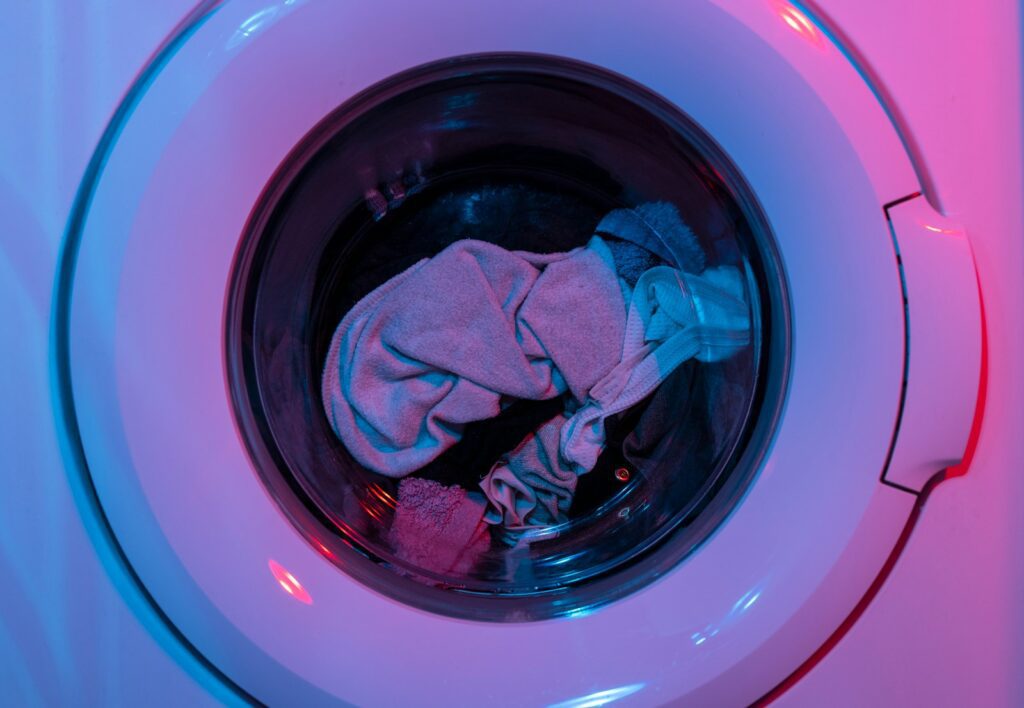
If your clothes look dull or faded, you might be tempted to toss them out. But sometimes, fading happens because of detergent buildup or washing in hot water.
Try washing your faded pieces in cold water and use less detergent to protect the color. Turning clothes inside out can also help keep them looking fresh longer.
If they’re too far gone, donating or recycling them is better than just throwing them away. They’ll likely end up in a landfill otherwise.
Expired aerosol cans
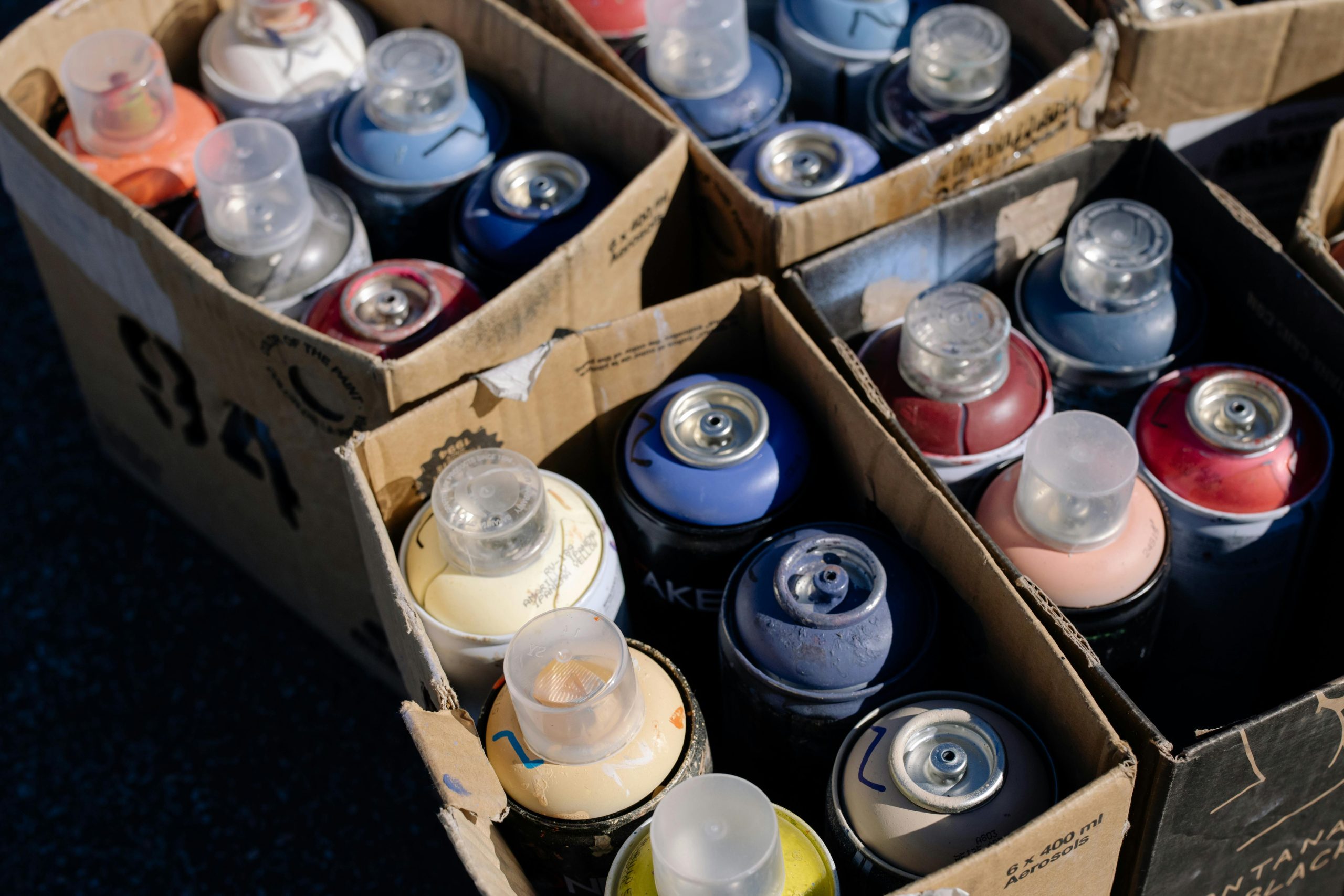
If you have expired aerosol cans lying around, you can’t just toss them in the trash like regular stuff. These cans still hold pressure and sometimes leftover product, which can be dangerous.
Before getting rid of them, make sure the can is completely empty. If not, take it to a household hazardous waste collection site to avoid any risks.
Also, don’t try to puncture or burn the cans yourself. That can cause accidents or release harmful chemicals.
Cracked ceramic mugs

If your favorite mug has a crack, you might be tempted to toss it. But before you do, think about whether it’s still safe to use. Cracks that go all the way through can cause leaks or even break while holding hot liquids.
You can fix some cracks with strong epoxy glue. It takes time to set but can make your mug usable again. If you’re feeling creative, broken mugs can also be turned into art or small planters instead of trash.
Torn curtains

If your curtains are ripped or have holes, they’re probably heading straight for the dump. It’s easy to hold on to them, but damaged curtains don’t really serve their purpose.
Leaving torn curtains behind when you move can also annoy the next person. Instead, toss them or consider recycling if possible. Either way, they won’t be useful in their current state.
Used paint cans

When you’re done with paint, don’t just toss the cans in the trash if they still have wet paint. Wet paint can leak harmful chemicals into landfills and cause pollution.
If the paint is dried out, you can usually throw the can away with regular trash. Otherwise, check for local hazardous waste centers that accept leftover paint.
Using up extra paint or donating it is the easiest way to avoid waste. Proper disposal keeps your space clean and helps the environment.
Damaged carpets

When you pull up old carpets, you’ll often find a lot more than just fibers. Years of dust, dirt, and even pet accidents get trapped underneath.
If the carpet has big stains, burns, or rips, it’s usually not worth keeping. Most recycling centers won’t take carpets with heavy damage, so these often end up in the dump.
Even with a good vacuum, you can’t get rid of decades of debris hidden deep in the padding and backing. Removing damaged carpets almost always means tossing them out.
Old books

You might think old books just sit on shelves, but many end up in the dump. When you clear out your collection, those books can quickly become trash if you don’t find a new home for them.
Instead of tossing them, consider donating or selling your books. This helps keep them out of landfills and makes sure others can enjoy them too.
Rusty pans

If you have rusty cast iron pans, don’t rush to toss them. You can soak them in a mixture of vinegar and water to loosen the rust.
After soaking, scrub the rust off with a brush or steel wool. Then, season the pan with oil to protect it from future rust.
With some effort, you can bring rusty pans back to life instead of letting them end up in the dump.