Vintage shopping can be a fun way to find unique pieces with character, but it can also lead to accumulating more than you need. It’s easy to get caught up in the thrill of discovering hidden gems, which sometimes results in clutter and stress.
The key to enjoying vintage shopping without hoarding is having clear rules that help you choose thoughtfully and keep your collection manageable. By following simple guidelines, you can avoid overbuying and make sure your vintage finds bring value instead of chaos to your space.
Set a clear budget before vintage shopping

Before you start hunting for vintage treasures, decide how much you want to spend. Setting a clear budget helps you avoid buying items you don’t really need.
Knowing your spending limit keeps your shopping focused and stress-free. It also makes it easier to prioritize the pieces you truly love.
Stick to your budget even if you come across a tempting one-of-a-kind find. This helps prevent clutter from taking over your space.
Limit vintage purchases to what you can realistically use
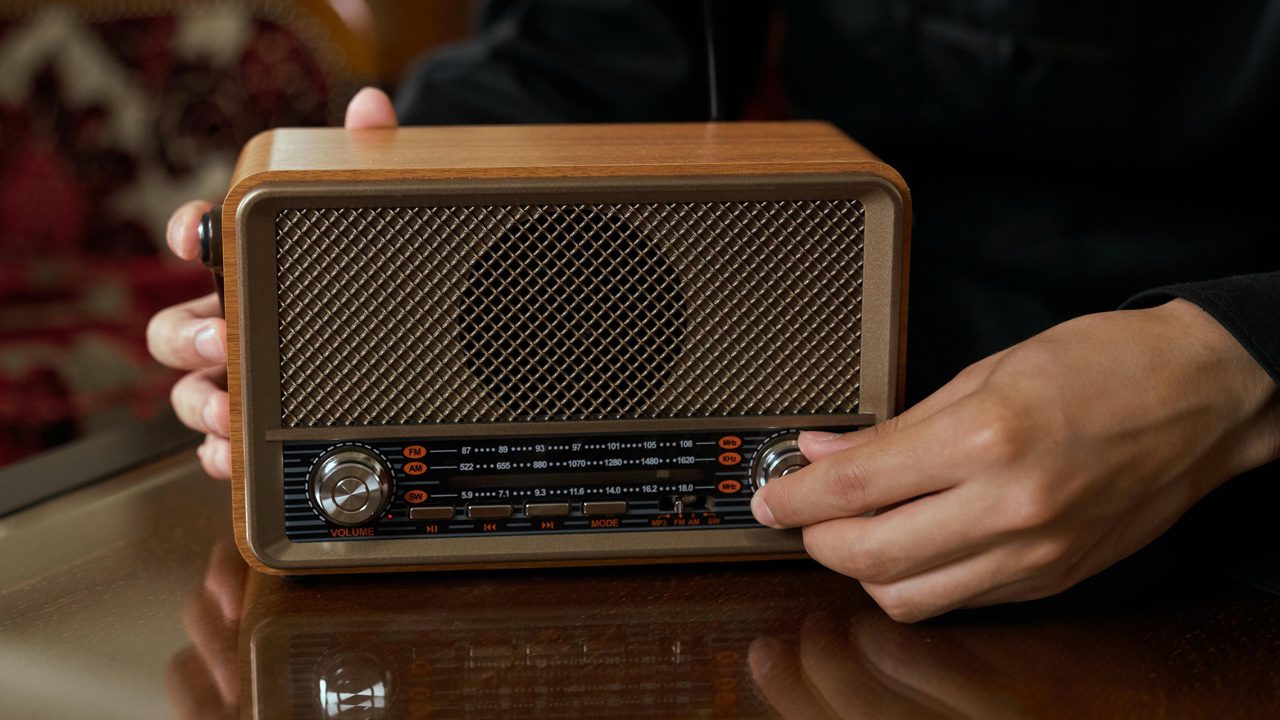
You want your vintage finds to add value to your life, not clutter. Focus on items you know you’ll actually wear, display, or use regularly.
Create a simple list before shopping. This helps you avoid impulse buys and keeps your collection manageable.
Remember, quality over quantity matters. Choosing a few meaningful pieces will make your vintage collection feel special and intentional.
Prioritize quality over quantity
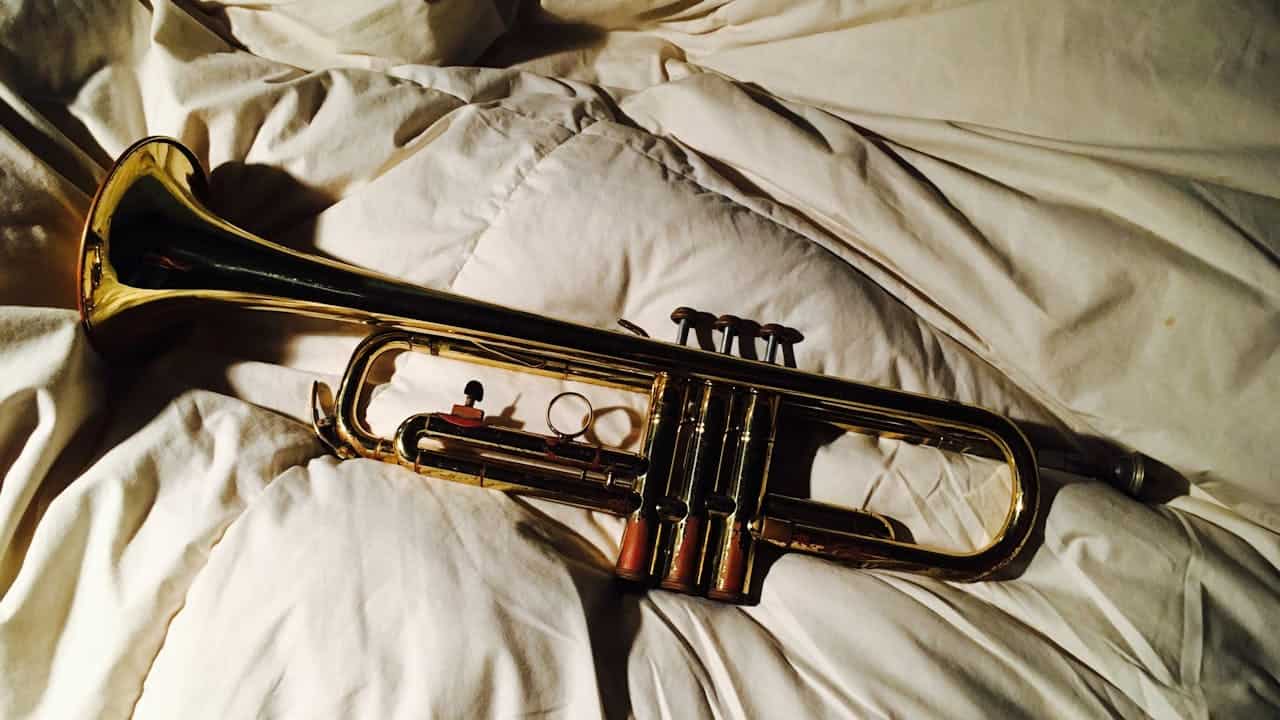
When shopping vintage, focus on items that are well-made and durable. Choosing fewer high-quality pieces helps you build a thoughtful collection.
Good quality items last longer and add more value to your wardrobe or home. You’ll avoid clutter and the need to replace things often.
This mindset encourages mindful buying, so you pick items that truly matter to you. It keeps your space clear and your style unique.
Create a dedicated storage space for vintage finds
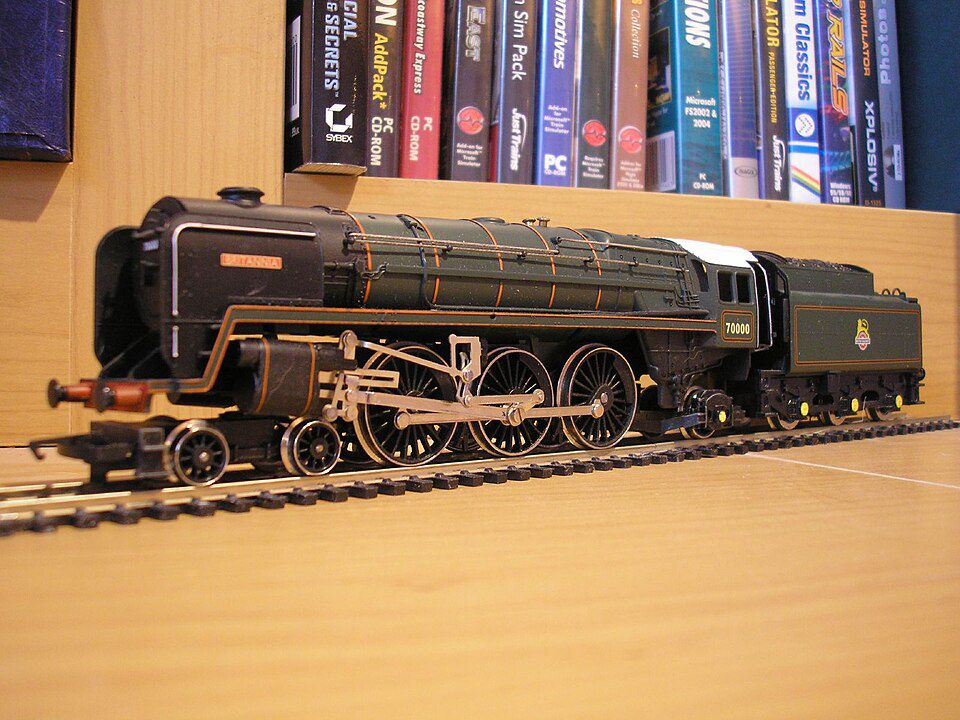
You need a specific area to keep your vintage items organized and safe. This helps prevent clutter from spreading throughout your home.
Choose sturdy shelves or storage units made from materials like wood or metal. Avoid plastics that might react with your collectibles.
Make sure each item has its own space or holder to avoid damage from rubbing or stacking. This keeps your vintage finds in good condition longer.
Regularly evaluate your collection to remove unused items

You should check your vintage collection often. This helps you spot pieces you no longer wear or enjoy.
By removing items you don’t use, you create space for new finds. It also keeps your collection manageable and prevents clutter.
Try setting a routine to review your collection every few months. Be honest about what you really love and wear. This keeps your vintage wardrobe fresh and intentional.
Focus on timeless pieces instead of trendy ones

When you shop vintage, look for pieces that stay stylish over time. Classic items like trench coats or well-made denim won’t go out of fashion quickly.
Choosing timeless pieces helps you build a versatile wardrobe. You won’t feel the urge to keep buying just because of passing trends.
This approach saves you money and reduces clutter. Your collection will feel meaningful, not overwhelming.
Avoid buying multiples of similar items

When you shop vintage, try to resist buying several similar pieces. It’s easy to get carried away thinking duplicates will be useful, but they often end up cluttering your space.
Instead, focus on choosing unique items that truly fit your style. This helps you build a varied collection without unnecessary repetition.
If you find a favorite piece, remind yourself why you like it before buying multiples. This keeps your wardrobe intentional and prevents hoarding.
Practice mindful shopping by making lists

You can avoid impulse buys by creating a clear list before heading out. This helps you focus on what you truly need and prevents random, unnecessary purchases.
Keep your list short and specific to avoid cluttering your space with items that don’t fit your vintage style. Checking the list while shopping keeps you on track and mindful of your budget.
Understand the story and condition of each item
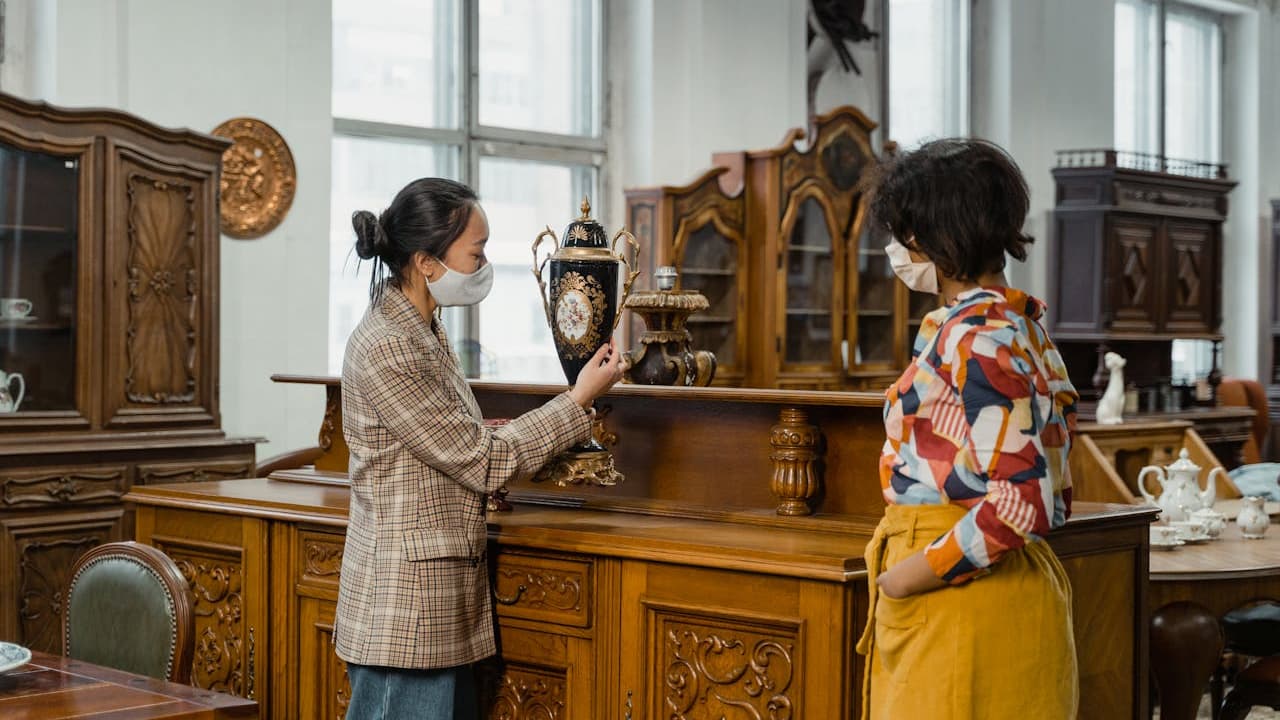
When you shop vintage, every piece has a history. Knowing an item’s story helps you appreciate its uniqueness and decide if it fits your collection.
Check the materials and construction carefully. Look for signs of wear that match the item’s age, but be cautious of heavy damage or repairs.
Understanding condition keeps you from buying items that might not last. It also helps you avoid accumulating things that don’t add real value to your collection.
Set a rule to pass on items you no longer love

When you find clothes or items that no longer spark joy, it’s time to let them go. Set a clear rule for yourself to pass these things on, whether by donating or gifting.
Holding onto items you don’t love can clutter your space and mind. Remember, your vintage finds should make you happy now, not just hold sentimental value.
Creating this habit will help you keep your collection meaningful and prevent unnecessary hoarding.
Schedule regular decluttering sessions

You’ll find it easier to keep your vintage finds from piling up if you set a regular time to declutter. Try scheduling monthly sessions to go through your items.
Use these moments to sort, donate, or recycle what you no longer love or need.
Treat decluttering like a simple habit, not a big chore. This routine helps keep your space organized and your mind clear.
Join vintage communities for accountability
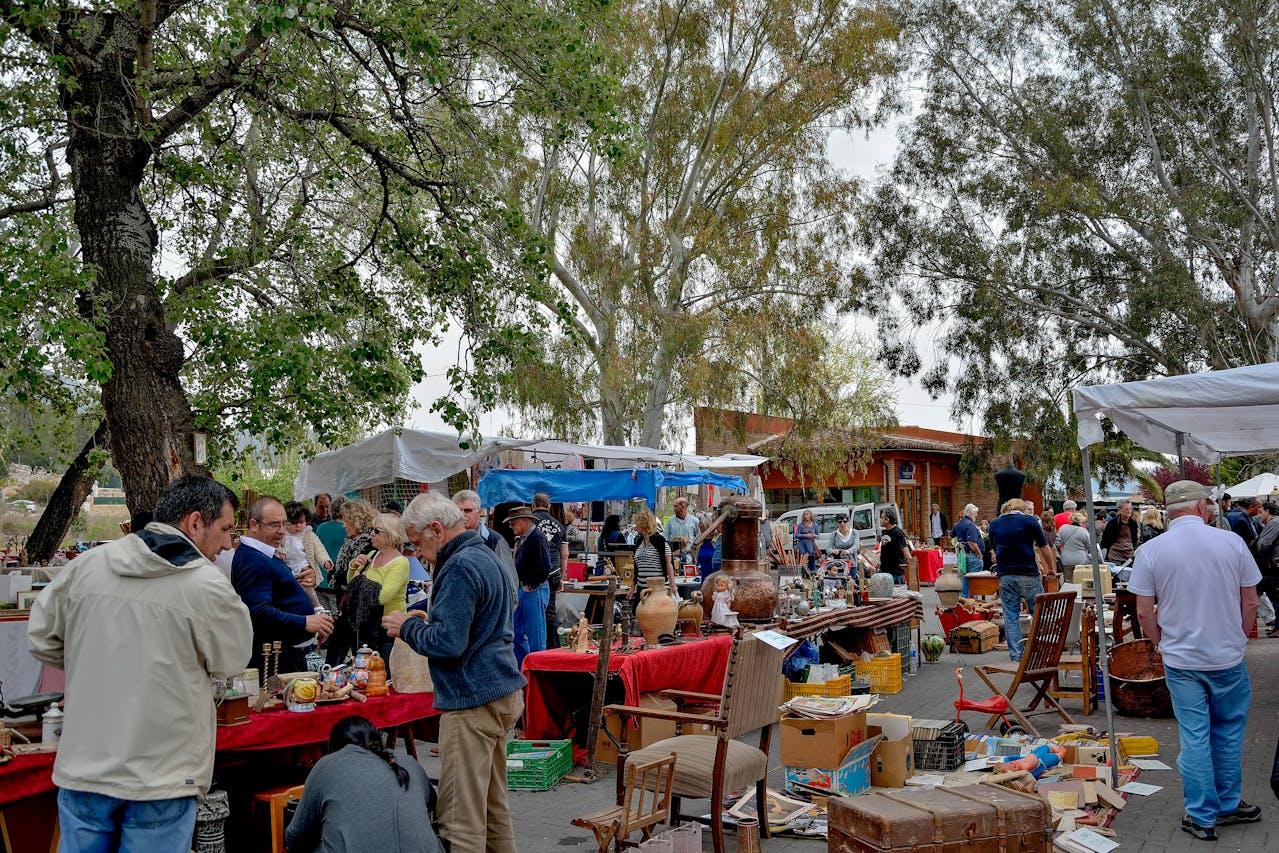
You can find support and advice by joining vintage shopping groups online or in person.
These communities help you stay mindful of your purchases and avoid accumulating too much.
Sharing your goals with others creates accountability, making it easier to resist impulse buys.
You’ll also learn practical tips from people who understand the balance between collecting and hoarding.
Being part of a group reminds you that vintage shopping can be enjoyable without turning into a problem.
Keep track of your spending to avoid financial strain

You can easily lose track of your budget when buying vintage items. Tracking your spending helps you see where your money goes and avoid impulse buys.
Use an app, a spreadsheet, or even a simple notebook to record every purchase. This way, you’ll stay aware and can adjust your habits if you start overspending.
Setting clear limits for each shopping trip also keeps your spending in check. It makes vintage shopping fun without causing financial stress.
Avoid impulse buys during peak shopping times

You’re more likely to make impulse buys when stores are busiest or during special sales. Try to shop during quieter hours to stay calm and focused on what you really need.
Hunger and tiredness can also cloud your judgment. Eating beforehand and taking breaks helps you think clearly before deciding to buy something.
Setting a time limit for your shopping trip keeps you on track and reduces the chances of grabbing items you don’t need.
Enjoy vintage shopping as a hobby, not a competition

When you go vintage shopping, focus on enjoying the experience rather than rushing to collect as much as possible. Take your time to explore and appreciate each find.
You don’t need to buy everything that catches your eye. It’s okay to leave some items behind and save your budget for pieces that truly fit your style.
Treat vintage shopping as a way to relax and discover unique treasures, not a race to outdo others. This mindset helps prevent clutter and keeps your hobby fun.