Are you constantly finding yourself losing valuable space in your home to a growing pile of clutter? If so, you’re not alone. Living in a cluttered environment can be stressful and counterproductive. It’s not just about aesthetics.
Clutter can actually eat up your space, making your home feel cramped and uncomfortable. Here are 15 ways clutter might be swallowing up your living space and some tips on how to address them.
1. Drowning in Paperwork
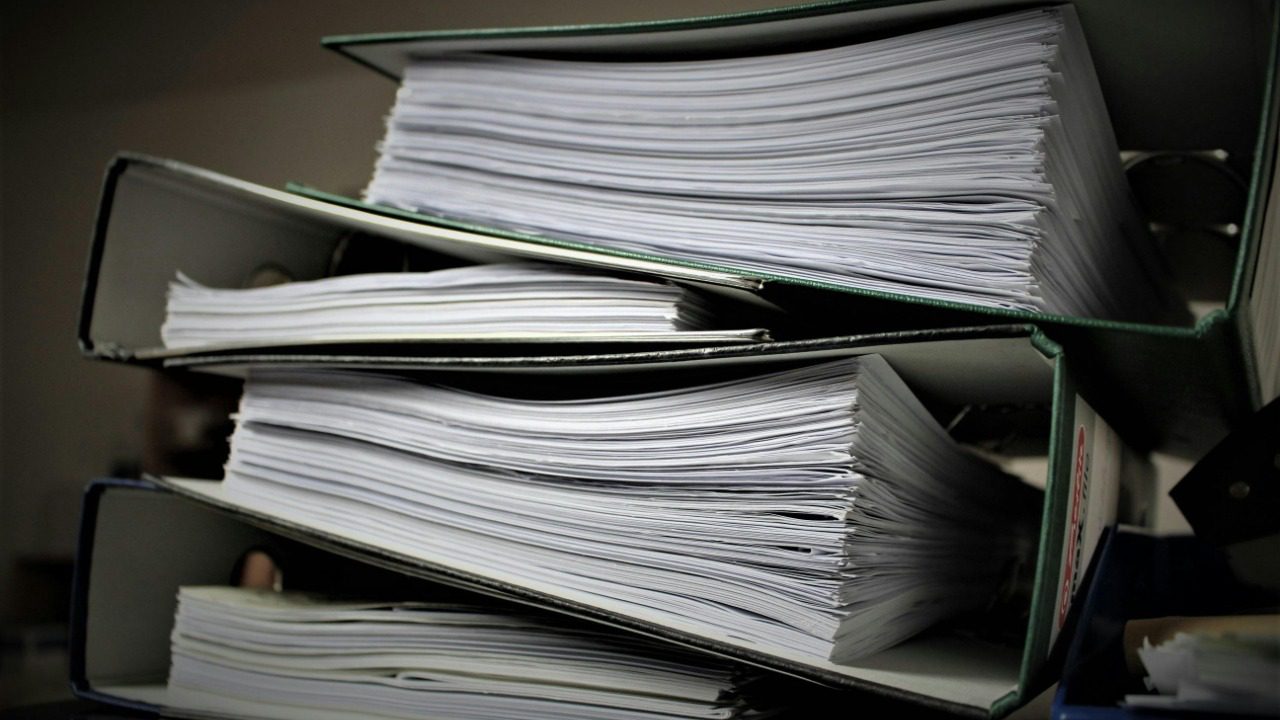
Paper clutter is one of the most common forms of clutter. Bills, receipts, old letters, newspapers, magazines, all pile up and take up more space than you might think.
Start by digitizing what you can. Scan important documents and store them safely online. For those items you need to keep physical copies of, consider investing in a small filing cabinet. Make a habit of going through your paperwork once a month and discarding what you don’t need.
2. Overflowing Wardrobe
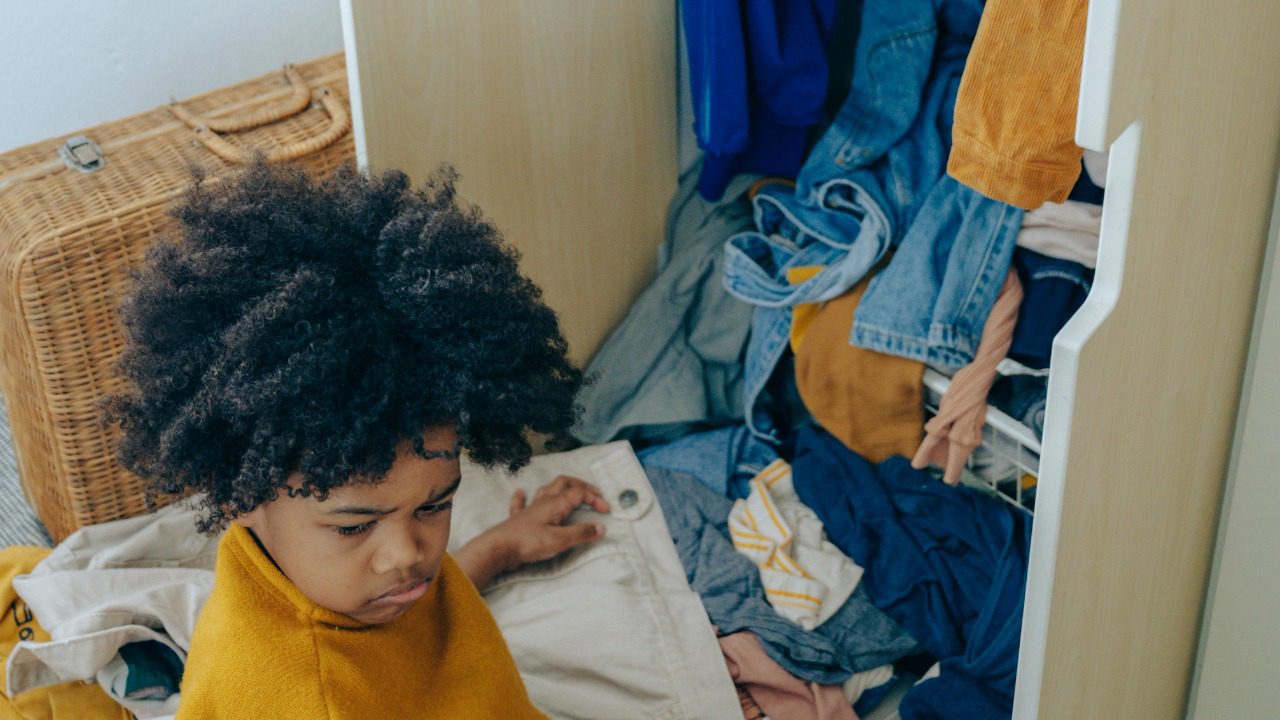
Clothes can quickly pile up, especially if you find it hard to let go of items you no longer wear. Before you know it, your wardrobe is overflowing, and you can’t find anything to wear.
To tackle this, try the ‘one-in, one-out’ rule. Each time you buy a new piece of clothing, donate or sell an existing one. This will save you space, keep your wardrobe manageable, and help others at the same time.
3. Forgotten Storage Spaces

Often, we store items in places and then completely forget about them. This includes spaces like garages, attics, and basements.
Every few months, make a point to go through these areas and declutter. Not only will you regain valuable space, but you might also find items you’ve been missing or that could be sold or donated.
4. Unused Gifts
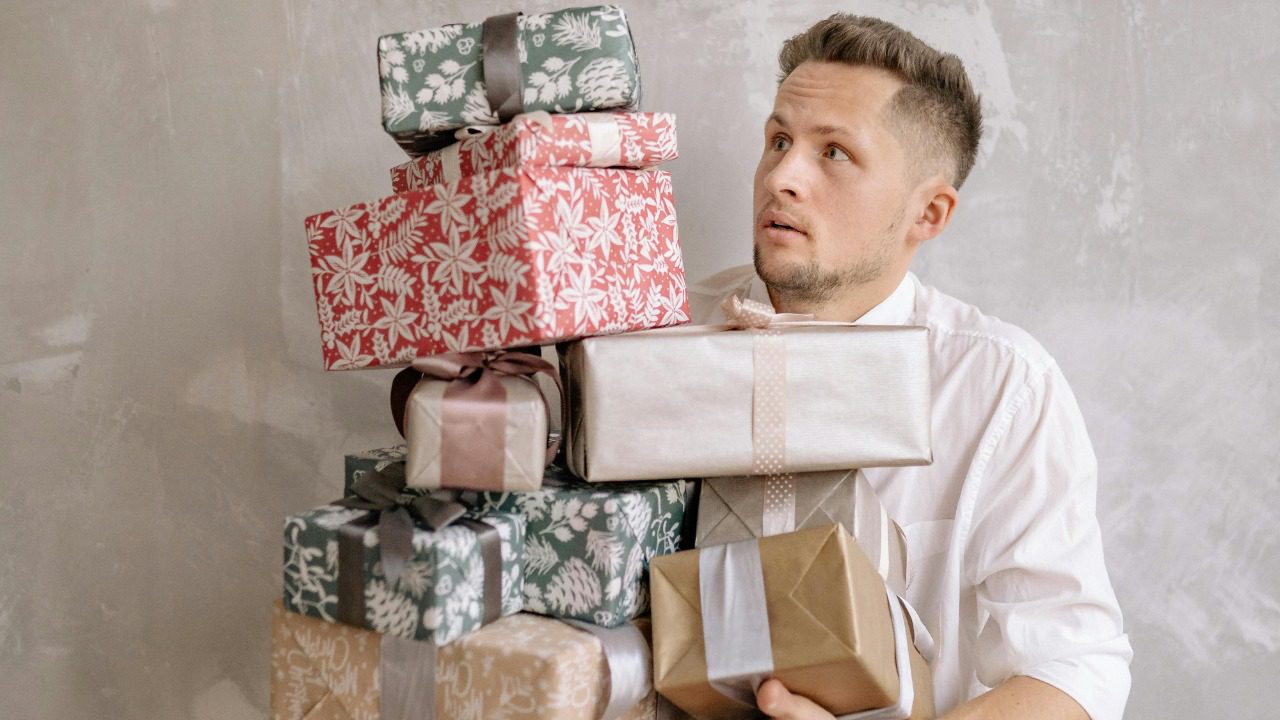
We all receive gifts that we don’t need or want. These items often end up taking valuable space in our homes.
Consider donating these items or re-gifting them to someone who will appreciate them. It’s okay to let go of things, even if they were gifts. Your home should be filled with items that you love and use.
5. Expiring Food
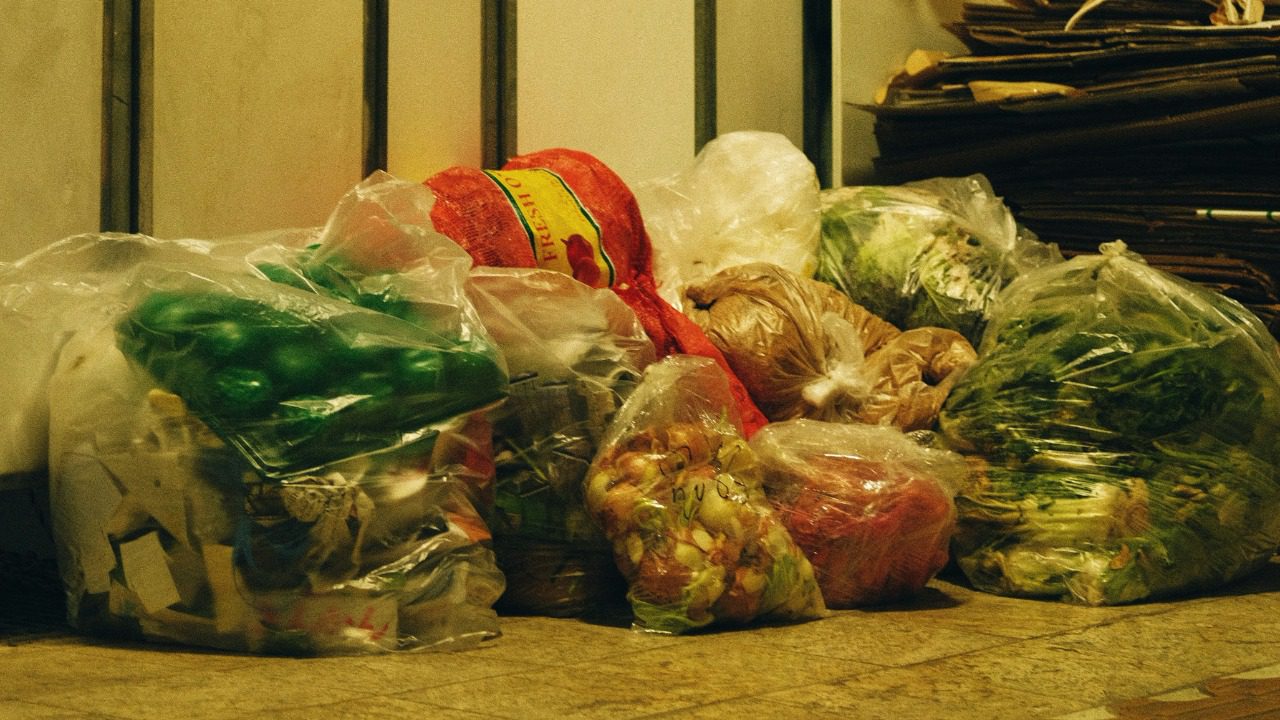
How often do you check the expiry dates of the food in your kitchen? Expired food can take up a lot of space in your pantry and fridge.
Make it a habit to regularly check expiry dates and use up or throw away food before it goes bad. This will help keep your kitchen organized and free up space.
6. Multiples of Items
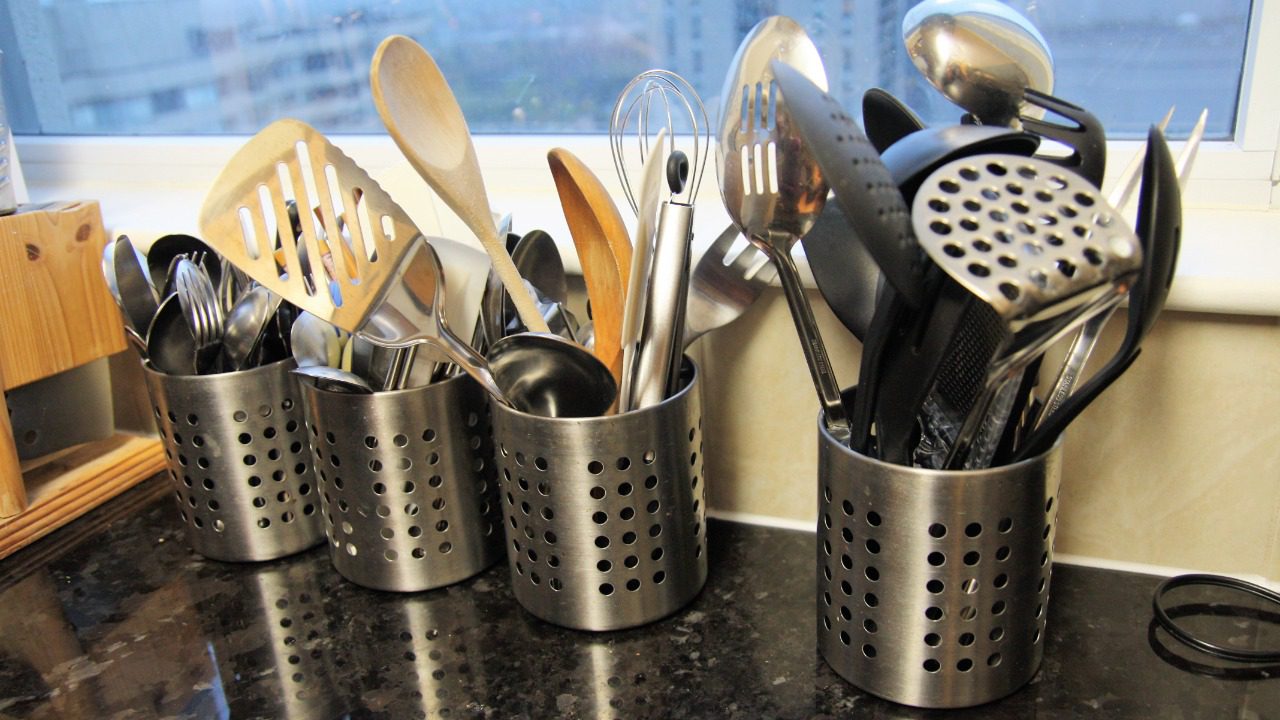
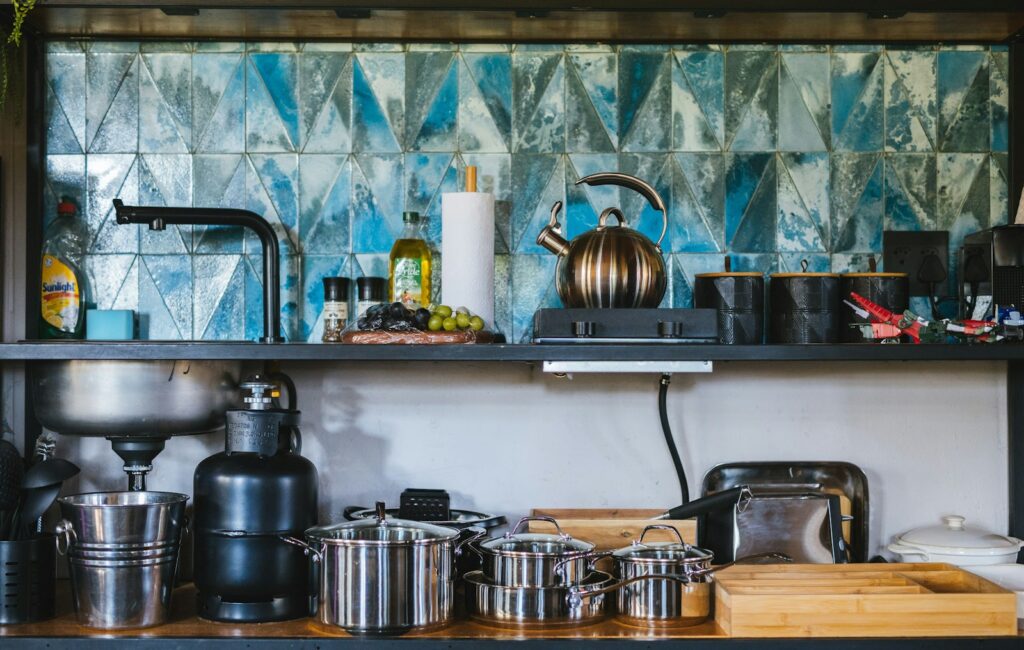
Having multiples of the same item can quickly eat up space. This is especially true for kitchen items.
Consider if you really need three spatulas or four cutting boards. Keep what you use regularly and donate or sell the rest.
7. Unused Electronics
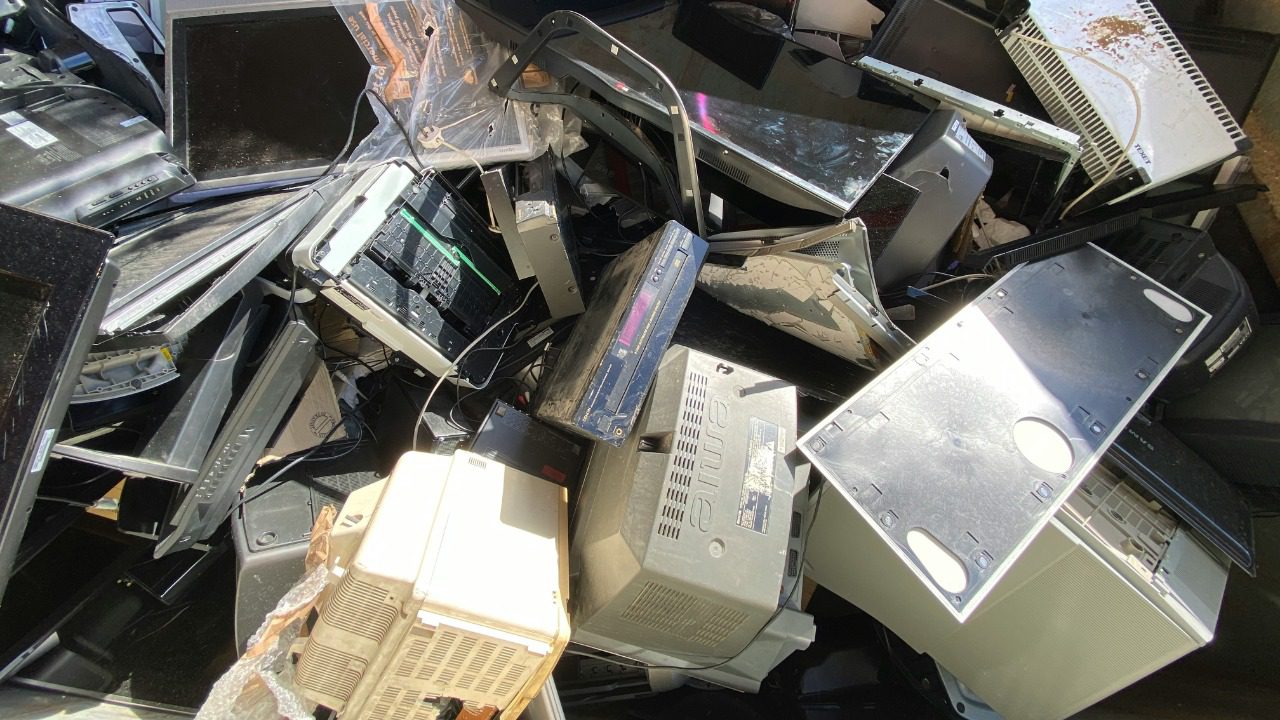
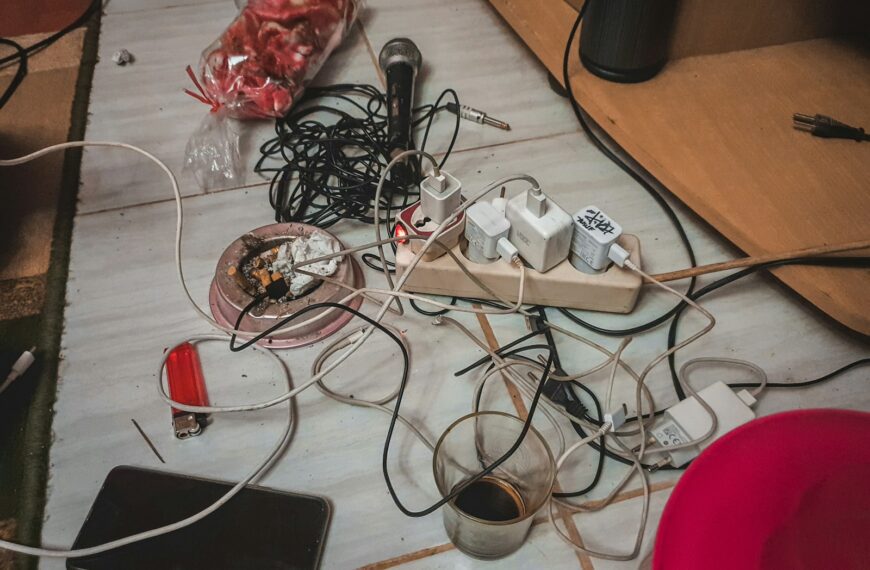
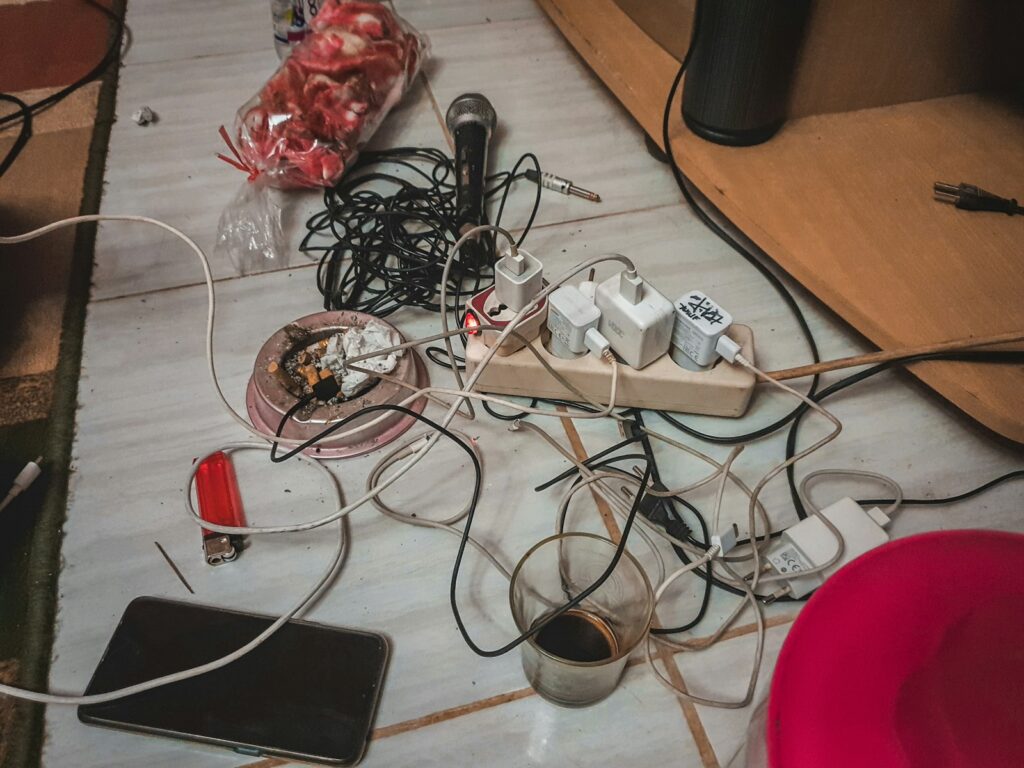
Old phones, chargers, laptops, and other electronics often end up shoved in drawers or cupboards.
Consider recycling these items or donating them to a charity that can use them. There are many organizations that will refurbish old electronics for those in need.
8. Cluttered Surfaces
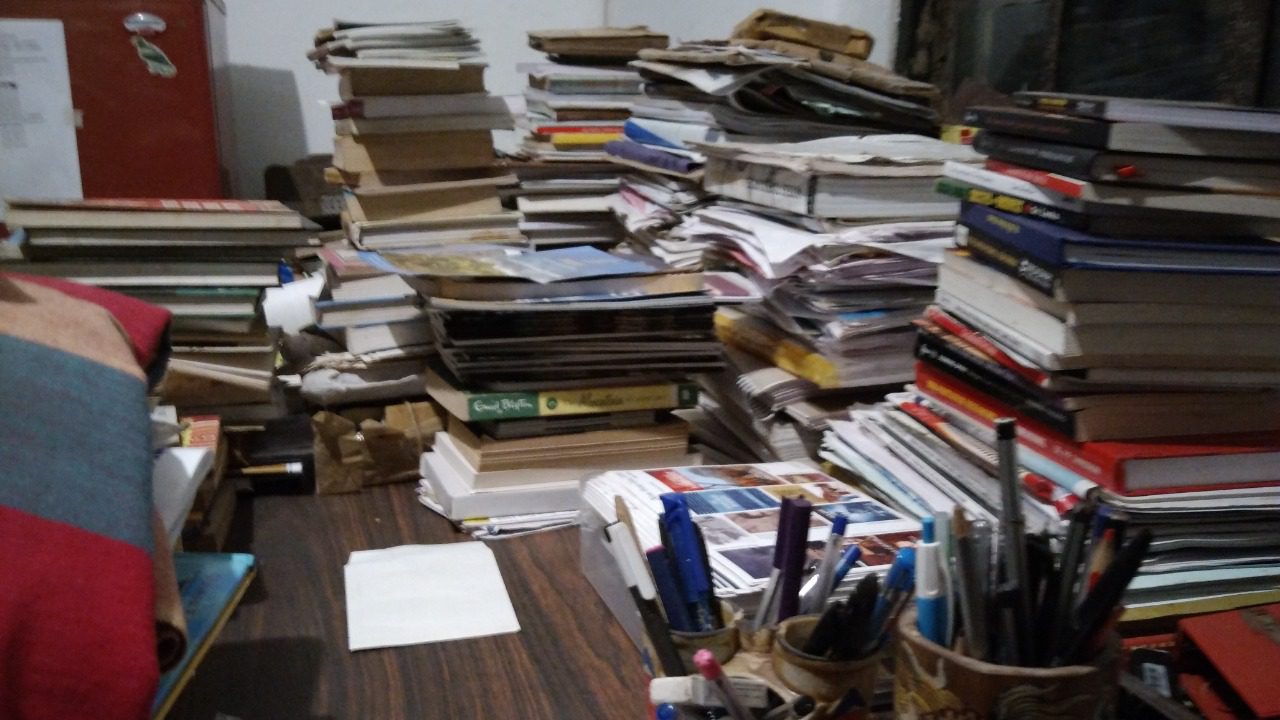
Cluttered surfaces can make a room feel cramped and stressful. This includes countertops, desks, and tables.
Try to keep surfaces clear and clean. If you do need to store items on a surface, use trays or baskets to keep them organized.
9. Sentimental Items

Sentimental items can be some of the hardest to get rid of. But they can also take up a lot of space.
Consider what is truly important to you and what you can let go of. Maybe you can digitize photos or keep just a few items from a collection.
10. Unfinished Projects
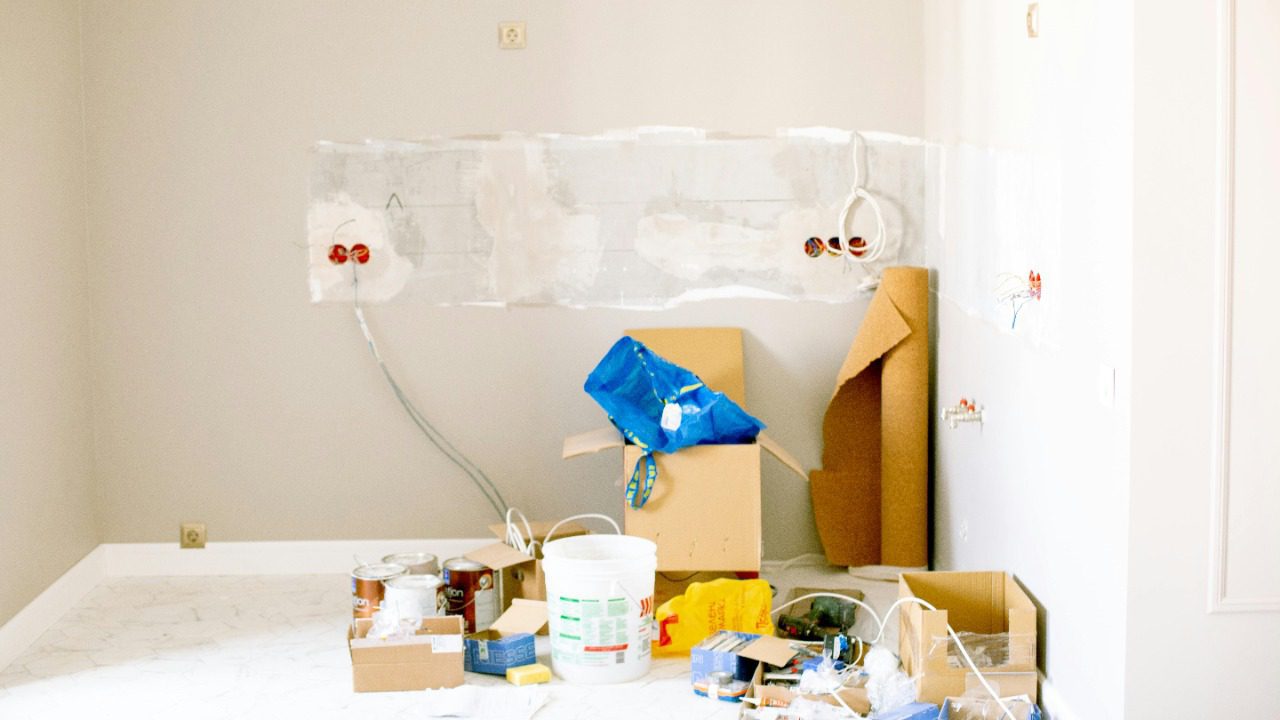
Unfinished projects can take up a lot of mental and physical space. They are a constant reminder of something you need to do.
Try to complete these projects or consider if you can let them go. Maybe the material can be donated to a local school or craft group.
11. Excess Furniture
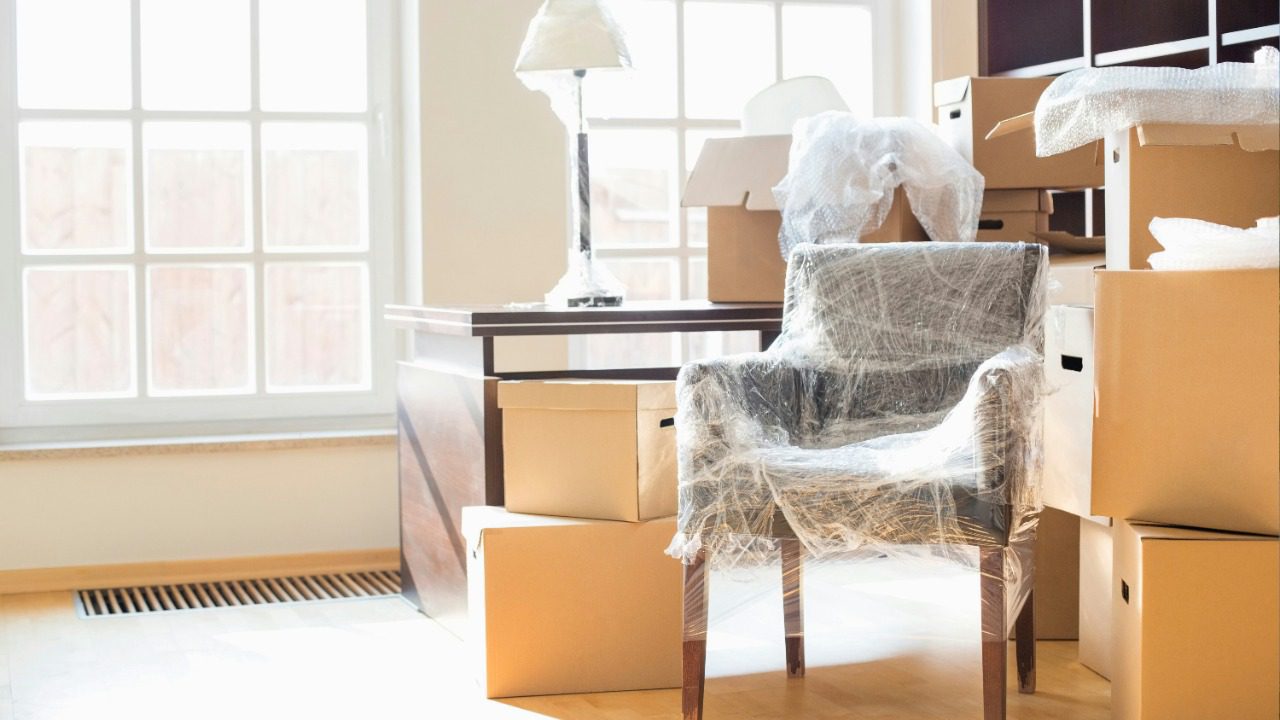
Too much furniture can make a room feel cramped and small. Consider if you need all the furniture you have.
Maybe you could sell or donate some furniture to create more space. Or maybe a piece could be used in a different way or in a different room.
12. Unused Exercise Equipment
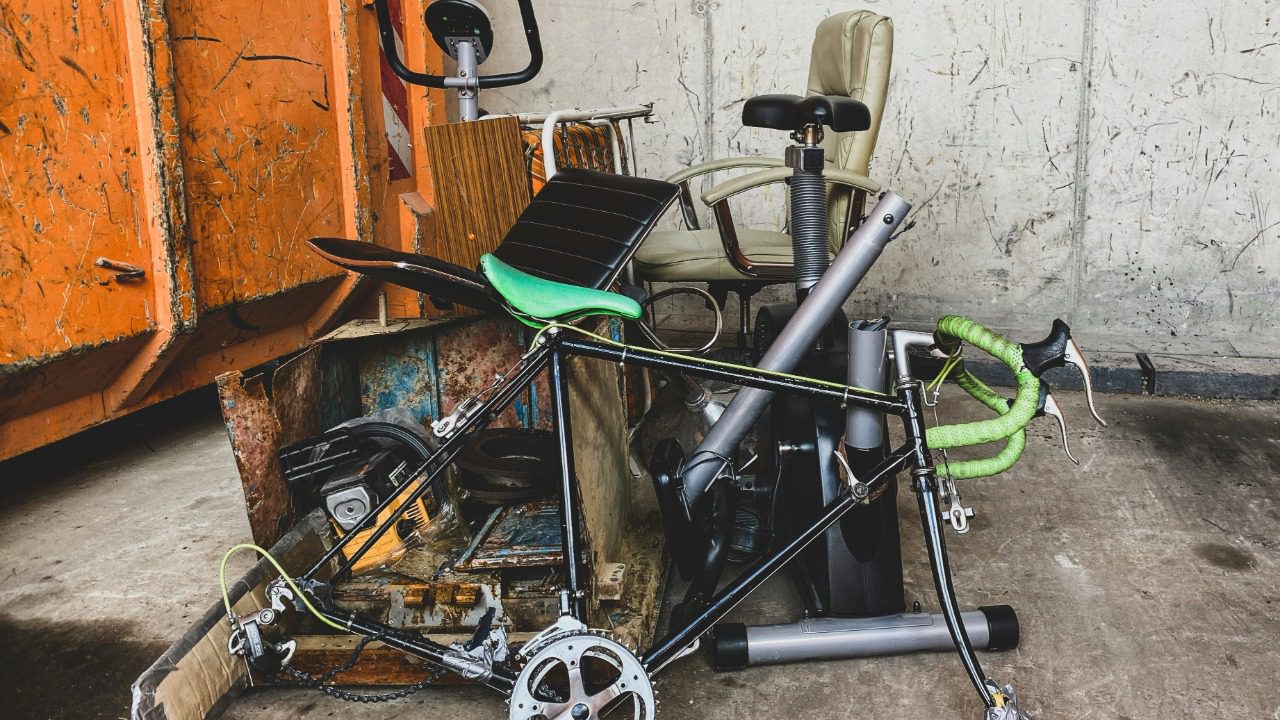
Exercise equipment is often bulky and takes up a lot of space. If you’re not using it, it’s just a large paperweight.
Consider selling or donating unused equipment. Maybe you could join a gym or find a different way to exercise that doesn’t require equipment.
13. Children’s Toys
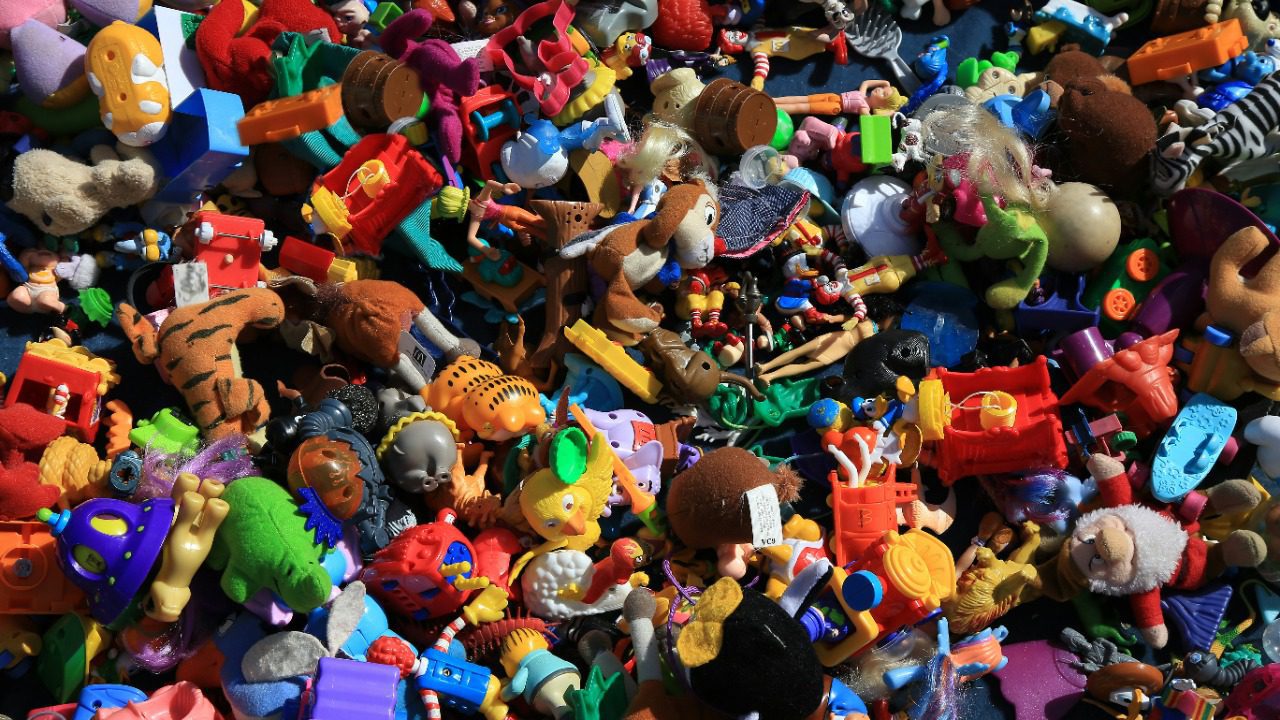
Children’s toys can quickly take over a home. It’s important to regularly go through them and donate or sell what is no longer used.
Consider implementing a rotation system where only a few toys are out at a time. This can keep toys fresh and exciting for children and help manage clutter.
14. Old Makeup and Toiletries
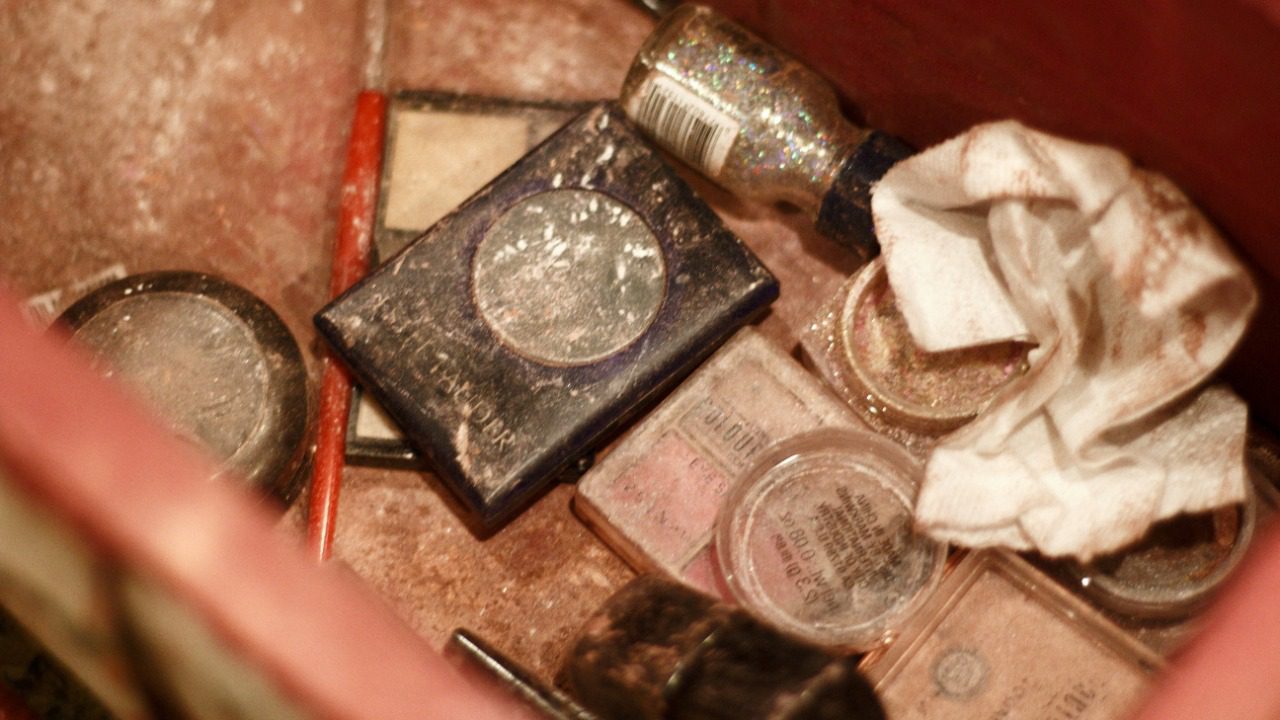
Old makeup and toiletries can clutter up your bathroom and can also be a health hazard.
Regularly go through your items and throw away anything that is old or unused. This can free up space in your bathroom and make getting ready in the morning easier.
15. Books, CDs, DVDs
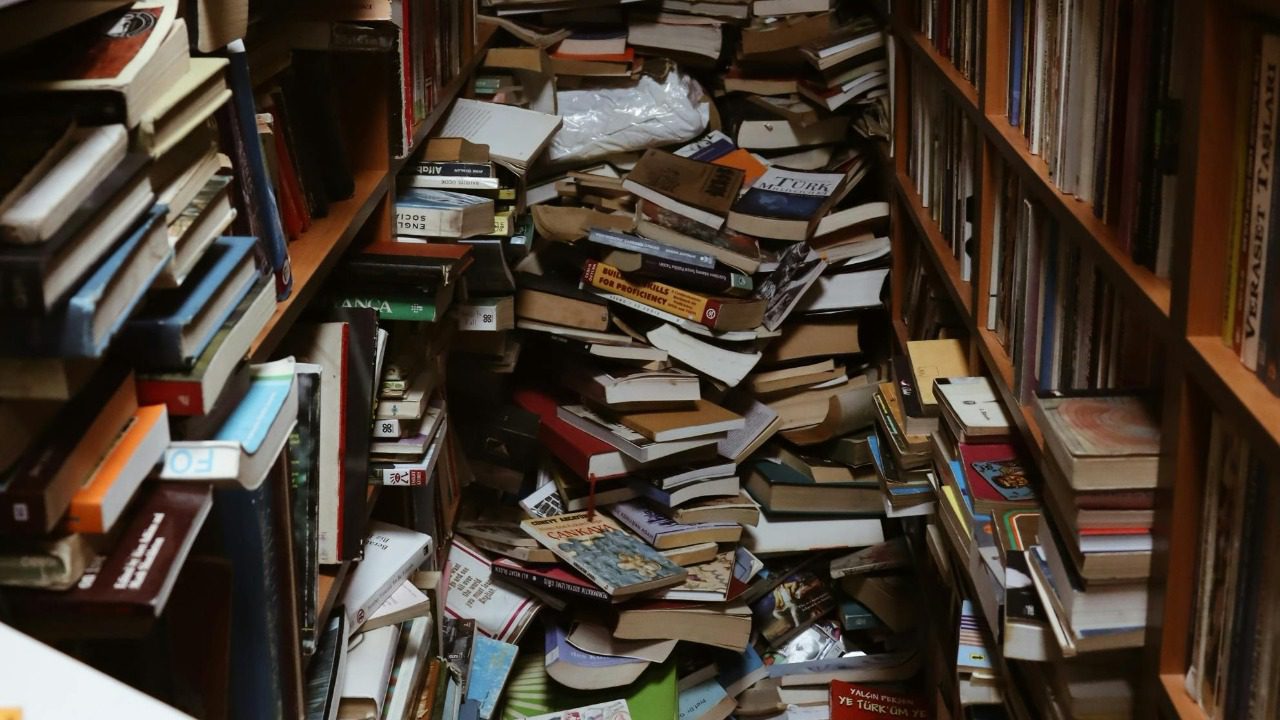
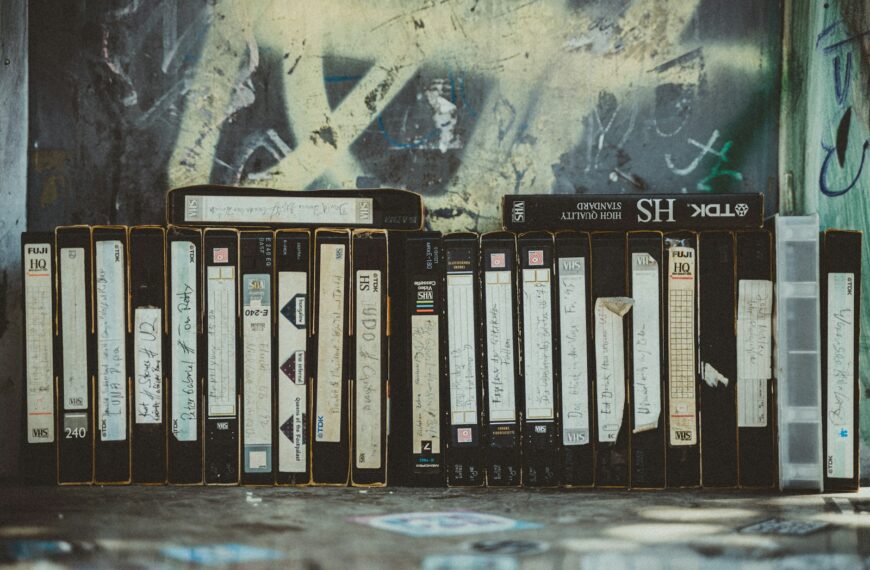
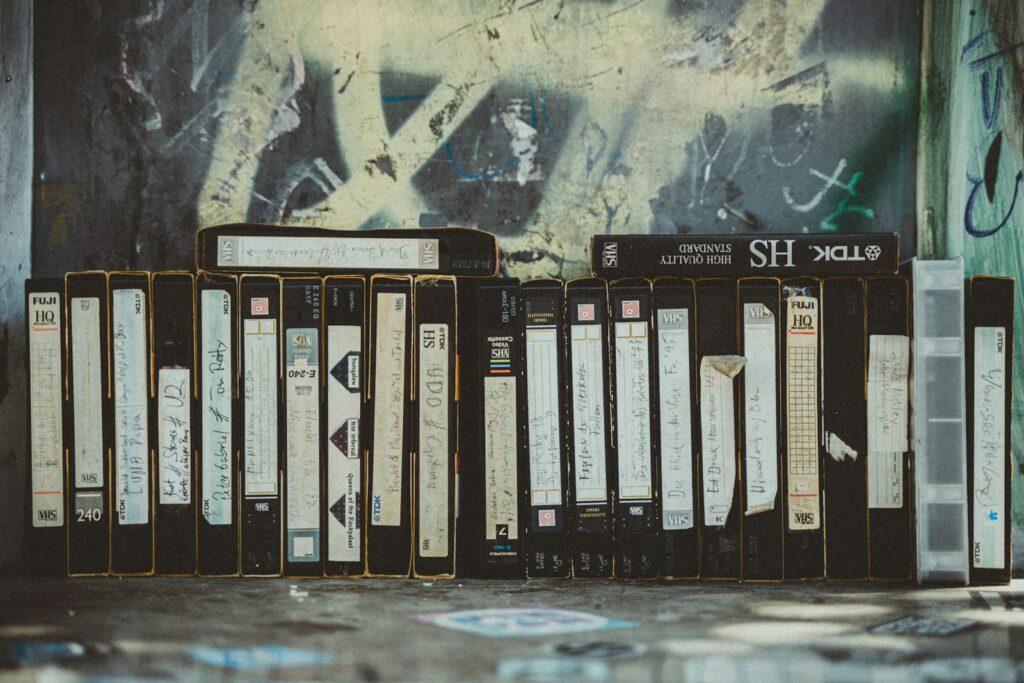
Though they can bring a lot of joy, books, CDs, and DVDs can also take up a lot of space.
Consider going digital. There are many services available now that allow you to have a vast library without the physical clutter. For the items you want to keep, consider creative storage solutions like wall shelves or under-bed storage.