1. Duplicate Purchases

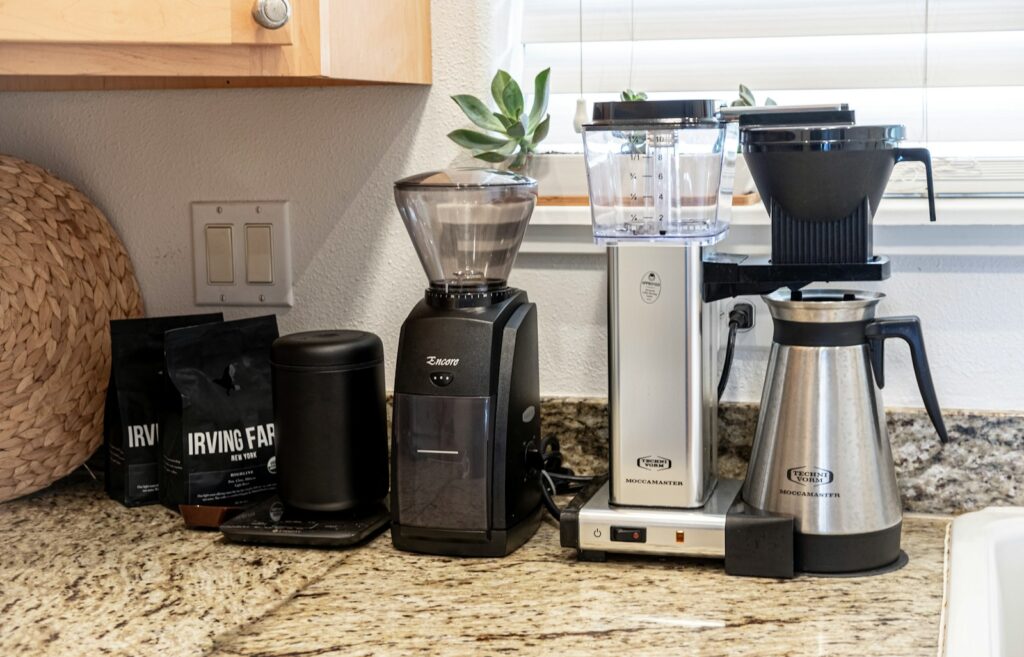
How many times have you bought something, only to find you already had one buried deep in your clutter? It’s easy to forget about items when they’re out of sight and lost in the chaos. This leads to unnecessary spending, as you’re essentially buying the same thing twice.
For example, you might buy a pack of batteries, unaware that there’s already a pack in your junk drawer. Or you might splurge on a new book, not realizing that it’s already on your overcrowded bookshelf. To avoid this, try decluttering and organizing your belongings so you can see what you have.
2. Late Fees
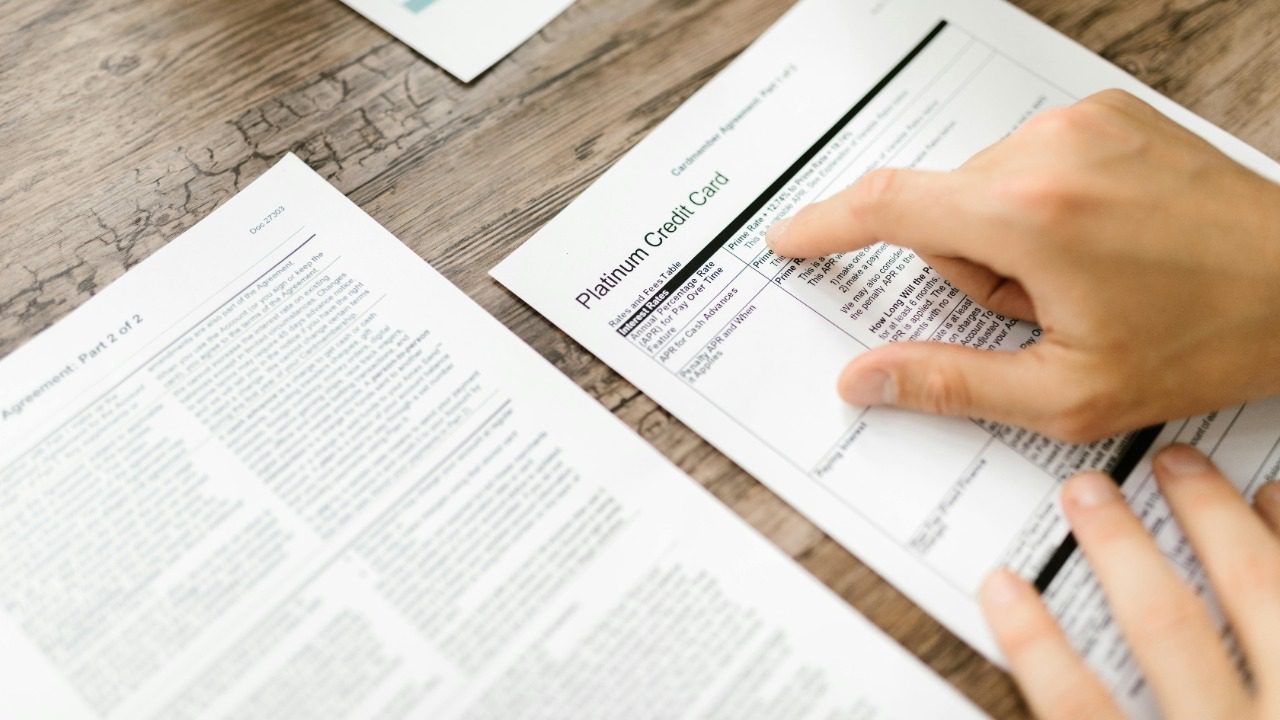
When your environment is cluttered, it’s easy for bills to get lost in the mess. This can lead to missed payment deadlines and subsequent late fees.
Imagine this scenario: your credit card bill is buried under a pile of unopened mail, and by the time you unearth it, the due date has passed, and you’re hit with a hefty late fee. A clutter-free space can help you stay on top of your bills and avoid these unnecessary charges. Regularly decluttering your mail and setting up a bill payment system can help prevent this.
3. Storage Costs
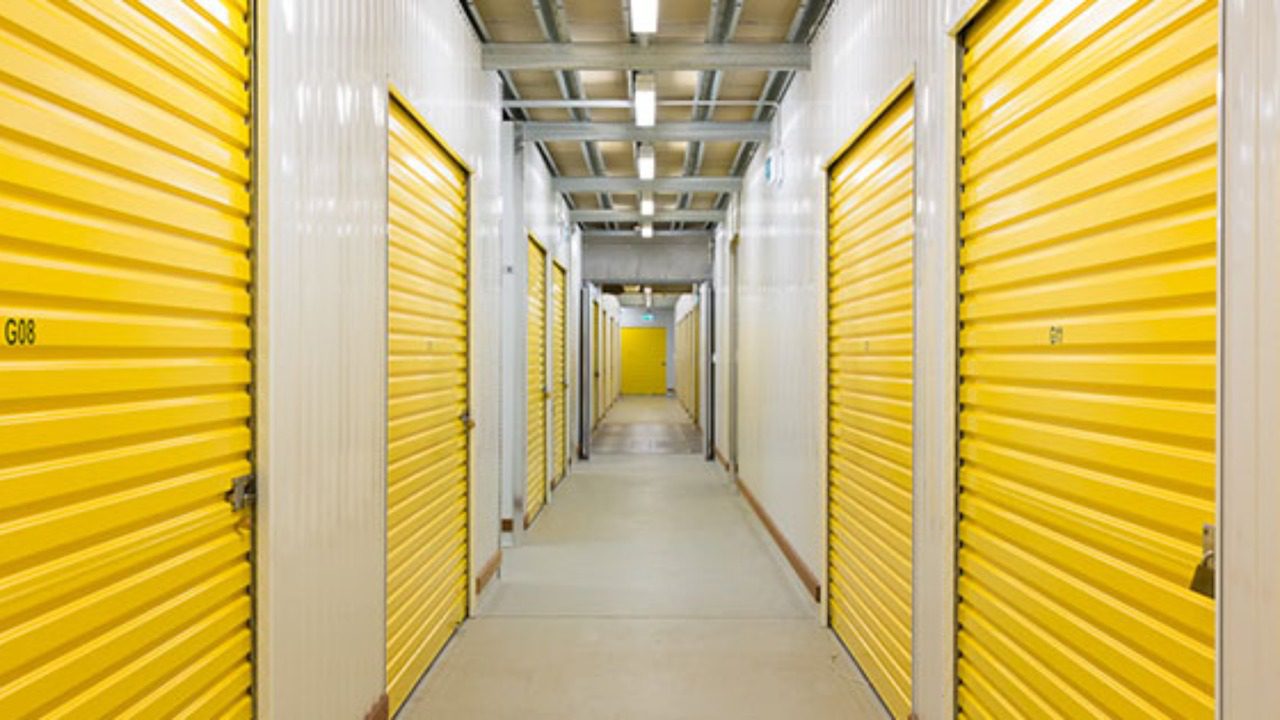
If your home is overflowing with clutter, you might be tempted to rent a storage unit. While this may seem like a good solution, it’s an ongoing expense that can add up over time.
Consider the average cost of a storage unit is around $100 a month. Over a year, that’s $1,200 spent just to store items that you probably don’t need or use. Rather than paying for extra storage, consider selling, donating, or recycling items you don’t need.
4. Decreased Home Value

Clutter can decrease the value of your home. When potential buyers see a cluttered, disorganized home, they may be less likely to make a reasonable offer.
Clutter makes rooms look smaller and less appealing. If you’re planning on selling your home, decluttering can make your space more attractive and potentially increase the sale price. Clearing out unnecessary items can also make your home feel more spacious and inviting to potential buyers.
5. Higher Grocery Bills

A cluttered kitchen can lead to higher grocery bills. When your pantry and fridge are overflowing, it’s hard to see what you have and what you need. This can result in duplicate purchases and wasted food.
For example, you might buy a bag of pasta, unaware that there are already three bags in your cluttered pantry. Or you might neglect to eat fruit before it spoils because it was hidden behind other items in your fridge. By decluttering and organizing your kitchen, you can save money on groceries and reduce food waste.
6. Stress-Related Health Costs

The stress of living in a cluttered environment can impact your health, potentially leading to increased medical costs.
Studies have shown a correlation between clutter and levels of the stress hormone cortisol.
High cortisol levels can lead to a variety of health issues, including heart disease, obesity, and diabetes. By decluttering, you can reduce your stress levels and potentially your health care costs as well.
7. Lower Productivity

When your workspace is cluttered, it can be hard to focus, leading to decreased productivity.
If you’re constantly having to stop what you’re doing to look for a misplaced document or office supply, you’re wasting valuable time that could be spent on more productive tasks. Over time, this can impact your job performance, potentially affecting your income.
8. Maintenance and Repair Costs

Clutter can lead to increased maintenance and repair costs. This is because items that are not properly stored or cared for are more likely to get damaged.
For instance, if you leave tools scattered around your garage, they may rust or get lost. If your clothes are piled on a chair instead of hung up, they may get wrinkled or damaged. By decluttering and properly storing your belongings, you can prevent unnecessary wear and tear and save money on replacement costs.
9. Unnecessary Upgrades
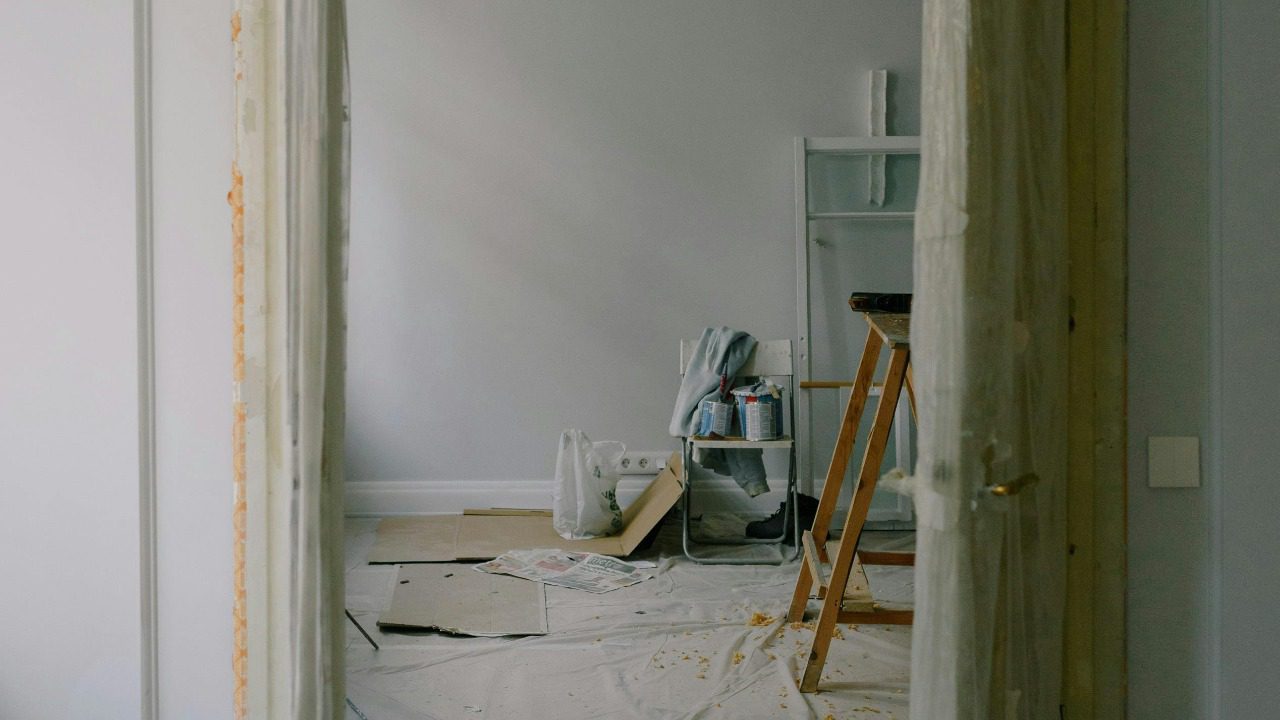
Clutter can make your home feel cramped and small, which may lead you to believe that you need a larger space.
You might feel tempted to move to a larger home or undertake costly renovations to create more space. However, oftentimes, decluttering and better organization can make your existing space feel larger and more functional.
10. Costly Quick Fixes
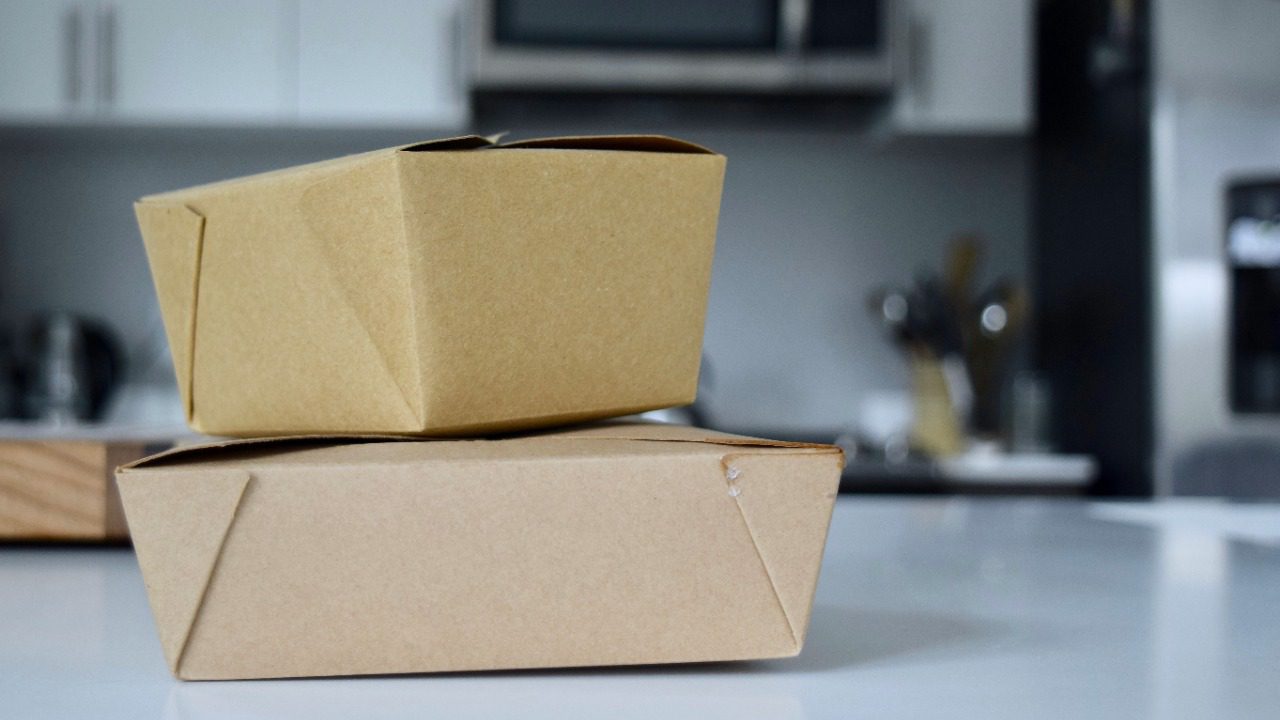
When we’re surrounded by clutter, we often resort to costly quick fixes to help manage the chaos.
For example, you might order takeout because your kitchen is too cluttered to cook in, or you might buy new clothes because you can’t find anything to wear in your overflowing closet. These quick fixes can add up over time, draining your wallet.
11. Impulse Purchases

When your belongings are disorganized, it’s easy to forget what you have and end up making impulse purchases.
You might buy a new pair of shoes, forgetting about the similar pair you bought last month but haven’t worn yet. Decluttering helps you keep track of your belongings and can prevent these impulse buys.
12. Lost Items
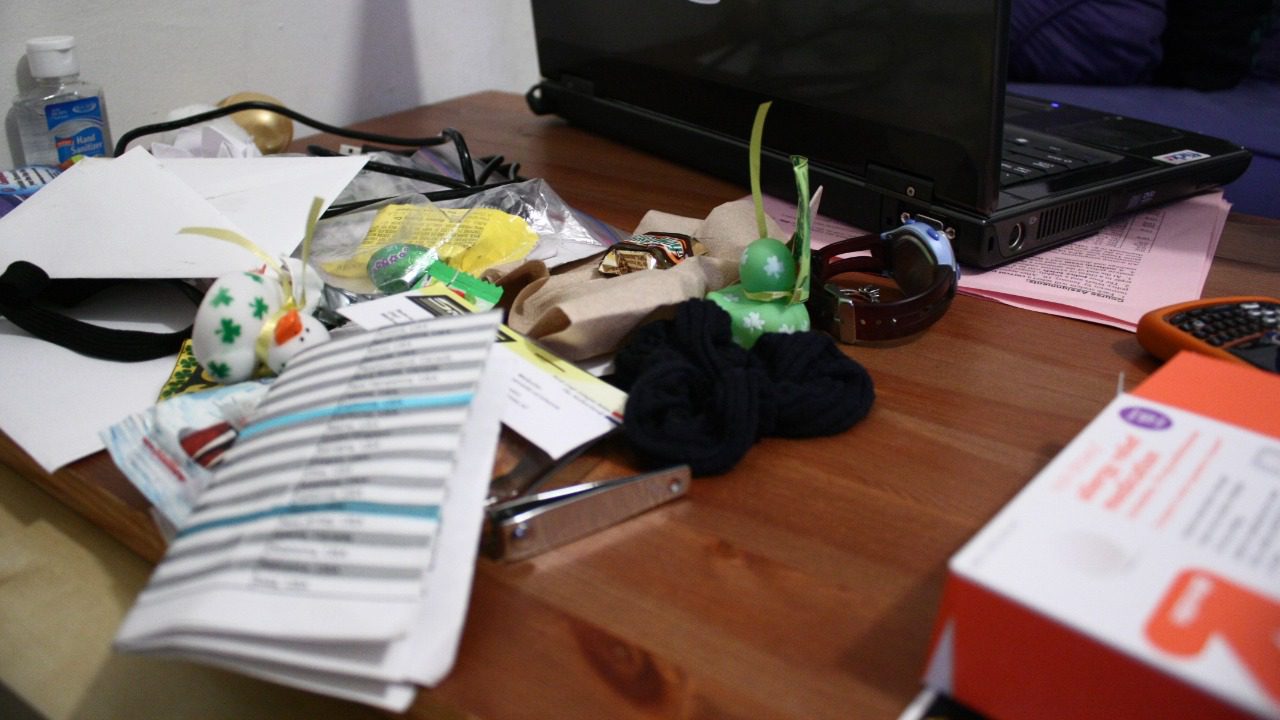
When you’re living in clutter, it’s easy to lose things. And lost items often need to be replaced, costing you money.
Whether it’s a lost pair of glasses, a misplaced phone, or a missing set of keys, replacing these items can be costly. Decluttering can help you keep track of your belongings and save you the cost of replacement.
13. Unredeemed Gift Cards or Checks

In a cluttered home, small items like gift cards or checks can easily get lost or forgotten.
You might receive a gift card or check, put it somewhere “safe,” and then forget about it amidst the clutter. This is essentially like throwing money away. By decluttering, you can keep track of these items and make sure you use them before they expire.
14. Missed Returns

If you’re not organized, you might miss the return window for items you’ve bought but don’t need or want.
You might purchase an item, decide it’s not right, but then forget to return it within the return window because it got buried in clutter. This can result in wasted money on unused items.
15. Reduced Quality of Life
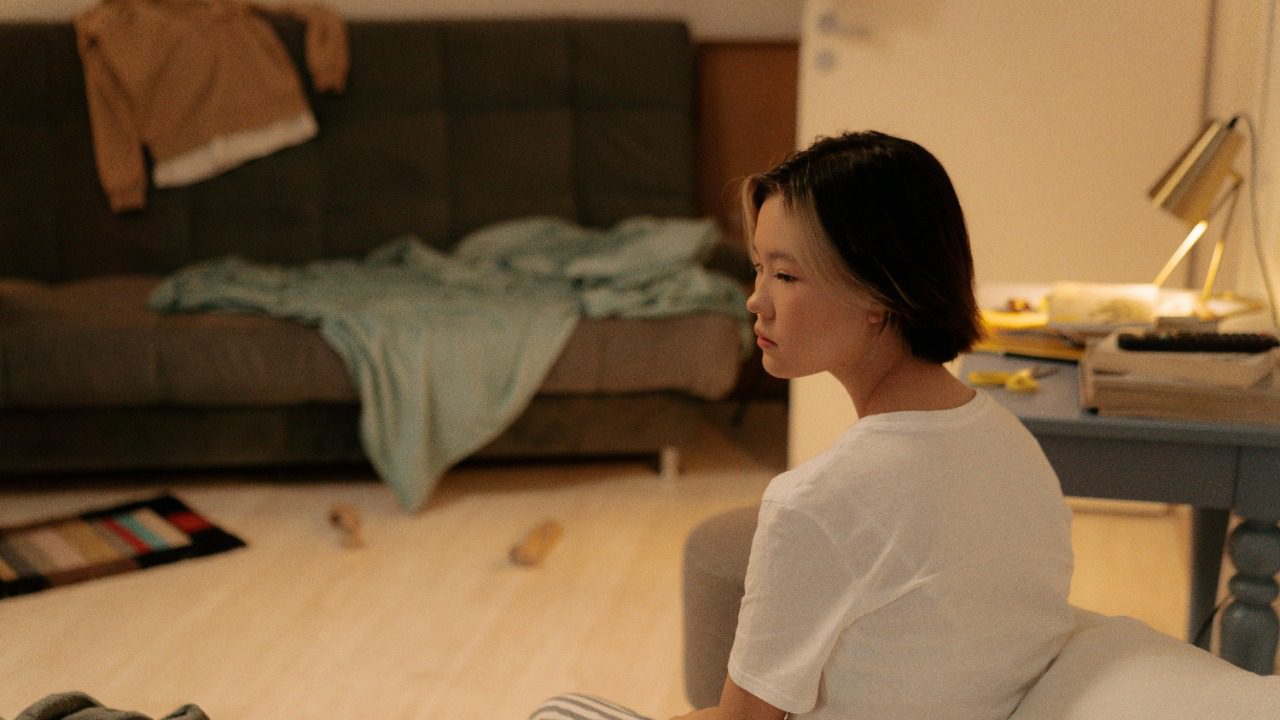
Lastly, clutter can reduce your quality of life, making your home less enjoyable and functional. It’s hard to put a price tag on this, but living in a cluttered home can add stress and frustration to your life.
By decluttering, you can create a space that is peaceful and functional, improving your overall wellbeing and saving you money in the long run.