We’ve all been there, looking around at our cluttered home or office desk and feeling overwhelmed. Clutter isn’t just unsightly; it can actually make our lives more difficult in ways we might not realize. While it can be a challenge to keep our spaces tidy and organized, understanding the impact clutter can have on our lives may motivate us to clear up the mess.
Let’s dive into 15 ways clutter makes life harder.
1. Clutter Wastes Time

Believe it or not, clutter can be a huge time waster. When our homes or offices are cluttered, we spend more time searching for things we need. This can lead to frustration and wasted time, both of which could be better spent on more productive tasks.
For instance, imagine you’re rushing to get to work in the morning, but you can’t find your car keys or your phone because they’re buried under a pile of clutter. This not only starts your day off on a stressful note, but it also causes you to lose valuable time you could have spent preparing for your workday. To prevent this, try to keep your space as organized as possible.
2. Clutter Causes Stress

Multiple studies have shown that a cluttered environment can lead to increased levels of stress and anxiety. When we’re surrounded by mess, our minds have a harder time focusing and can feel overwhelmed by the chaos.
Take your workspace, for example. If your desk is piled high with unorganized papers, you might feel a sense of dread every time you sit down to work. This can make it harder to concentrate and can even cause you to procrastinate more. To alleviate this stress, try implementing a system of organization in your workspace and make an effort to maintain it.
3. Clutter Impacts Sleep

Clutter doesn’t just impact us during our waking hours; it can also affect our sleep. In fact, a survey by the National Sleep Foundation found that people who sleep in cluttered rooms are more likely to suffer from sleep problems.
Imagine trying to sleep in a room filled with clothes, books, and other items strewn about. The mess could make it harder for you to relax and unwind, leading to poorer sleep quality. To help improve your sleep, try to make your bedroom a clutter-free zone.
4. Clutter Hinders Creativity
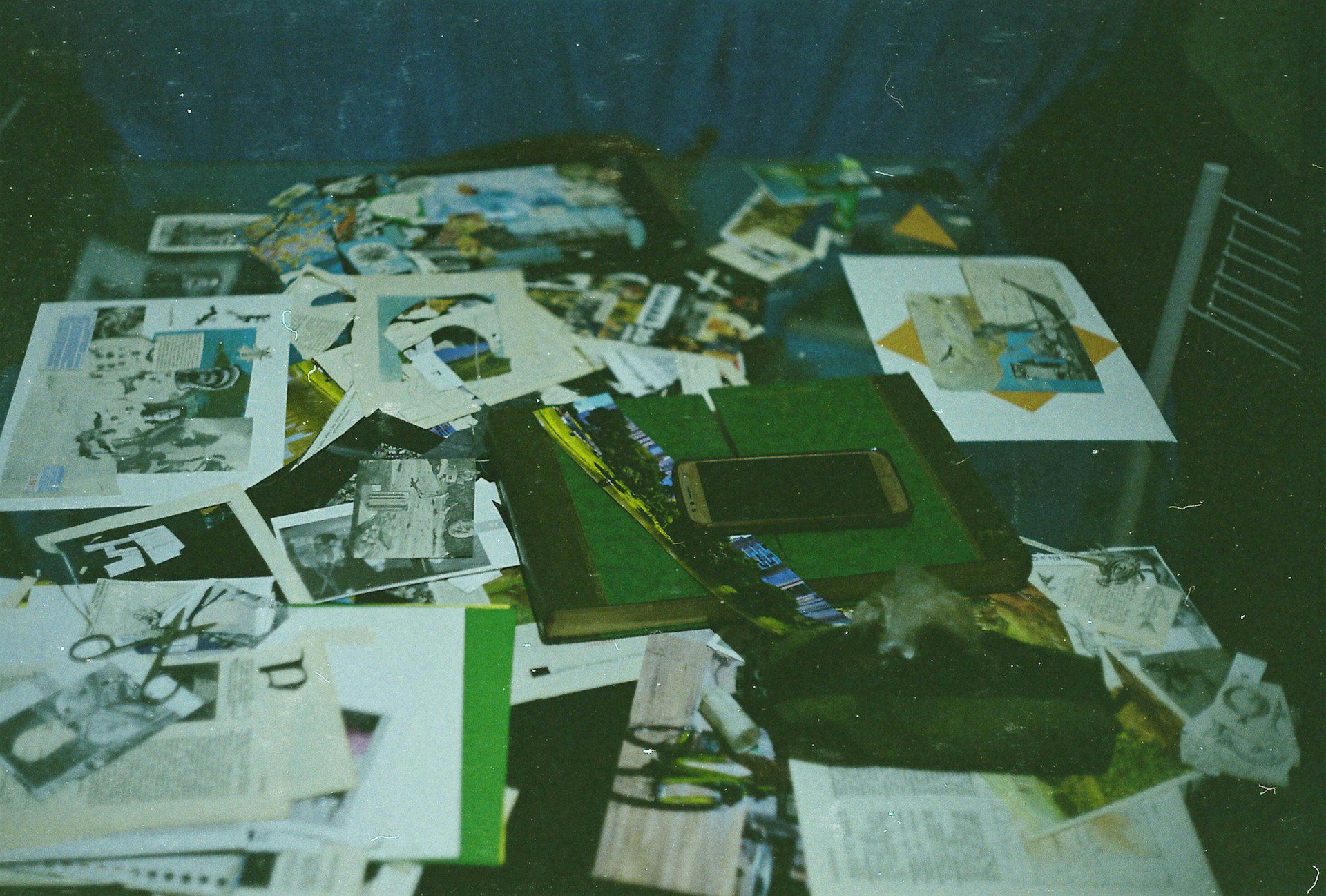
Creativity thrives in open and organized spaces. When we’re surrounded by clutter, it can stifle our creative flow by causing distractions and making it hard to focus.
For instance, if you’re an artist trying to work on a project, but your workspace is cluttered with unrelated objects, it can be hard to concentrate on your art. By keeping your workspace tidy and organized, you’re likely to find that your creative juices flow more freely.
5. Clutter Affects Your Relationships

Clutter can even impact your relationships. When your home is cluttered, it can cause tension and disagreements with your loved ones over the mess.
For example, if you live with a partner or roommate and your shared spaces are always cluttered, this can lead to arguments and resentment. To help maintain harmony in your relationships, try to keep shared spaces clean and organized.
6. Clutter Impacts Your Self-Perception

Clutter can also impact how you see yourself. When your environment is disorganized, it can make you feel less competent and in control.
Imagine walking into your home after a long day of work, only to be faced with a pile of clutter. This can make you feel overwhelmed and incompetent, which can lower your self-esteem. To help boost your self-perception, try to maintain a clean and organized living space.
7. Clutter Can Cause Financial Strain

Clutter can also take a toll on your finances. When you have too much stuff, you might end up buying items you already have because you can’t find them in the mess.
Imagine needing a specific tool for a home repair project, but you can’t find it amidst the clutter in your garage. Instead of spending time searching, you might just go out and buy a new one, leading to unnecessary expenses. To avoid this, try to keep your belongings organized and easy to find.
8. Clutter Complicates Decision Making

Having too many options can make it difficult to make decisions, and clutter is essentially an overload of options. This can make even simple decisions feel overwhelming.
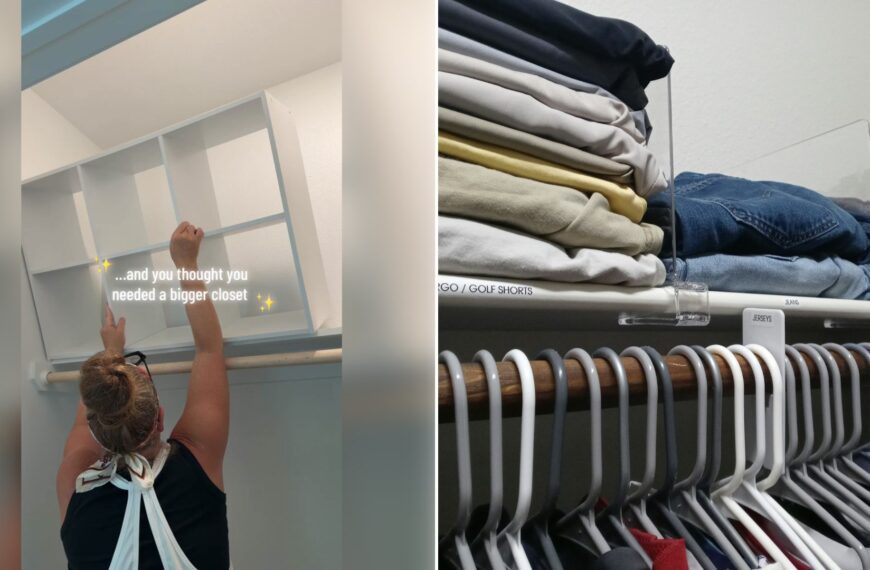
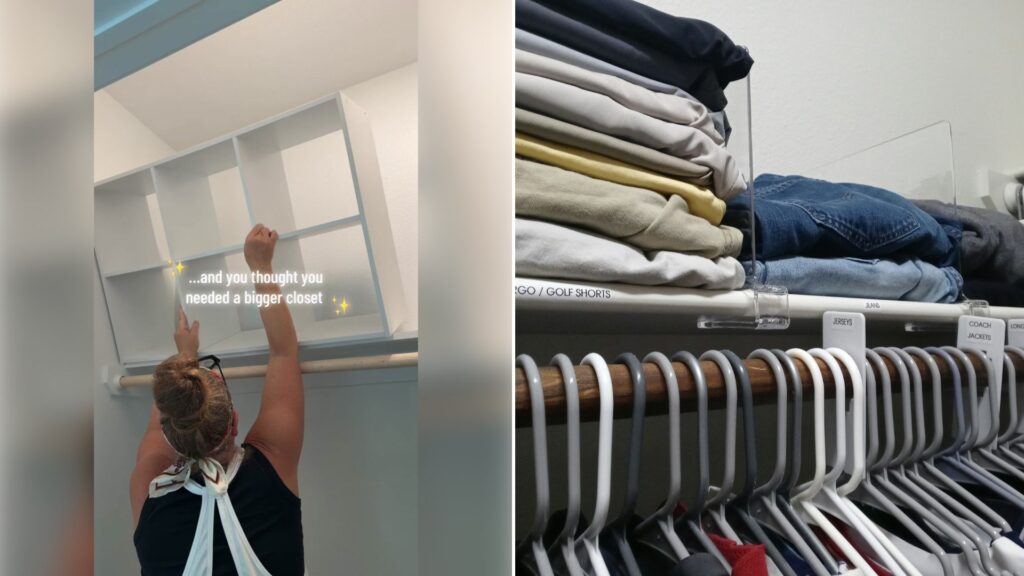
For example, if your closet is filled with clothes, it can be hard to decide what to wear in the morning. By decluttering your closet and only keeping items you love and wear regularly, you can simplify your morning routine.
9. Clutter Can Lead to Unhealthy Eating

Research has suggested that cluttered kitchens lead to more snack consumption. It can be hard to focus on preparing a healthy meal when your kitchen is a mess.
Imagine trying to cook a healthy dinner, but your countertops are covered with dishes and food items. The mess could discourage you from cooking and lead you to order takeout instead. To help encourage healthier eating habits, try to keep your kitchen clean and organized.
10. Clutter Distracts from Important Things

When you’re constantly dealing with clutter, it can distract you from the important things in life. Instead of spending time with loved ones or pursuing hobbies, you’re stuck managing the mess.
For instance, you might want to spend your Saturday afternoon playing with your kids or reading a book, but instead, you have to spend hours cleaning and organizing. By keeping your home clutter-free, you can free up more time for the things you love.
11. Clutter Creates a Negative Environment

Clutter can create a negative environment by contributing to feelings of stress and dissatisfaction. It can also make your home or workspace feel smaller and more confined.
Imagine trying to relax in your living room, but instead of feeling calm and comfortable, you feel cramped and stressed due to the clutter. By maintaining a clean and organized space, you can create a more positive and relaxed environment.
12. Clutter Makes Cleaning More Difficult

When your home is cluttered, cleaning becomes a much more daunting task. Instead of just being able to clean, you first have to spend time decluttering.
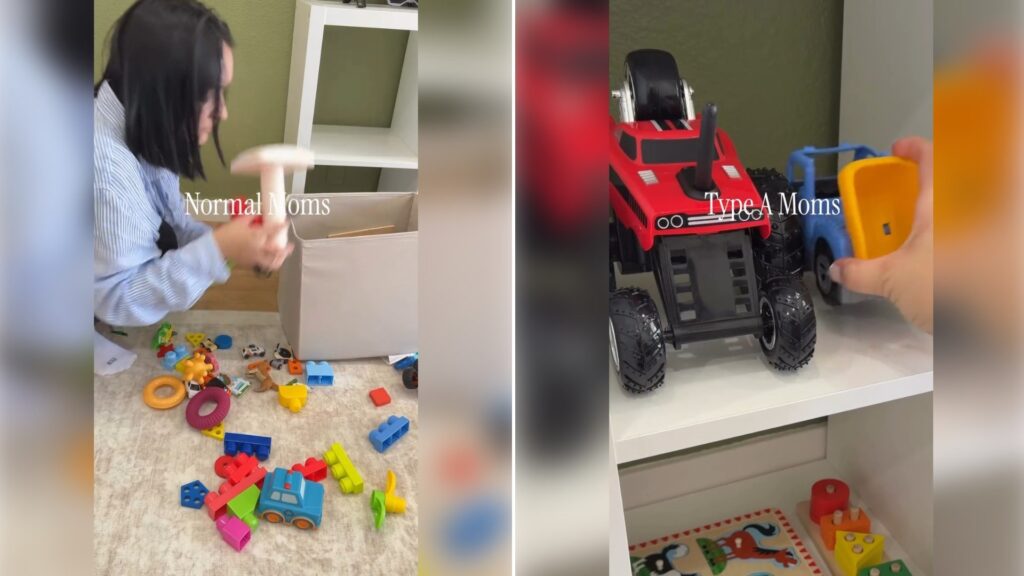
For example, if you want to vacuum your living room, but there are toys, clothes, and other items strewn about, you’ll have to spend time picking everything up before you can even start vacuuming. By keeping your home tidy, cleaning can become a much simpler and quicker task.
13. Clutter Can Make You Feel Trapped

Living in a cluttered space can make you feel trapped and overwhelmed. It can make it hard to relax and enjoy your home.
Imagine wanting to invite friends over for dinner, but feeling embarrassed about the state of your home. This can make you feel trapped in your own space, unable to enjoy it fully. By decluttering your home, you can feel more comfortable and relaxed in your own space.
14. Clutter Can Lead to Procrastination

When faced with a cluttered space, it’s easy to feel overwhelmed and put off dealing with it. This can lead to procrastination and make the problem even worse.
For instance, if your office desk is cluttered with papers and files, you might feel overwhelmed and put off tackling the mess. This can make it hard to get your work done and can lead to even more stress. By taking small steps to declutter your space, you can help decrease procrastination.
15. Clutter Can Affect Your Physical Health

Finally, clutter can even impact your physical health. Research has linked cluttered homes to increased levels of the stress hormone cortisol. This can lead to a variety of health issues, including weight gain, sleep problems, and even heart disease.
Imagine living in a cluttered home and constantly feeling stressed and overwhelmed. Over time, this can take a toll on your physical health. To help protect your health, try to maintain a clean and organized living space.