We all dream of having a spacious, airy home. But not all of us have the luxury of living in a mansion. With urban living and the rise in small, compact apartments, it’s important to get creative in making our homes feel more spacious without breaking walls or undergoing massive renovations. Here, I will share the 15 ways I’ve successfully made my own home feel larger and airier, without any major structural changes – and you can do it too!
1. Use Mirrors Strategically
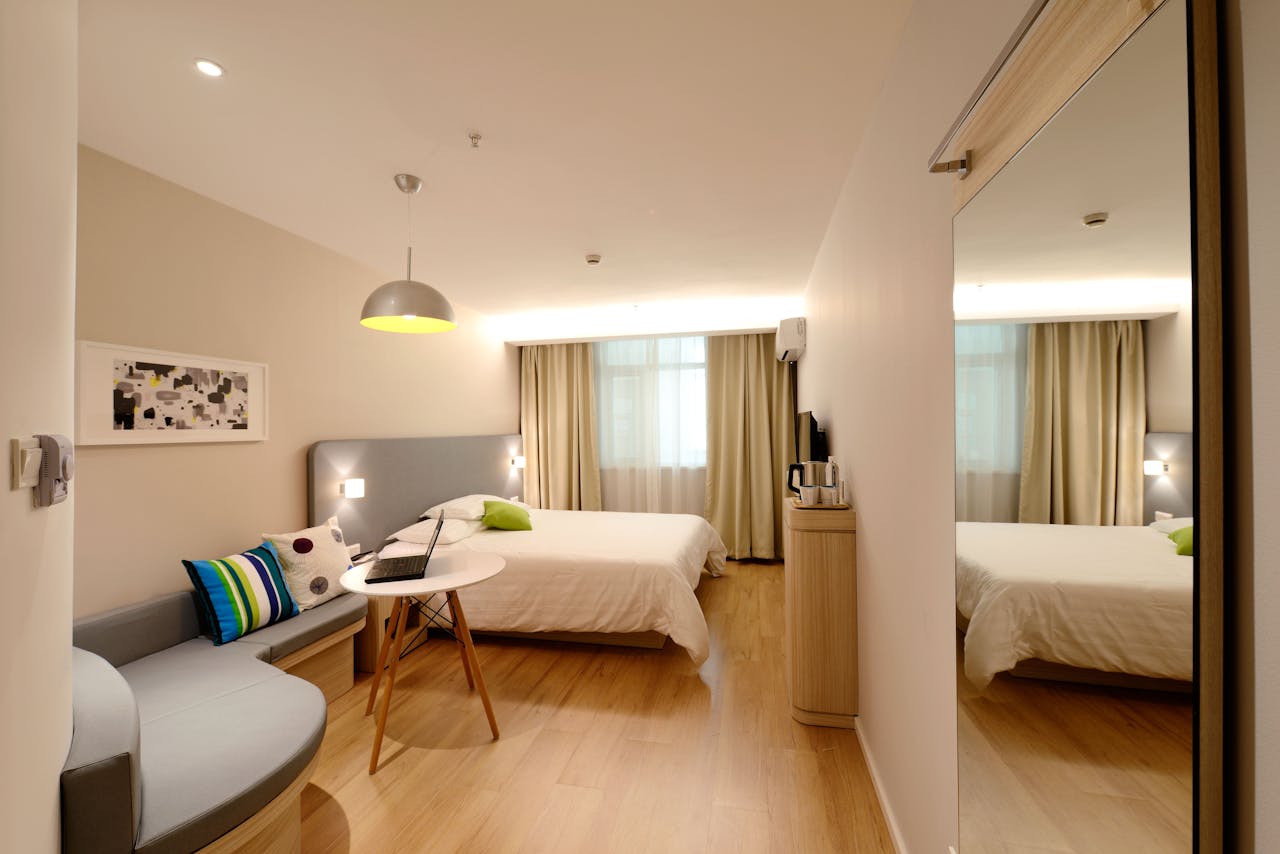
Mirrors are a fantastic way to make any space feel larger. They reflect light, making the room brighter and seemingly more spacious. For maximum effect, place a large mirror opposite a window to reflect natural light throughout the room, or behind a piece of furniture to create the illusion of depth.
There are many creative ways to use mirrors. For instance, a mirrored wall can virtually double the size of a room. A mirrored backsplash in the kitchen not only adds depth, but also adds a modern, stylish touch. And if a large mirror is out of your budget, a gallery wall of smaller mirrors can achieve a similar effect.
2. Choose Furniture with Built-in Storage
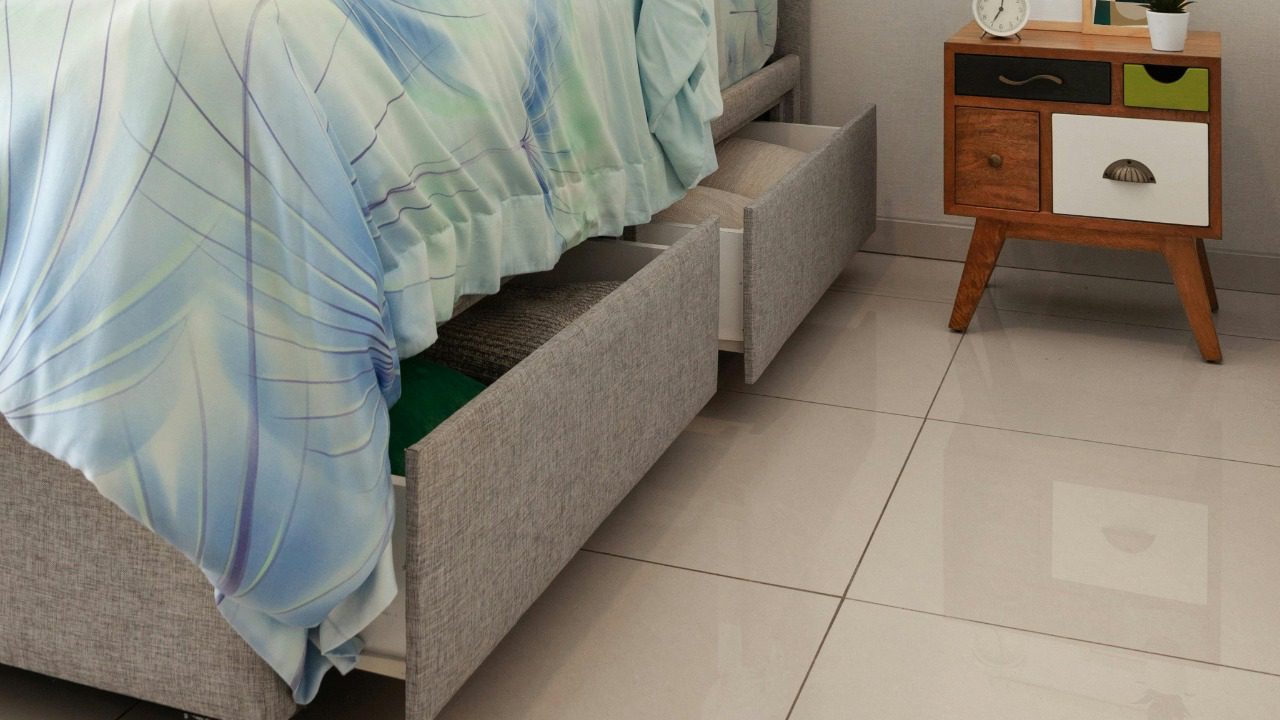
Furniture with built-in storage is a godsend for smaller homes. It allows you to store away items that would otherwise clutter your living space, making it feel cramped. A storage ottoman can hold blankets or magazines, a bed with drawers underneath can store clothes or linens, and a coffee table with shelves can hold books or remotes.
The key is to choose pieces that suit your style and the size of your space. A large, bulky storage bed might overwhelm a small bedroom, while a sleek platform bed with hidden drawers can offer the same storage without taking up visual space. Remember, it’s not just about adding storage – it’s about reducing visual clutter.
3. Opt for Multi-functional Furniture
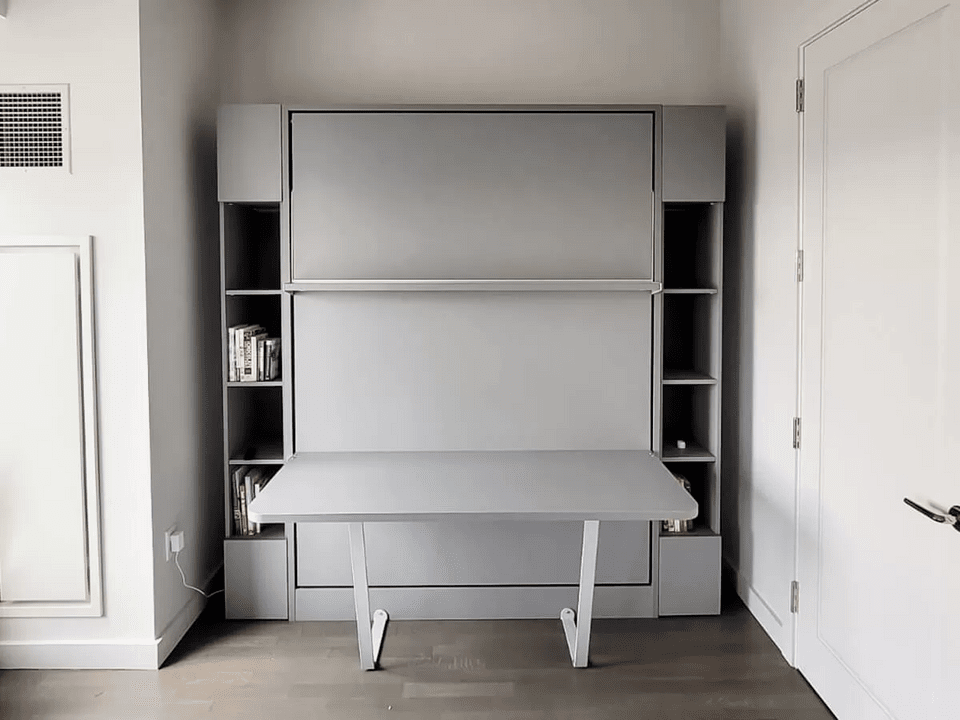
Just as furniture with built-in storage can save space, multi-functional furniture can make your home feel larger by serving multiple purposes. A sofa bed can function as a guest bed when needed, a desk can double as a dining table, and a storage ottoman can serve as extra seating when you have guests.
Multi-functional furniture isn’t just practical – it can also be stylish. Look for pieces that blend seamlessly into your decor when not in use. For instance, a Murphy bed can be disguised as a bookshelf or a cabinet, and a foldable desk can look like a simple wall shelf when not in use.
4. Use Light, Neutral Colors
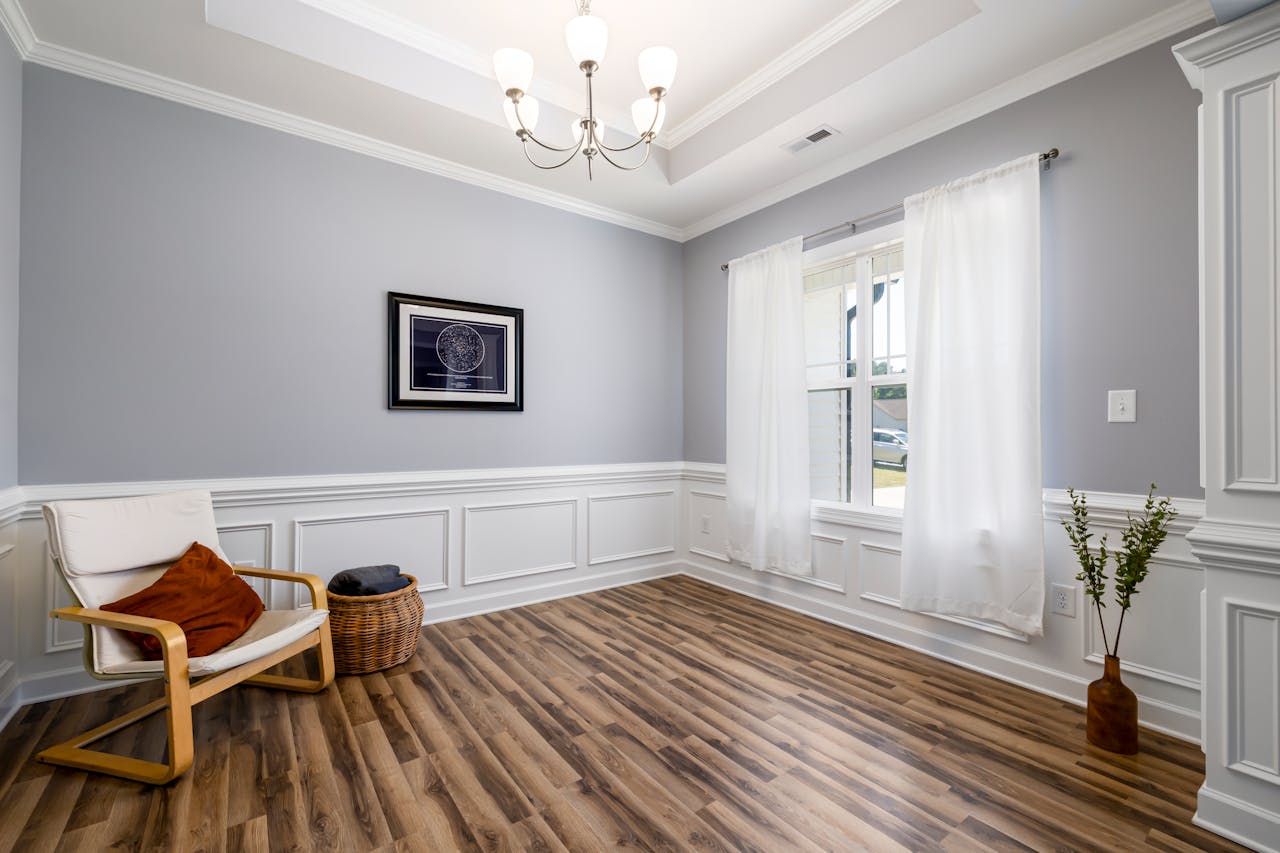
Light, neutral colors can make a room feel larger and brighter. They reflect light better than dark colors, and they create a visually calming environment that feels more spacious. Consider painting your walls in shades of white, beige, or light gray, and use similar tones for your large pieces of furniture.
This doesn’t mean your home has to be devoid of color. Add pops of color through smaller decor items like pillows, rugs, or artwork. These can be easily changed out to refresh your space without the commitment of painting or buying large furniture.
5. Keep the Floor Visible

A visible floor can do wonders for making a room feel more spacious. It creates a sense of continuity and flow, which can make the room feel larger. To achieve this, opt for furniture with legs, which raises them off the floor and allows the eye to move around the room more easily.
You can also use clear or glass furniture, which takes up less visual space. For instance, a glass coffee table or clear acrylic chairs can make your living room feel larger. And don’t forget about your rug – a too-small rug can make the room feel cramped, while a larger rug can create the illusion of more space.
6. Declutter Regularly

A cluttered space can feel cramped and small, no matter how large it actually is. Regular decluttering can make your home feel more spacious by reducing visual noise. Make it a habit to go through your items and get rid of anything you don’t need or love.
Decluttering doesn’t have to be a daunting task. Start small, with one drawer or one shelf, and work your way up. And remember, it’s not about getting rid of everything – it’s about curating a space that feels good to you.
7. Use Vertical Space

Vertical space is often overlooked in home decor, but it’s a great way to make your home feel more spacious. By drawing the eye upwards, you create the illusion of higher ceilings and more space. This can be achieved by hanging shelves, artwork, or mirrors high on the walls, or by using tall furniture like bookshelves or wardrobes.
Don’t forget about the top of your cabinets or fridge – these are great places to store or display items. And if you’re feeling adventurous, consider installing a loft bed or a hanging chair to really take advantage of your vertical space.
8. Create Distinct Areas in Open Spaces

Open floor plans can feel spacious, but they can also feel overwhelming if not properly divided. Creating distinct areas for different activities can make the space feel more organized and purposeful. This can be achieved by using rugs, furniture placement, or different wall colors to delineate the areas.
For instance, you could use a large rug to define your living room area, and a smaller rug for your dining area. Or, you could use a bookshelf as a room divider to separate your work area from your relaxation area. The key is to create a sense of flow and balance, without making the space feel crowded or cluttered.
9. Opt for Sliding Doors

Sliding doors, whether for your wardrobe, bathroom, or as room dividers, are a great space-saving solution. They don’t require the swing space that traditional doors do, which means you can use that space for something else. Plus, they add a modern, sleek touch to your decor.
If you’re feeling creative, you can even make your own sliding barn door. There are plenty of DIY tutorials online, and you can customize the door to fit your style and space. Just make sure to install a proper track system to ensure the door slides smoothly and safely.
10. Use Large Rugs
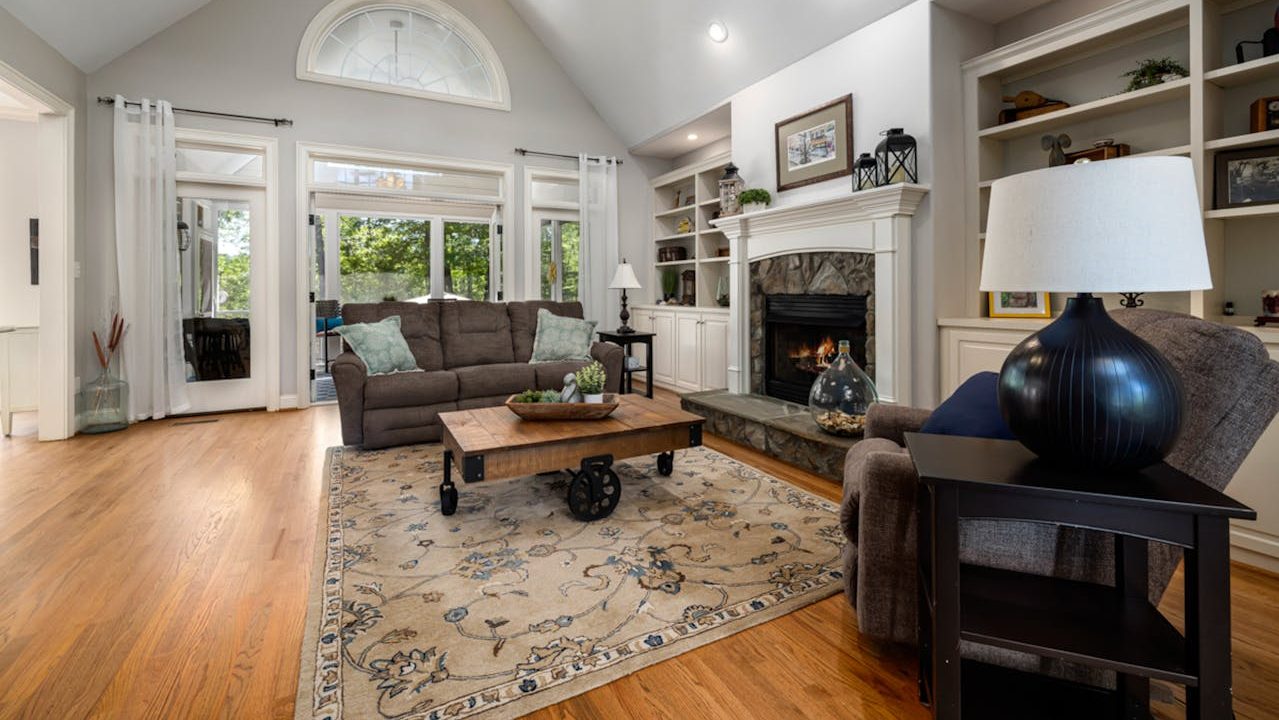
Contrary to popular belief, small rugs can actually make a room feel smaller, not larger. A large rug, on the other hand, can create the illusion of more space by grounding the furniture and unifying the room. Try to choose a rug that’s large enough to fit under all your furniture, or at least the front legs.
When choosing a rug, consider the color and pattern. Lighter colors and simple patterns can make the room feel more spacious, while darker colors and complex patterns can make it feel cozier. And remember, a rug should enhance your decor, not overpower it.
11. Keep Your Windows Unobstructed

Natural light is one of the best ways to make a room feel larger and airier. Keep your windows unobstructed to let in as much light as possible. Avoid heavy, dark curtains and opt for light, sheer ones instead. Or, if privacy isn’t an issue, consider forgoing curtains altogether.
If you don’t have many windows, or if they’re small, consider using mirrors or shiny surfaces to reflect the light and brighten the room. You can also use artificial lighting to mimic natural light – just make sure to choose lights with a warm, soft glow, rather than harsh, bright ones.
12. Hang Curtains High and Wide

Another trick to make your room feel larger is to hang your curtains high and wide. This creates the illusion of taller windows and more space. The top of your curtains should be close to the ceiling, and the sides should extend beyond the window frame.
When choosing curtains, opt for light, airy fabrics that let in natural light. Avoid heavy, dark fabrics that can make the room feel smaller. And remember, the color and pattern of your curtains should complement the rest of your decor, not overpower it.
13. Use Lighting Strategically
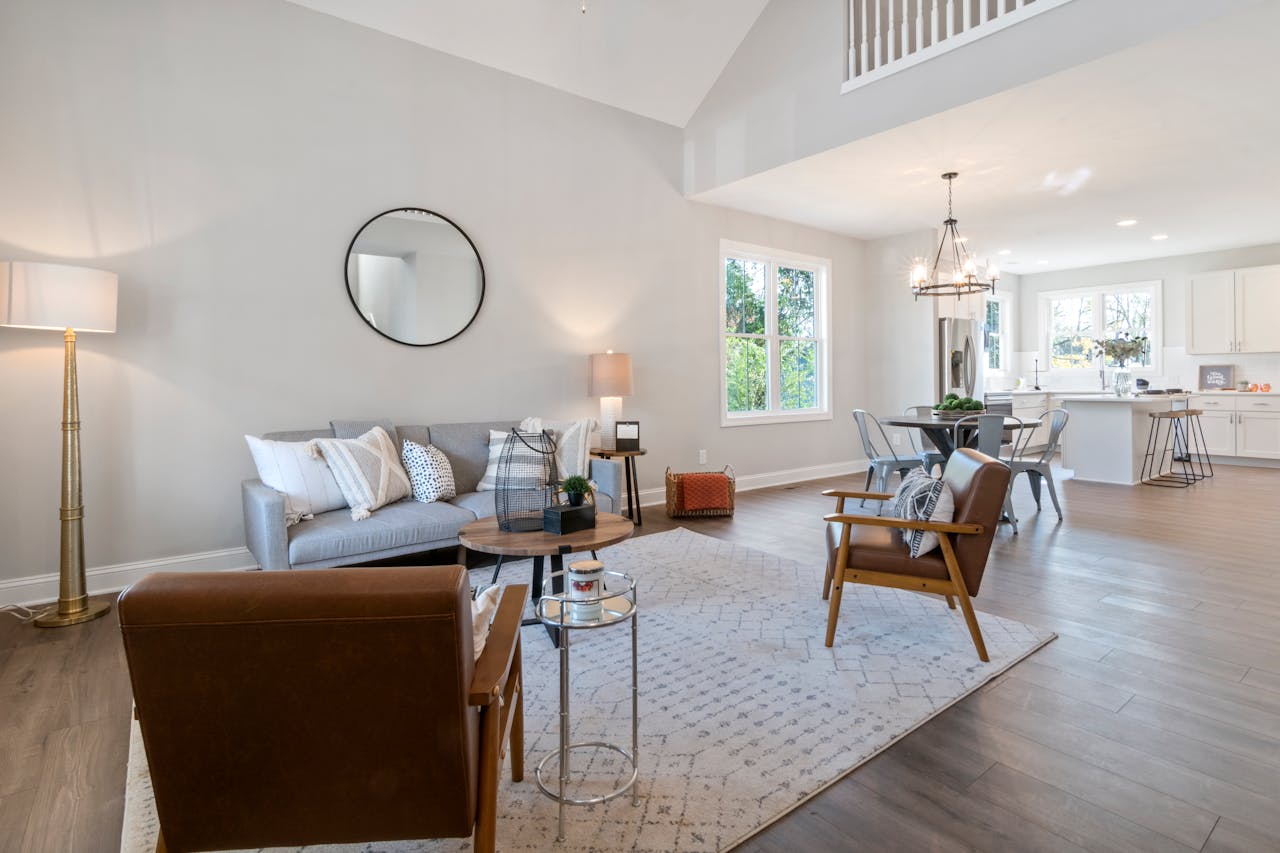
Lighting can make or break a room. It can make a small room feel cozy and intimate, or it can make a large room feel cold and impersonal. To make your home feel more spacious, use multiple light sources at different levels. This creates depth and makes the room feel larger.
For instance, you could use a combination of ceiling lights, floor lamps, table lamps, and wall sconces to create a layered lighting scheme. And don’t forget about natural light – it’s the best kind of light for making a room feel airy and spacious.
14. Keep Your Decor Simple

When it comes to making your home feel more spacious, less is more. Too many decor items can make a room feel cluttered and small. Keep your decor simple and purposeful. Choose a few key pieces that you love, and let them shine.
This doesn’t mean your home has to be minimalist. It just means being mindful of what you bring into your space, and making sure it adds value and joy. Remember, your home is a reflection of you – it should feel good to you, not just look good to others.
15. Use Plants to Create a Sense of Depth
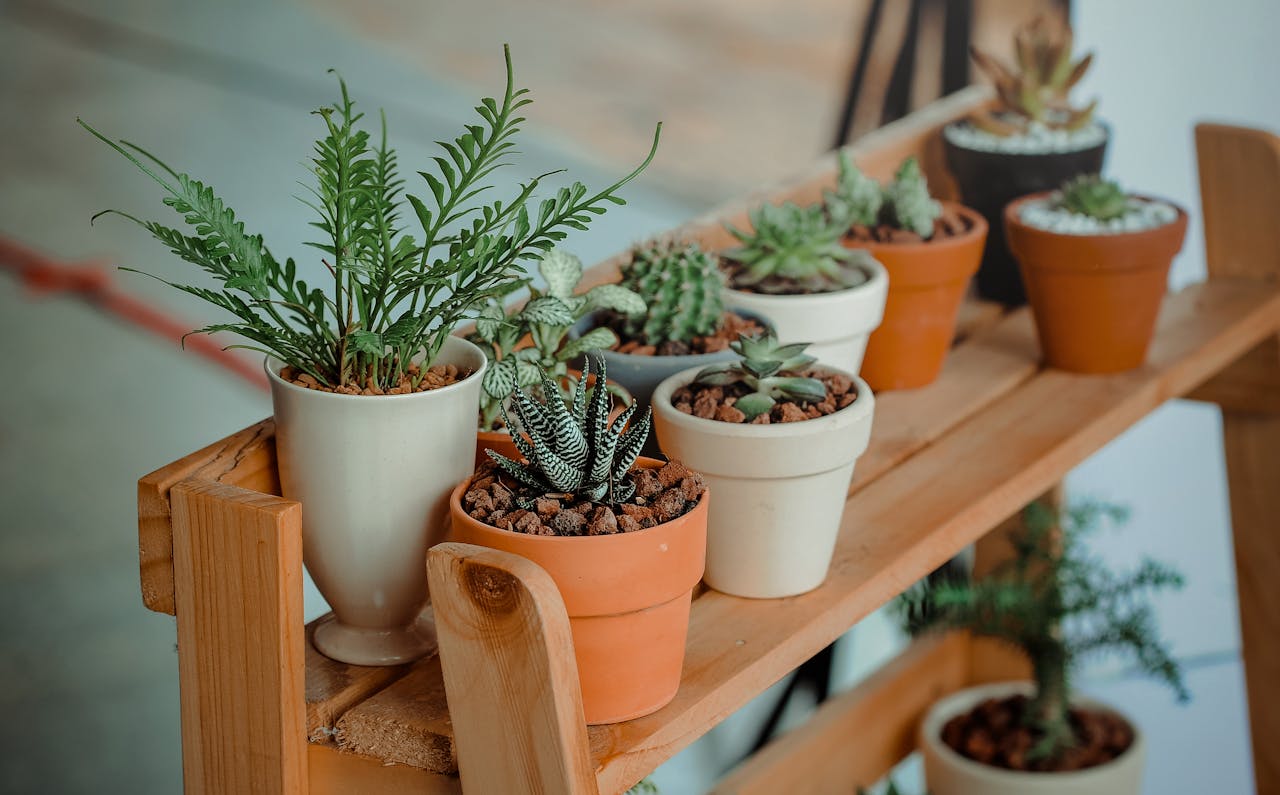
Last but not least, plants are a great way to make your home feel more spacious. They add color and life, and they can create a sense of depth when placed strategically. For instance, a tall plant in a corner can draw the eye upwards, making the room feel taller.
If you don’t have a green thumb, don’t worry. There are plenty of low-maintenance plants that can survive with minimal care. Or, you could opt for faux plants – they may not have the same air-purifying benefits, but they can still add a touch of greenery and make your space feel more spacious.