
Deciding whether to keep or sell an investment or business can feel overwhelming. You need to weigh many factors, from financial performance to market conditions, before making a choice that fits your goals and circumstances.
This article will guide you through key ways to evaluate those decisions, helping you understand when holding on or letting go makes the most sense for your situation. With clear insights, you’ll feel more confident about navigating this important process.
Analyze current market conditions

You should start by looking at the overall economy. Factors like interest rates, employment levels, and inflation affect property values and demand.
Next, consider how different sectors are performing. Some markets are cyclical, meaning they rise and fall regularly, while others stay steady.
Keep an eye on local trends too. Neighborhood development, supply and demand, and buyer interest can influence whether you keep or sell your property.
Evaluate property demand and supply

You should start by checking how many similar properties are available in your area. If supply is low but demand is high, your property might sell quickly and at a good price.
On the other hand, too many available homes can make it harder to sell or reduce your property’s value. Keep an eye on local market trends and any shifts in buyer interest to make an informed decision.
Assess financing availability and costs

Before deciding to keep or sell, check what financing options you have. Look at loans, bonds, or other funding sources you might access.
Consider both the cost of borrowing and how easy it is to get the funds. High costs or limited availability could affect your decision.
Make sure the financing fits your business goals and doesn’t create extra risks. This helps you choose the option that supports your growth best.
Calculate potential cash flow

To evaluate a keep-or-sell decision, start by estimating the potential cash flow from the asset. Calculate the expected cash inflows, such as income or savings, and subtract any cash outflows like maintenance or operating costs.
Focus on the net cash flow you would actually receive over a relevant period. This helps you see if keeping the asset generates more cash than selling it would.
Compare short-term vs long-term returns

When you look at short-term returns, you’re focusing on gains or losses within a year. These can be quick but often come with higher risks and taxes.
Long-term returns occur over more than one year. They tend to be steadier and may benefit from lower tax rates.
Think about your financial goals. If you want faster results, short-term might fit. For steady growth and less stress, long-term investing usually works better.
Review personal debt impact

You should start by looking at how your current debt affects your financial flexibility. High debt levels can limit your ability to take on new expenses or investments.
Check the interest rates on your debts. Reducing or consolidating high-interest debt might improve your cash flow and make holding or selling an asset easier.
Consider how much your debts influence your monthly budget. If debt payments weigh heavily, selling might free up money and reduce stress.
Consider property appreciation trends
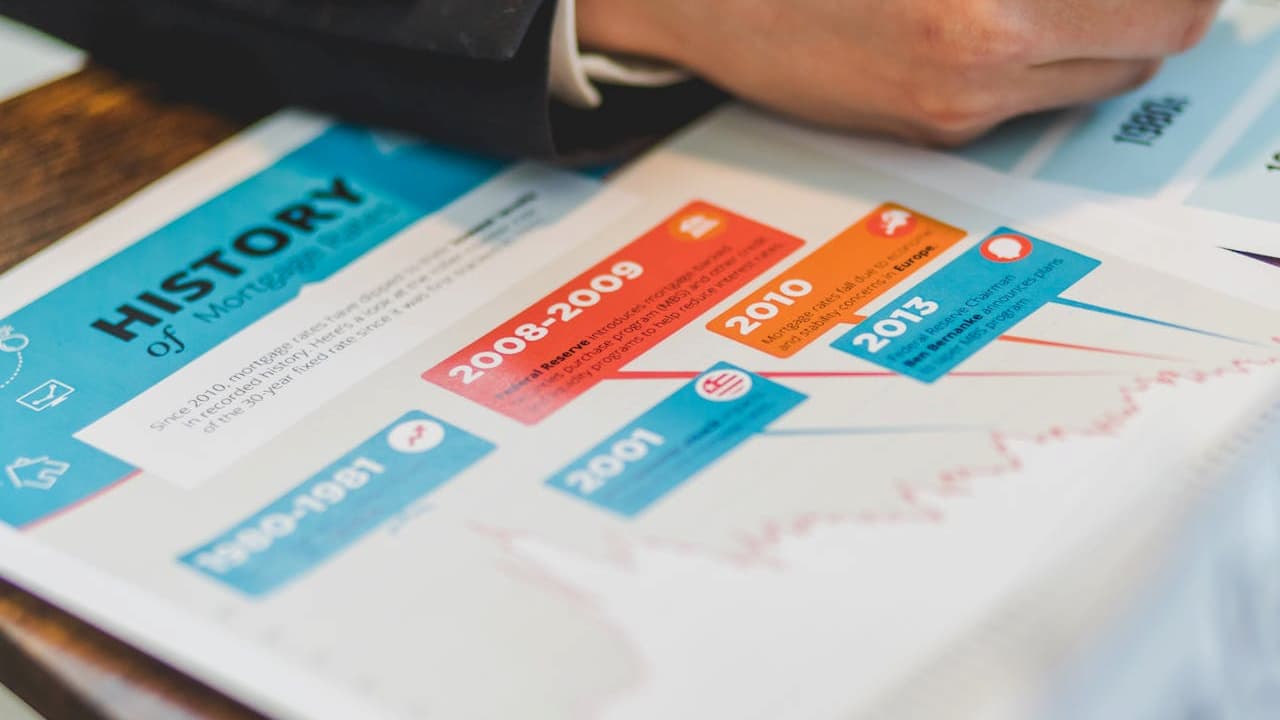
Look at how your property’s value has changed over time. If it’s in an area with strong economic growth and good infrastructure, appreciation is more likely to continue.
Keep an eye on local market reports and compare your property’s price changes to the neighborhood.
If appreciation is slowing or the area faces challenges like declining population, it might be time to rethink holding on to the property.
Estimate carrying costs and mortgage payments
You need to total your carrying costs to understand the financial impact of keeping your property. These include home insurance, utilities, property taxes, and maintenance expenses.
Don’t forget to factor in your monthly mortgage payments. Adding these together gives a clearer picture of the ongoing costs you’ll face if you decide to hold onto the property.
Knowing these numbers helps you compare the cost of keeping the home versus selling it. It’s a practical step in making a balanced decision.
Examine tax implications

You should start by understanding how taxes affect your potential sale. Capital gains tax often applies, especially if you’ve owned the asset for more than a year, usually at a lower rate than ordinary income tax.
Consider the type of sale, like asset versus equity sales, as they impact your tax outcome differently. Planning ahead can help you reduce your tax burden and keep more of your proceeds. Consulting a tax advisor is a smart move to navigate complex rules.
Forecast economic and industry shifts
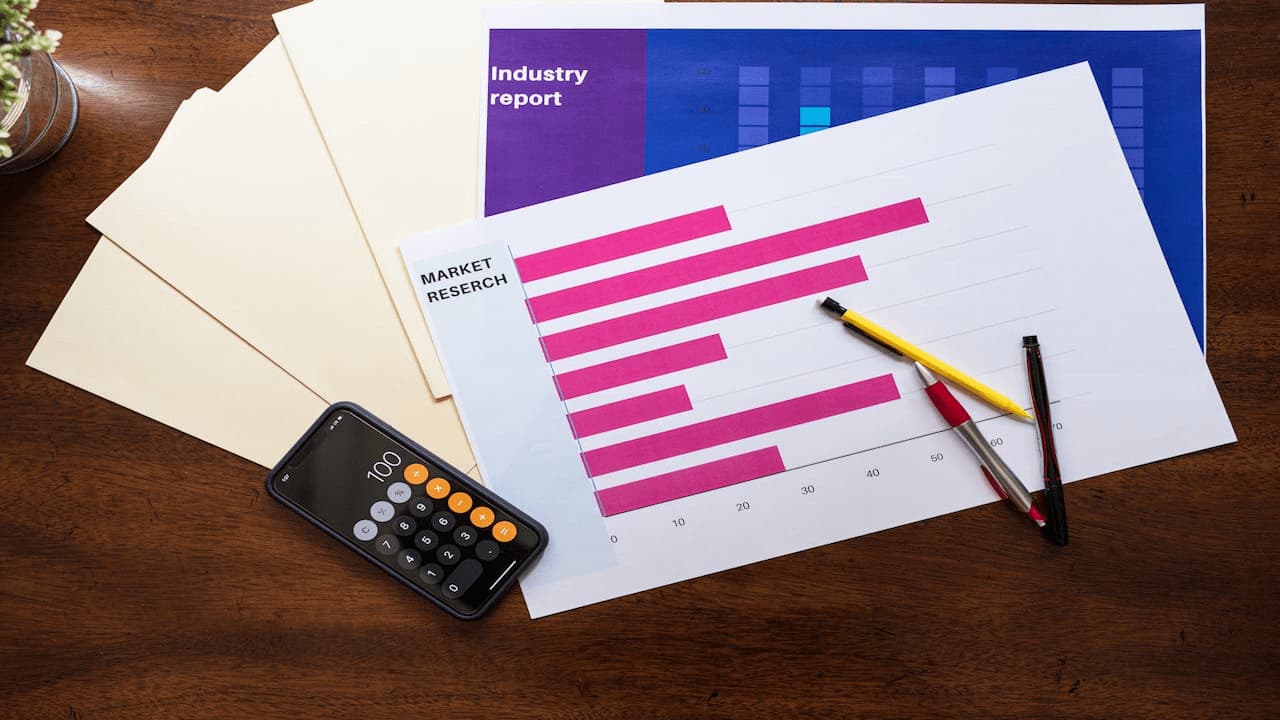
You should keep an eye on economic trends that affect your market. Changes in interest rates, consumer behavior, and regulations can impact your decision to keep or sell.
Look at industry-specific indicators too. Shifts in demand, technology, or competition might change the value or potential of what you own.
Using forecasts helps you plan ahead. It lets you adjust your strategies based on likely future conditions rather than just current facts.
Reflect on emotional attachment

When deciding whether to keep or sell, recognize how much emotional attachment influences you. Your connection might make it harder to see the situation clearly.
Try to identify what memories or feelings are tied to the item or property. This can help you understand why letting go feels difficult.
Remember, emotional attachment is natural but can cloud judgment. Acknowledging it allows you to make more balanced decisions based on both feelings and facts.
Weigh risks against expected profits

When deciding whether to keep or sell, start by looking at the potential profits you expect to gain. Compare these profits to the risks involved, like market changes or unforeseen costs.
Think about how likely those risks are and how much they could affect your bottom line. This helps you balance potential rewards against possible losses.
By focusing on both sides, you can make a clearer, more confident decision about what to do next with your asset.
Consider alternative options like renting

Before deciding to sell, think about renting your property. Renting can provide steady income and might fit your financial goals better.
You can explore different renting strategies, such as long-term leases or short-term rentals, depending on your lifestyle and market demand.
Renting also lets you keep the property while waiting for the right selling opportunity. This can be especially helpful if the market isn’t favorable right now.
Evaluate impact on family and relationships

When deciding to keep or sell, think about how the choice will affect your family dynamics. Business decisions can change relationships, so consider any possible stress or conflicts that may arise.
You should also reflect on how involved each family member wants to be with the business. Clear communication helps prevent misunderstandings and supports stronger connections.
Remember, keeping the business might support family unity, but selling could ease tensions or free up time for personal priorities.
Review exit strategy readiness

You need to assess if your exit plan aligns with your personal goals and your business’s current value. This helps clarify whether it’s the right time to sell or keep your business.
Consider your financial situation and the impact of different exit options. Make sure your chosen strategy supports a smooth transition and meets your future needs.
Checking readiness also means understanding your market and the potential buyers or successors. This gives you confidence to make an informed decision about keeping or selling.