Saving money on groceries can feel challenging, especially when you don’t want to rely on clipping coupons. You probably want practical ways to keep your food budget in check without spending extra time searching for deals.
The good news is you can cut your grocery costs with smart habits and simple strategies that don’t involve coupons. This article will guide you through easy tips to make your money go further every time you shop.
Buy frozen vegetables in bulk at Costco or BJ’s

Buying frozen vegetables in bulk can save you money. Stores like Costco and BJ’s offer larger packages at lower prices per ounce.
You can portion and freeze the veggies yourself. This helps reduce waste and means you always have fresh options on hand.
Even if you live alone, freezing smaller servings makes bulk buying practical. It’s a simple way to cut your grocery bill without sacrificing quality.
Use a grocery rewards credit card for cashback
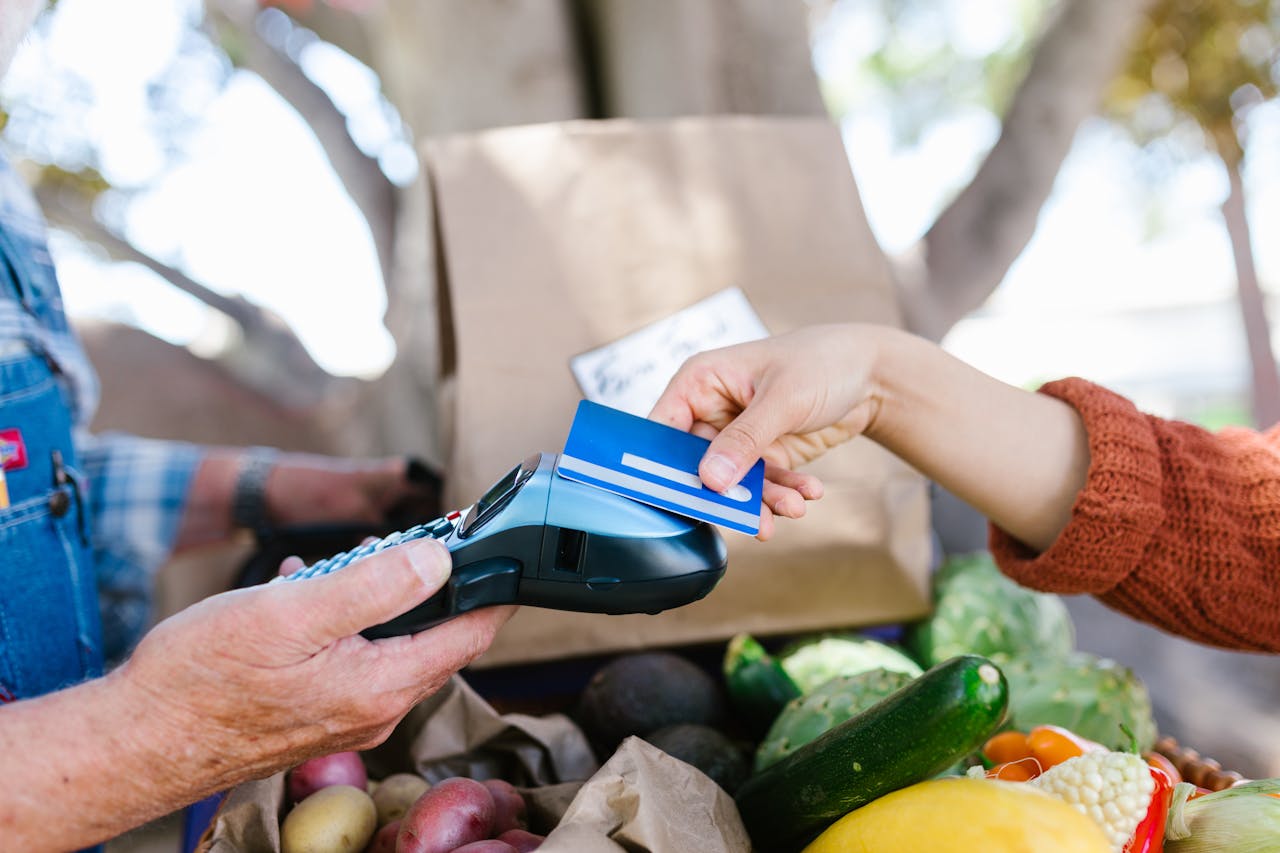
Using a grocery rewards credit card helps you earn cashback or points every time you shop. This means you get a small percentage back on your purchases, lowering your overall bill.
You don’t need coupons to take advantage of this. Just pay with the right card when you check out, and your savings add up over time. It’s a simple way to stretch your grocery budget without extra effort.
Plan meals and make a detailed shopping list

You’ll save money when you plan your meals for the week. Start by checking what you already have in your pantry and fridge. This helps avoid buying duplicates and wasting food.
Next, make a detailed shopping list based on your plan. Stick to the list to resist impulse buys. This keeps your grocery trips focused and your budget intact.
Shop alone to avoid impulse buys

When you shop alone, it’s easier to stick to your list and avoid temptation. Grocery trips with others can lead to unplanned additions because someone else spots something tempting.
You’re more focused on what you really need. This helps you keep your spending in check and reduces the chance of grabbing items that don’t fit your budget.
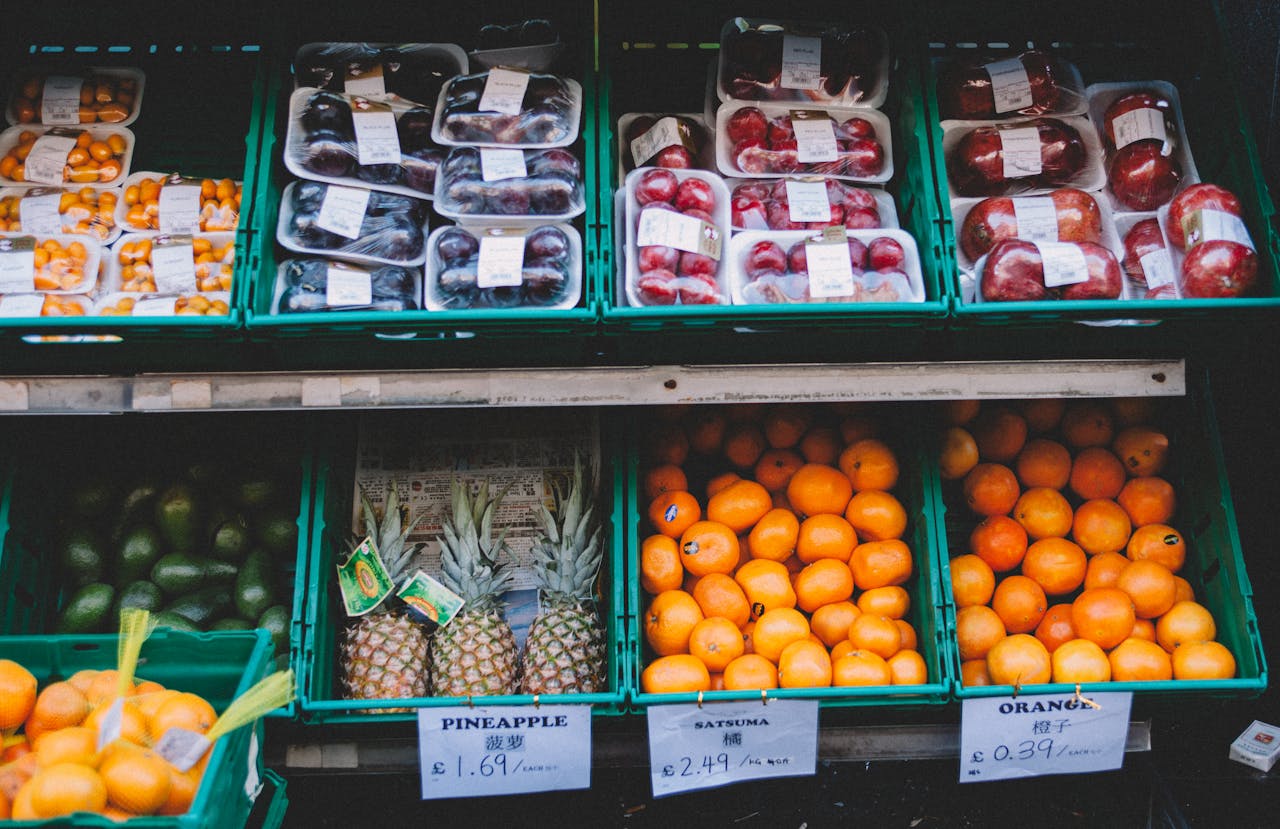
Visit stores on Tuesdays for fresh markdowns

You can often find fresh markdowns on produce, meat, and bakery items early in the week. Many stores mark down items on Tuesday to clear space for new deliveries.
Heading to the store on this day means you get good deals on quality items. Just keep an eye on expiration dates and plan to use or freeze what you buy soon.
Stick to outside aisles: fresh produce, meats, and eggs
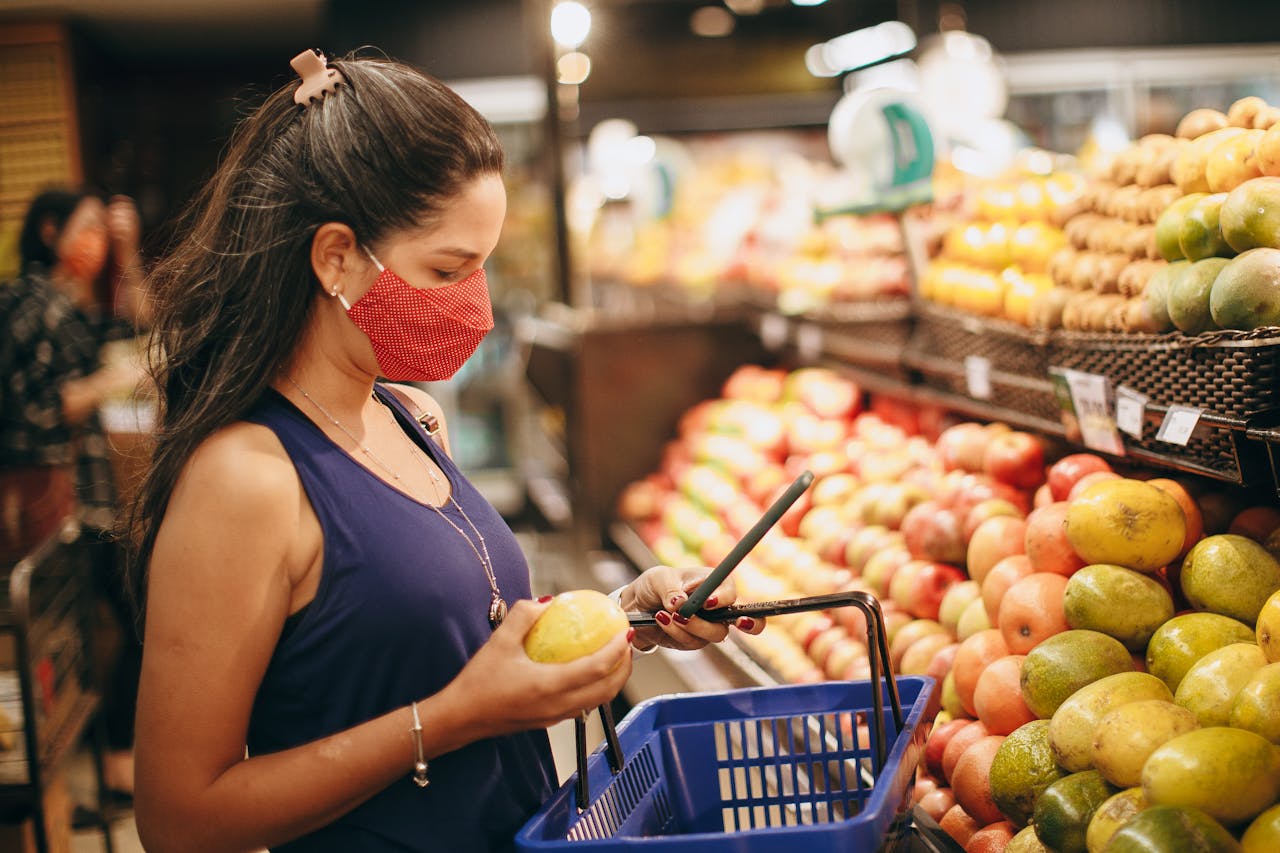
When you shop, focus on the outside aisles of the store. These areas usually have fresh fruits, vegetables, meats, and eggs.
These foods are often less processed and more filling, so you get good value for your money.
Buying fresh produce and meats in larger packages can save you more. You can portion and freeze what you don’t use right away to avoid waste.
Shop at no-frills stores like Aldi or Lidl
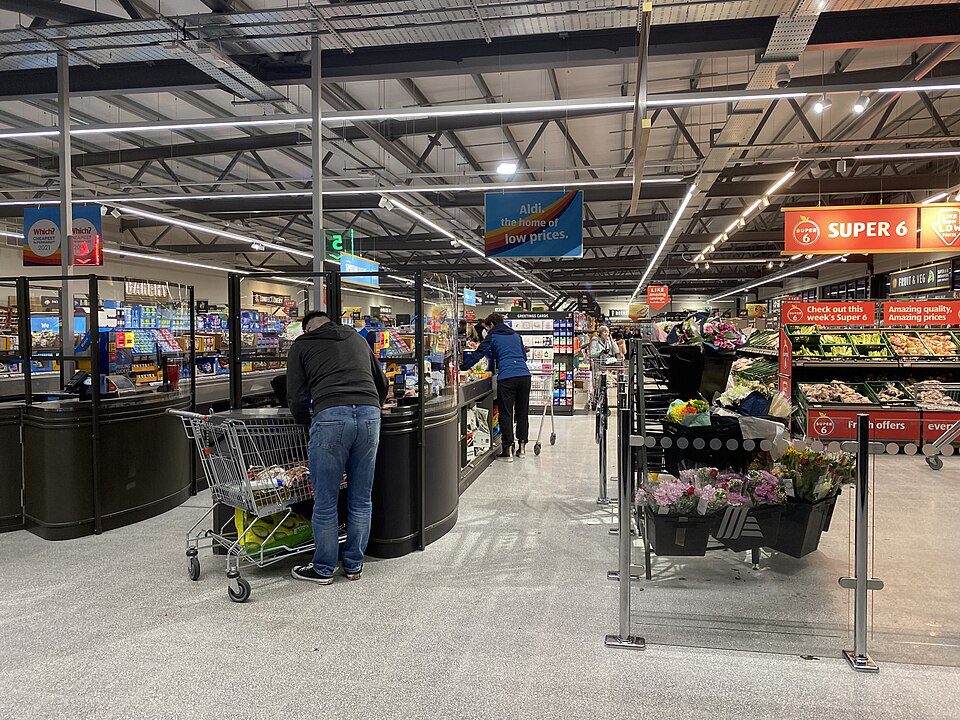
Shopping at no-frills stores like Aldi or Lidl can lower your grocery costs. These stores focus on basic essentials, minimizing extras that often raise prices.
You’ll find quality products at lower prices by skipping fancy displays and big-brand premiums. Shopping here is a simple way to save without hunting for coupons.
Eat before shopping to curb hunger-driven purchases

You’re more likely to buy extra snacks and impulse items if you shop on an empty stomach. Eating before you head to the store helps you stick to your list.
Having a snack or light meal stops hunger from influencing your choices. This simple step keeps your spending in check and your cart focused on what you really need.
Bring your own reusable bags to avoid fees
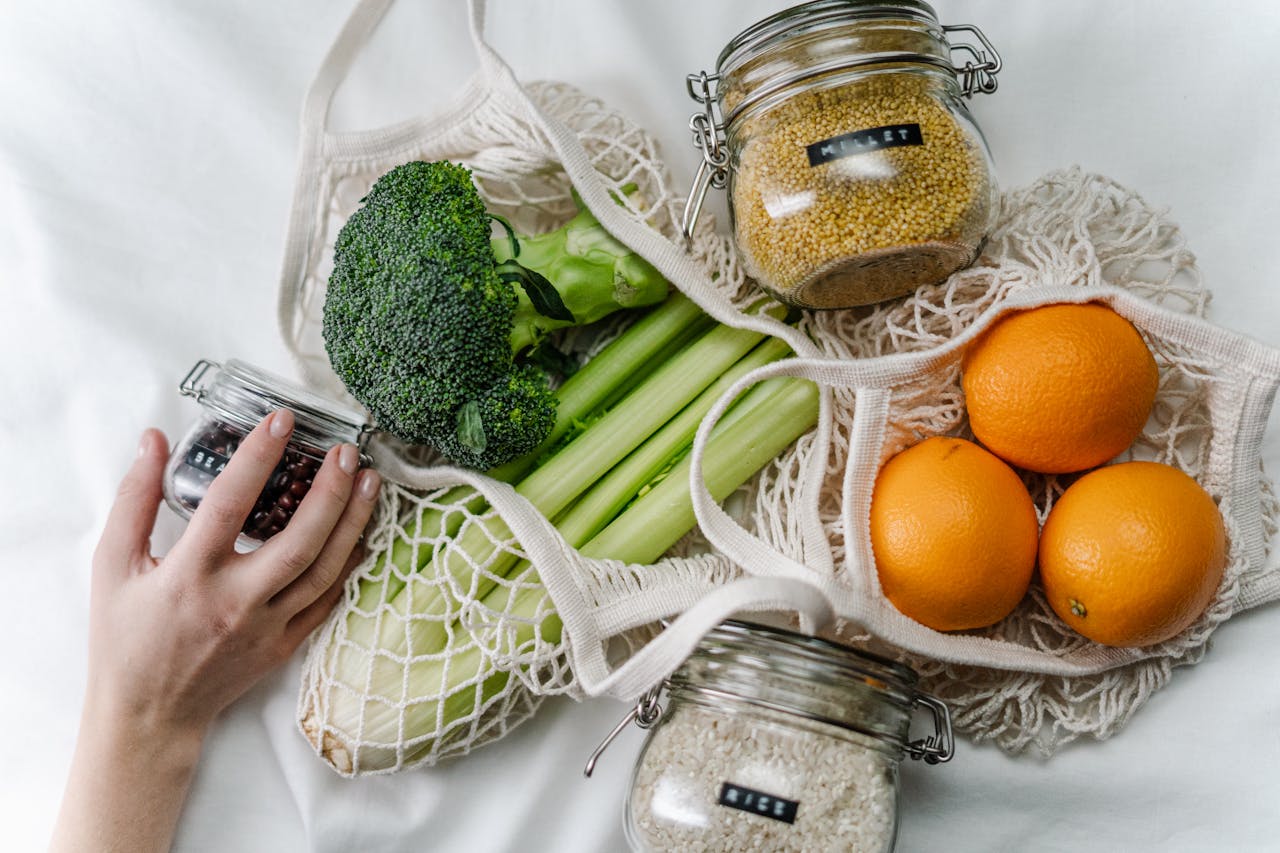
Bringing your own reusable bags can help you save a few cents each time you shop. Many stores charge a small fee for plastic bags, so having your own avoids this extra cost.
Some stores even offer discounts when you bring reusable bags. Plus, it’s better for the environment, which feels good while saving money.
Swap expensive ingredients for cheaper alternatives

You can save money by choosing less costly ingredients that serve the same purpose in your recipes. For example, swap meat for beans or lentils, which are nutritious and more affordable.
Try using generic or store-brand products instead of name brands. Often, the quality is similar, but the price is much lower.
Also, replace specialty items with basic pantry staples like rice, pasta, or canned vegetables. These last longer and cost less.
Check ‘best before’ dates for discounted soon-to-expire items

You can often find discounts on products that are close to their “best before” date. These items are usually marked down to clear space for fresh stock.
Look for seasonal or perishable goods in special discount areas or near the store entrance. If you plan to use these items quickly, buying them saves you money without sacrificing quality.
Shop just before store closing for markdown deals

You can save money by shopping close to store closing time. Many stores mark down perishable items like meat, dairy, and bakery goods to sell them quickly.
Check the clearance sections near the end of the day. You might find fresh food at a lower price, which helps reduce waste and stretch your budget.
Just be sure to plan your meals to use these items quickly before they spoil. This strategy takes a little timing but can really add up in savings.
Use apps to find in-store discounts and promotions

You can save money by using grocery store apps to check for sales and special offers before you shop. Many apps let you browse current discounts and create shopping lists based on deals.
Apps like Ibotta and Target’s Cartwheel even let you scan product barcodes to see if there are any instant savings or cash-back offers. These tools help you make smarter purchases without clipping coupons.
Buy meats and fish in bulk and freeze portions
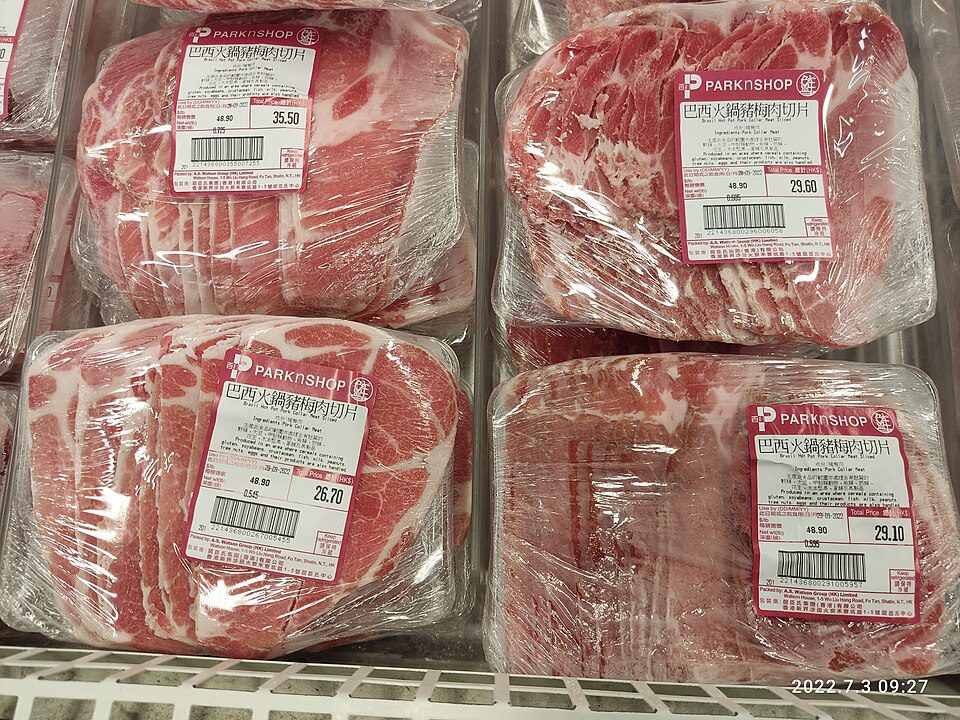
You can save money by buying meat and fish in larger quantities. Bulk purchases usually cost less per pound than smaller packages.
After bringing them home, divide the meat or fish into portions that suit your meals. Freeze these portions right away to keep them fresh longer.
This way, you avoid frequent trips to the store and reduce the risk of food going bad before you use it. Having pre-portioned frozen meat or fish makes meal planning easier too.
Skip snacks, candy, and treats to save money
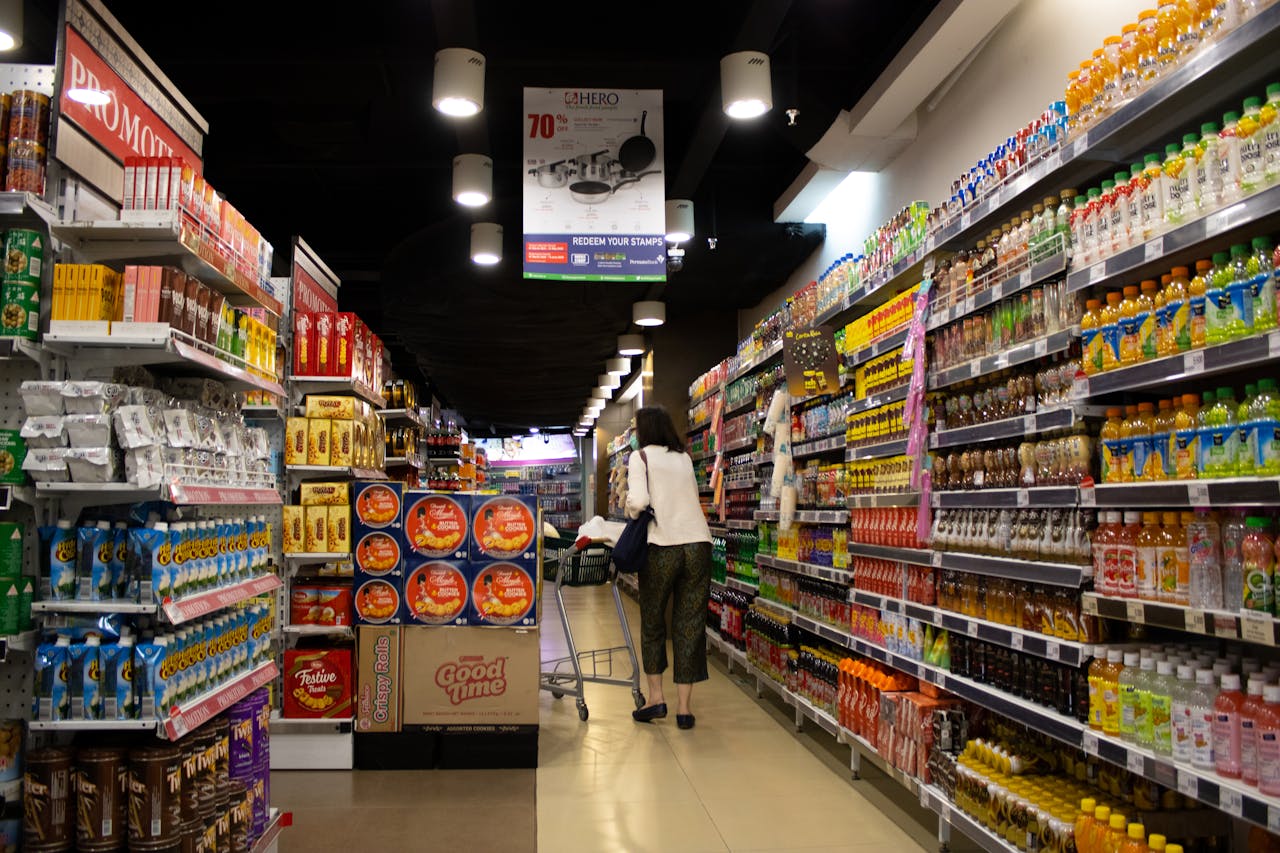
You can cut grocery costs by leaving snacks, candy, and treats off your list. These items often add up quickly and don’t provide much nutritional value.
Focusing on whole foods and essentials helps you avoid impulse purchases. Plus, you’ll likely find you feel better with fewer sugary, processed foods.
If you want a treat, consider healthier options or smaller portions. This way, you satisfy cravings without overspending.
Like what you read? Here’s more by us: