We all have our methods and routines when it comes to cleaning. Some of us are diligent sweepers, others are experts at decluttering, and a few of us even find cleaning therapeutic. However, not all cleaning habits are created equal. In fact, some of the practices we’ve been using for years may not be as effective as we think. Believe it or not, they could even be doing more harm than good.
Here are 16 cleaning habits that don’t help and what you can do instead.
1. Using Excess Cleaner

We often think that using more cleaning product will result in a cleaner home. Unfortunately, this isn’t the case. Excess cleaner can leave behind a residue that attracts dust and grime, leading to even more cleaning in the long run.
Instead of using more, try using less. Many cleaning products are concentrated and designed to be effective in small amounts. If you’re unsure about how much to use, check the product’s label for recommended usage amounts. You might be surprised to find that a little goes a long way.
2. Ignoring High-Touch Areas
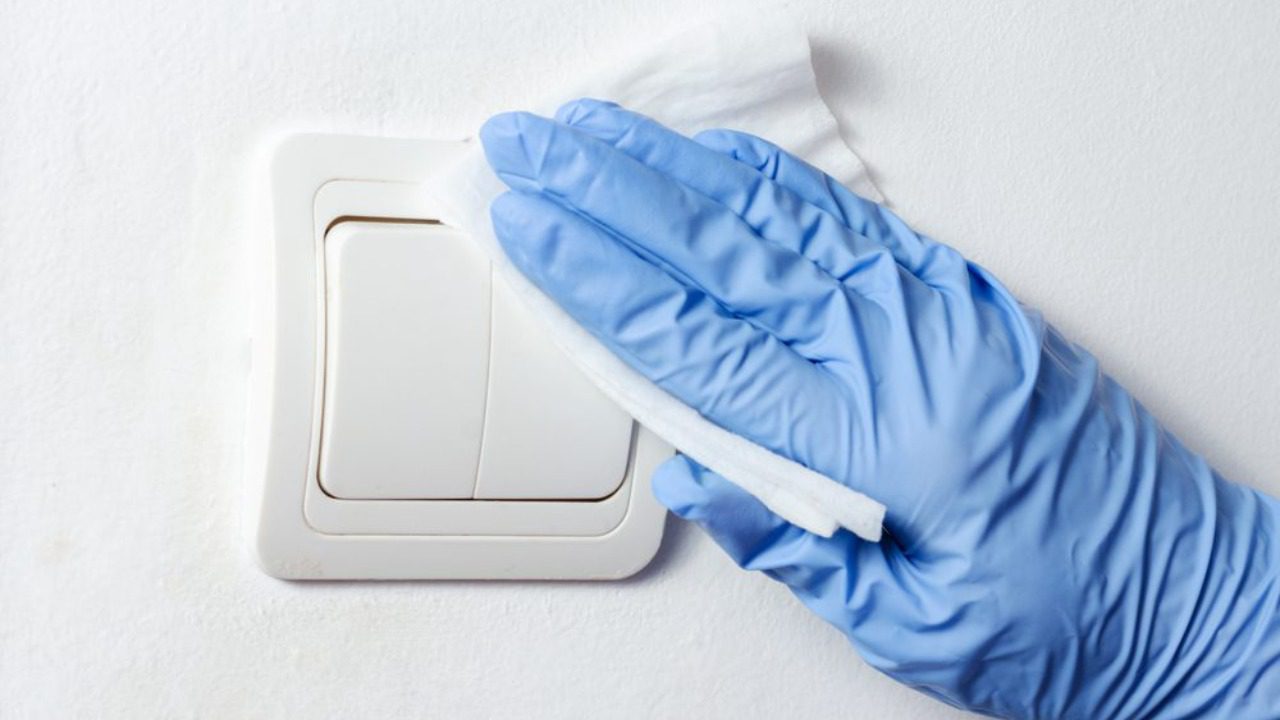
It’s easy to overlook high touch areas like doorknobs, light switches, and remote controls when cleaning. These areas are often teeming with germs because they’re touched so frequently. Simply wiping them down occasionally isn’t enough to keep them clean.
To effectively clean high touch areas, you need to be diligent. Make it a habit to clean these areas at least once a week using a disinfectant. This can help reduce the spread of germs and keep your home healthier.
3. Not Cleaning Your Cleaning Tools
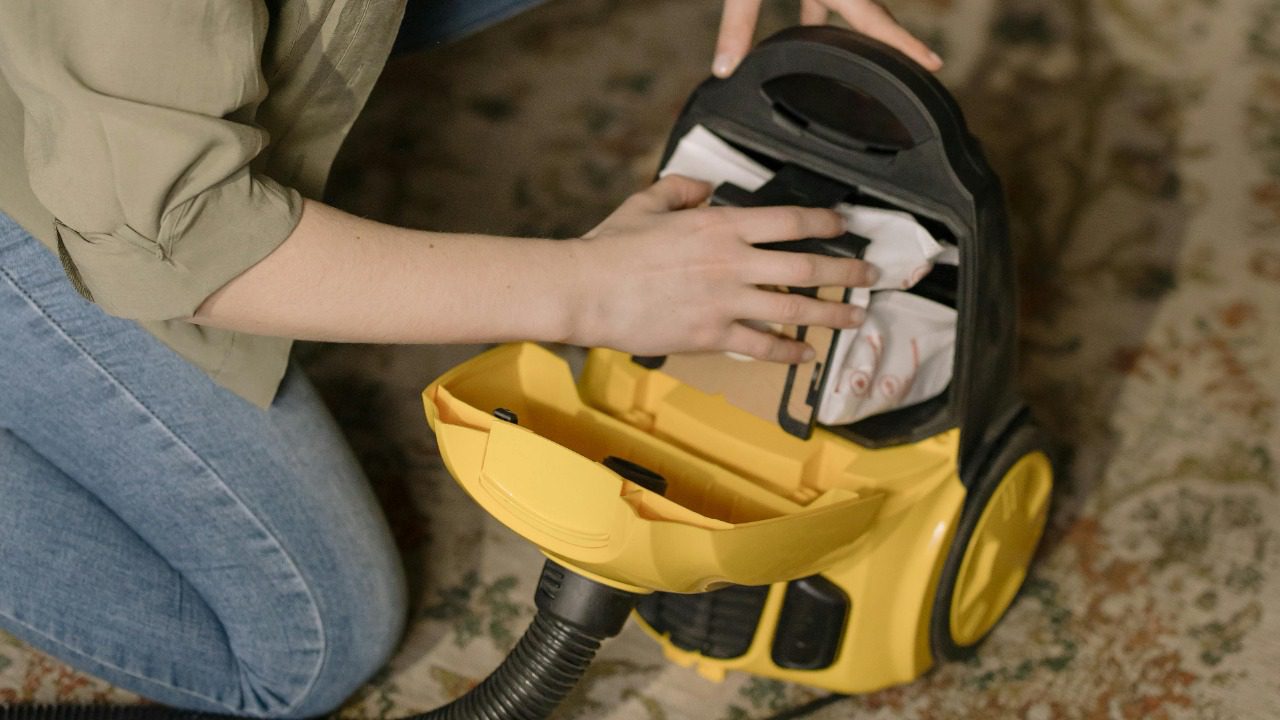
Cleaning tools like mops, brooms, and vacuum cleaners do a great job of picking up dirt and dust. But if you’re not cleaning these tools after each use, you’re just spreading the dirt around the next time you clean.
It’s important to clean your cleaning tools regularly. For brooms and mops, rinse them thoroughly after each use and let them dry completely before storing. For vacuum cleaners, empty the dust cup or change the bag regularly, and clean the filter as recommended by the manufacturer.
4. Using Feather Dusters
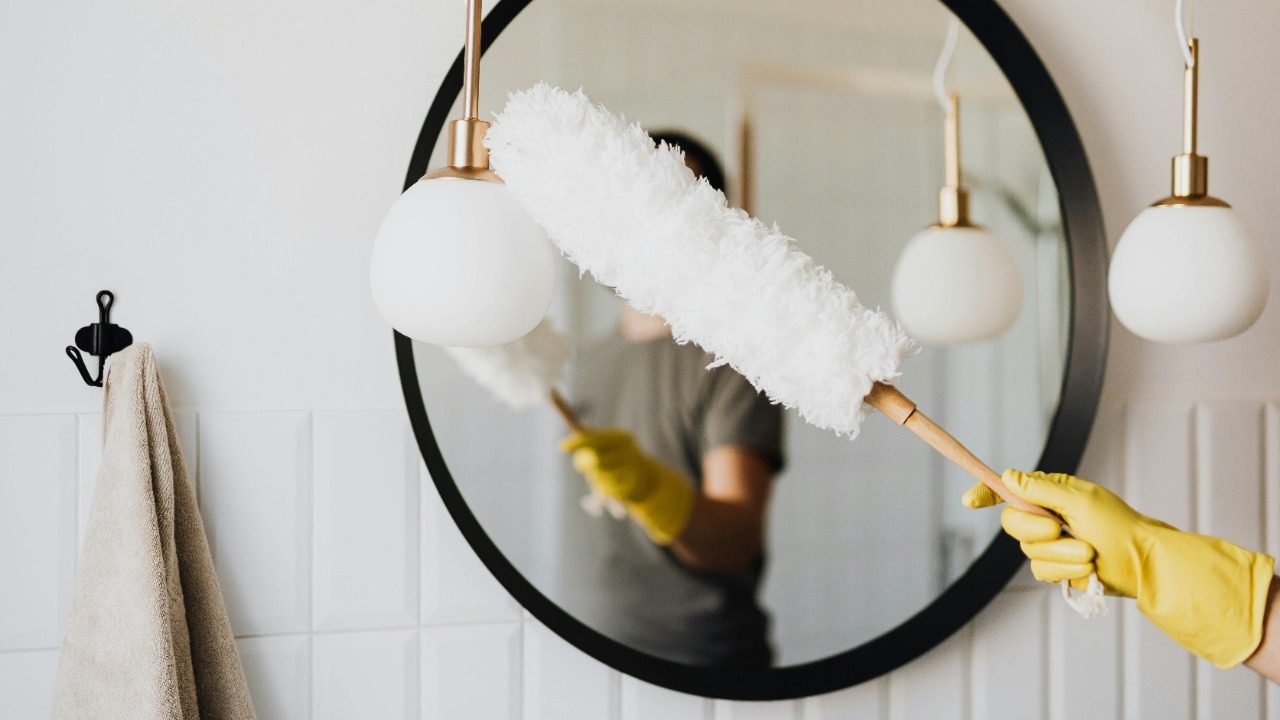
Feather dusters may look fancy, but they’re not great for actual dusting. They tend to spread dust around rather than picking it up, which can lead to more dust in your home over time.
Instead of using a feather duster, try using a microfiber cloth or a damp cloth for dusting. These materials are designed to trap dust and prevent it from spreading. Remember to shake out or wash your cloth after each use to ensure it’s ready for the next dusting session.
5. Cleaning Windows On A Sunny Day
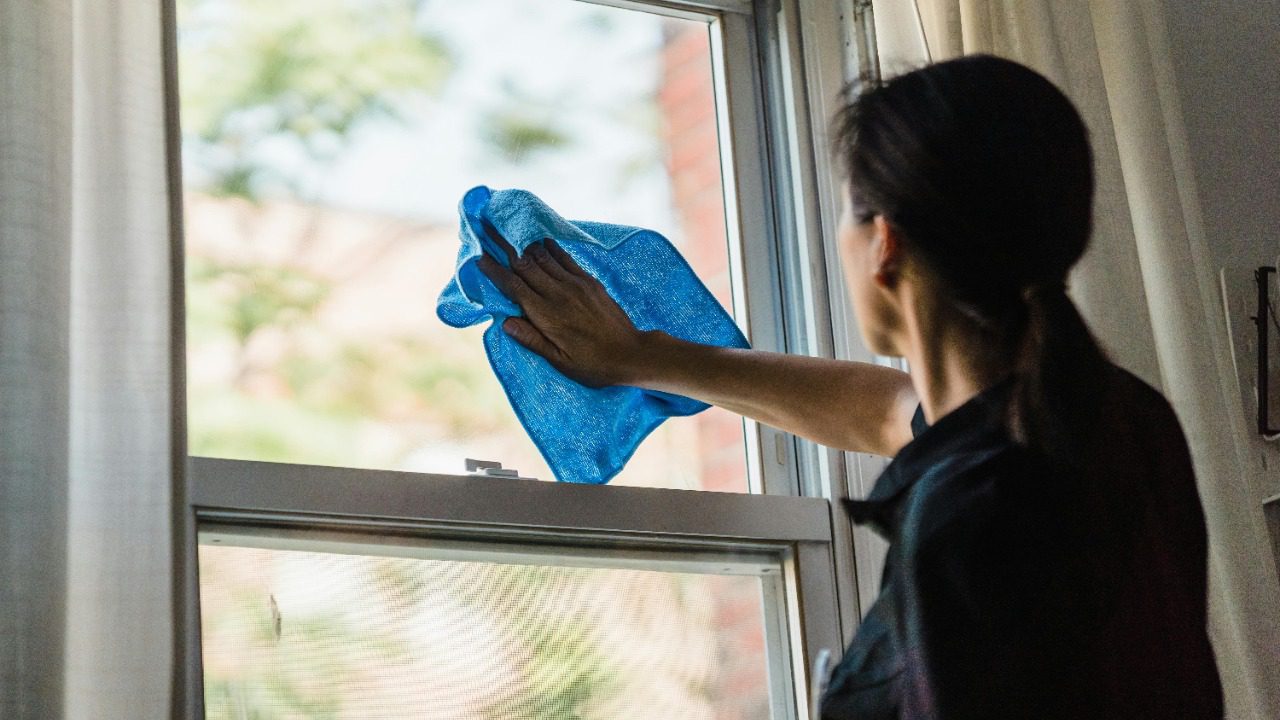
It’s tempting to clean windows on a sunny day so you can instantly see the results. However, the heat from the sun can cause the cleaning solution to dry too quickly, leaving streaks on the glass.
For the best results, clean your windows on a cloudy day or in the early morning or late afternoon when the sun isn’t as strong. Use a squeegee or a microfiber cloth to wipe the window clean, and make sure to dry the glass thoroughly to avoid streaks.
6. Using Bleach On Everything
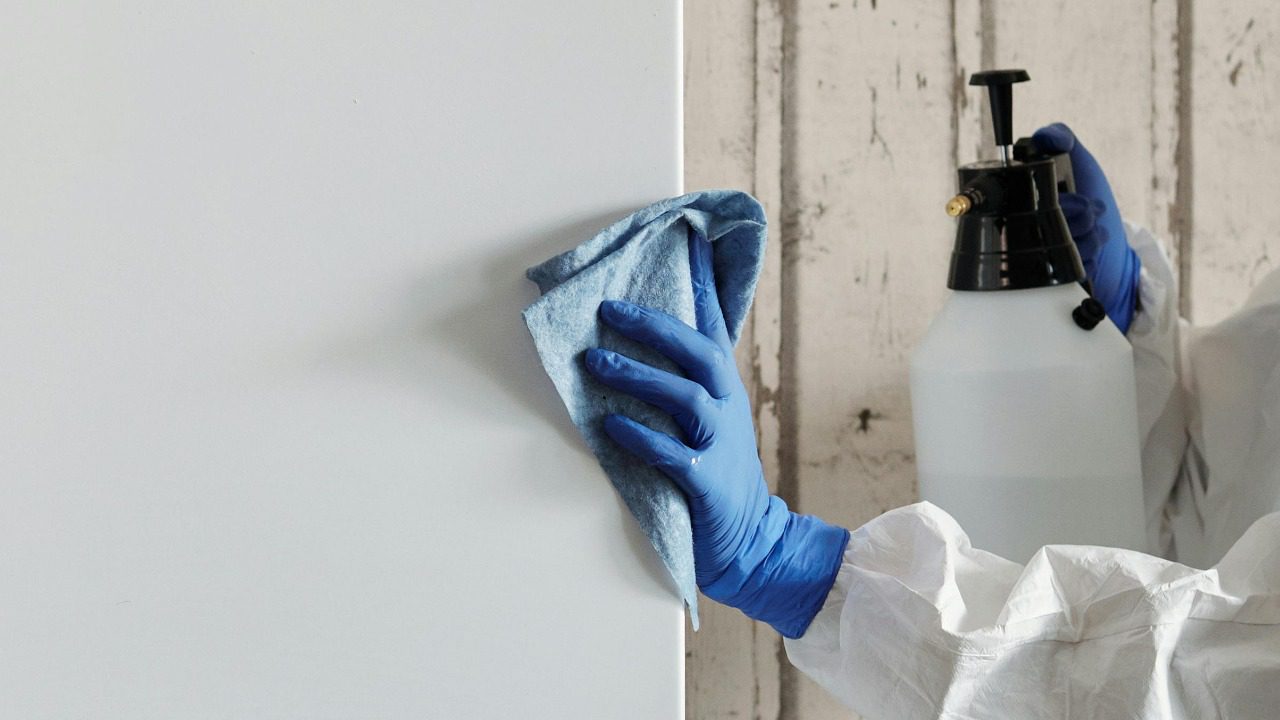
Bleach is a powerful cleaner, but it’s not suitable for all surfaces. It can cause discoloration on some materials and can be harmful if used in excess.
Instead of using bleach, consider using milder cleaning products for delicate surfaces. Always test a small, hidden area first to make sure the cleaner won’t cause discoloration. And remember to use bleach safely: never mix it with other cleaning products, and always wear gloves and use it in a well-ventilated area.
7. Not Changing Your Dish Sponge Regularly
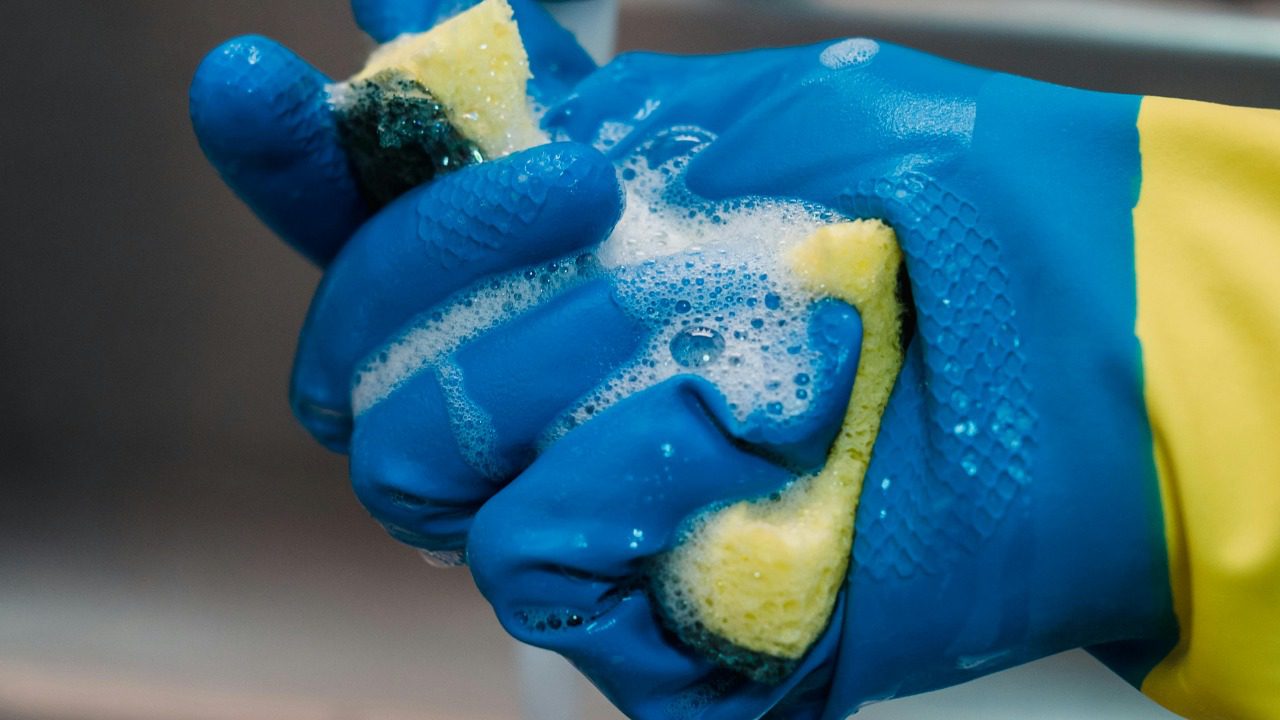
Your dish sponge is a breeding ground for bacteria. If you’re not changing it regularly, you could be spreading these germs every time you wash your dishes.
To keep your dishes clean and safe, change your dish sponge at least once a week. And remember to rinse it thoroughly after each use and let it dry completely before using it again.
8. Not Cleaning Underneath Furniture
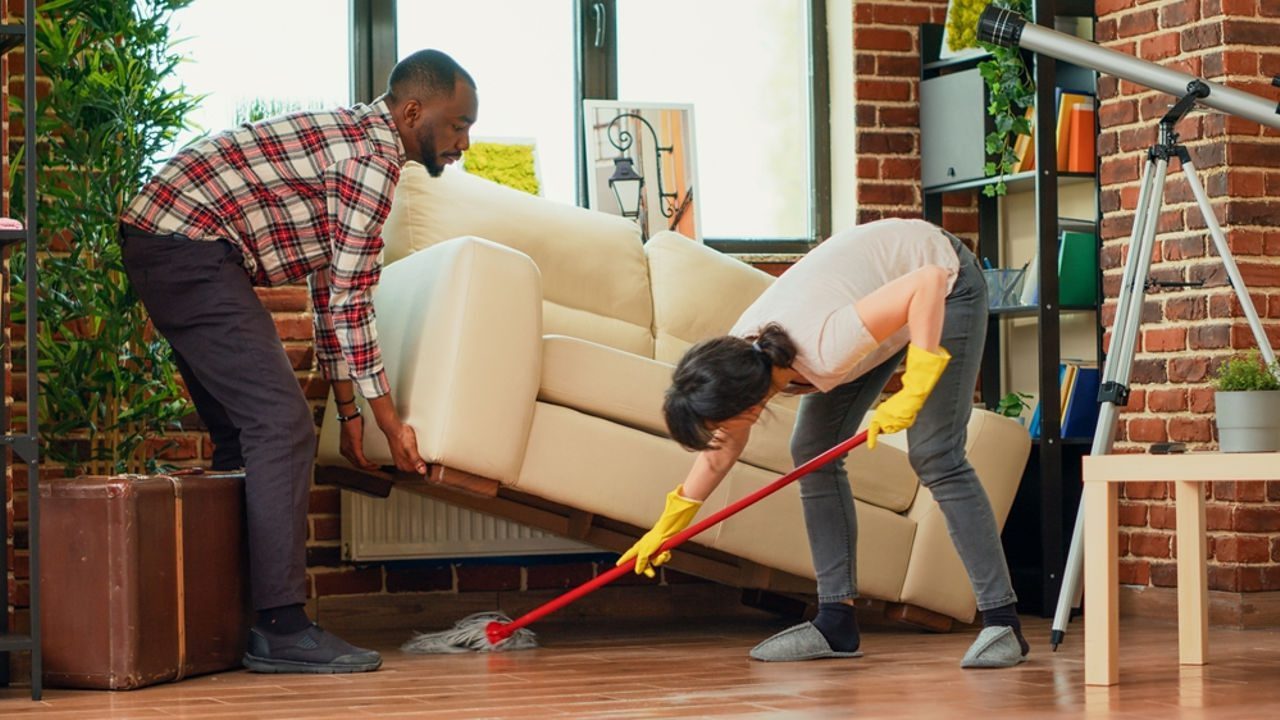
It’s easy to ignore the areas underneath furniture when cleaning. But dust and dirt can accumulate in these areas over time, leading to a buildup that’s hard to clean.
Make it a habit to clean underneath your furniture at least once a month. You can use a vacuum cleaner with a long attachment to reach these areas. This will help keep your home cleaner and can even improve your indoor air quality.
9. Using the Wrong Cleaning Products
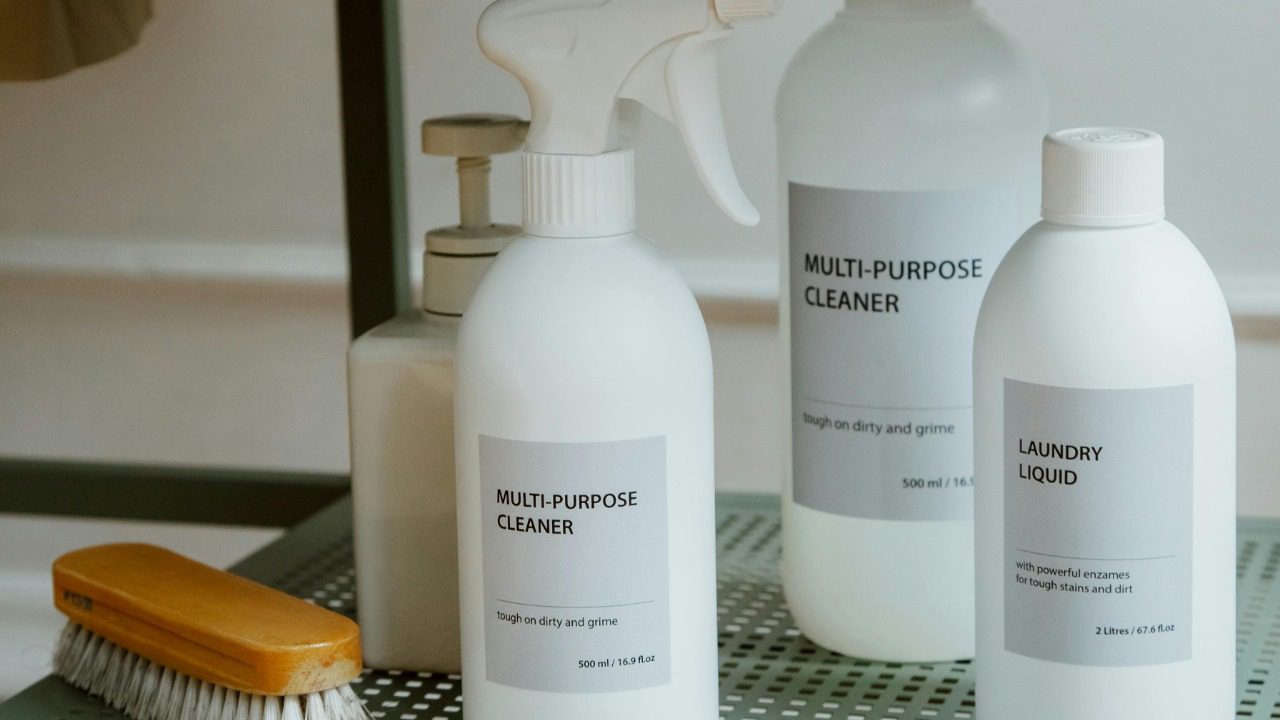
Not all cleaning products are suitable for all surfaces. Using the wrong product can cause damage or leave a residue.
Always check the label before using a cleaning product. Make sure it’s suitable for the surface you’re cleaning. If you’re not sure, test a small, hidden area first.
10. Washing Windows With Newspaper

Despite popular belief, using newspaper to clean windows can leave ink residue on the glass and can scratch the surface.
Instead, use a microfiber cloth or a squeegee for streak-free results. Don’t forget to clean the window frames and sills as well.
11. Overloading Your Washing Machine
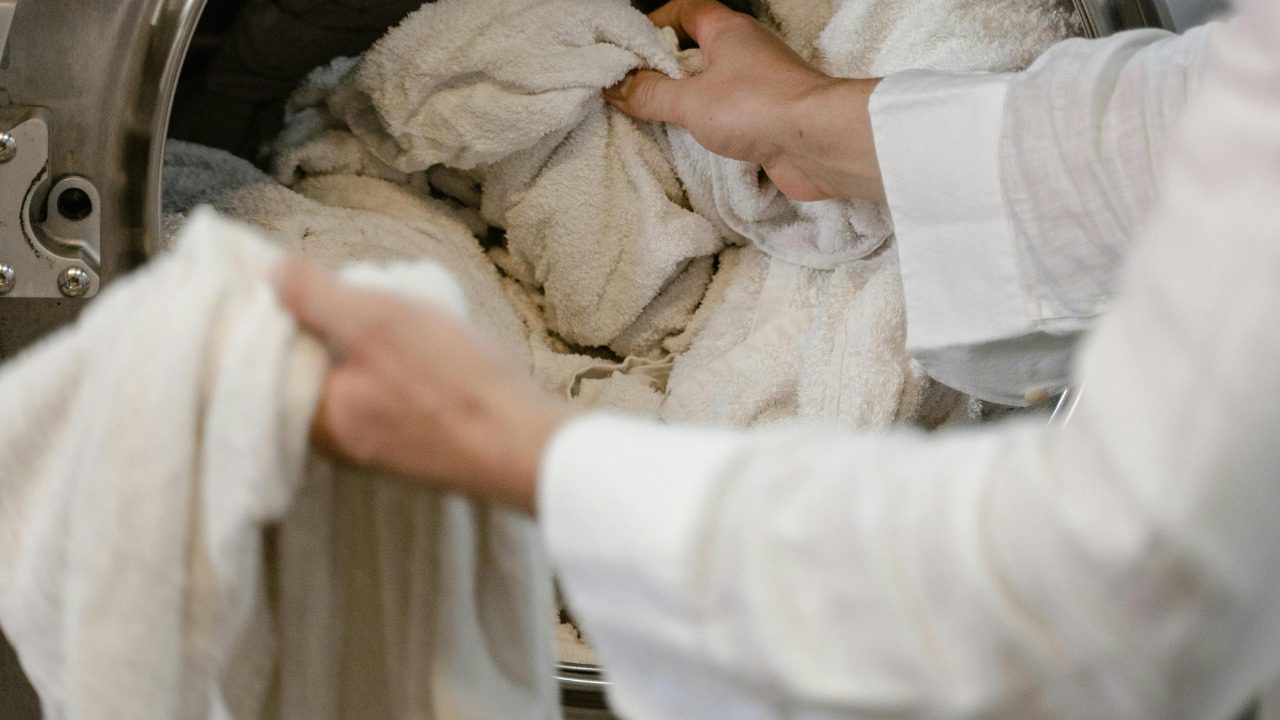
Overloading your washing machine can result in poorly cleaned clothes. There’s simply not enough space for the water and detergent to circulate properly.
To ensure your clothes are clean, don’t fill the machine more than three-quarters full. And remember to sort your clothes by color and fabric type for the best results.
12. Not Cleaning Your Vacuum Cleaner
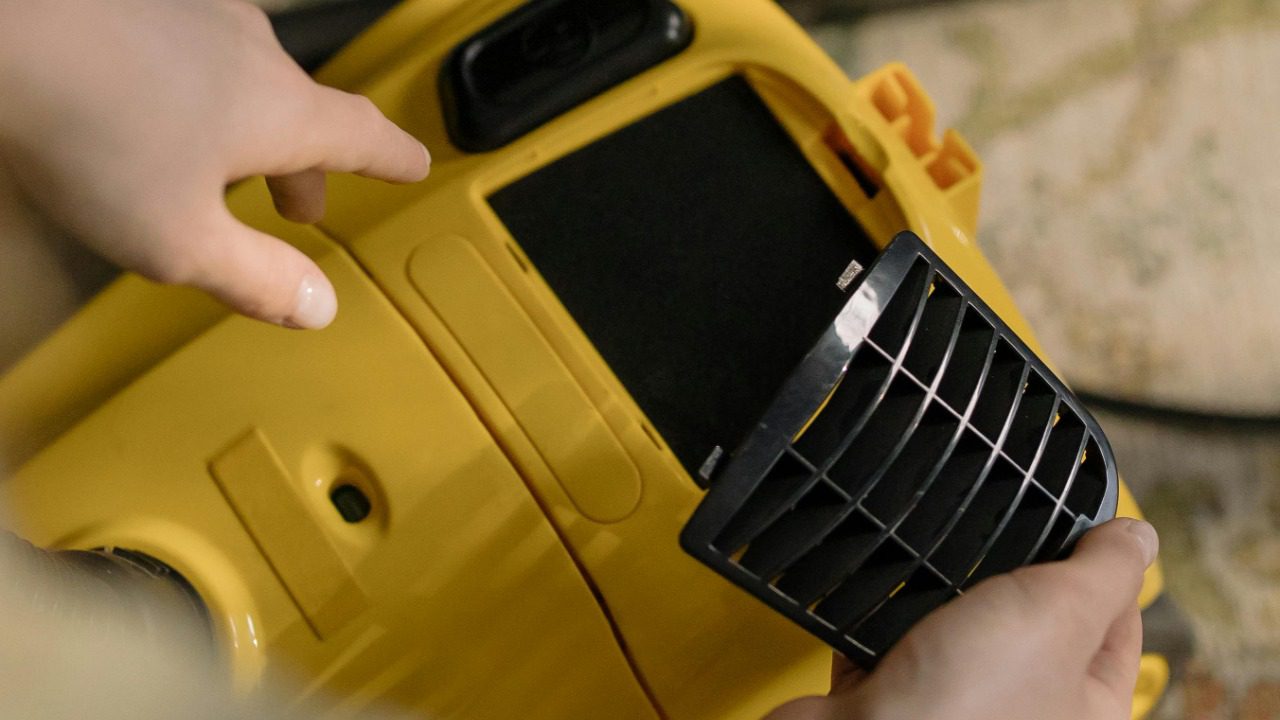
A clean vacuum cleaner is more efficient at picking up dust and dirt. If you’re not cleaning your vacuum cleaner regularly, it’s not working as effectively as it could be.
Empty the dust cup or change the bag regularly, and clean the filter as recommended by the manufacturer. This will help your vacuum cleaner perform at its best.
13. Not Sorting Your Laundry

Sorting your laundry by color and fabric type can help your clothes last longer and look better. If you’re not sorting your laundry, you could be causing unnecessary wear and tear.
Before washing, sort your clothes into separate piles for darks, lights, whites, and delicate items. This can help prevent colors from bleeding and delicate items from being damaged.
14. Using Too Much Laundry Detergent
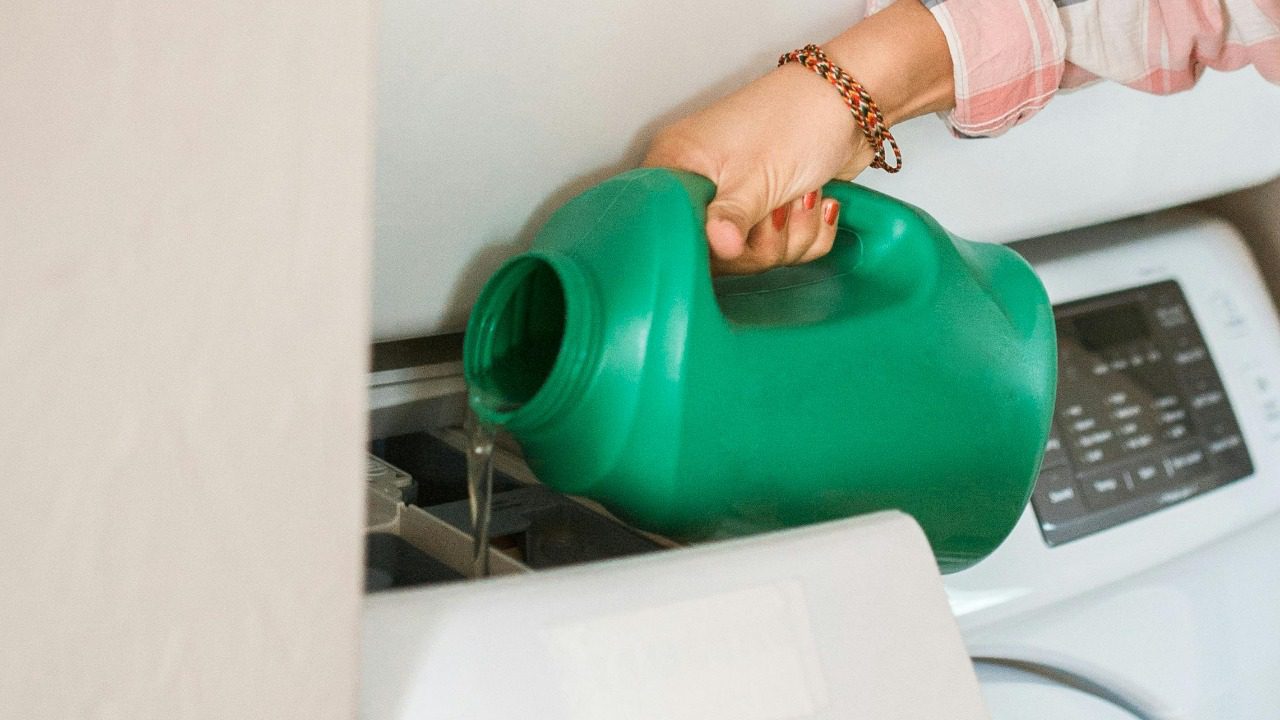
Using too much laundry detergent can leave a residue on your clothes and can cause wear and tear.
Check the label for the recommended amount of detergent. You might be surprised to find that you don’t need to use as much as you thought.
15. Not Cleaning Your Dishwasher
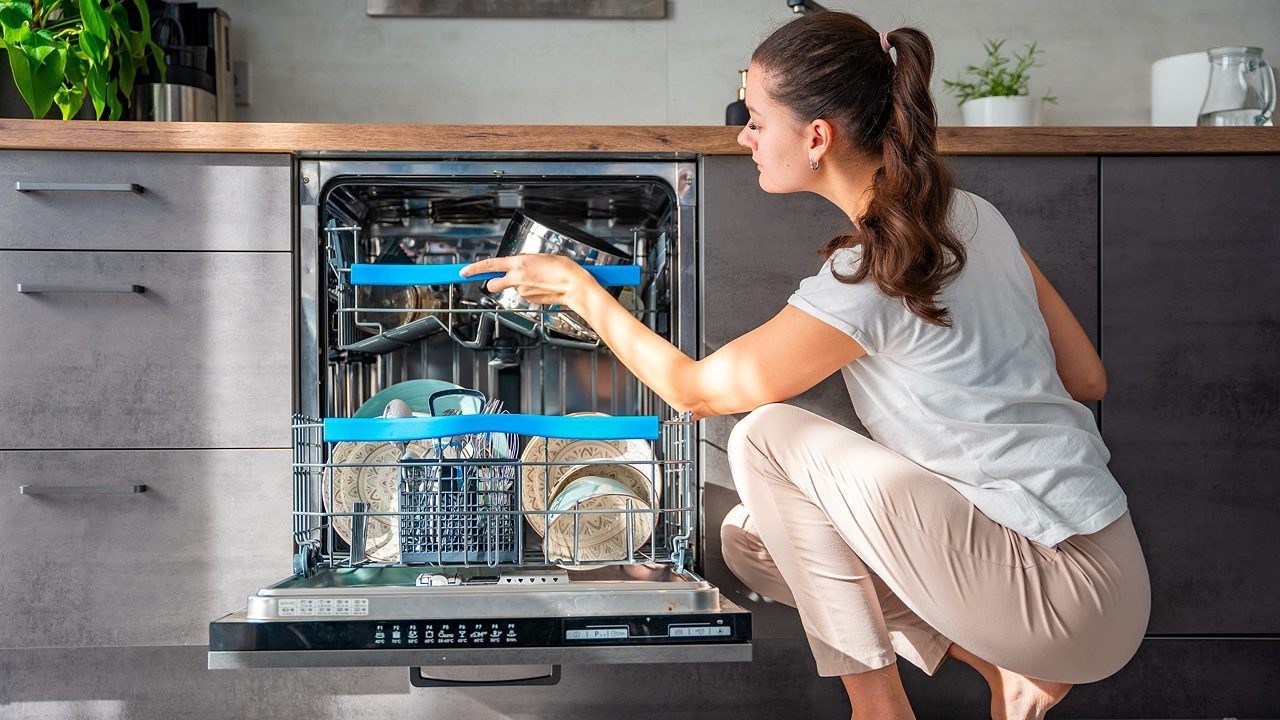
Your dishwasher needs to be cleaned regularly to work effectively. If you’re not cleaning your dishwasher, it’s not cleaning your dishes as well as it could be.
Clean your dishwasher at least once a month using a dishwasher cleaner or a homemade solution of vinegar and baking soda. This can help your dishwasher clean your dishes more effectively and can extend its lifespan.
16. Not Cleaning Your Oven Regularly
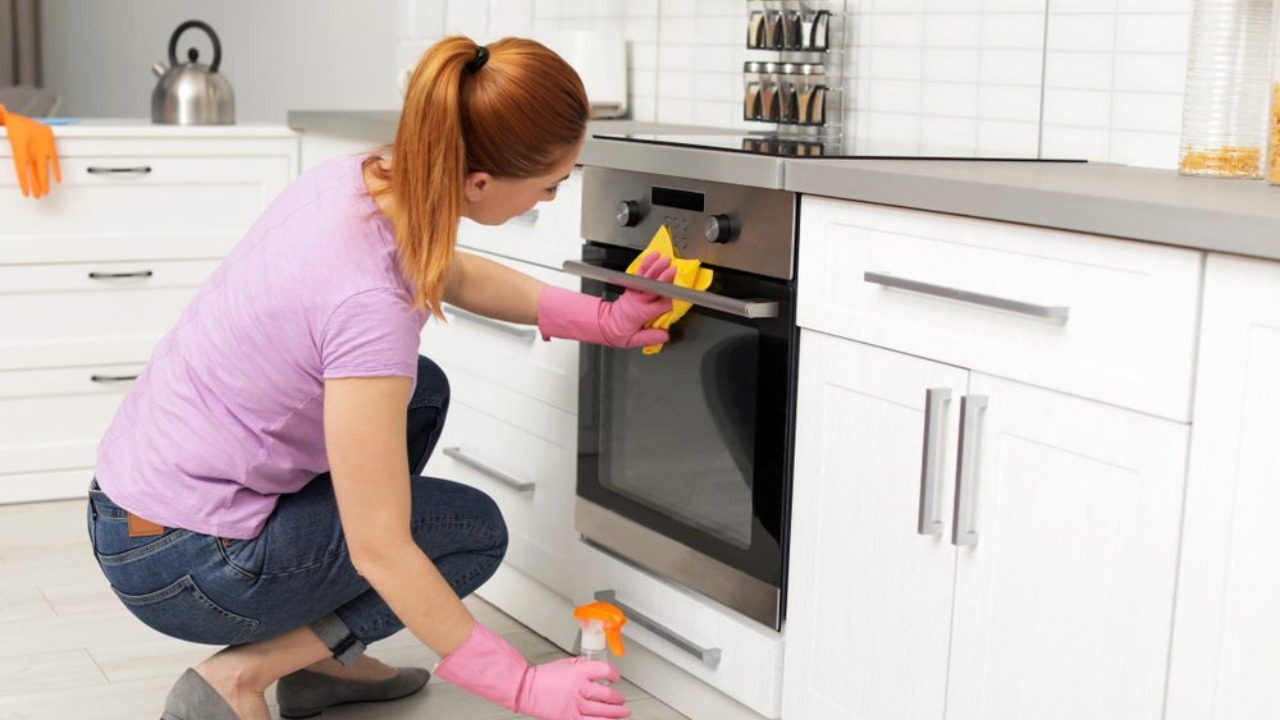
A dirty oven can affect the taste of your food and can be a fire hazard. If you’re not cleaning your oven regularly, you could be putting your home at risk.
Clean your oven at least once every three months, or more often if you use it frequently. Use an oven cleaner or a homemade solution of baking soda and vinegar to remove grease and grime. This can help your oven perform better and can make your food taste better, too.