In a world filled with an overwhelming amount of stuff, clutter can quickly take over our lives and our homes. But it doesn’t have to be that way! With some practical decluttering moves, you can create more space, bring order to your surroundings, and enjoy the peace and calm that come with a well-organized home.
In this post, we’ll share 16 decluttering moves that can help you make the most of your space, whether you live in a sprawling mansion or a cozy studio apartment.
1. Start with Five Minutes a Day

Often, the biggest hurdle to decluttering is simply getting started. Set a timer for five minutes each day and dedicate this time to decluttering. You might be surprised at how much you can accomplish in such a short span of time.
During your five-minute decluttering sessions, focus on one small area at a time. This could be a kitchen drawer, a shelf in your closet, or the top of your desk. Once you’ve decluttered one area, move on to the next. This approach makes the task of decluttering less overwhelming and more manageable.
2. Use the Box Method

The Box Method is a simple yet effective decluttering strategy. Get four boxes and label them: Keep, Toss, Donate, and Relocate. As you go through your items, sort them into the appropriate boxes.
The beauty of the Box Method is that it forces you to make a decision about each item, preventing you from simply moving clutter from one place to another. Remember, the goal is not to fill up the boxes, but to empty your space of clutter. Once you’ve sorted all your items, take immediate action. Put away the items in the Keep box, dispose of the Toss items, donate the Donate items, and find new homes for the Relocate items.
3. One In, One Out Rule

The One In, One Out Rule is a great way to maintain a clutter-free home. The rule is simple: for every new item you bring into your home, you must get rid of an old one.
This rule helps curb impulse buying and encourages you to think carefully about each new item you bring into your home. If you’re not willing to part with an old item to make room for a new one, then you probably don’t need the new item in the first place.
4. Utilize Vertical Space

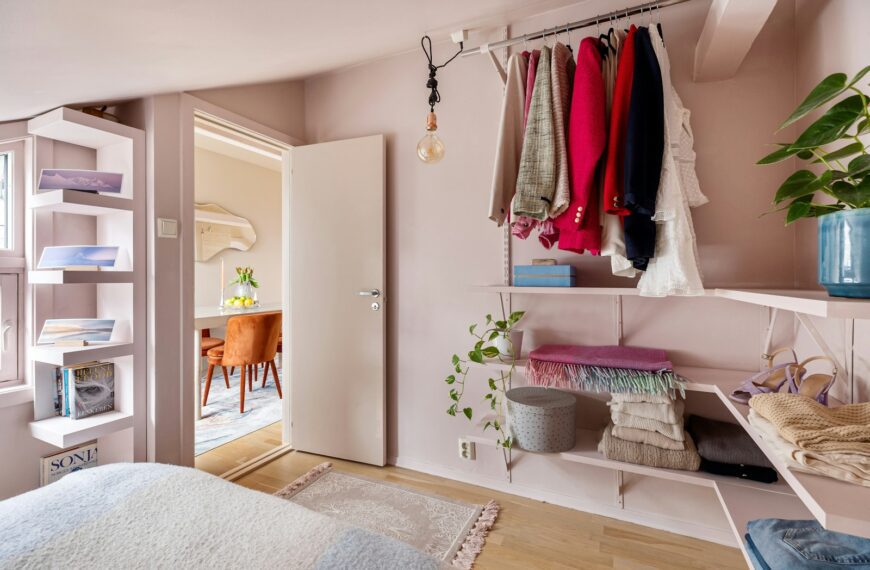
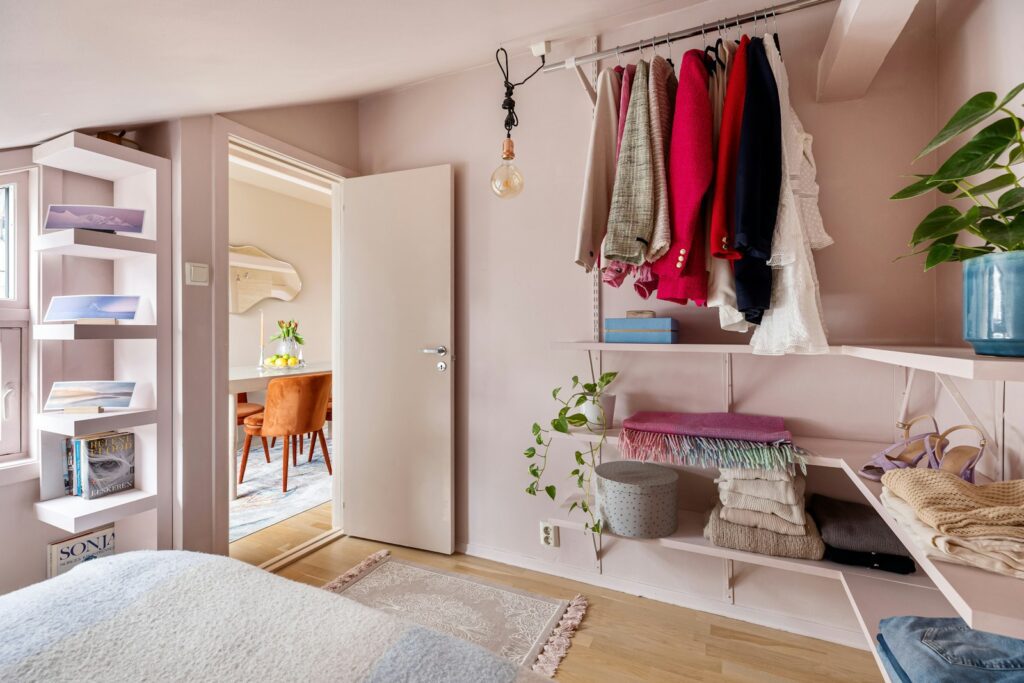
Often, when we think about creating more space, we only consider horizontal surfaces. However, vertical space can be a goldmine for storage. By installing shelves, hooks, and racks, you can store items vertically and free up valuable floor and counter space.
For instance, you could install a pot rack in your kitchen to free up cabinet space, or put up wall shelves in your living room for books and decorative items. In your closet, consider using hanging organizers or installing additional rods to maximize vertical space.
5. Digitize Paper Clutter

In the digital age, there’s really no need for paper clutter. Scan important documents and store them digitally. Not only will this free up physical space, but it will also make it easier for you to find and access your documents when you need them.
There are several apps available that can help you digitize your documents. Some, like Evernote and Google Drive, even offer OCR (Optical Character Recognition) technology, which makes your scanned documents searchable.
6. Declutter Your Digital Space

While you’re decluttering your physical space, don’t forget about your digital space. A cluttered desktop or overflowing email inbox can be just as stressful as a cluttered room.
Take time to organize your files and folders, delete unnecessary emails, and clear your desktop. Just like with physical decluttering, you can tackle this task in small, manageable chunks. Set a timer for five minutes each day and use this time to declutter your digital space.
7. Use Storage Solutions Wisely

Storage solutions can be a double-edged sword. While they can help you organize your items, they can also encourage hoarding. The key is to use storage solutions wisely.
Before you buy any new storage solution, take time to declutter and organize your items. Often, you’ll find that you don’t need more storage; you just need less stuff. If you do need additional storage, choose solutions that fit your space and your items. For instance, clear plastic bins are great for storing items you need to see, while decorative baskets can be used for items you want to hide.
8. Turn Clutter into Cash

Did you know that your clutter could be worth money? Selling unwanted items is a great way to declutter and make some extra cash in the process.
There are many platforms for selling used items, including eBay, Facebook Marketplace, and Craigslist. For high-end items, consider using a consignment store or an auction house. Remember to price your items realistically and be honest about their condition to increase your chances of selling them.
9. Practice Mindful Shopping

One of the best ways to prevent clutter is to practice mindful shopping. This means thinking carefully about each purchase and only buying items that you truly need and will use.
Before you buy anything new, ask yourself if you really need it, if you have a place to store it, and if you’re willing to get rid of something else to make room for it. This mindful approach to shopping can help prevent clutter from accumulating in the first place.
10. Create a Clutter-Free Zone

Designate a small area in your home as a clutter-free zone. This could be a corner of your living room, your kitchen counter, or your desk. Make a commitment to keep this area clean and clutter-free at all times.
Having a clutter-free zone can motivate you to declutter the rest of your home. It can also provide you with a peaceful, clutter-free space where you can relax and recharge.
11. Use the 12-Month Rule

If you have items that you’re unsure about getting rid of, use the 12-month rule. If you haven’t used an item in the past 12 months, it’s time to let it go.
The 12-month rule is particularly useful for seasonal items. If a whole year has passed and you haven’t used an item, chances are you don’t really need it.
12. Do a Room Sweep

At the end of each day, do a quick room sweep. Pick up any items that are out of place and put them back where they belong. This simple habit can prevent clutter from accumulating and help maintain a clean, organized home.
A room sweep doesn’t have to be time-consuming. In fact, it can be done in just a few minutes. The key is to do it consistently. You’ll be amazed at the difference this simple habit can make.
13. Give Everything a Home

One of the main reasons clutter accumulates is because items don’t have a designated home. When everything has a place, it’s easier to keep your space organized and clutter-free.
Look around your home and identify any items that are consistently out of place. These are the items that need a designated home. Once you’ve found a home for these items, make a habit of putting them back in their place after each use.
14. Use the 20/20 Rule

The 20/20 rule is a great tool for decluttering. The rule states that if you can replace an item for less than $20 in less than 20 minutes, you can get rid of it.
This rule is particularly useful for decluttering those “just in case” items that we often hold onto. Most of these items can be easily and inexpensively replaced if we ever actually need them.
15. Make Decluttering a Family Affair

If you live with others, make decluttering a family affair. Involve everyone in the process and make it fun. You could turn it into a game, with a prize for the person who declutters the most.
Getting everyone involved not only makes the task of decluttering less daunting, but it also increases the chances of maintaining a clutter-free home. After all, everyone is more likely to keep an area clean if they’ve had a hand in decluttering it.
16. Be Patient with Yourself

Decluttering is a process, and it takes time. Be patient with yourself. Don’t beat yourself up if you can’t declutter your entire home in a day.
Celebrate your progress, no matter how small. Remember, it’s not about achieving a perfectly organized home overnight. It’s about making small, consistent steps towards a less cluttered, more peaceful home.