
1. “I might need it someday.”

The “I might need it someday” excuse is a common one, but it’s often based on fear rather than reality. If you’ve held onto something for a year or more without using it, chances are you won’t need it in the future. Remember, the cost of keeping something just in case is not just physical space—it’s also mental energy.
Instead of hoarding items, try to foster a mindset of abundance. Trust that if you need something in the future, you’ll be able to find it. And if you’re really struggling to let go of something, consider the one-year rule: if you haven’t used it in a year, it’s time to let it go.
2. “It was expensive.”

Another common decluttering excuse is the cost of the item. It’s true, you might have paid a lot for something, but if it’s not serving a purpose or bringing you joy, it’s just taking up valuable space.
Remember, the money has already been spent, and holding onto the item won’t get that money back. Instead, consider selling or donating the item. Not only will you free up space, but you might also recoup some of the cost or help someone else in need.
3. “It was a gift.”
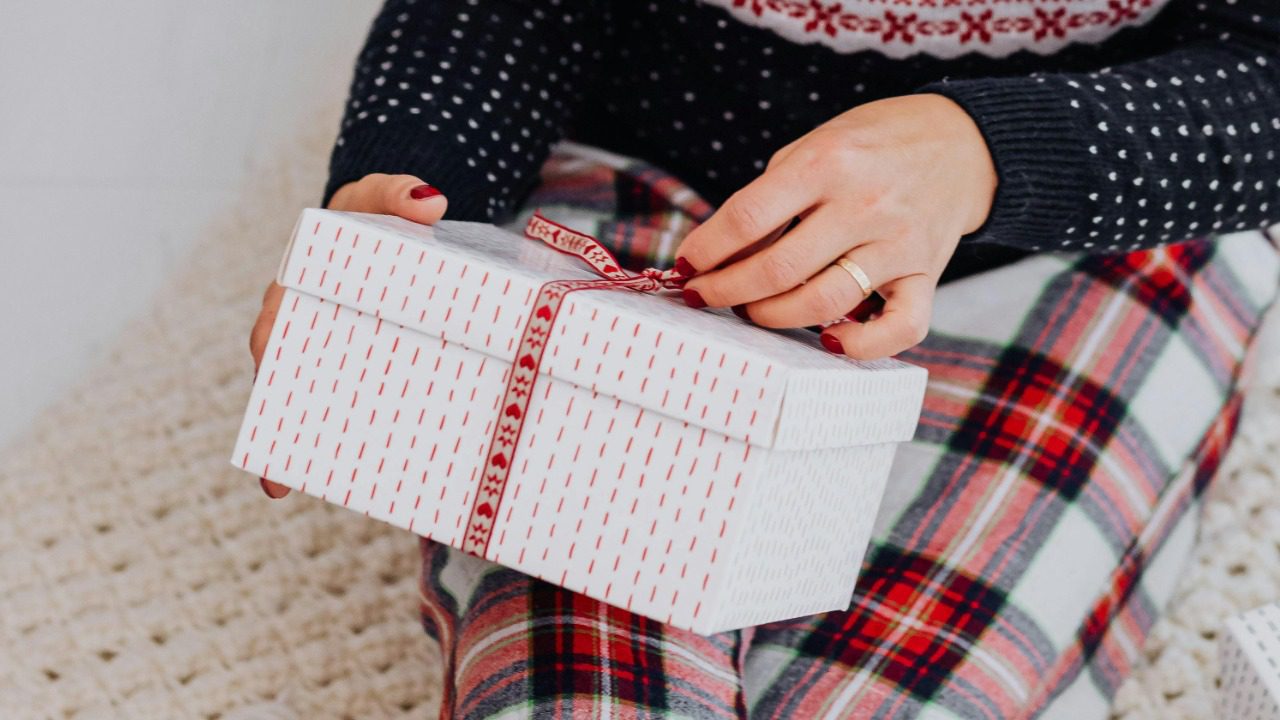
Gifts can be particularly hard to part with because we often feel guilty for wanting to get rid of them. But remember, the true purpose of a gift is to bring joy—if it’s not doing that, it’s okay to let it go.
Try to detach the item from the person who gave it to you. Remember, they wouldn’t want you to feel burdened by their gift. You can also take a photo of the item to remember it by, then donate or sell it to someone who will truly appreciate it.
4. “I don’t have time to declutter.”

We all lead busy lives, and decluttering can seem like a big task. But it doesn’t have to be done all at once. You can start small—just five minutes a day can make a big difference.
Try setting a timer for five minutes each day and declutter one small area. You’ll be surprised at how much you can accomplish in a short amount of time. And the more you do it, the easier it gets.
5. “I don’t know where to start.”

Feeling overwhelmed is common when it comes to decluttering. But the key is to start small. Don’t feel like you need to tackle your entire house in one go.
Choose one small area to start with, like a drawer or a shelf. Once you’ve decluttered that area, move onto the next. Each small victory will give you the motivation to keep going.
6. “I’ll do it later.”

Procrastination is a common roadblock to decluttering. But the longer you put it off, the more daunting it becomes.
Try to tackle decluttering as soon as you can. Remember, it doesn’t have to be a huge task. Just five minutes a day can make a big difference.
7. “I’m too tired.”

It’s true, decluttering can be tiring. But it can also be energizing. Seeing progress can give you a sense of accomplishment and motivate you to keep going.
Try to make decluttering a habit. Do a little bit each day, and before you know it, you’ll have made a big difference.
8. “It’s too hard.”
Decluttering can be emotionally challenging, especially when it comes to sentimental items. But remember, you’re not getting rid of memories—just things.
Take photos of sentimental items before you let them go. This way, you can keep the memories without the physical clutter.
9. “I’m not sure what to do with it.”

If you’re not sure what to do with an item, it’s easy to just keep it. But there are many options available. You could sell it, donate it, recycle it, or even give it to a friend.
Do some research to find out what options are available in your area. You might be surprised at how many organisations would be grateful for your unwanted items.
10. “It’s too big to move.”

Large items can be challenging to declutter. But there are services available that can help. Many charities offer pick-up services for large items, and there are also junk removal companies that can help.
Don’t let the size of an item stop you from decluttering. With a little bit of planning, you can find a solution.
11. “I feel guilty.”

Guilt is a common emotion when it comes to decluttering. But remember, your home should be a place of peace and joy—not guilt.
If you’re feeling guilty about letting something go, try to understand why. Once you’ve identified the source of your guilt, it will be easier to let go.
12. “It’s in good condition.”

Just because something is in good condition doesn’t mean you need to keep it. If it’s not serving a purpose or bringing you joy, it’s just taking up space.
Consider donating items in good condition. They could bring joy to someone else and help a good cause at the same time.
13. “I’ll lose weight and fit into it again.”
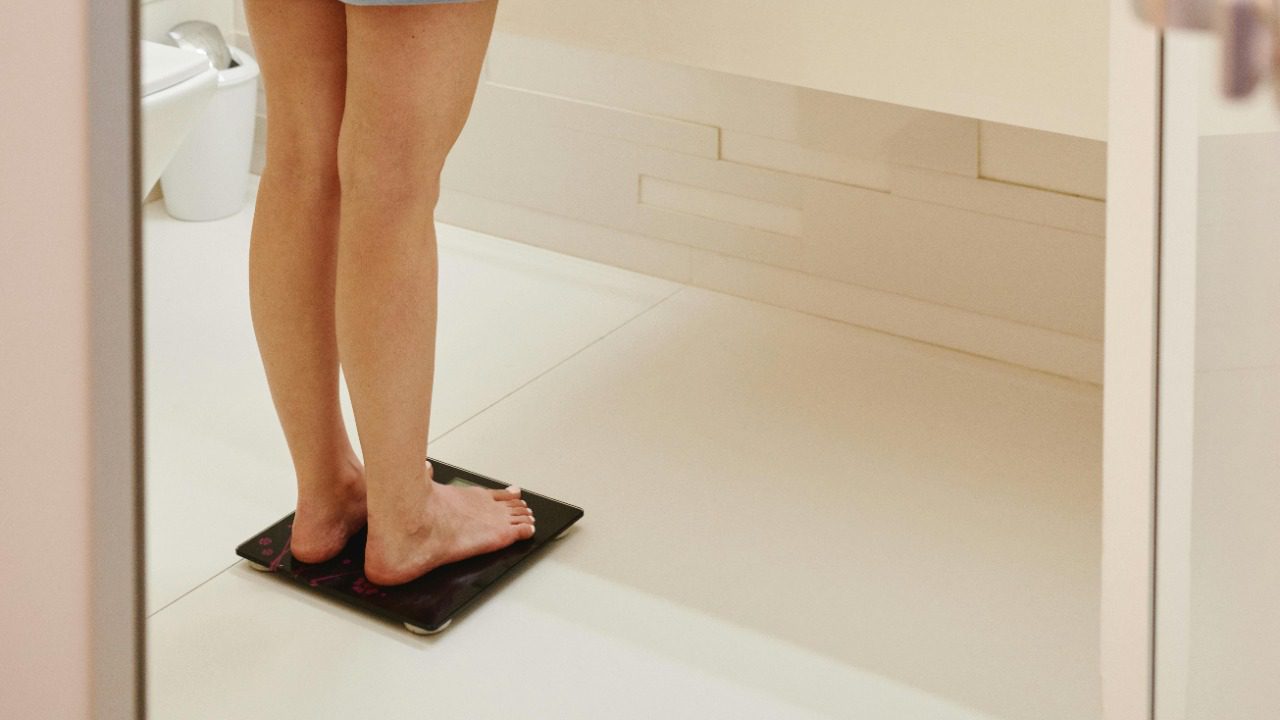
Clothing can be a tricky area to declutter. But holding onto clothes that don’t fit isn’t helping anyone.
Remember, your wardrobe should make you feel good now—not in a hypothetical future. Donate or sell the clothes that don’t fit, and make room for items that make you feel great.
14. “I’m sentimental.”
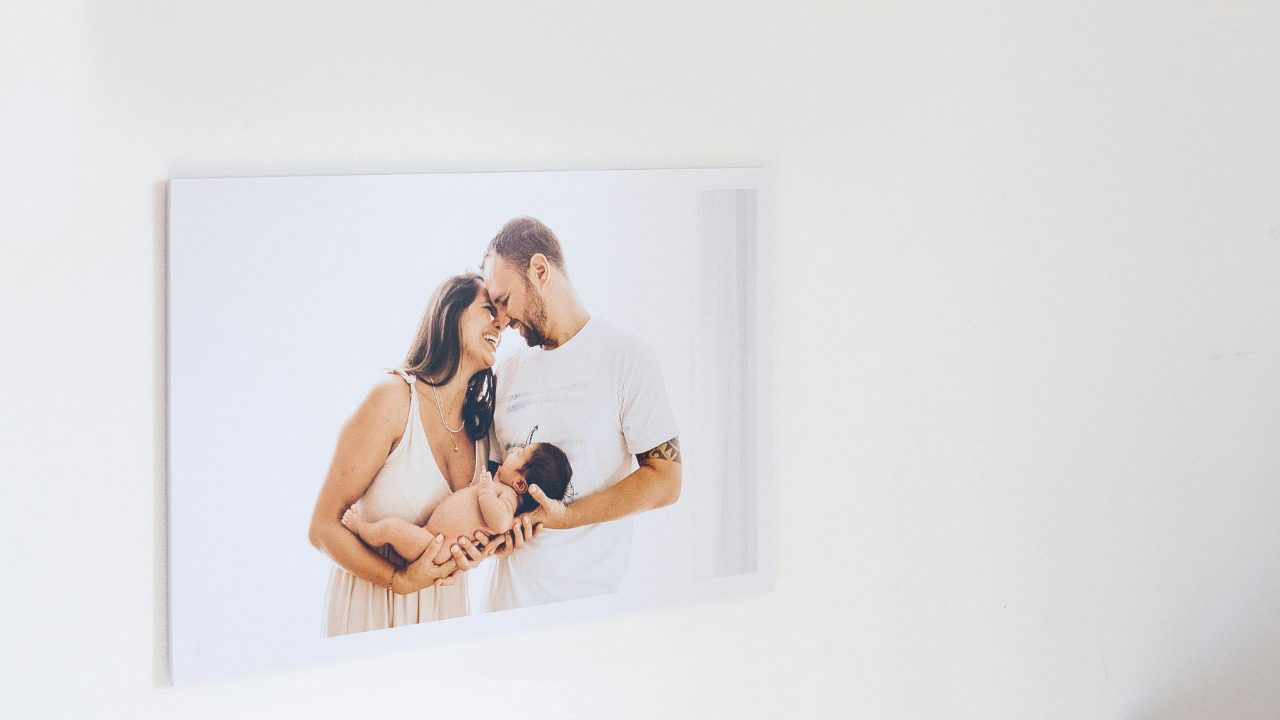
It’s okay to be sentimental. But remember, you’re not getting rid of memories—just things.
Take photos of sentimental items before you let them go. This way, you can keep the memories without the physical clutter.
15. “It’s part of a set.”
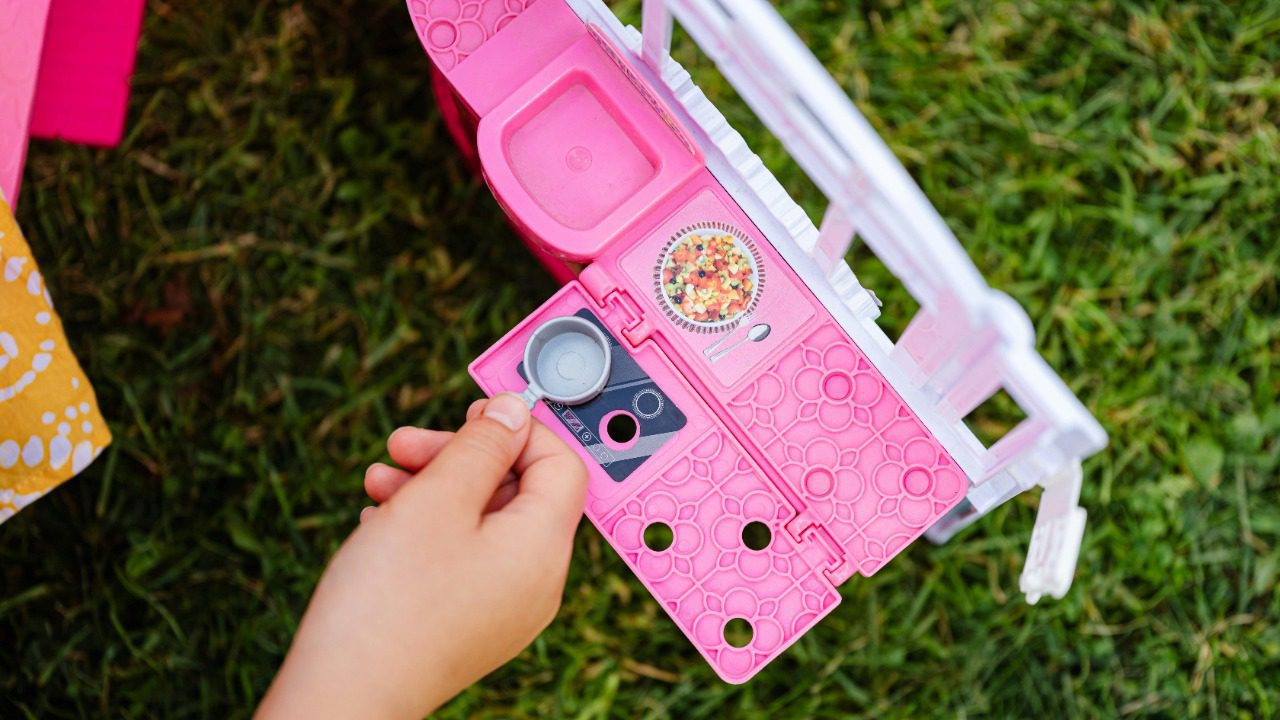
Just because something is part of a set doesn’t mean you need to keep it. If you’re not using all parts of the set, consider letting some of it go.
Remember, the purpose of items is to serve you—not the other way around. If part of a set isn’t serving a purpose, it’s okay to let it go.
16. “I might fix it someday.”
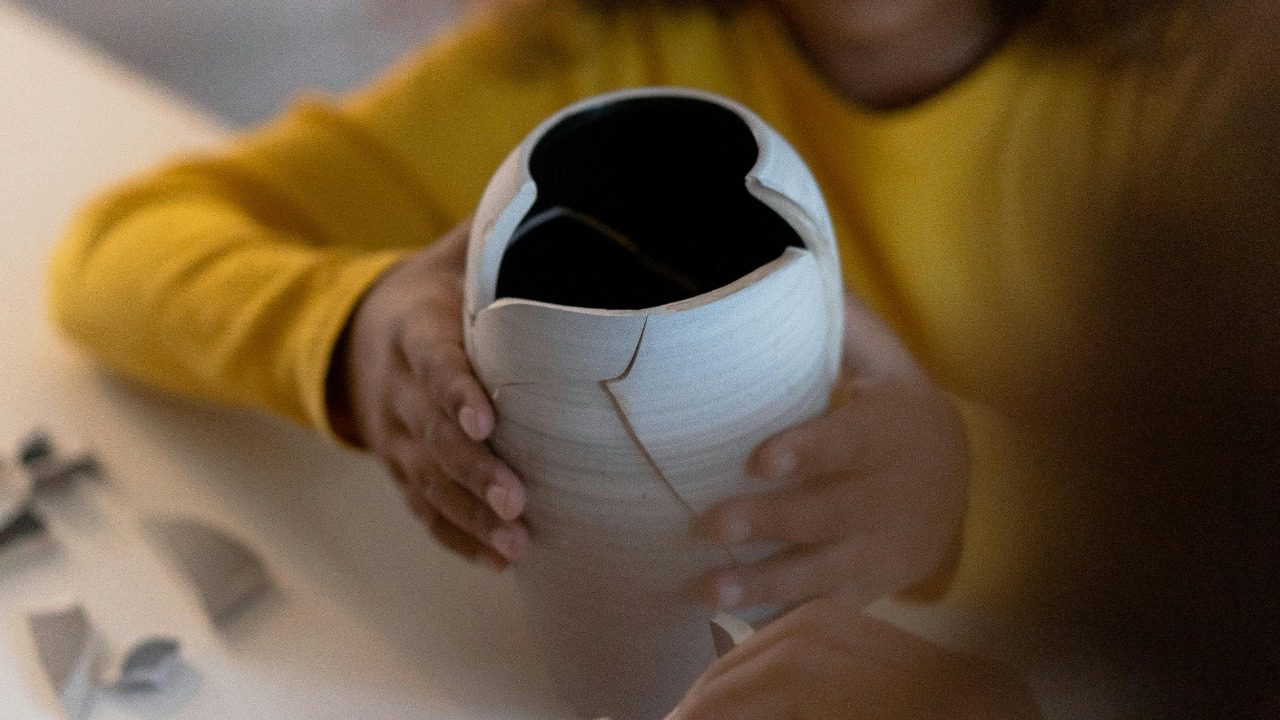
If you’ve been holding onto broken items with the intention of fixing them, consider whether you’ll realistically ever get around to it. If not, it’s time to let it go.
Remember, your home should be a place of peace and joy. Broken items can bring stress and frustration. Let them go, and enjoy the freedom that comes with decluttering.