When it comes to decluttering, it’s easy to find excuses not to start. You may feel overwhelmed by the amount of stuff you have, unsure of where to start, or worried about getting rid of things you might need later.
However, decluttering can bring a multitude of benefits, from improved mental wellbeing to more efficient use of space. In this post, we’ll debunk 16 common excuses that are holding you back from a clutter-free life.
1. “I spent a lot of money on it.”

It’s tough to part with items that were expensive, but remember: the money has already been spent, whether you use the item or not. Keeping it around won’t get your money back. Instead, it’s taking up valuable space and potentially causing stress. If the item is still in good condition, consider selling it to recoup some of the cost.
2. “I don’t have time to declutter.”

The reality is, everyone can make time for what’s important to them. You don’t need to devote an entire weekend to decluttering; even just 15 minutes a day can make a significant difference over time. Start by setting a timer and focusing on one drawer, one shelf, or one corner of a room. You’ll likely be surprised by how much you can accomplish in a short amount of time.
3. “I might need it someday.”

This is a classic excuse we use to justify keeping items we rarely or never use. The truth is, if you haven’t used something in the past year, there’s a good chance you won’t use it in the future. Instead of clinging to “just in case” items, try adopting a “just in time” mindset. This means trusting that you’ll be able to find or replace an item if you truly need it in the future.
4. “It was a gift.”

Many of us feel guilty getting rid of items that were given to us as gifts. While it’s important to appreciate the sentiment behind the gift, holding onto something you don’t use or love doesn’t benefit anyone. Remember, the person who gave you the gift wants you to be happy, and if parting with the gift makes you happier, it’s the right thing to do.
5. “It has sentimental value.”

While it’s true that certain items hold sentimental value, it’s essential to remember that memories are not stored in objects, but in our minds. Photographs and a select few mementos are enough to keep the memory alive. Don’t let sentimentality become a reason for clutter.
6. “I’ll lose weight and fit into it again.”

Clothes that don’t fit take up closet space and can make you feel guilty every time you see them. Dress for the body you have now. If you do lose weight later, you’ll likely want to reward yourself with new clothes rather than old ones.
7. “It’s too big to deal with.”

Large items can be intimidating to declutter, but they also take up a lot of space. Start by researching how to best dispose of or donate the item, then set a date to get it done. Breaking the task into smaller steps can make it feel more manageable.
8. “I don’t know where to start.”

Start with what’s easiest for you. It could be a drawer, a closet, or a room – whatever feels manageable. The key is to start somewhere, and once you do, you’ll find it gets easier to keep going.
9. “I’ll do it when I move.”

Moving is a great opportunity to declutter, but why wait? The less you have, the easier and cheaper your move will be. Plus, you’ll be able to enjoy your clutter-free home in the meantime.
10. “I can’t get rid of something that’s still good.”
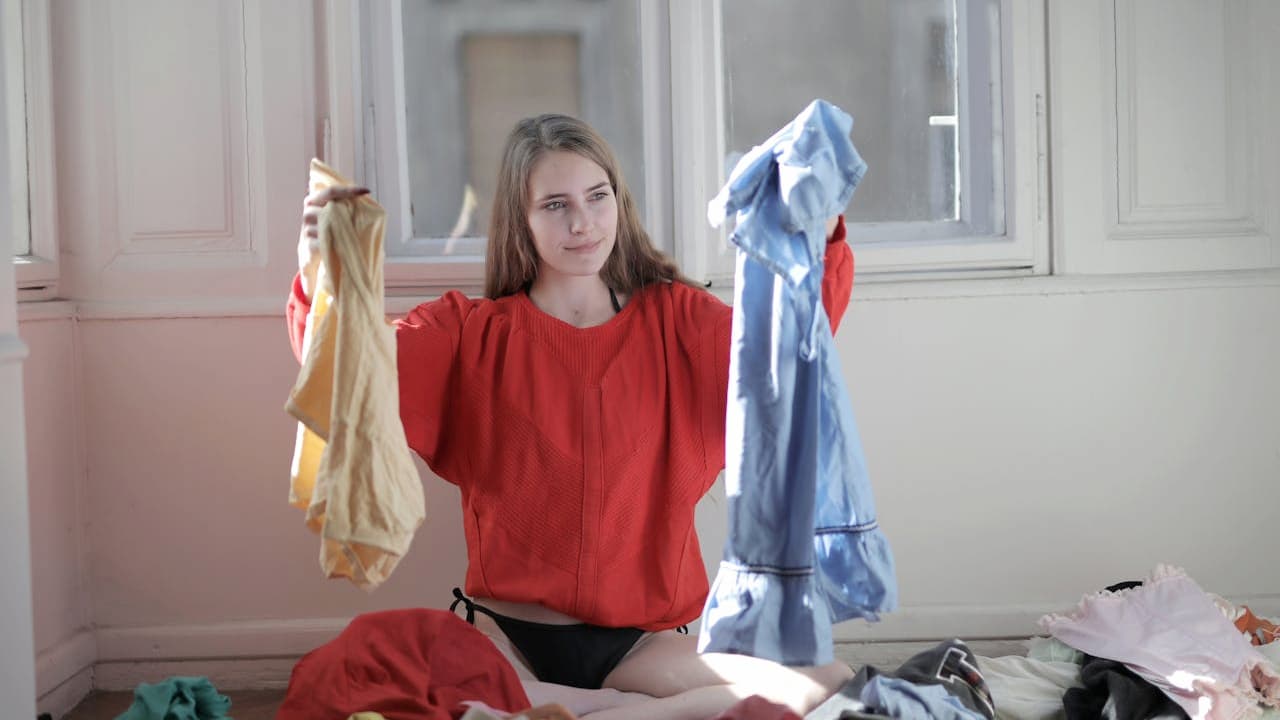
Just because something is still in good condition doesn’t mean it’s serving you. If you’re not using it, it’s just taking up space. Consider donating or selling it to someone who will get use out of it.
11. “My kids might want it.”

While it’s true that your kids might want some of your items, they likely don’t want or have space for everything. Talk to them about what they’d like to keep and what they’re okay with you getting rid of.
12. “It has bad memories.”

Holding onto items with bad memories can be detrimental to your mental health. It’s okay to let go of these items and move forward.
13. “I’m too tired to declutter.”

Decluttering can be physically and emotionally draining, but remember: the end result is worth it. Take it slow, and don’t forget to take breaks when you need to.
14. “I’m not sure what to do with it.”

When you come across items you’re unsure of, set them aside and continue decluttering. Once you’re done, you can research how to best dispose of, recycle, or donate these items.
15. “What if I regret getting rid of it?”

Regret is a common fear when decluttering, but in reality, it’s rare to miss items once they’re gone. If you’re unsure, try boxing up the item and storing it out of sight. If you don’t miss it after a few months, you can feel confident about letting it go.
16. “I don’t have enough storage.”

The problem usually isn’t a lack of storage but too much stuff. Instead of buying more storage solutions, focus on decluttering and organizing what you have.
Remember, decluttering is a process, and it’s okay to move at your own pace. The important thing is to start and keep going. You’ll thank yourself later.