Decluttering can feel like a fresh start. Sometimes the process ends up costing you more instead of saving you money.
Many people make common mistakes that lead to wasted time, unnecessary purchases, or missed opportunities to actually free up space and cash.
Holding onto expensive items out of guilt

You might hold onto items because you feel guilty about the money spent. This is a common feeling but can stop you from making space and saving money in the long run.
Remember, the cost is already spent. Keeping things just because they were expensive can lead to clutter that costs you more over time.
Try to focus on the value the item brings to your life now, not the price you paid. Letting go can free up both space and peace of mind.
Sorting clutter before deciding why you keep it

You might be tempted to sort first and then decide what to keep. But this often leads to saving more than you need.
Instead, ask yourself why an item matters to you before placing it in a pile. Does it serve a purpose, bring joy, or hold meaning?
Ignoring the root cause of clutter buildup

If you don’t understand why clutter keeps piling up, your efforts will only offer temporary relief. You might clear a space but not fix the habits or emotions behind the clutter.
Take time to notice what triggers you to accumulate items. Shopping to feel better or holding on to things out of guilt are common reasons.
Overthinking what to keep or toss

You might find yourself stuck, handling the same item multiple times without deciding. This delays decluttering and keeps clutter around longer than necessary.
Overthinking causes you to hold on to things you don’t really need, which wastes space and can cost you money.
Try to set simple rules to decide quickly. If you haven’t used it in a year or it doesn’t add value, it’s probably time to let it go.
Keeping duplicates because you can’t find originals

When you can’t find an item, it’s tempting to buy a duplicate. This often means spending money unnecessarily on things you already own.
Keeping fewer items but organizing them well helps you locate originals faster.
By reducing duplicates, you save both space and money. Plus, it makes your home less cluttered and easier to maintain.
Not selling unused items that still have value
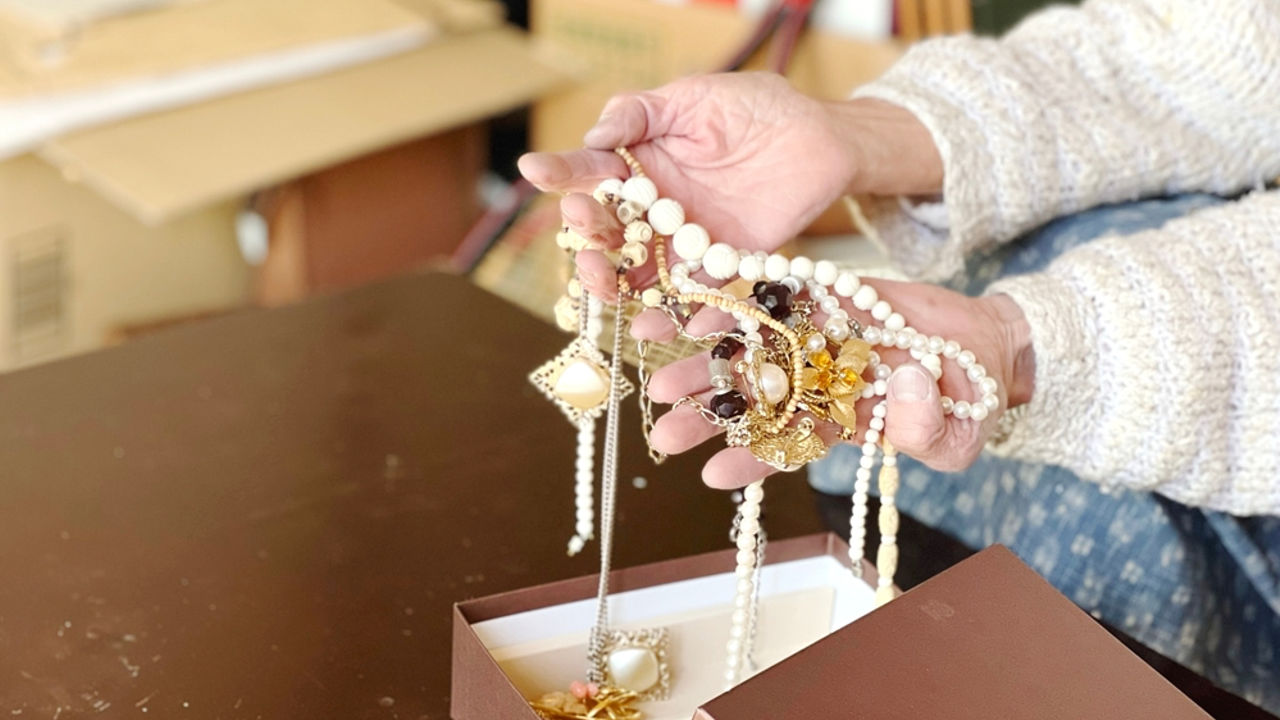
You might hold on to items thinking you’ll use them later, but they could still have value now. Selling these things can free up space and put cash in your pocket.
Start by picking one item and listing it online. This helps you understand the effort involved without feeling overwhelmed.
Set a minimum price that makes selling worthwhile for you. Sometimes it’s better to sell than let valuable items sit unused.
Donating items without detaching emotionally

When you donate, it’s important to let go of the emotional ties you have to your items. Holding onto feelings can make it harder to part with things, reducing the benefit of decluttering.
Remember, the value is in freeing up your space, not in keeping memories trapped in objects. Focus on the positive impact your donation can have on others instead of what you’re losing.
Believing decluttering wastes money spent

You might feel that getting rid of things means wasting the money you spent on them. But holding on to items you don’t use often ties up your space and energy.
Keeping clutter because of past spending can stop you from making better choices now. Remember, the money is already spent.
Failing to set daily decluttering goals

If you don’t set small daily goals, decluttering can feel overwhelming. Without clear targets, it’s easy to procrastinate and let clutter pile up.
Setting simple, achievable goals helps you make steady progress. Even 10-15 minutes a day can save you time and money by preventing clutter buildup.
Not tracking where clutter accumulates most

You might overlook which areas in your home gather the most clutter. Without noticing this, you risk letting mess build up repeatedly in the same spots.
Pay attention to spaces where clutter shows up often. This helps you target your efforts more effectively and prevents unnecessary spending on replacements or storage solutions.
By tracking clutter hotspots, you can create focused habits that keep those areas tidy.
Buying storage solutions before decluttering

You might feel eager to buy storage bins or organizers first, but hold off. If you haven’t decluttered yet, you don’t really know what you need to store.
Buying storage too early can lead to spending on unnecessary items. It might also tempt you to keep more stuff instead of letting go.
Focus on sorting and removing clutter first. Once you know what’s left, you can choose storage solutions that fit your actual needs.
Keeping items as ‘just in case’ habit

You might hold on to things because you think you’ll need them someday. This “just in case” habit can quietly take up space and add hidden costs like storage or replacement when items get lost or damaged.
It’s okay to keep a few essentials, but ask yourself how likely it is you’ll actually use the item. Letting go of rarely needed things can free up money and space in your home.
Skipping decluttering of bills and documents

If you don’t regularly sort through your bills and documents, you might miss outdated subscriptions or duplicate services. This can lead to paying for things you no longer use.
Keeping piles of paper can also make it harder to spot payment errors or overdue bills, which can result in late fees.
Take a few minutes each week to review and organize your paperwork. This helps you stay on top of your expenses and avoid unnecessary costs.
Letting clutter cause late payment fees

When your bills and important papers get lost in clutter, it’s easy to miss due dates.
Missing payments can lead to late fees, which add up quickly and cost you more money. Keeping your bills organized helps you pay on time and avoid unnecessary charges.
Underestimating time spent searching for lost items

You might not realize how much time you waste looking for things you’ve misplaced. Even small clutter can make it harder to find everyday items quickly.
This lost time adds up and can cost you money by reducing your productivity. Organizing regularly helps cut down on these search sessions and keeps your day running smoothly.
Confusing sentimental value with financial value

You might hold onto items because of the memories attached. Sentimental value doesn’t always equal financial worth. Keeping too many things just for emotional reasons can take up space. It can make it harder to see what really matters.
When decluttering, try to separate your feelings from the actual value. This helps avoid keeping stuff that doesn’t serve you financially or practically.