In our quest to achieve a clean, organized, and clutter-free environment, we often stumble upon a plethora of decluttering tips and tricks. While some of them are genuinely helpful, others might not actually deliver the results we desire. The truth is, not all decluttering strategies are created equal and some can even end up creating more mess and stress.
Let’s discuss decluttering tips that don’t really work, and why they might be adding to your clutter challenges instead of solving them.
1. Buying more storage solutions before decluttering
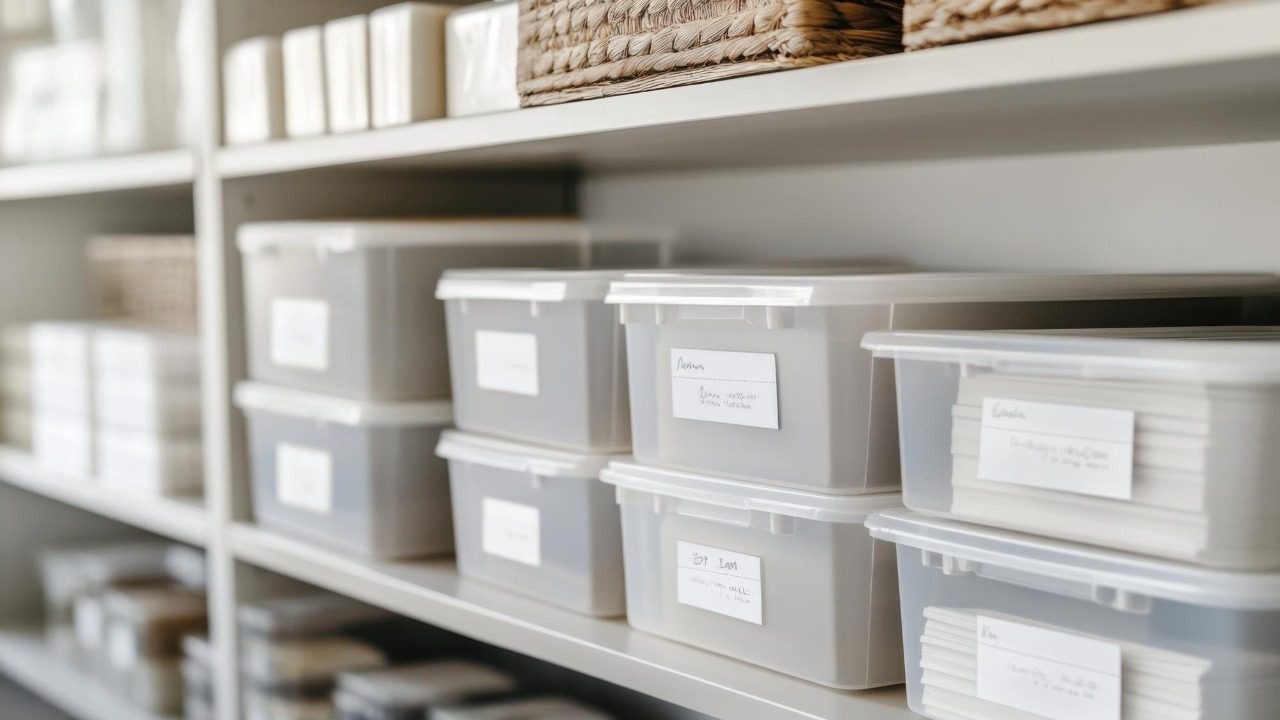
A common misconception is that buying more storage solutions will automatically help in decluttering. However, this is not always the case. Buying more boxes, bins, and organizers before actually sorting through your items often results in unnecessary spending and more clutter.
Before rushing to buy storage solutions, it’s better to sort and declutter your belongings first. This way, you can assess what you truly need in terms of storage. Decluttering first will also help you see the amount and types of items you have, allowing you to choose storage solutions that are suitable for your needs.
2. Trying to declutter everything at once

While it might be tempting to declutter your entire home in one go, this approach is often overwhelming and unproductive. It’s easy to burn out and lose motivation when you try to tackle everything at once.
Instead of trying to declutter your entire house in one day, break it down into manageable tasks. Start with one room or even one drawer. This way, you can see your progress and feel a sense of accomplishment, motivating you to continue with the decluttering process.
3. Keeping items for a ‘just in case’ scenario

While it’s sensible to keep certain items for potential future use, holding onto too many ‘just in case’ items can lead to a cluttered home. These items take up valuable space and make it harder to find and access the things you regularly use.
A practical rule to follow is the “One Year Rule”. If you haven’t used an item in a year, chances are you won’t use it in the future either. Donating, selling, or recycling these items can help reduce clutter and free up space in your home.
4. Not having a plan

Decluttering without a plan can lead to wasted time and effort. Without a clear strategy, you might find yourself moving items from one place to another, instead of actually reducing clutter.
Before you start decluttering, make a plan. Decide which areas you will tackle first, and what you will do with the items you decide to get rid of. Having a plan will make the decluttering process more efficient and effective.
5. Keeping things because they were expensive

Often, we hold onto items simply because they were expensive, even if we no longer use or love them. This can lead to a lot of unnecessary clutter in our homes.
Remember, the money you spent on these items is gone, whether you keep them or not. If an item is no longer serving a purpose or bringing you joy, it’s time to let it go. You can sell it to recoup some of the cost, or donate it to someone who will truly appreciate it.
6. Keeping items out of guilt

Sometimes, we keep things because we feel guilty about getting rid of them. This is especially true for gifts or inherited items. However, keeping items out of guilt can lead to a cluttered home and feelings of resentment.
It’s important to remember that it’s okay to let go of items, even if they were gifts or inherited. Your home should be filled with items that you love and use, not things that make you feel guilty or stressed.
7. Not setting aside time to maintain decluttered spaces

Decluttering is not a one-time event, but an ongoing process. If you don’t set aside time to maintain your decluttered spaces, they can easily become cluttered again.
Schedule regular times to go through your belongings and declutter. This could be once a week, once a month, or whatever works best for you. Regularly maintaining your spaces will help keep them clutter-free and organized.
8. Not getting the whole family involved

If you live with others, decluttering can be a challenge if everyone isn’t on board. If only one person is doing all the decluttering, it’s easy for clutter to accumulate again.
Make decluttering a family activity. Not only will this distribute the work, but it will also help everyone in the household take ownership of their belongings and spaces. Plus, it’s a great way to spend time together and teach children about the importance of organization and decluttering.
9. Not taking before and after photos

While this might seem like a trivial tip, taking before and after photos can actually be a powerful motivation tool. Without visual evidence, it can be hard to see just how much progress you’ve made.
Before you start decluttering a space, take a photo. Then, take another photo once you’ve finished. Comparing these photos can help you see your progress and motivate you to continue decluttering.
10. Not having a donation box readily available

Without a designated place to put items for donation, it’s easy to just shove them back in a drawer or closet. Having a donation box readily available can make the decluttering process smoother and more efficient.
Find a box or bag and designate it for donations. As you declutter, place items you no longer want or need in the box. When the box is full, take it to a donation center. This will help keep your home clutter-free and make the decluttering process easier.
11. Not respecting your personal style and needs

One of the biggest mistakes people make when decluttering is not taking into account their personal style and needs. Just because a minimalist aesthetic works for one person doesn’t mean it will work for you.
When decluttering, consider your lifestyle and personal preferences. If you love books, it’s okay to have a large book collection. The goal of decluttering is not to get rid of everything, but to create a space that feels comfortable and functional for you.
12. Not having a place for everything
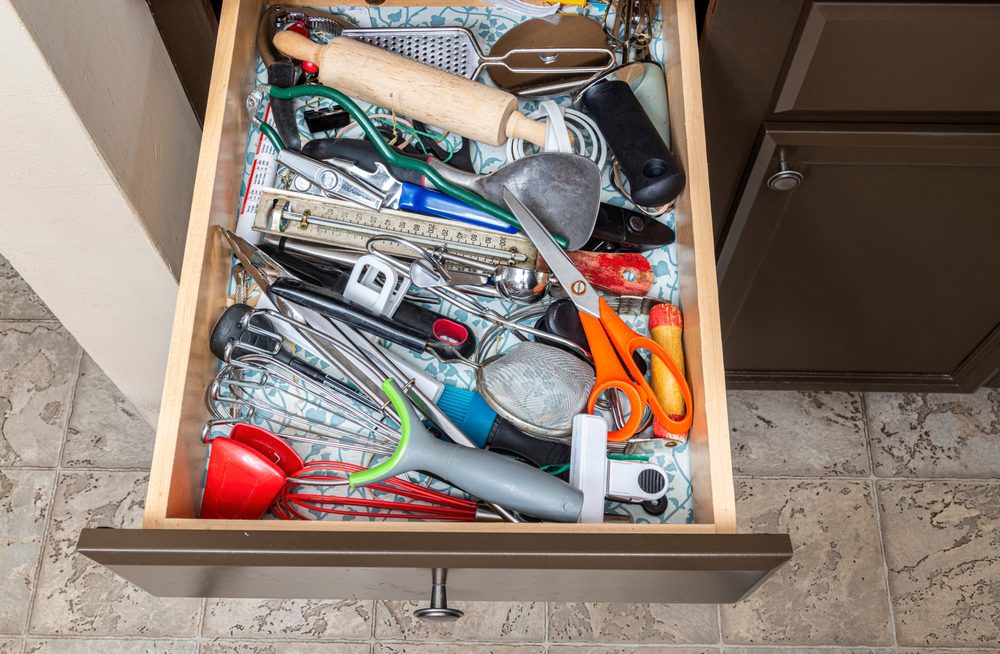
If everything in your home doesn’t have a designated place, it’s easy for clutter to accumulate. When things don’t have a home, they end up in piles or shoved in drawers.
As you declutter, make sure every item has a designated place. This will make it easier to keep your home organized and clutter-free.
13. Not decluttering digital spaces

In the digital age, clutter is not just a physical problem. Digital clutter can be just as overwhelming as physical clutter.
Take time to declutter your digital spaces. This includes your email inbox, computer files, and digital photos. Digital decluttering can help reduce stress and improve productivity.
14. Not defining what ‘clutter’ means to you

Everyone’s definition of clutter is different. For some, clutter might mean too many physical items. For others, it might be disorganization or items that don’t serve a purpose.
Before you start decluttering, define what clutter means to you. This will help guide your decluttering process and make it more effective.
15. Not being patient with the process

Decluttering takes time. It’s not something that can be done in a day or even a week. Being impatient with the process can lead to frustration and burnout.
Remember, decluttering is a journey, not a destination. Be patient with yourself and the process. Celebrate your progress, no matter how small.
16. Not enjoying the process

Lastly, decluttering shouldn’t be a chore. It should be an enjoyable process that brings you closer to the home you want.
Find ways to make decluttering fun. Listen to music, audiobooks, or podcasts while you work. Or, invite a friend over to help. Decluttering can be a rewarding process if you approach it with a positive mindset.