When you’re thinking about selling or updating your home, small details can make a big difference in how buyers see your property. Some features or design choices might unintentionally make your home seem older than it really is.
Knowing which details age your home can help you avoid mistakes that lower its appeal and value. Being aware of these factors gives you a better chance to keep your property looking fresh and attractive to potential buyers.
Aging HVAC system

If your home has an HVAC system that’s 16 years or older, it may be a sign that your property is aging. These systems often lose efficiency and can start needing frequent repairs.
You should inspect it closely for rust, cracks, or water damage during a walkthrough. Testing both heating and cooling functions can show if it’s still working properly.
Keep in mind, while some systems last longer, planning for a replacement or upgrade helps avoid unexpected costs later.
Outdated aluminum wiring
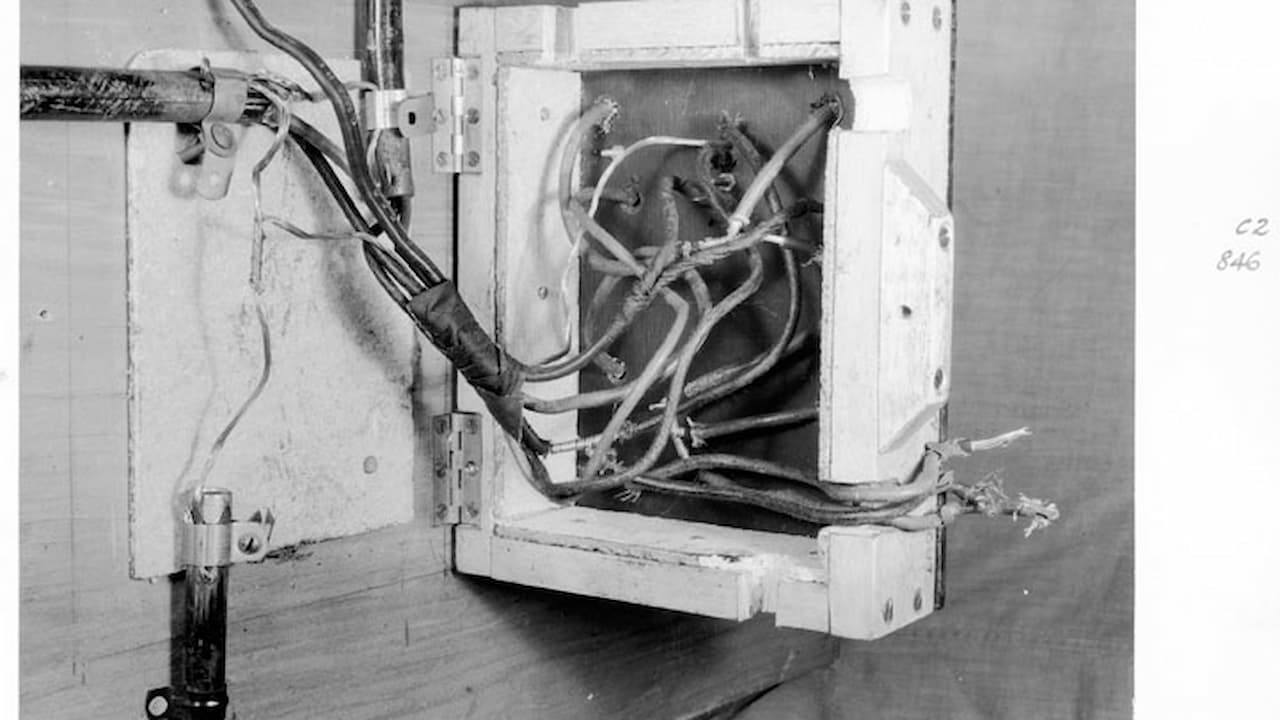
If your home has aluminum wiring, it can be a sign of age. While aluminum wiring was common decades ago, it can become a fire hazard as it ages or if not installed properly.
You might want to have an electrician inspect your wiring. Updating to copper wiring or using special connectors can improve safety without a full rewire.
Keeping this detail in mind helps you avoid future electrical problems and keeps your home feeling safe and modern.
Cracked plaster walls
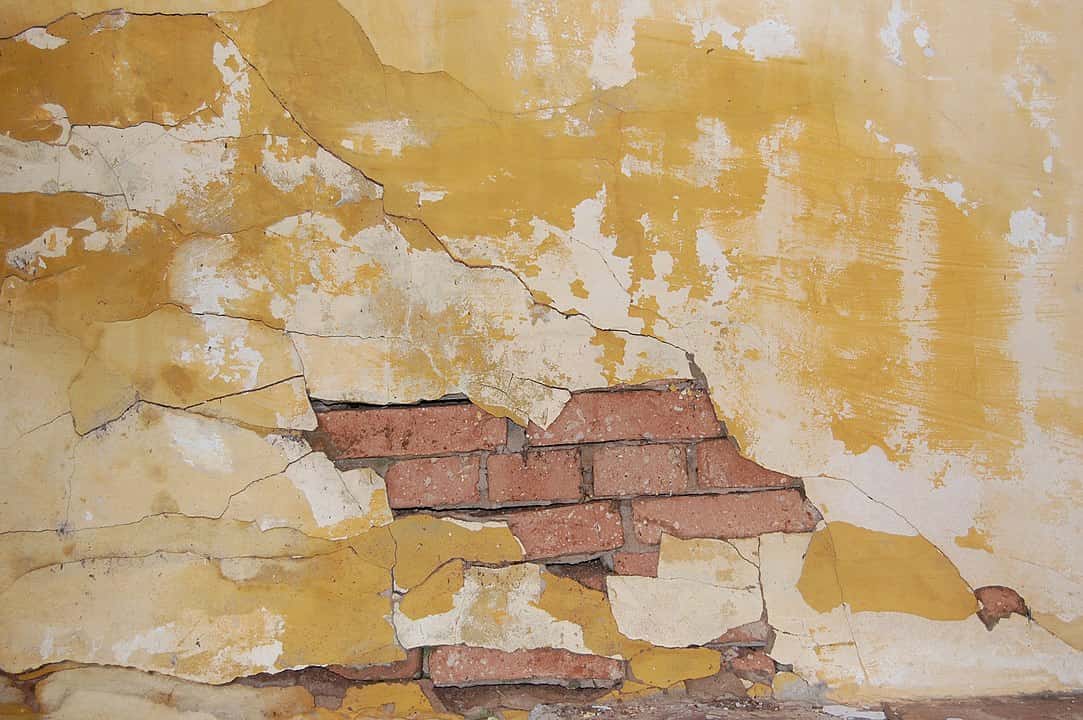
If you see cracks in your plaster walls, it’s often a sign of age or natural settling. These cracks usually appear near ceiling joints or where walls meet.
Changes in temperature and humidity can cause the wood structure behind the plaster to expand and contract, leading to small cracks.
While minor cracks are common, larger or growing cracks might indicate underlying issues. Fixing them early can help keep your walls looking fresh and solid.
Single-pane windows
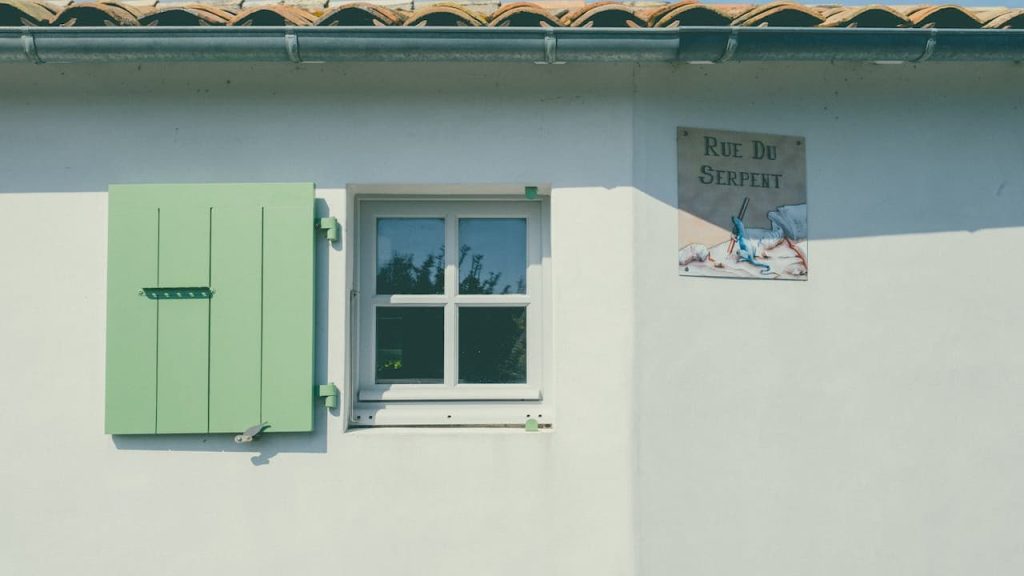
If your home still has single-pane windows, it’s a clear sign of age. These windows were common in older houses but don’t offer much insulation.
You might notice they feel colder in winter and let more noise in. Replacing them can improve your home’s comfort and energy efficiency.
While single-pane windows have a simple charm, updating them can make your home feel more modern without losing character.
Peeling exterior paint
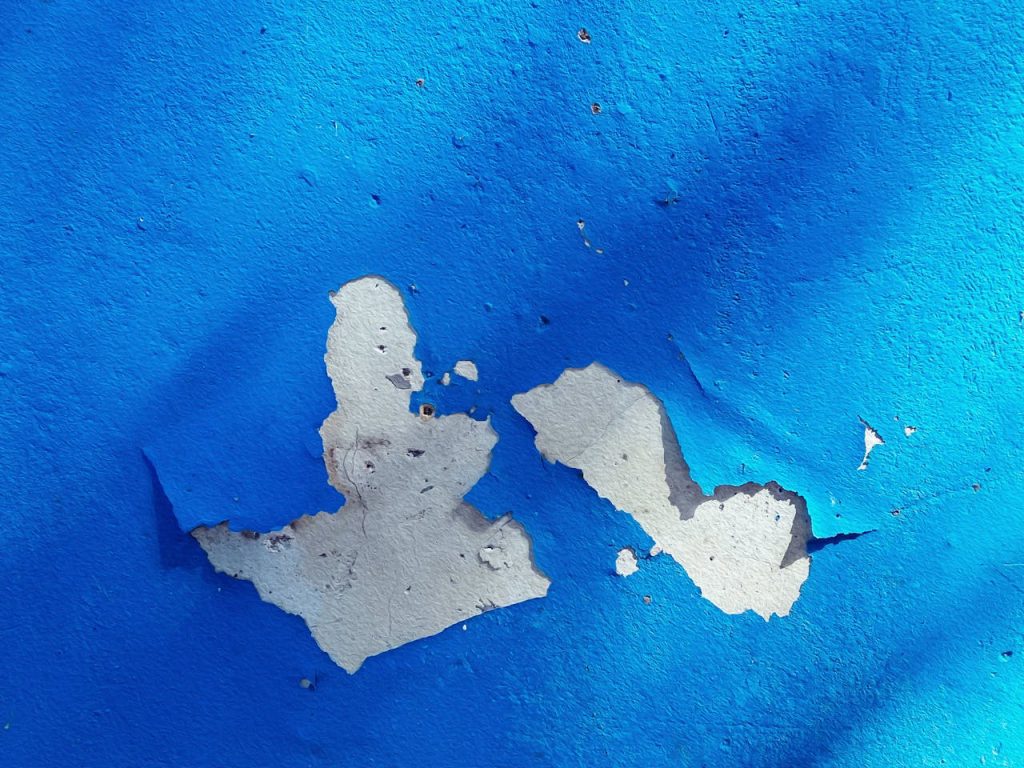
Peeling paint is one of the quickest ways to make your home look older. When paint starts to flake or blister, it often means moisture has gotten under the surface.
If you spot peeling paint, it’s important to scrape off the loose parts and address any underlying issues like moisture or poor surface preparation.
Taking care of peeling paint not only improves your home’s look but also protects the exterior from further damage.
Worn-out hardwood floors
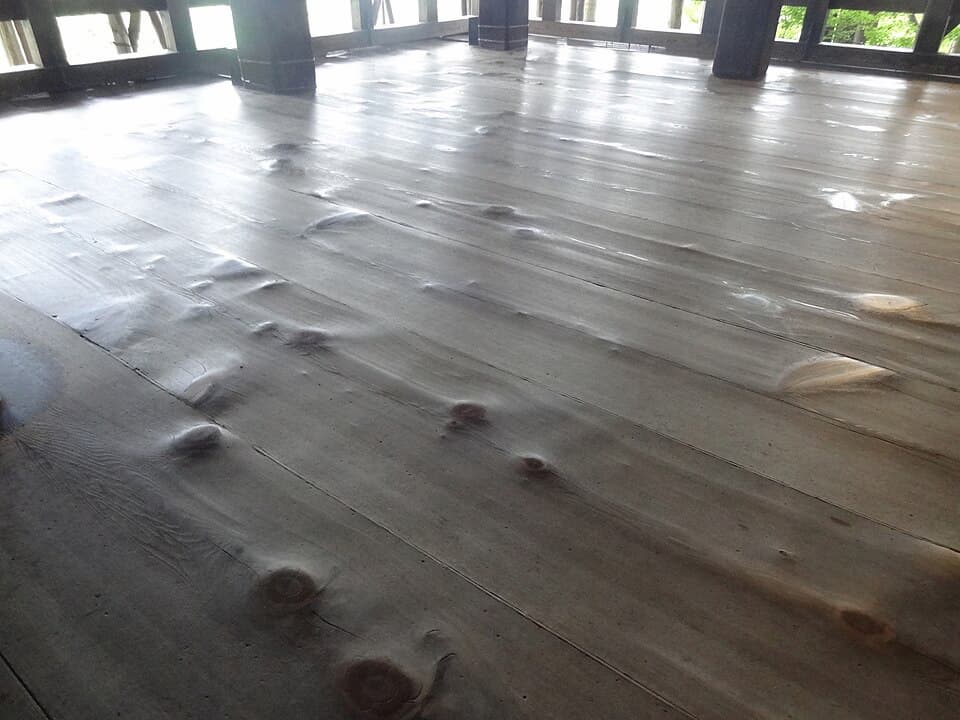
If your hardwood floors look dull or scratched, they can quickly make your home feel dated. But worn floors aren’t necessarily a lost cause.
You can often bring them back to life with refinishing, as long as the wood isn’t too thin or severely damaged. Taking care of your floors helps maintain your home’s character and value.
Old galvanized plumbing
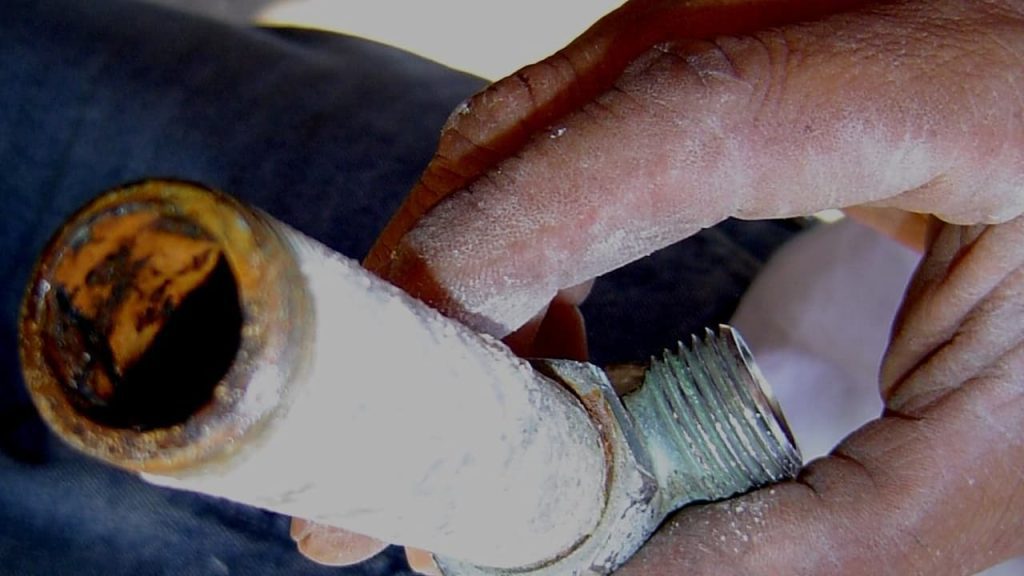
If your home has galvanized pipes, they may be nearing the end of their lifespan. These pipes typically last about 40 to 50 years, though some can reach up to 70 years with good care.
Over time, galvanized plumbing can corrode and develop leaks that are hard to spot. This can reduce water quality and cause damage to your walls or floors.
Upgrading old galvanized pipes can improve water flow and boost your home’s value. It’s a good idea to have a professional assess your plumbing if you suspect these pipes are still in use.
Inefficient knob-and-tube wiring
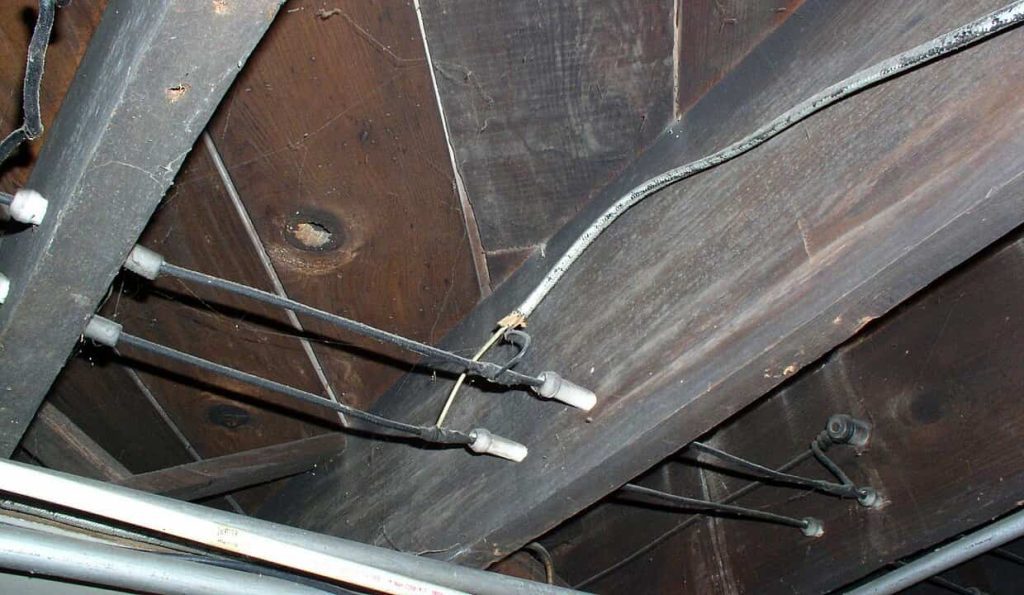
If your home still has knob-and-tube wiring, it’s a sign of an older electrical system. This type of wiring lacks grounding and can pose safety risks.
Knob-and-tube wiring is also less efficient and can’t handle modern electrical loads well. Insulating around it can increase fire hazards because it wasn’t designed for insulation contact.
Replacing it can improve safety and energy efficiency. It’s worth getting an electrician’s advice if you suspect your wiring is outdated.
Sagging or uneven rooflines
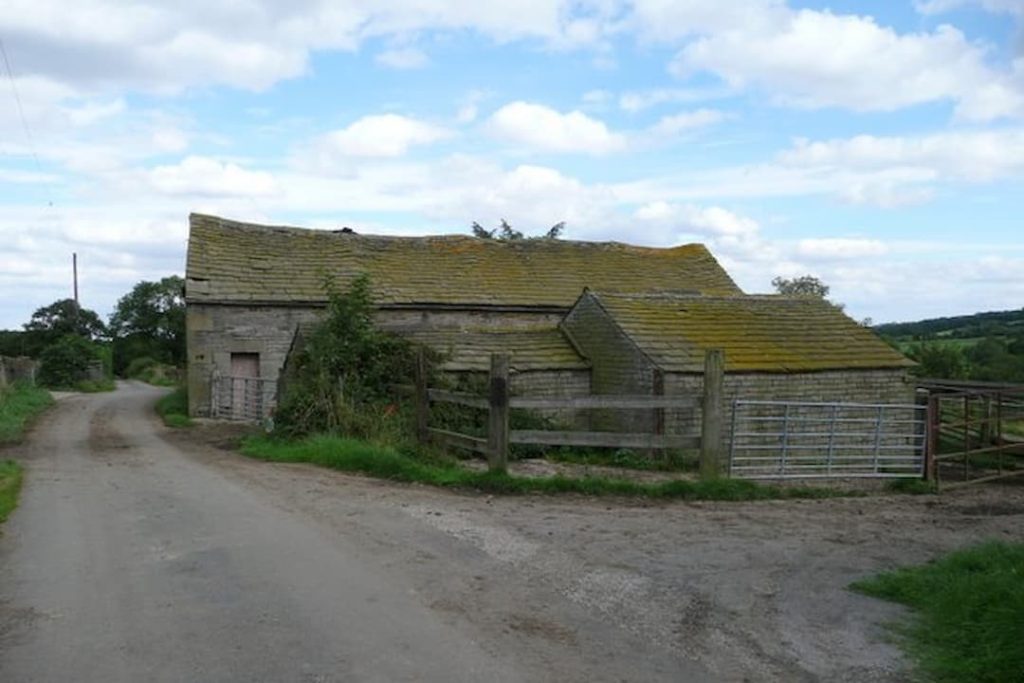
If you notice your roofline sagging or looking uneven, it’s a sign that something might be wrong. This can happen because of aging materials, water damage, or structural problems.
You should address these issues quickly since a sagging roof not only ages your home’s appearance but can also lead to bigger repairs. Keeping your roof in good shape helps maintain your home’s value and curb appeal.
Harsh fluorescent lighting
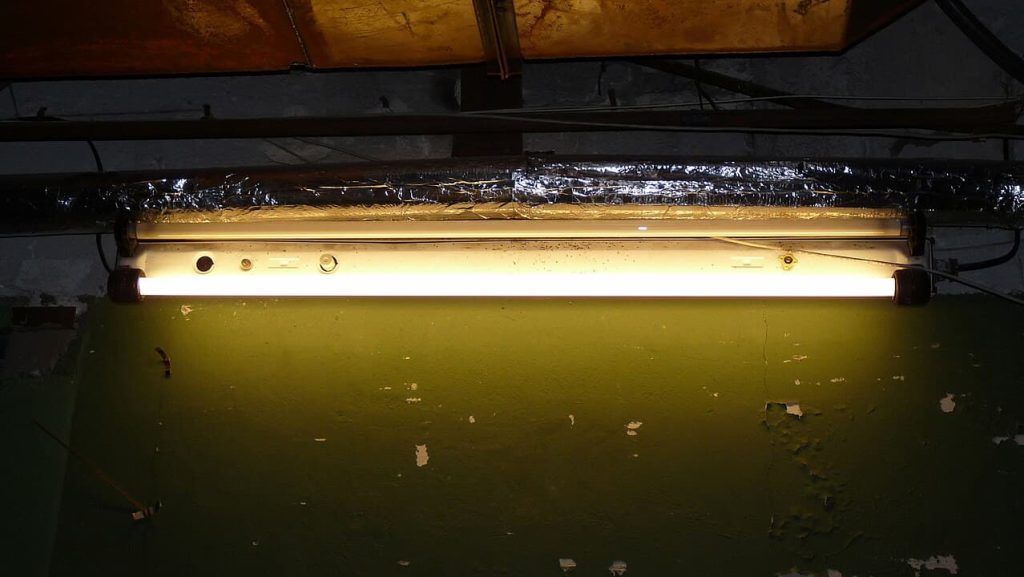
Fluorescent lights can make your space feel cold and uninviting. The bright, often harsh glow can cause eyestrain and make rooms look less cozy.
This type of lighting also casts unflattering shadows, emphasizing wrinkles or imperfections on faces. Switching to warmer, softer lighting instantly refreshes your home’s atmosphere.
Using covers or diffusers can help reduce the glare. It’s a simple way to create a more comfortable and appealing environment without a big renovation.
Dated kitchen cabinetry
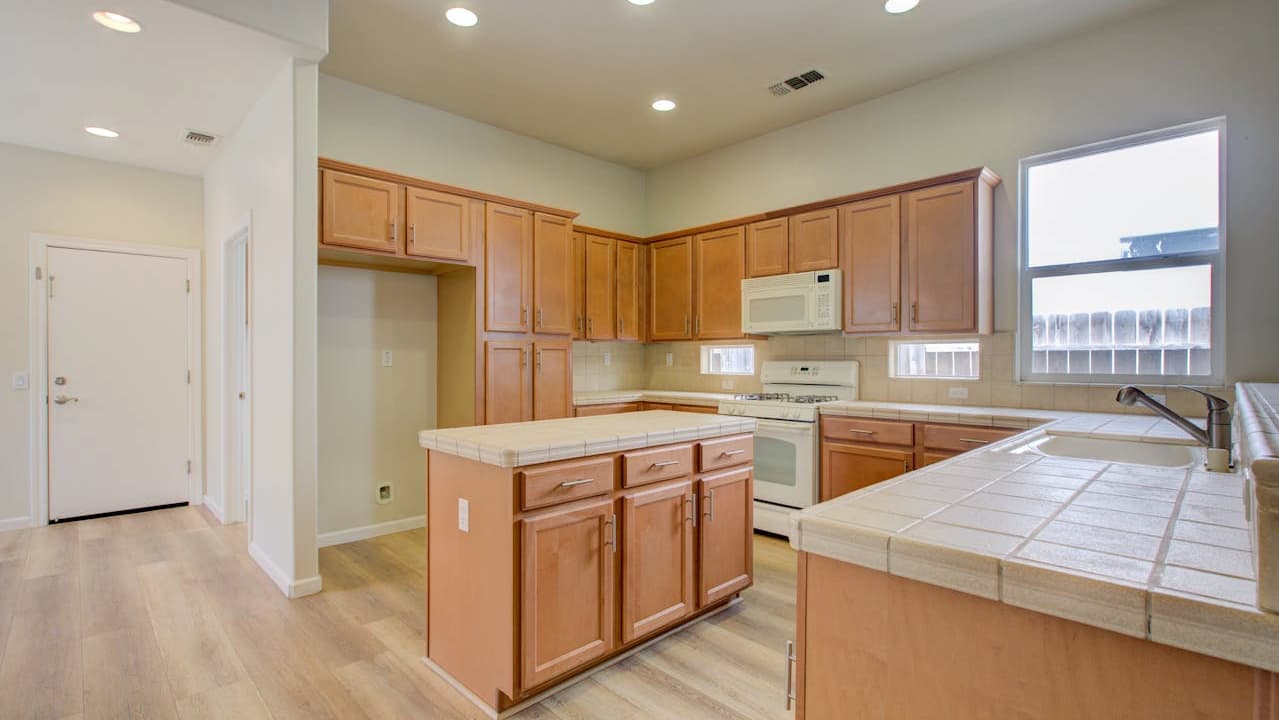
Your kitchen cabinets can quickly date your home if they follow old trends. Partial overlay doors, where the cabinet frame shows around the edges, are one example to avoid.
High-gloss finishes and cathedral arch details on cabinet doors also make your kitchen look older. Stippled paint effects add texture but can look outdated today. Choosing simple, clean lines and matte finishes helps keep your kitchen fresh.
Cracked concrete driveway
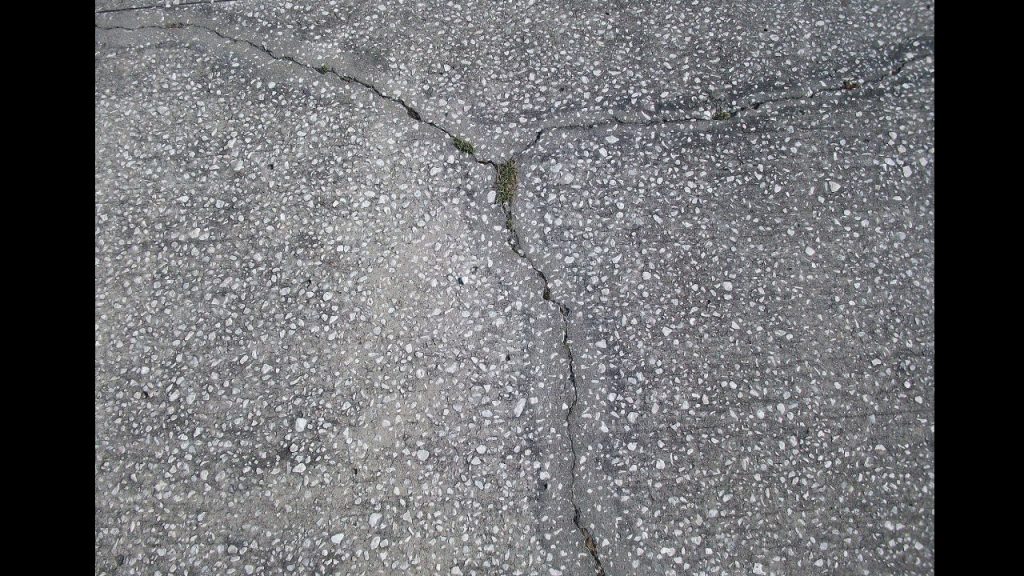
A cracked concrete driveway can quickly make your home look older than it is. Small cracks often happen because the ground beneath settles or due to changes in temperature and moisture.
If you catch cracks early, you can fill them with concrete sealer or caulk to prevent bigger damage. Regular maintenance helps keep your driveway looking fresh and well cared for.
Visible foundation cracks
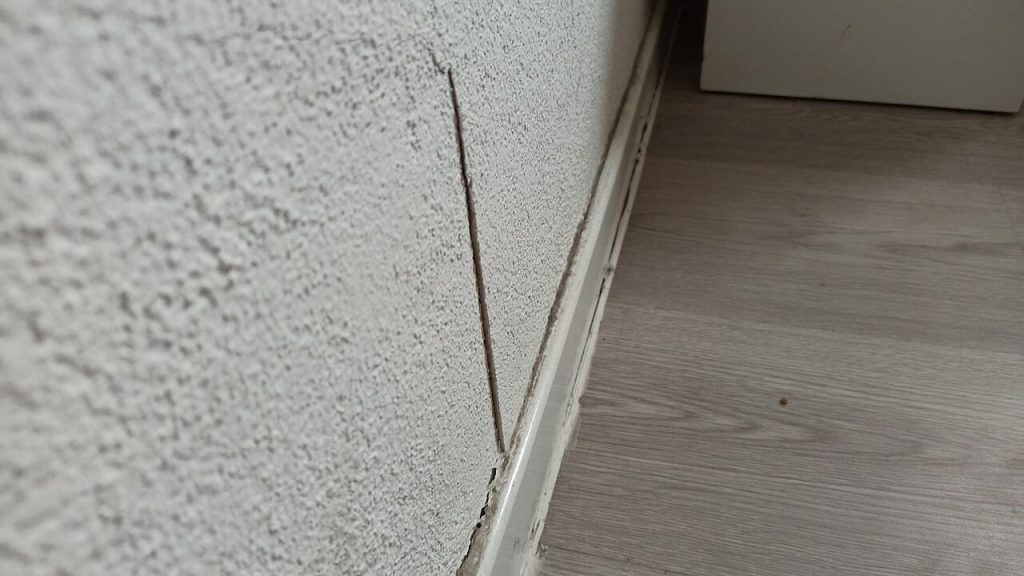
If you notice cracks in your foundation, don’t panic right away. Small, hairline cracks can be a normal part of your home’s settling process.
However, horizontal or diagonal cracks may indicate potential issues. The size and direction of the cracks matter.
Cracks larger than 1/16th of an inch or multiple widening cracks might need professional attention. Keeping an eye on these helps you maintain your home’s value.
Yellowed or cracked bathroom tiles
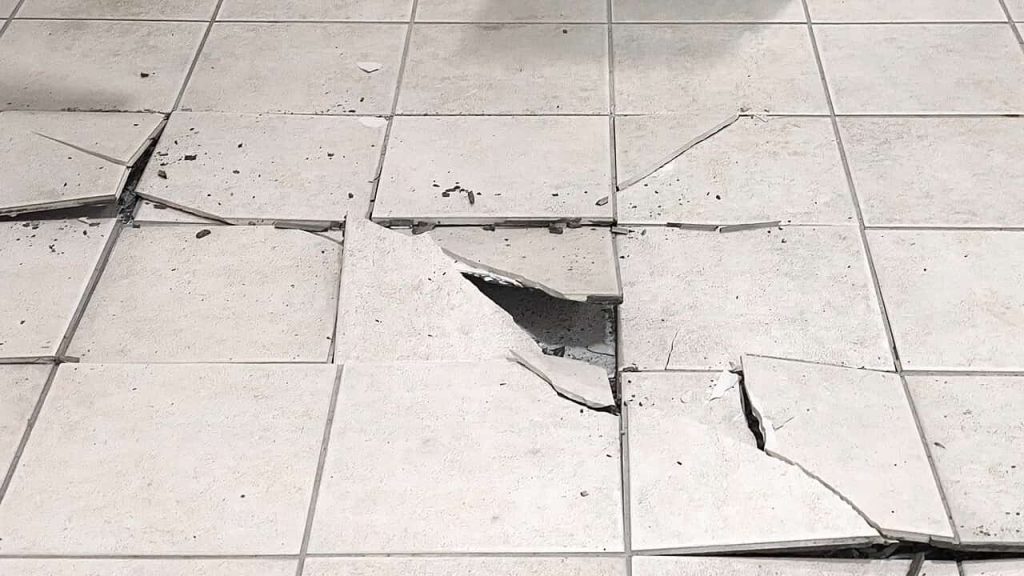
If your bathroom tiles look yellowed or stained, it can make the whole space feel outdated. This often happens when grout ages or collects dirt over time.
Cracked tiles are not just an eyesore but can also let water seep through, causing damage below. You might need to replace or regrout those tiles to refresh your bathroom’s look and protect your floors.
Warped wooden doors
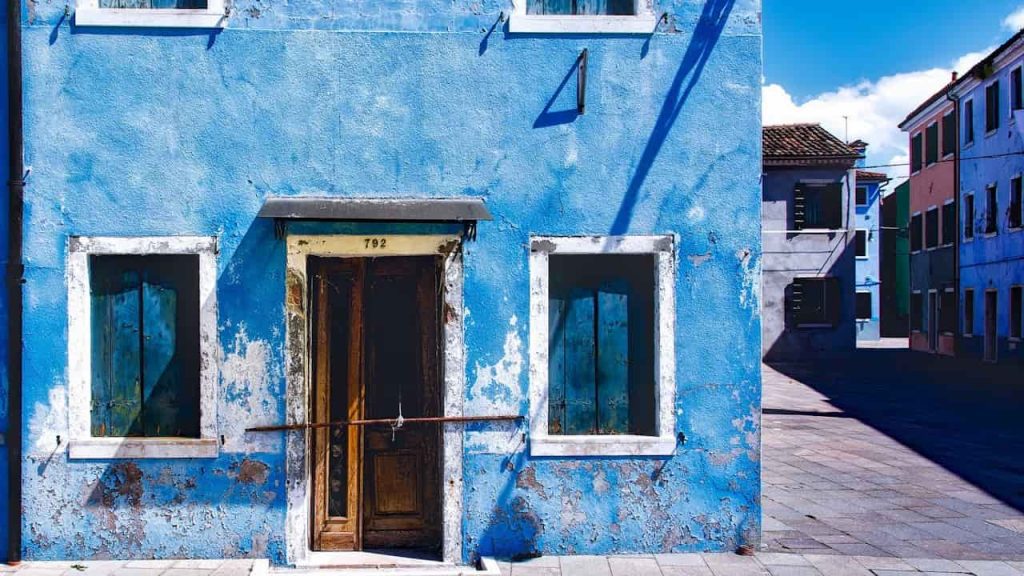
If your wooden doors are warped, they can make your home look older than it is. Warping happens because the wood absorbs moisture when humidity changes.
Fixing a warped door is often difficult, and you might need to replace it. Sometimes, gradually applying pressure with clamps can help, but results are not guaranteed.
Keeping your doors dry and controlling indoor humidity can prevent warping and keep them looking fresh longer.
Rusting metal railings
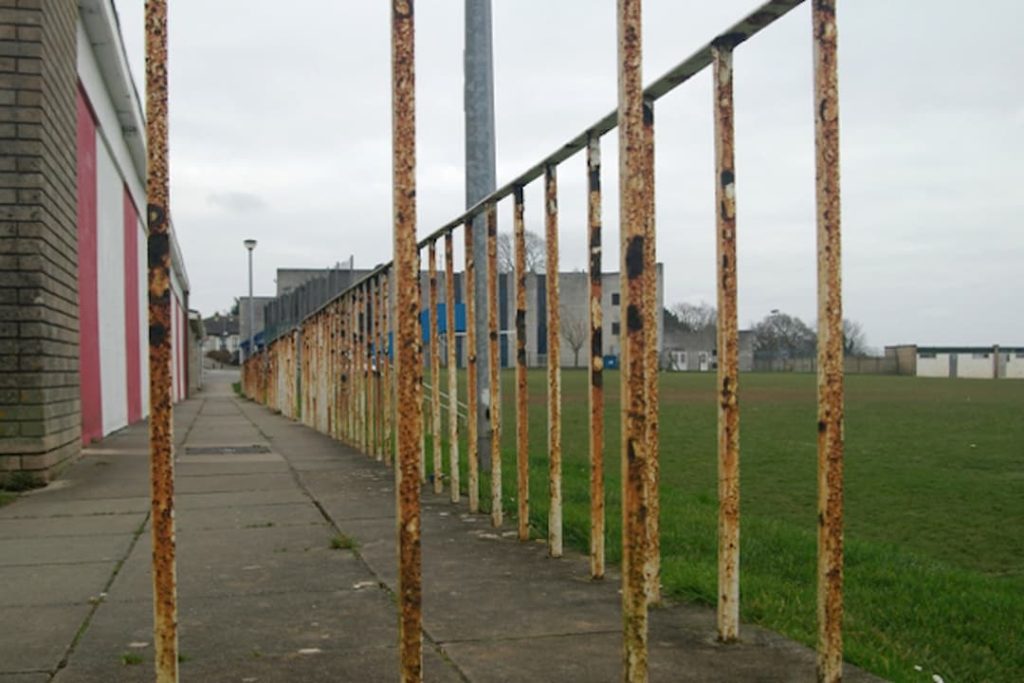
If your metal railings are rusting, they can quickly make your home look neglected. You should start by removing rust with sandpaper or a rust remover.
After sanding, clean the surface to remove dust and oils before repainting. Using a rust-inhibiting primer helps prevent future rust.
Choose a durable paint designed for metal to protect your railings and keep them looking fresh for longer.