You might notice how much has changed in homes over the years, from daily routines to how certain chores were handled. Many household standards that once seemed normal or essential have quietly disappeared as lifestyles and technologies evolved.
Understanding these vanished household standards can give you insight into how daily life has shifted and why some traditions are no longer part of modern homes. Exploring these changes can also make you appreciate the conveniences you have today compared to those from the past.
Rotary Dial Telephones

You might remember the satisfying click of a rotary dial telephone. To place a call, you turned the dial to each number, sending pulses to connect you.
These phones were common in most homes through the mid-20th century. Today, they’re often seen as vintage or decorative items rather than everyday tools.
While modern phones use electronic tones, some rotary phones have been updated with newer features like redial and hands-free functions.
Floppy Disks

You might remember floppy disks as the go-to way to save and share files back in the day. These thin, square disks were once standard in homes and schools for storing data.
By the 1990s, the 3.5-inch floppy with 1.44MB capacity became the most common. You would use them for everything from school projects to backing up photos.
Today, you don’t see floppy disks in daily life because USB drives and cloud storage offer much more space and convenience. But if you have some lying around, they’re a neat piece of tech history.
VHS Tapes

You used to pop a VHS tape into your VCR to watch movies or record shows. These bulky plastic cases held your favorite films and home recordings.
Today, VHS tapes are mostly forgotten. Digital streaming and DVDs have replaced them. But if you still have old tapes, experts suggest preserving them soon before they degrade or are lost forever.
Encyclopedia Sets

You probably remember a time when having a full set of encyclopedias was a household must-have. They were your go-to source for homework help and general knowledge before the internet existed.
These multi-volume sets took up shelf space but offered reliable, organized information. Today, most people rely on digital sources, so physical encyclopedia sets have mostly vanished from homes. You might still find some in libraries or donated to schools.
Carbon Paper

You might remember using carbon paper to make copies before printers were common. It’s a thin sheet coated with dark pigment that you placed between two papers to transfer writing or typing.
Today, carbon paper is rarely used in homes because digital documents and printers have replaced it. But some places, like certain prisons, still rely on it for specific tasks.
Manual Typewriters

You probably remember or have seen manual typewriters gathering dust in attics. These machines were once a common tool in homes and offices for writing letters and reports.
Using one required pressing keys firmly, unlike today’s keyboards. The sound of the keys striking paper was almost like a rhythm in daily life. Carrying a portable model was a small convenience for writers on the go.
Manual typewriters like the Remington Standard 16 were well built and could last decades if cared for. They were simple, mechanical, and didn’t need power—just your fingertips and patience.
Film Cameras

You probably remember when film cameras were common in homes. They used physical rolls of film to capture images, unlike the digital sensors in today’s devices.
Using one meant developing photos in a darkroom or sending rolls to a lab. Now, film cameras are rare, mostly used by enthusiasts or collectors.
Though digital cameras have replaced them, some people still enjoy the unique look and feel of film photography.
Polaroid Instant Cameras

You might remember when snapping a photo meant waiting minutes for a print to appear. Polaroid instant cameras were a staple in many homes, offering quick, physical pictures right away.
Today, these cameras have mostly vanished from everyday life. Modern versions still exist, like the Polaroid Go Generation 2, but instant film isn’t as common or easy to find as it used to be.
If you want to relive that instant photo magic, you’ll need to look for newer models or vintage cameras with film still in stock.
Analog Alarm Clocks

You probably remember the familiar tick-tock of analog alarm clocks from earlier days. These clocks often had a glowing dial, making it easy to check the time at night.
Many featured a simple, loud alarm that helped wake you up without the distractions of a smartphone. You could also find silent, non-ticking versions that aimed to give you a quieter sleep.
Nowadays, analog clocks are mostly collectibles or decorative pieces, replaced by digital and smart alternatives in most homes.
Checking Account Registers

You used to keep a physical check register to track every payment and deposit. It helped you avoid overdrafts by maintaining a running balance.
Today, many rely on digital tools, but writing in a register was once a simple way to stay organized. You’d record every transaction by hand, often double-checking with your bank statements.
If you kept all your receipts nearby, you could update your register regularly and catch errors early. It was a hands-on approach to managing money that most have left behind.
Ice Cube Trays
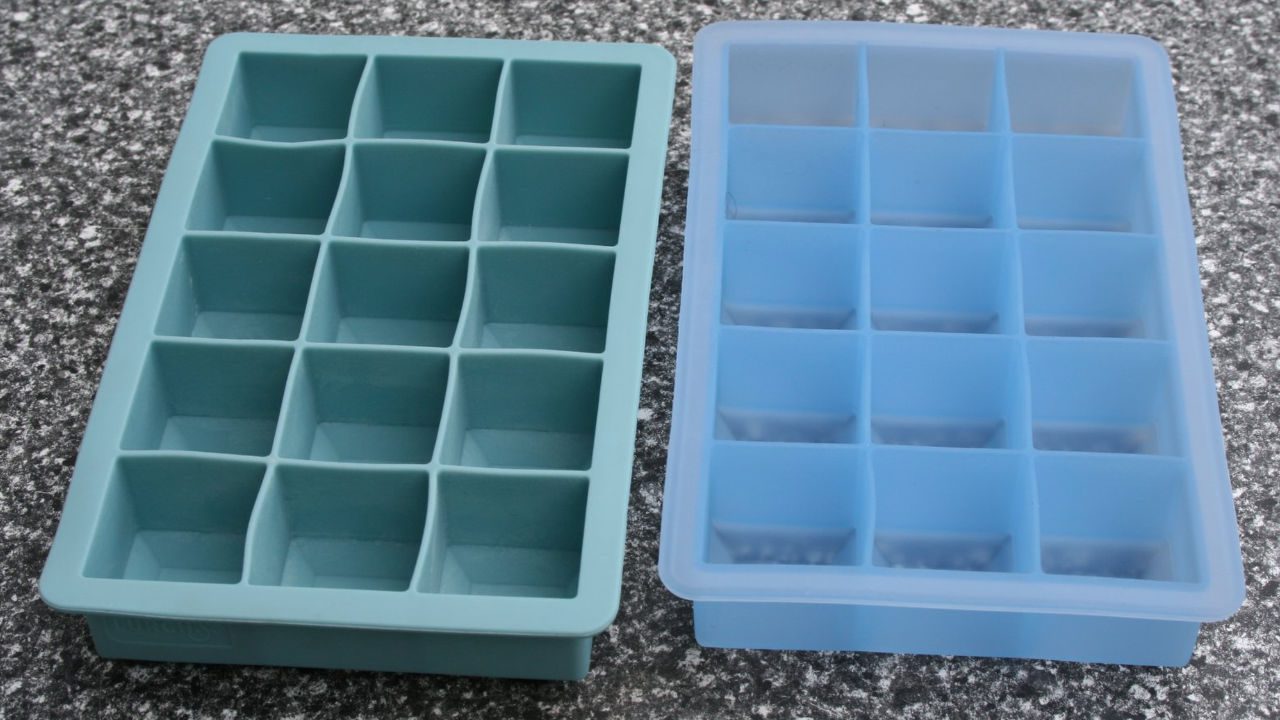
You probably remember ice cube trays from your childhood kitchens. These simple plastic or metal trays required a bit of patience to pop out the cubes.
Today, many have been replaced by innovative silicone trays or ice makers that make removing ice easier. Traditional trays often held about 16 cubes and were stackable, saving space in your freezer.
If you still use one, cleaning is a breeze since many modern trays are dishwasher safe and made with BPA-free materials for your health.
Frosted Glass Milk Bottles

You might remember frosted glass milk bottles as a staple on your doorstep decades ago. These bottles were reusable and designed to keep milk fresh during delivery.
The frosted finish helped protect the milk from light, which could spoil it faster. You returned them empty, and milkmen would collect, clean, and refill them for the next delivery.
Today, glass bottles are rare, replaced mostly by cartons and plastic containers. But frosted glass bottles show how your milk once came with a touch of care and sustainability.
George Foreman Grill (early models)
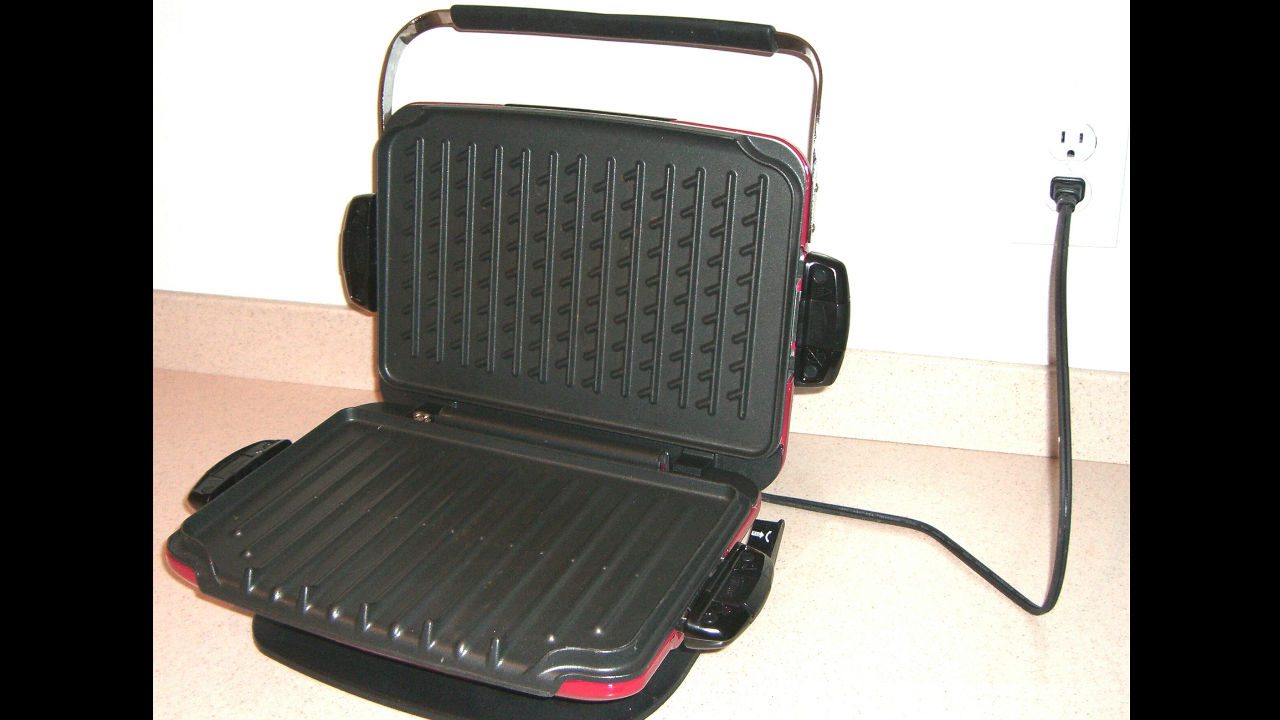
You might remember the early George Foreman grills as simple, compact devices for quick meals. These models were designed to cook food from both sides simultaneously, cutting down grilling time.
They were great for small families or individuals who wanted a fast, easy way to prepare lean meats indoors. Though they lacked some features of later versions, they offered reliable, no-fuss grilling right on your countertop.
Wire Clothes Hangers
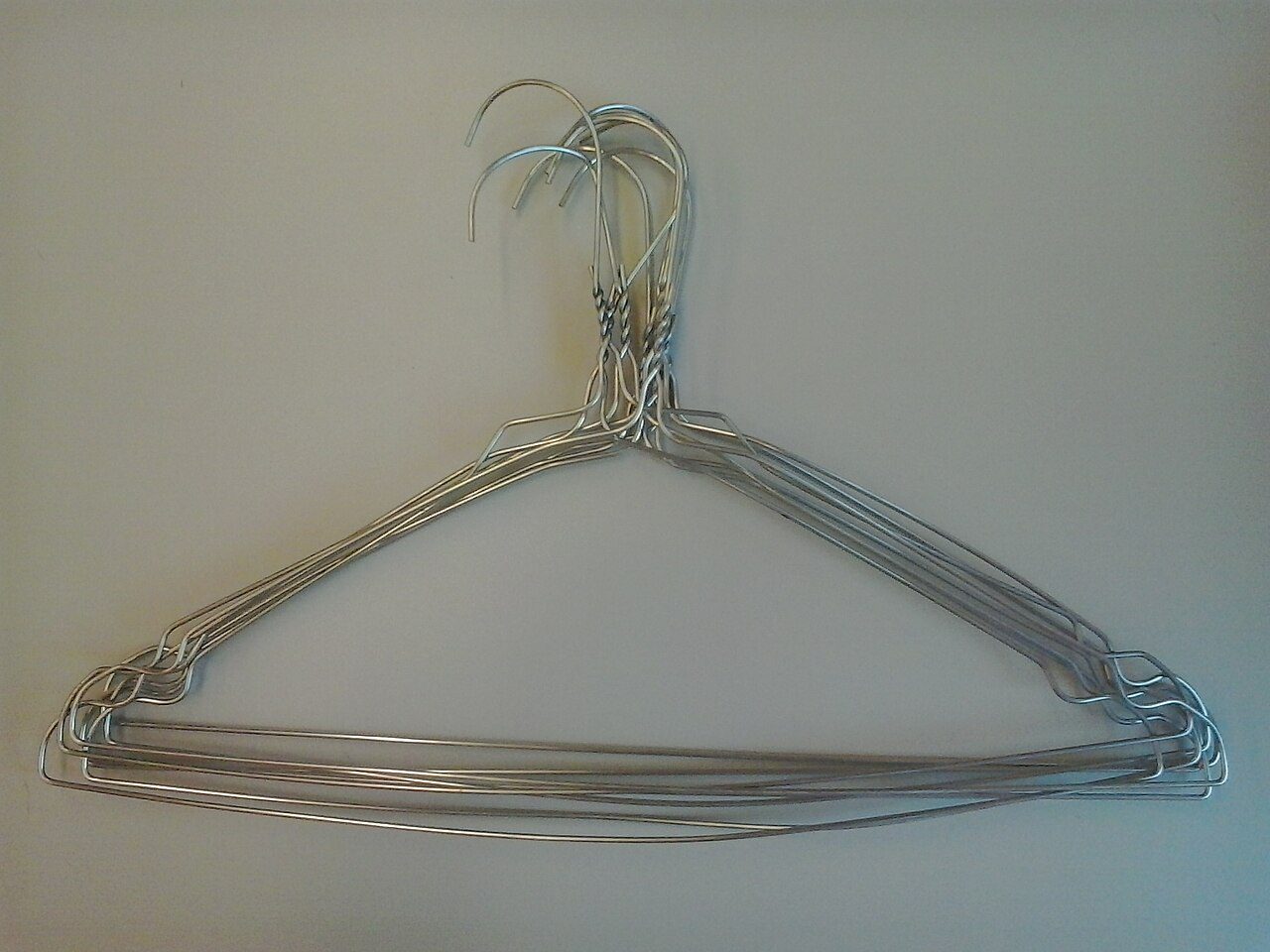
You might remember wire clothes hangers as a common household staple. They were simple, inexpensive, and often came in bulk packs.
These hangers were lightweight but could bend or lose shape easily. Today, many people prefer sturdier or matching hangers for their closets, making wire ones less popular. Still, they were a practical choice for everyday use in the past.
Linen Tablecloths
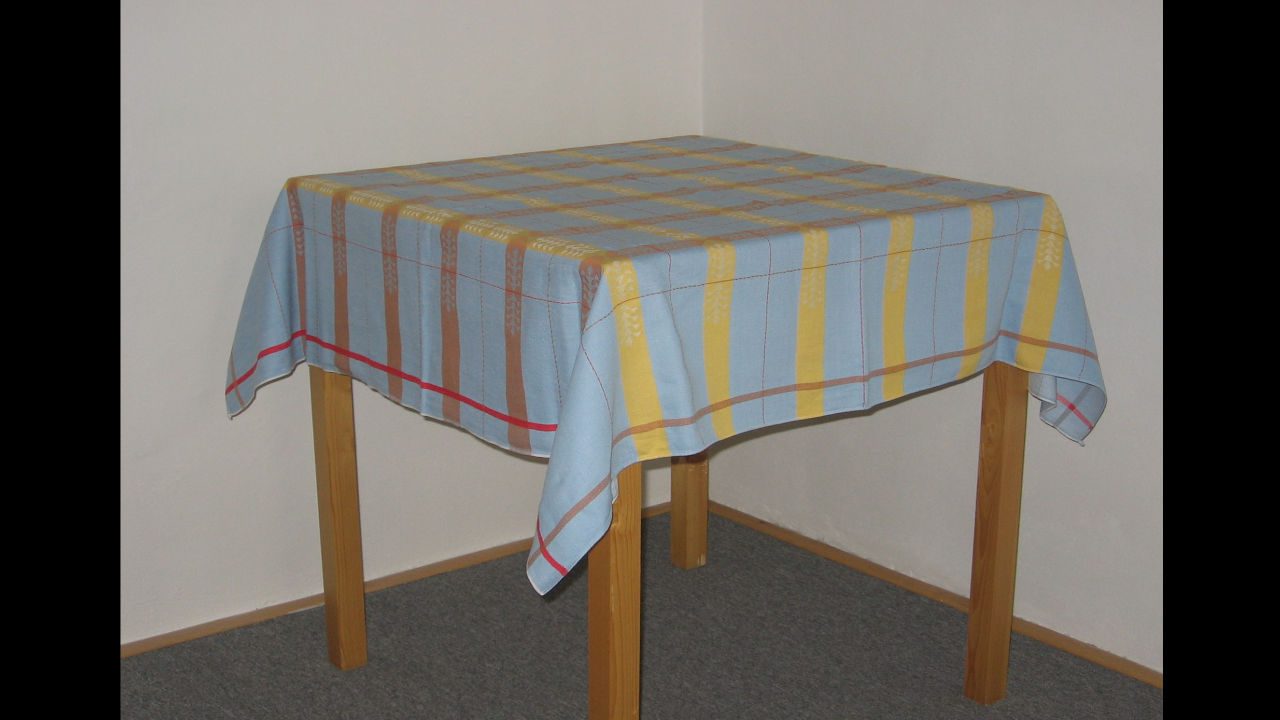
You used to see linen tablecloths at many homes, especially for special occasions. They added a touch of elegance that was both simple and refined.
Today, polyester tablecloths are common because they’re easier to clean and wrinkle-resistant. But if you prefer a natural feel, linen still offers a soft, draped look that polyester can’t match.
Using linen can make your table feel festive and a bit more luxurious, even on quiet weekday dinners. If you find old linen pieces, they can be a charming addition to your home.
Chintz Upholstery

You might remember chintz as a popular floral fabric from the past. It’s cotton treated with special substances to help dyes stick and create bright patterns.
Once common in upholstery, chintz was seen as a bit old-fashioned for a while. Now, you may notice it making a quiet comeback in traditional and modern home designs. It’s a great way to add some classic charm to your space.